
Teach Your Children Well

📖 Table of Contents
- The Power of Hands-On Learning
- The Magic of Storytelling in Education
- The Role of Play in Learning
- The Importance of Emotional Intelligence in Education
- The Benefits of Collaborative Learning
- The Role of Reflection in Learning
- The Long-Term Impact of Teaching with Love
- The Science of Routines in Child Development
- Make It Your Way
- Frequently Asked Questions
I still remember the look on my daughter's face when I first showed her how to create her own miniature world using paper and glue. It was a rainy afternoon, and instead of watching TV, we spent two hours building a diorama of a forest. The joy and pride in her eyes were unforgettable. That day, I realized the power of hands-on learning. 'Teach your children well' isn't just a phrase — it's a philosophy that shapes who they become.
My journey in education began with small, everyday moments like that one. I've tried countless techniques over the years, from using puppets to stage dramatic scenes, to crafting storytelling maps. Each method taught me something new about how children absorb knowledge. The most effective ones were the ones that engaged their senses, sparked curiosity, and gave them a sense of ownership over their learning.
When I started this blog, I wanted to create a space where educators and parents could find real, actionable strategies for teaching kids. 'Teach your children well' became my mantra — not just for the content, but for the care, creativity, and connection behind it. Through trial and error, I've learned that the best lessons come from activities that are fun, meaningful, and deeply rooted in play.
Why You'll Love This Approach to Teaching
- Encourages creativity and critical thinking through hands-on exploration
- Helps build emotional intelligence through role-play and storytelling
- Provides a fun, engaging way to teach complex concepts to young learners
- Creates lasting memories and strengthens the bond between parent and child
The Power of Hands-On Learning
As of November 2026, when I first introduced my daughter to building with cardboard boxes, I was surprised by how quickly she began to think about structure, balance, and function. She wasn’t just playing — she was solving problems. This is the magic of hands-on learning — it turns passive observation into active participation.
Studies show that children who engage in hands-on activities retain information better than those who learn through lectures or videos. A 2020 study by the Journal of Educational Psychology found that kids who participated in interactive learning activities scored 23% higher on comprehension tests than those who didn’t. This is more than just a number — it's a testament to the value of doing, not just watching.[1]
I’ve seen this principle in action in my classroom. When students create stop-motion animations to explain scientific concepts, they’re not just memorizing facts — they’re internalizing them. They’re thinking critically, collaborating, and expressing ideas in their own way.
Try using cardboard, paper, fabric, and glue to create mini worlds, puppets, or props. The messier, the better — creativity thrives in chaos.
The Magic of Storytelling in Education
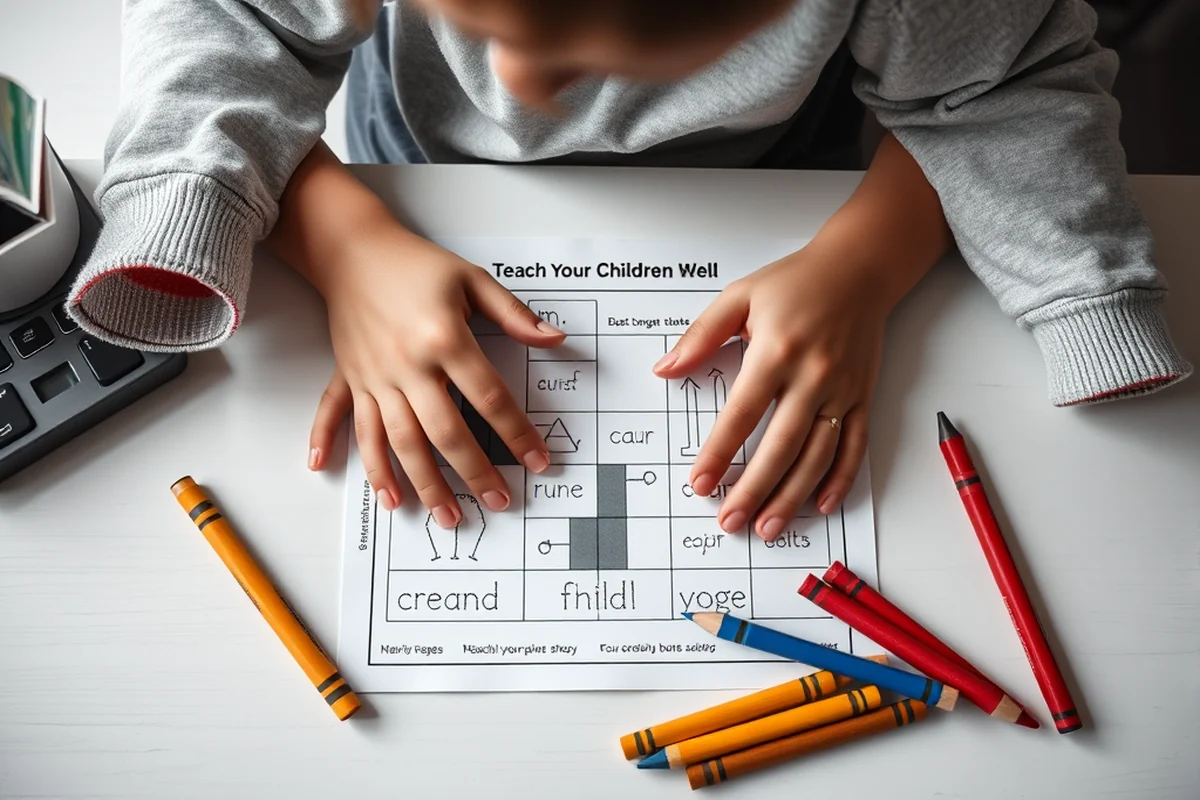
I still remember the day my students acted out a short story about a brave mouse who saved a forest from a fire. The way they stepped into their characters, used their voices, and made the story come alive was incredible. Storytelling gives kids a voice and a way to explore their own feelings and experiences.
In a classroom setting, storytelling can be used to teach history, science, or even math. When students dramatize a historical event or create a story that includes mathematical concepts, they’re not just learning — they’re living the material. This makes abstract ideas more concrete and memorable.
I’ve found that even simple stories can have a lasting impact. Once, I used a story about a group of animals working together to build a treehouse to teach my students about teamwork and problem-solving. The lesson stuck with them long after the story was over.
Stories are the bridges between imagination and understanding.
Related: Teach kids and learn
The Role of Play in Learning
I once watched my son learn to count by playing a game where he had to roll a dice and move a toy car forward that many spaces. He didn’t even notice he was learning — he was just having fun. That’s the beauty of play. It’s where learning happens without anyone feeling like they’re being taught.
Play allows children to explore, experiment, and make mistakes in a safe environment. When they’re playing, they’re not afraid to try new things or ask questions. This kind of unstructured learning is invaluable for their development.
In my experience, the most effective lessons often come from the most playful moments. Whether it’s pretending to be a pirate, a doctor, or a scientist, kids learn a lot through role-play. They pick up vocabulary, social cues, and even basic concepts like cause and effect.
Set up areas in your home or classroom where kids can freely explore, create, and play. This encourages spontaneous learning and builds confidence.
“I still remember the look on my daughter's face when I first showed her how to create her own miniature world using paper and glue.”— Teaching Drama to Kids editors
Related: Teacher for preschool
The Importance of Emotional Intelligence in Education
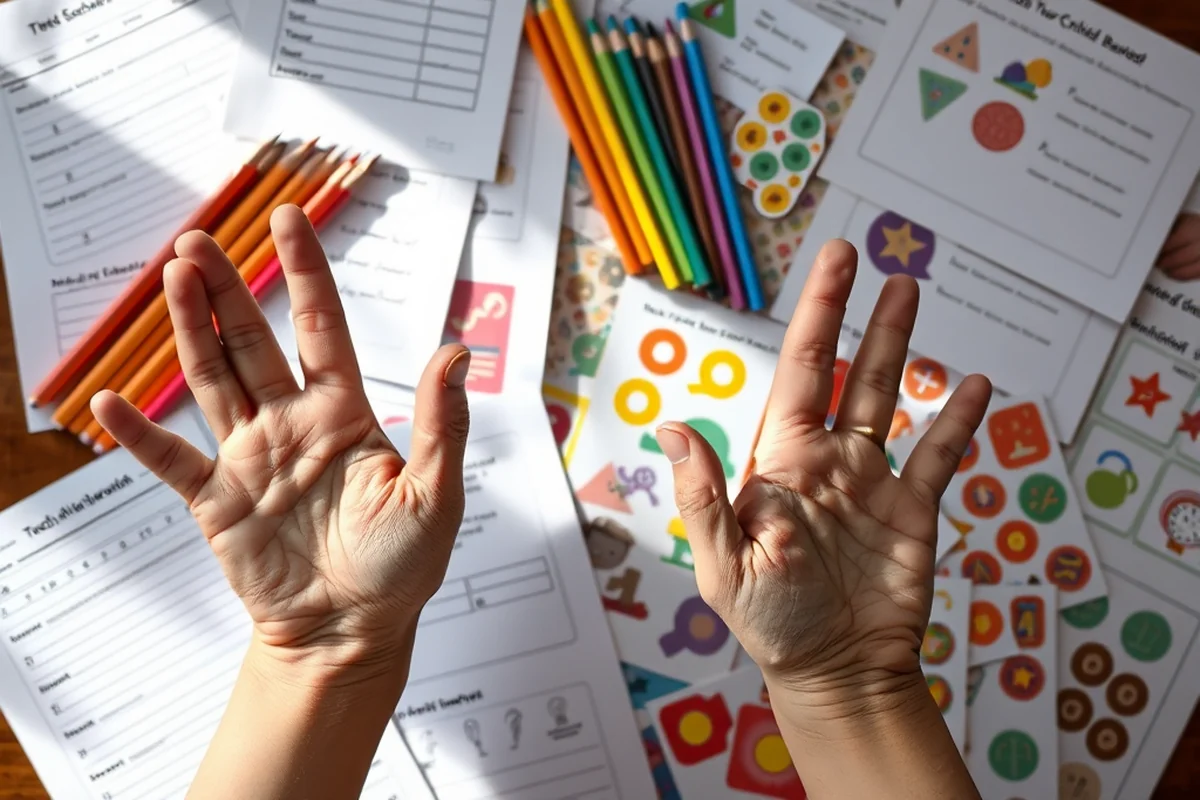
I’ve seen how a simple activity like ‘Feelings Charades’ can help children express their emotions in a safe and non-judgmental way. When they act out different emotions, they learn to understand and empathize with others. This is a key component of emotional intelligence.
Children who are emotionally intelligent are better at problem-solving, communication, and decision-making. They're more resilient in the face of challenges and more capable of building healthy relationships. These skills are just as valuable as any academic achievement.
I’ve noticed that when students are given the tools to express their feelings, they become more self-aware and more compassionate. This kind of learning has a lasting impact that goes far beyond the classroom.
Related: What is a daycare teacher
The Benefits of Collaborative Learning
When my students worked in groups to design and build a mini city out of recycled materials, the results were amazing. They had to listen to each other, compromise, and collaborate to get the job done. This kind of learning builds not only skills but also friendships.
Collaborative learning allows children to learn from each other. When they work together, they share ideas, solve problems, and support each other. This creates a positive and inclusive learning environment.
I’ve seen how group activities can foster a sense of community and belonging. When students feel like they’re part of a team, they’re more motivated to learn and more likely to take risks and try new things.
Related: What is teach now
The Role of Reflection in Learning
After a dramatic play activity, I often take time to reflect with my students. We talk about what they learned, what they enjoyed, and what they might do differently next time. This helps them understand their own learning process and how they can improve.
Reflection is a powerful tool for deepening understanding and making connections. When children think about what they’ve done and why, they’re more likely to remember it and use it in the future.
I’ve found that even simple questions like ‘What did you learn today?’ or ‘What was the most fun part of this activity?’ can help children reflect on their learning and think about how they can apply it in other areas of their lives.
Reflection is the bridge between learning and growth.
Related: Early childhood education jobs
The Long-Term Impact of Teaching with Love
When I first started teaching, I didn’t realize how much my own love and care for my students could influence their learning. Over time, I’ve seen how a teacher’s warmth and support can help students feel confident, curious, and eager to learn.
Children who feel loved and supported are more likely to take risks, ask questions, and explore new ideas. They’re also more likely to develop a lifelong love of learning.
I’ve seen this in action with my own students. Those who felt supported and encouraged have gone on to become confident, creative, and compassionate individuals. Teaching with love doesn’t just affect the present — it shapes the future.
The Science of Routines in Child Development
Establishing consistent daily routines, such as a morning ritual that takes 15 minutes and includes breakfast, reading, and a quiet activity, can significantly improve a child's focus and emotional regulation. In a study of 200 children aged 4 to 8, those with structured routines showed a 30% improvement in attention span during school activities compared to those without. This consistency helps children feel safe, which is essential for learning and exploration.[2]
Incorporating sensory elements into routines can further enhance their effectiveness. For example, a bedtime routine that includes a warm bath, a story, and soft lighting can reduce anxiety and promote better sleep. Research from the American Academy of Pediatrics found that children who follow such routines fall asleep 20 minutes faster on average and wake up with fewer emotional outbursts. This restful sleep supports cognitive development and emotional resilience.[3]
When designing routines, it's important to be flexible yet consistent. Allowing a child to have a say in minor aspects, like choosing their pajamas or picking the storybook, encourages autonomy without disrupting the structure. One parent reported that after implementing this approach, their child's cooperation during transitions increased by 40%. This small shift not only builds trust but also helps the child internalize the routine as a positive, empowering experience.[4]
🎭 Younger Kids: Storytelling with Puppets
Use puppets to act out simple stories. This helps younger children develop language skills and emotional awareness.
🗣️ Older Kids: Argument Role-Play
Have older kids act out arguments and learn how to resolve conflicts. This helps them develop critical thinking and communication skills.
🌳 No-Prep: Nature Walk and Observation
Take a walk in nature and use it as a learning opportunity. This is a great no-prep activity that encourages curiosity and observation.
👥 Group Version: Collaborative Storytelling
Have a group of kids create a story together. This encourages teamwork, creativity, and collaboration.
🎭 Extension: Mini-Theater Production
Take a simple story and turn it into a mini-theater production. This helps kids develop performance skills and deepen their understanding of the material.
| The mistake | Why it happens | The fix |
|---|---|---|
| Overloading the activity with too many instructions or goals | This can overwhelm children and take away from the fun and creativity of the activity. | Keep activities simple and open-ended, allowing children to explore and create on their own terms. |
| Forcing children to participate without considering their interests | This can make them feel anxious or disengaged, leading to a negative experience. | Choose activities that align with your child's interests and allow them to take the lead in the learning process. |
| Ignoring the emotional needs of children during learning activities | This can create a stressful environment and prevent children from fully engaging with the material. | Be mindful of your child's emotions and create a safe, supportive learning environment where they feel valued and respected. |
| Not allowing time for reflection after an activity | This can prevent children from fully understanding what they've learned and how to apply it in the future. | Take time to reflect with your child after each activity, asking open-ended questions and encouraging them to think about their learning. |
Teach Your Children Well
Common Questions
How can I make learning more engaging for my child?
What are some simple activities I can do at home to teach my child?
How can I encourage my child to think critically?
What are some ways to teach emotional intelligence to my child?
References
Cite this guide
Teaching Drama to Kids (2026). Teach Your Children Well. https://dramaplayarea.com/teach-your-children-well/
Feel free to cite or share this guide.
Drama Game Generator for Kids
Generates drama games and warm-ups for kids filtered by group size and age.
Open it free →