
Acting Classes For Kids

📖 Table of Contents
- What Are Acting Classes For Kids?
- How Acting Classes Help Kids Develop Confidence
- The Role of Collaboration in Acting Classes
- How to Choose the Right Acting Class for Your Child
- The Benefits of Acting Classes Beyond the Stage
- The Impact of Regular Participation in Acting Classes
- Creating a Home Environment That Encourages Acting
- Make It Your Way
- Frequently Asked Questions
I still remember the first time I watched my daughter walk onto a stage in a school play — her eyes wide with nerves, her voice trembling, but her heart full of courage. It was a small role, just a few lines, but the way she transformed into a character that night changed my perspective on acting classes for kids. I had always thought of them as a fun activity, but that moment taught me that they are so much more — they're a powerful tool for building confidence, creativity, and self-expression. Whether your child is shy, curious, or bursting with energy, acting classes can become a safe space where they learn to explore, grow, and shine.[3]
Over the years, I’ve been on the lookout for the best acting classes for kids, testing different programs and methods. What I found wasn’t just about lines and scripts — it was about how these classes helped kids find their voices, collaborate with others, and think on their feet. I’ve seen children who were once hesitant to speak in front of others become confident presenters, and I’ve witnessed the joy that comes from a child who finally feels seen and understood. These are not just classes; they are experiences that leave a lasting impact.[4]
Acting classes for kids have evolved far beyond traditional theater training. Today, they’re about play, imagination, and emotional intelligence. They teach kids how to listen, how to respond, and how to connect with others in a way that’s both meaningful and fun. As a parent, I’ve found that these classes give my child something I couldn’t — a place where she can be herself, make mistakes, and learn through play. And that’s something we can all get behind.
Why You'll Love This Activity
- Encourages self-expression and creativity in kids
- Builds confidence and public speaking skills through role-play
- Promotes teamwork and collaboration during group performances
- Helps children explore emotions and understand social dynamics
What Are Acting Classes For Kids?
As of October 2026, Acting classes for kids are designed to be both educational and fun, using games, improvisation, and character development exercises to engage young learners. These classes help children understand emotions, think critically, and express themselves in a safe and supportive environment.
I once took my son to an acting class that focused on creating characters through a series of imaginative exercises. The instructor guided the kids through a warm-up that involved pretending to be animals, then gradually introduced them to role-play scenarios. By the end of the class, my son was confidently playing the role of a pirate, speaking in a deep voice and swinging a sword made from a stick.
What I found fascinating was how quickly the kids adapted to the exercises. Within 30 minutes, they were fully immersed in the activity, showing off their characters and working together in small groups. It was clear that these classes weren’t just about learning lines — they were about exploring identity, collaboration, and creative expression.[1]
Begin with easy role-play scenarios like being a chef, a superhero, or an animal. This helps kids feel comfortable and builds their confidence.
How Acting Classes Help Kids Develop Confidence
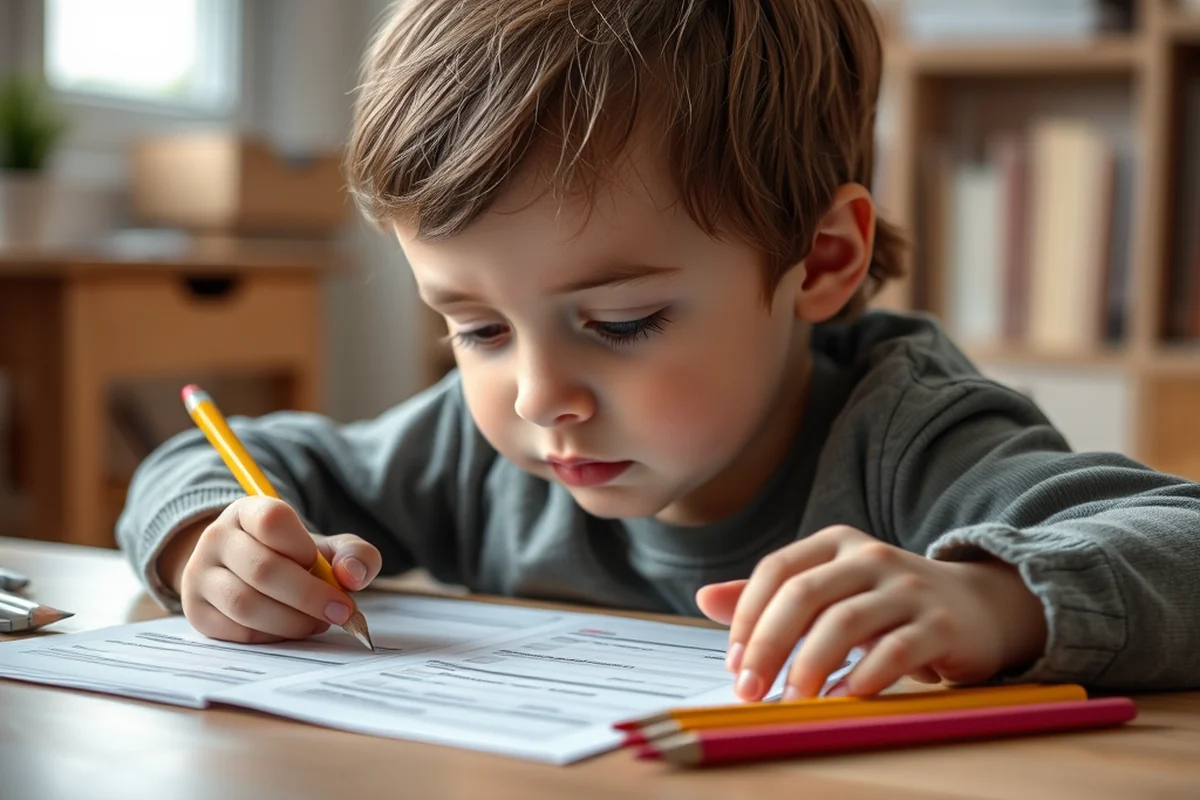
One of the most powerful benefits of acting classes for kids is the boost in self-confidence they provide. When children perform in front of an audience — even a small one — they learn to manage fear, speak clearly, and express themselves with conviction.
In one class I attended, the instructor used a technique called ‘mirror work,’ where kids practice lines in front of a mirror to build self-awareness and confidence. After a few weeks, the kids were performing short scenes in front of the class, and I could see a noticeable difference in their body language and vocal tone.
The transformation was remarkable. Kids who once hesitated to speak in class became more vocal during school projects. The confidence they gained from acting classes spilled over into other areas of their lives, making them more assertive and engaged in school and social settings.
Confidence isn’t just about speaking up — it’s about believing in yourself.
Related: Purpose of drama
The Role of Collaboration in Acting Classes
Collaboration is a key component of acting classes, as most activities involve group work. Kids learn how to listen to each other, support their peers, and contribute to a shared performance. This not only enhances their social skills but also teaches them the value of teamwork.
During one class, the kids were asked to create a short story together. Each child contributed a sentence, and the class built the story step by step. This exercise required active listening and creative thinking, and the result was a story that was both unique and engaging.
What struck me most was how the kids naturally took on different roles — some were the storytellers, others were the ones who helped with ideas. It was clear that they were learning how to work as a team, and the experience left them excited and proud of their collective work.
Group exercises like creating a story together or performing a scene as a team help kids learn collaboration and communication skills.
“I still remember the first time I watched my daughter walk onto a stage in a school play — her eyes wide with nerves, her…”— Teaching Drama to Kids editors
Related: Education drama korea
How to Choose the Right Acting Class for Your Child

Not all acting classes are the same. When choosing a class, it’s important to consider the child’s age, interests, and learning style. Some classes are more structured, while others are more freeform and based on play.
I asked a few friends about their experiences with acting classes, and most recommended looking for classes that have a strong focus on creativity and self-expression. It’s also important to check if the instructor has experience working with children and if the class size is small enough to ensure individual attention.[2]
In my own search, I found a class that had a unique approach — the instructor used storytelling and improvisation to engage the kids, and the class was tailored to different age groups. My son loved the class so much that he asked to attend twice a week.
Related: Teacher lesson drama
The Benefits of Acting Classes Beyond the Stage
The skills learned in acting classes often transfer into other areas of a child’s life. For example, children who take acting classes often show greater empathy, as they learn to understand different perspectives through role-play.
I noticed that my daughter started to be more aware of her friends’ emotions after taking an acting class that focused on emotional expression. She would ask questions like, ‘How do you feel when someone is upset?’ and try to comfort her peers in a more thoughtful way.
Another benefit is improved communication skills. Kids who take acting classes often become better at expressing their thoughts clearly and listening to others, which helps them in both school and social situations.
Related: What s drama class
The Impact of Regular Participation in Acting Classes
Consistency is key with reaping the full benefits of acting classes. Kids who participate regularly tend to show more noticeable growth in confidence and creativity compared to those who attend only occasionally.
I followed my son’s progress over the course of a year, and the differences were clear. At the beginning of the year, he was very hesitant to speak up in class, but by the end of the year, he was volunteering to read aloud and even participating in school plays.
The consistent practice helped him build muscle memory in his performance skills and also taught him how to think on his feet. The confidence he gained from acting classes stayed with him, even in school and social settings.
Regular practice leads to lasting growth — both on and off the stage.
Related: Voice acting classes
Creating a Home Environment That Encourages Acting
Even if your child isn’t enrolled in an acting class, you can still support their creativity and self-expression at home. Setting up a space where they can explore different characters, play pretend, and practice performing is a great way to encourage their skills.
I set up a small 'theater corner' in my living room with a curtain, a small stage, and a few props. My daughter loved using it to act out stories from books or create her own original plays. It became a favorite part of her day, and I saw her confidence grow as she practiced in front of me.
Encouraging your child to perform for family members or friends can also be a powerful way to build confidence. Whether it’s a short story or a silly scene, the act of performing helps them gain experience and learn to express themselves more clearly.
🎭 Younger Kids (Ages 3-5)
Focuses on play, imagination, and simple character exploration. Ideal for building basic performance skills and creativity.
🎭 Older Kids (Ages 6-12)
Introduces more complex scenes, group performances, and character development. Encourages teamwork and creative problem-solving.
🎭 No-Prep Version
Uses everyday objects and improvisation to create a fun, flexible activity that can be done anytime, anywhere.
🎭 Group Version
Designed for group settings, such as classrooms or after-school programs. Encourages collaboration and peer learning.
🎭 Extension Activity
Involves writing and performing original stories. Great for developing narrative skills, creativity, and public speaking.
| The mistake | Why it happens | The fix |
|---|---|---|
| Not allowing the child to take the lead in the activity. | Acting classes for kids are about creativity and self-expression, and allowing the child to take the lead helps them feel more engaged and confident. | Give your child the freedom to choose what they want to act out, and encourage them to take the lead in the performance. |
| Making the activity too structured or rigid. | Children thrive in environments that allow for spontaneity and creativity. Overly structured activities can limit their ability to explore and express themselves. | Use open-ended activities and allow for improvisation, so the child can explore different scenarios and characters. |
| Not providing enough support or encouragement. | Children need positive reinforcement and encouragement to feel confident in their performance. Lack of support can lead to frustration and disengagement. | Offer praise and support throughout the activity, and create a safe and encouraging environment where the child feels comfortable expressing themselves. |
| Focusing too much on the final performance rather than the process. | Acting classes are about the journey, not just the final result. Focusing too much on the outcome can take away from the creativity and exploration that make the activity valuable. | Emphasize the process of learning, exploring, and creating rather than the final performance. Celebrate the effort and creativity involved in the activity. |
Acting Classes For Kids
Common Questions
What age is best for acting classes?
Do acting classes improve school performance?
Can acting classes help shy kids?
What are the typical activities in acting classes for kids?
References
- Next Stop Broadway | Coral Springs Center For The Arts (coralsprings.gov)
- Youth Musical Theater Workshop | City of Draper (draperutah.gov)
- Heather McGaughey Four Corners Theatre Academy | Farmington, NM (farmingtonnm.gov)
- Acting Classes | Mayfield Heights, OH - Official Website (mayfieldheightsohio.gov)
Cite this guide
Teaching Drama to Kids (2026). Acting Classes For Kids. https://dramaplayarea.com/acting-classes-for-kids/
Feel free to cite or share this guide.
Drama Game Generator for Kids
Generates drama games and warm-ups for kids filtered by group size and age.
Open it free →