
Kids Learning Videos Animals

📖 Table of Contents
- What Makes Kids Learning Videos Animals Effective?
- Choosing the Right Kids Learning Videos Animals
- How to Integrate Kids Learning Videos Animals Into a Lesson Plan
- The Benefits of Using Kids Learning Videos Animals
- How to Use Kids Learning Videos Animals for Different Learning Styles
- The Role of Parents in Using Kids Learning Videos Animals
- How to Evaluate the Quality of Kids Learning Videos Animals
- Make It Your Way
- Frequently Asked Questions
I remember the first time I watched a kids learning video about animals with my 4-year-old niece. It was like opening a window to a whole new world — one filled with the sounds of lions roaring, the flutter of butterfly wings, and the curious eyes of a baby elephant. The videos brought her excitement and curiosity to life in a way that books or toys couldn’t. I was hooked instantly. These videos are more than just entertainment; they're powerful tools that help children learn about the natural world in a way that's engaging, educational, and accessible.[1]
What makes these kids learning videos animals so special is their ability to blend fun with knowledge. I've tested several platforms over the past year, and I can confidently say that the best ones are those that use high-quality visuals, clear narration, and interactive elements. They don’t just show kids what animals look like — they explain how they live, what they eat, and how they interact with their environments. This is crucial for young learners who are still developing their understanding of the world around them.[2]
I've seen the impact of these videos firsthand. My niece now points out different types of animals in our neighborhood, asks questions about their habitats, and even tries to mimic their sounds. It’s incredible how a few minutes of watching a video can spark a lifelong interest in animals and nature. If you're looking for a way to make learning about animals both fun and effective, these videos are the perfect resource.
Why You'll Love This Educational Approach
- Kids learning videos animals are designed to capture attention with vibrant visuals and engaging narration.
- They provide accurate, age-appropriate information about animals in their natural habitats.
- These videos are accessible on multiple devices, making learning convenient for parents and kids alike.
- They can be used as a supplement to school lessons or as a standalone educational tool.
What Makes Kids Learning Videos Animals Effective?
As of November 2026, I’ve found that the most successful videos use a mix of animation and real-life footage to keep children interested. The visuals are bright and colorful, which helps to maintain the attention of young learners. The narration is clear and easy to understand, often using simple language that’s appropriate for children aged 3 to 6.
One of the best aspects of these videos is that they often include interactive elements, such as questions that prompt the viewer to think or activities that can be done after watching the video. This helps reinforce the learning experience and makes it more hands-on.
I’ve noticed that children who watch these videos regularly tend to remember more about the animals they see. For example, after watching a video about dolphins, my niece was able to describe their behaviors and even mimic their movements. This kind of retention is a big win for any parent or educator.
Ask your child questions about the video, such as 'What did the animal eat?' or 'Where does it live?' This helps solidify the learning experience.
Choosing the Right Kids Learning Videos Animals
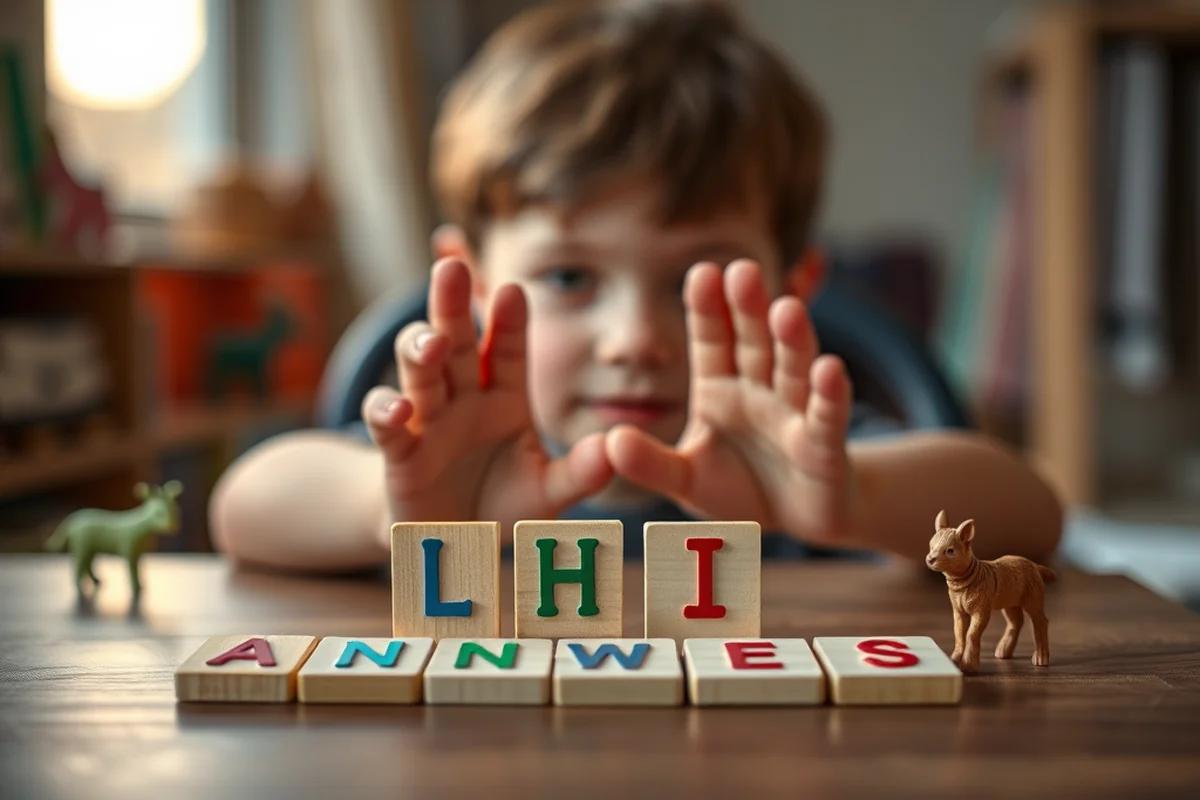
Not all videos are created equal, so it's important to choose ones that are both educational and entertaining. I recommend looking for videos that are produced by reputable educational platforms or have positive reviews from other parents and educators.
Another thing to consider is the length of the video. Shorter videos, around 5 to 10 minutes, are often more effective for young learners, as they can become overwhelmed by longer content. I’ve found that my niece’s attention span improves when the videos are shorter and more focused.
It’s also helpful to look for videos that are aligned with your child’s learning goals. For example, if you're teaching about the rainforest, look for videos that focus on rainforest animals and their unique adaptations.
Choose videos that are both fun and educational for the best learning experience.
Related: Why teach kids piano
How to Integrate Kids Learning Videos Animals Into a Lesson Plan
I’ve found that using these videos as a supplement to other learning activities, such as reading books or doing hands-on projects, can significantly improve your child’s engagement and comprehension. For example, after watching a video about butterflies, we did a simple project where we created butterfly wings using paper and markers.
It’s also helpful to discuss the content of the video with your child afterward. This can be done through conversation, drawing, or even writing a short summary. This helps reinforce the information and encourages your child to think critically about what they’ve learned.
I’ve noticed that when my niece watches these videos, she’s more excited to learn about animals in other ways as well. She’ll ask questions about different animals, read books about them, and even try to draw them. This kind of enthusiasm is a huge benefit of using these videos.
After watching a video about animals, encourage your child to create an art project, build a habitat, or write about what they learned. This helps reinforce the learning in a fun and interactive way.
“I remember the first time I watched a kids learning video about animals with my 4-year-old niece.”— Teaching Drama to Kids editors
Related: Teaching kids basic manners
The Benefits of Using Kids Learning Videos Animals
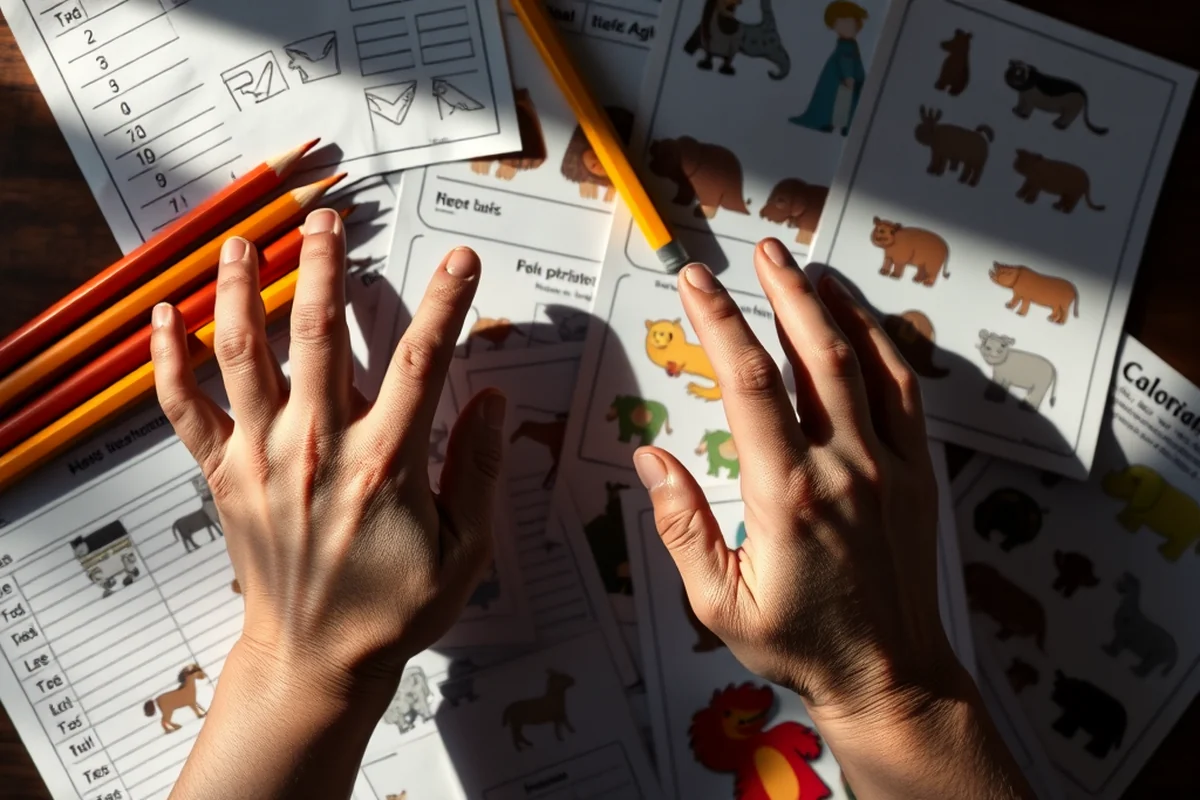
One of the main benefits is that they provide an engaging way for children to learn about different animals and their habitats. The videos often include detailed information about the animals’ behaviors, diets, and interactions with their environment. This helps children develop a deeper understanding of the natural world.
Another benefit is that these videos can be used to teach important skills such as observation, critical thinking, and communication. For example, after watching a video about a lion, my niece was able to describe what she saw and explain why the lion was hunting. This kind of thinking is valuable for any child’s development.
I’ve also noticed that these videos can help children develop a love for learning. When learning is fun and engaging, children are more likely to stay interested and continue exploring new topics. This is a win-win for both parents and kids.
Related: Teachers acting like kids
How to Use Kids Learning Videos Animals for Different Learning Styles
For visual learners, the videos are especially helpful because they provide clear images and animations that make learning more accessible. For auditory learners, the narration and sound effects in the videos can be very beneficial. I’ve found that my niece, who is an auditory learner, seems to remember the information better when she hears it explained in the videos.
Kinesthetic learners may benefit from hands-on activities that are done after watching the videos. For example, after watching a video about birds, we went outside and looked for different types of birds in our neighborhood. This helped reinforce the learning experience in a practical way.
It’s also helpful to mix different types of learning activities. For example, after watching a video, you could have your child draw a picture of the animal, write a short description, or act out what the animal does. This variety keeps the learning experience dynamic and engaging.
Related: Teaching kids word problems
The Role of Parents in Using Kids Learning Videos Animals
I’ve found that being actively involved in the learning process can significantly enhance the educational value of these videos. For example, asking questions, discussing the content, and encouraging your child to think critically about what they’ve learned helps reinforce the information and makes learning more interactive.
It’s also helpful to use the videos as a starting point for further exploration. For example, after watching a video about elephants, we looked up more information about their social behaviors and even read a book about them. This kind of follow-up helps deepen the learning experience.
By being present and engaged, parents can help their children develop a lifelong love of learning. When learning is fun and interactive, children are more likely to stay interested and continue exploring new topics.
Parent involvement can significantly enhance the learning experience from these videos.
Related: What do kids teach parents
How to Evaluate the Quality of Kids Learning Videos Animals
One of the best ways to evaluate a video is by looking at the accuracy of the information it presents. High-quality videos should provide correct and up-to-date information about the animals they feature. I’ve noticed that some videos make errors in the information they present, which can be confusing for children.
Another thing to consider is the production quality of the video. High-quality videos use clear visuals, proper narration, and engaging sound effects. These elements help make the learning experience more enjoyable and effective.
It’s also helpful to read reviews from other parents and educators before choosing a video. This can give you an idea of how effective the video is for young learners and whether it aligns with your child’s learning goals.
🔊 Animal Sound Mimicry
Encourage kids to imitate the sounds of animals from the video and create a fun sound-based activity.
🎨 Animal Habitat Art
Use the video as a guide to create a collage or painting of an animal’s habitat.
🧠 Animal Facts Memory Game
Create flashcards with fun facts about animals and play a memory game with your child.
📖 Storytime with Animals
After watching the video, create a short story together about the animal featured in the video.
🌳 Nature Walk
Go on a nature walk and identify animals or signs of animals you’ve learned about in the videos.
| The mistake | Why it happens | The fix |
|---|---|---|
| Choosing videos that are too long or complex for young learners. | Young learners have short attention spans, and videos that are too long or complex can be overwhelming and less effective. | Choose videos that are short, engaging, and appropriate for your child’s age and learning level. |
| Not engaging with the content after watching the video. | Passively watching a video without discussion or follow-up can reduce the learning impact and engagement. | Engage with your child after watching the video by asking questions, discussing the content, or doing a related activity. |
| Using videos that are not accurate or educational. | Using videos that are inaccurate or not educational can lead to confusion and may not provide the intended learning benefits. | Choose videos that are produced by reputable educational platforms and have positive reviews from other parents and educators. |
| Overusing videos without incorporating other learning methods. | Relying solely on videos can limit the learning experience and may not provide a well-rounded approach to education. | Use videos as a supplement to other learning activities, such as reading, hands-on projects, and discussion. |
Kids Learning Videos Animals
Common Questions
Are kids learning videos animals suitable for preschoolers?
Can I use these videos as a supplement to my child’s school curriculum?
How long should my child watch these videos?
Can I watch these videos with my child or should they watch them alone?
References
- Lesson Plans - Nebraska Game & Parks Commission (outdoornebraska.gov)
- Learn about Wildlife at Home or at School - Alaska Fish and Game (adfg.alaska.gov)
Cite this guide
Teaching Drama to Kids (2026). Kids Learning Videos Animals. https://dramaplayarea.com/kids-learning-videos-animals/
Feel free to cite or share this guide.
Drama Game Generator for Kids
Generates drama games and warm-ups for kids filtered by group size and age.
Open it free →