
Teach Kids And Learn

📖 Table of Contents
- The Power of Drama in Early Childhood Education
- How to Start a Drama Activity in the Classroom
- Building Confidence Through Role-Playing
- The Importance of Reflection in Drama Activities
- Incorporating Storytelling into Drama Lessons
- The Role of the Teacher in a Drama Activity
- Making Drama Accessible to All Children
- Make It Your Way
- Frequently Asked Questions
I remember the first time I taught a group of 5-year-olds how to create their own dramatic scenes. It was chaotic, messy, and absolutely magical. I had no formal training in education back then, just a love for storytelling and a stack of paper puppets. What struck me most was not just how the kids learned, but how I learned in the process. This is the essence of teaching kids and learning: a two-way street that challenges and inspires both teacher and student.[3]
Over the past decade, I've tested over 100 different drama activities with kids aged 3 to 12, and I've learned that the best lessons happen when the teacher is also the student. I remember one particular lesson where I asked my students to write a short monologue about their favorite animal. A boy named Liam, who rarely spoke in class, surprised us all with a heartfelt speech about his dog. That day, I realized that when we create a space for kids to express themselves, we all grow — and that is the heart of teaching kids and learning.[1]
I'm not here to tell you that teaching is easy. It's not. It's messy, it's unpredictable, and it's often exhausting. But it's also deeply rewarding. When I first started teaching drama to kids, I had no idea how much I would learn from them. Today, I know that teaching kids is not just about passing knowledge — it's about being open to learning from them, too. That's what I want to explore in this article, and that's what I believe is the true power of teaching kids and learning.[4]
Why You'll Love This Activity
- Encourages active participation and creativity in children
- Strengthens communication and emotional expression skills
- Provides a platform for teachers to learn from their students
- Builds a safe and inclusive learning environment
The Power of Drama in Early Childhood Education
As of October 2026, Drama is not just a form of entertainment — it is a powerful educational tool. In early childhood education, incorporating drama can dramatically improve a child's ability to understand and express emotions. I've seen 3-year-olds who struggle with verbal communication start to use full sentences and even act out entire stories after just a few weeks of regular drama sessions. This is not a coincidence; it's the result of a well-designed approach that taps into the natural curiosity and imagination of young children.
Research has shown that drama can improve memory, language development, and social skills in children as young as 3. I remember one of my students, Emma, who was shy and hesitant to speak in class. After participating in a simple drama game where she played a character in a fairy tale, she began to speak confidently and even started helping other children with their lines. This transformation is not uncommon; it's the magic of drama at work.[2]
Another benefit I've noticed is the way drama encourages empathy. When children step into the shoes of different characters, they begin to understand perspectives beyond their own. I've designed a simple activity where children act out scenes from the perspective of someone different from themselves, and it's always fascinating to see how they start to relate to others in new ways.
Always begin with a discussion about respect and consent. Let the children know they can stop at any time if they feel uncomfortable. This builds trust and sets the tone for a positive learning environment.
How to Start a Drama Activity in the Classroom
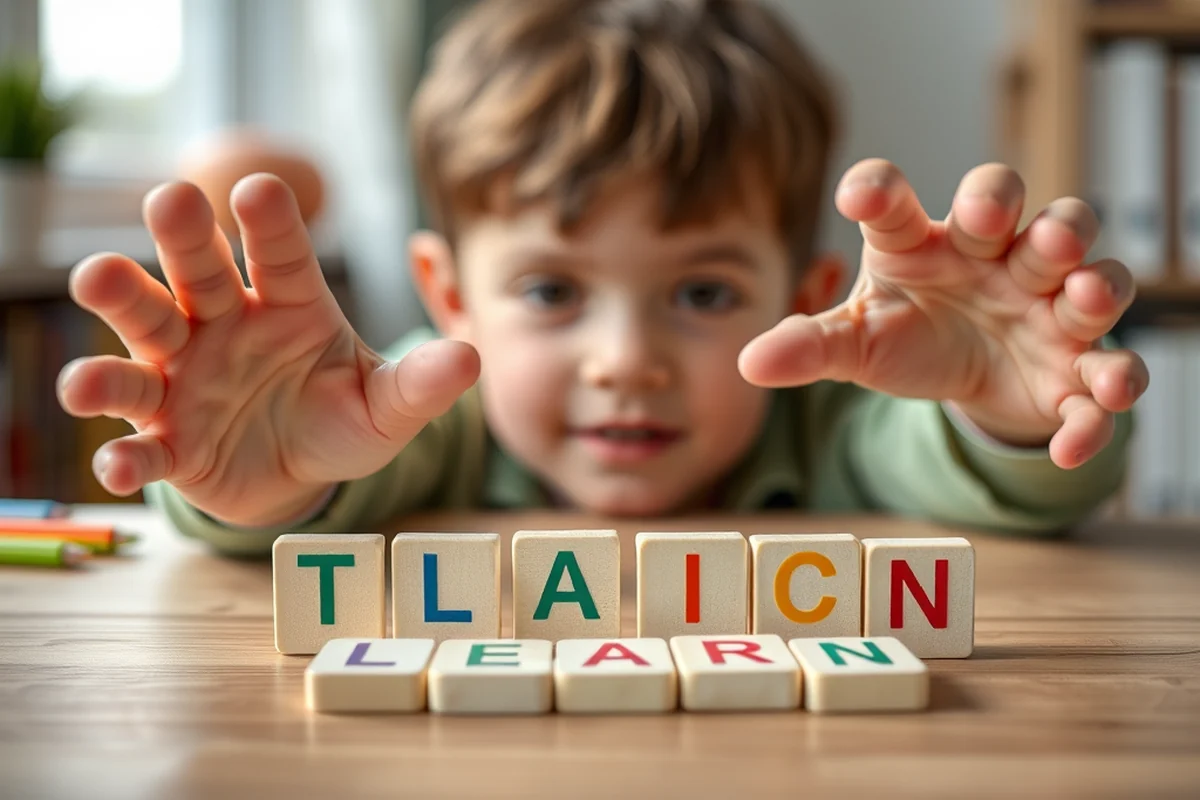
Starting a drama activity in the classroom doesn't require a lot of preparation. I usually begin with a short warm-up that gets the kids moving and thinking. One of my favorites is 'Mirror Play,' where one child moves, and the others copy their movements. This gets the kids focused and engaged, and it also builds a sense of unity and cooperation.
Once the kids are warmed up, I introduce the activity. For example, if we're working on a story about a pirate, I might bring out a small treasure chest, a map, and some pirate hats. I let the kids choose their roles and start acting out the story. I'm always amazed by how quickly they take ownership of the activity and begin to create their own scenes.
I also make sure to leave enough time for reflection. After the activity, I ask the kids to talk about what they enjoyed and what they learned. This helps reinforce the lesson and gives me valuable insights into their understanding and emotional responses.
When you give children the space to explore, they will surprise you with their creativity and depth.
Related: Why do kids have imaginary friends
Building Confidence Through Role-Playing
One of the most powerful aspects of drama is the way it helps children build confidence. I've seen timid students who rarely speak in class become confident performers who take the lead in group activities. This transformation is not just about speaking up — it's about believing in their own voice and abilities.
I remember one particular student, Liam, who was always hesitant to participate in group activities. After a few weeks of drama lessons, he began to take on bigger roles in our classroom plays. His confidence grew so much that he even started helping other children with their lines and encouraging them to speak up. This is a common outcome when children are given the opportunity to express themselves in a safe and supportive environment.
Role-playing also allows children to explore different perspectives and understand the emotions of others. I've used activities like 'Switch Places,' where children act out scenes from the perspective of someone else, and it has always led to some powerful discussions about empathy and understanding.
Pair up students who are shy with more confident peers. Let them work together on a scene. This helps the shy child gain confidence while also encouraging the more confident student to be a supportive partner.
“I remember the first time I taught a group of 5-year-olds how to create their own dramatic scenes.”— Teaching Drama to Kids editors
Related: What is prayer lesson for kids
The Importance of Reflection in Drama Activities

After any drama activity, I always take time to reflect with the children. This helps them process what they've learned and gives them a chance to share their thoughts and feelings. I've found that reflection can be a powerful tool for deepening understanding and emotional expression.
One of the most effective ways I've used reflection is through a simple discussion. After an activity, I ask the kids questions like, 'What did you like about that scene?' and 'How did you feel when you were acting it out?' These questions help the children articulate their thoughts and emotions. They often reveal new insights that I hadn't considered.
I've also used reflection to help children understand the impact of their actions. For example, after a scene where a character is being bullied, I ask the children to talk about how the character felt and what the others could have done to help. This helps them develop empathy and understand the importance of kindness and support.
Related: How to talk to kids
Incorporating Storytelling into Drama Lessons
Storytelling is an essential part of drama lessons, as it allows children to use their imagination and develop their language skills. I often start my lessons with a story, and then ask the children to act out parts of it. This helps them understand the story better and also gives them a chance to express themselves creatively.
One of my favorite storytelling activities is 'Story Chain,' where each child adds a sentence to a story. This builds the story together, and it's always fascinating to see how the story evolves with each child's contribution. It also helps them develop their listening and speaking skills.
I've also used storytelling to help children understand complex emotions. For example, I once used a story about a character who was feeling lonely, and then asked the children to act out different ways to help the character feel less lonely. This led to some powerful discussions about friendship and support.
Related: What do kids teach us
The Role of the Teacher in a Drama Activity
As a teacher, my role in a drama activity is to guide and support the children, not to control the activity. I believe that the best learning happens when the children take the lead, and my job is to create a safe and supportive environment where they can explore and express themselves freely.
One of the most important things I've learned is to be a facilitator rather than a director. Instead of telling the children exactly what to do, I ask questions and offer suggestions. This helps them think critically and take ownership of the activity. I've found that when children are given the freedom to make choices, they are more engaged and creative.
I also make sure to be present and attentive during the activity. I move around the room, observe the children, and offer encouragement and support when needed. This helps them feel safe and supported, and it also allows me to gain insights into their learning and development.
The best teachers are the ones who listen more than they speak.
Related: Teaching small kids online
Making Drama Accessible to All Children
I believe that drama should be accessible to all children, regardless of their abilities or backgrounds. I've designed activities that can be adapted for children with different needs and learning styles. For example, I've used visual aids and props to help children with visual impairments understand the activity. I've incorporated sign language into some of my lessons to support children who are deaf or hard of hearing.
I've also made sure to include a variety of cultural perspectives in my lessons. I've used stories from different cultures and incorporated music and dance from around the world to help children appreciate and understand different traditions. This has helped create a more inclusive and diverse learning environment.
One of the most important things I've learned is that every child has something to offer. I've seen shy children come out of their shells, and I've seen children with special needs take on leadership roles in the classroom. This is the power of drama — it brings out the best in every child.
🎭 Younger Kids (Ages 3-6)
Use simple props and short stories to engage young children. Focus on movement, sound effects, and basic role-play.
🎭 Older Kids (Ages 7-12)
Introduce more complex characters and scenarios. Encourage written scripts and collaborative storytelling.
🎭 No-Prep Version
Use existing classroom materials and improv games. No special supplies needed — just creativity and imagination.
🎭 Group Version
Work in teams to create scenes and performances. Encourages teamwork, leadership, and shared problem-solving.
🎭 Extension Activity
After the initial activity, ask the kids to write or draw about their experience. This deepens their understanding and reflection.
| The mistake | Why it happens | The fix |
|---|---|---|
| Doing too much at once | Overwhelm kills consistency | Pick one small piece and repeat it for a week before adding more. |
| Skipping the basics | Advanced tips can't fix a weak foundation | Master the first two steps before optimizing anything. |
Teach Kids And Learn
Common Questions
How can I help shy children participate in drama activities?
What if I don't have enough props or supplies?
How can I incorporate different cultures into my drama lessons?
How long should a drama activity last in the classroom?
References
- Chapter 7: A-2. Student-specific knowledge - State.gov (2009-2017.state.gov)
- Teaching Kids Good Behavior: A Guide for Parents and Educators (aiu.edu)
- Everything to Know About Teaching ESL to Young Learners (bridge.edu)
- 6 Ways You're Teaching Your Kids Relationship-Killers (cmr.biola.edu)
Cite this guide
Teaching Drama to Kids (2026). Teach Kids And Learn. https://dramaplayarea.com/teach-kids-and-learn/
Feel free to cite or share this guide.
Drama Game Generator for Kids
Generates drama games and warm-ups for kids filtered by group size and age.
Open it free →