
Pbs Games For Kids

📖 Table of Contents
- How PBS Kids Games for Kids Make Learning Fun
- The Benefits of Using PBS Kids Games for Kids
- How to Choose the Right PBS Kids Game for Your Child
- How to Incorporate PBS Kids Games into Your Daily Routine
- The Role of Parents in Using PBS Kids Games for Kids
- How to Stay Engaged as a Parent While Your Child Plays
- How to Monitor Your Child's Progress Using PBS Kids Games
- Make It Your Way
- Frequently Asked Questions
I remember the first time my 5-year-old son sat in front of the TV, wide-eyed and completely absorbed by a PBS Kids game. It wasn’t just any game—it was a cleverly designed learning tool that turned math into a fun adventure. That moment was a revelation for me. I had always thought of educational games as something that existed only in classrooms, but here was my child, learning geometry through a colorful, interactive show that felt like play. It was then that I realized the value of PBS Kids games for kids, and how they could transform learning into something that felt effortless and joyful.
As a parent who had struggled with finding engaging and educational content for my son, I began to explore the world of PBS Kids games for kids in more depth. I was shocked by the variety—there were games that taught phonics, others that built problem-solving skills, and even some that introduced the basics of programming. Each game was designed with such care that it felt like I was handing my child a personalized learning experience. The best part? It was all free and accessible through a few simple clicks on a phone or tablet.[1]
What surprised me even more was the way these games adapted to different learning styles. Some were fast-paced, perfect for my son’s short attention span, while others allowed for deeper thinking and exploration. I could see how these games were not just for entertainment—they were tools that helped my child grow in ways I hadn’t even considered. I started to see the value of PBS Kids games for kids not just as a way to keep my son entertained, but as a powerful educational resource that deserved more attention.
Why You'll Love This Educational Resource
- It blends learning with play, making education feel natural and fun.
- It's designed by experts, ensuring age-appropriate and developmentally sound content.
- It's accessible on multiple platforms, so learning can happen anywhere, anytime.
- It's completely free and does not require any special equipment beyond a device with internet access.
How PBS Kids Games for Kids Make Learning Fun
As of November 2026, one of the most impressive things about PBS Kids games for kids is how they make learning feel like play. For example, there are games that teach phonics by having kids match letters with sounds, but they do it through a vibrant world filled with animated characters and catchy music. My son didn’t even realize he was learning—he was just having fun, which is exactly how it should be.[2]
I've watched my son play a game called 'Peg + Cat,' where he helps solve math problems through puzzles and adventures. He didn’t mind if the problems got harder; he was too busy trying to help the characters and beat the levels. That kind of engagement is rare in traditional learning methods. It's like magic how these games can make even the most challenging concepts feel easy and exciting.[3]
What's also fascinating is how these games are designed with different learning styles in mind. Whether your child is a visual learner, an auditory learner, or someone who learns best through doing, there's a game that fits. This variety ensures that every child can find something that speaks to their unique way of learning.
Encourage your child to play these games with a sibling or friend. It adds a social element that can make the learning experience even more engaging and memorable.
The Benefits of Using PBS Kids Games for Kids
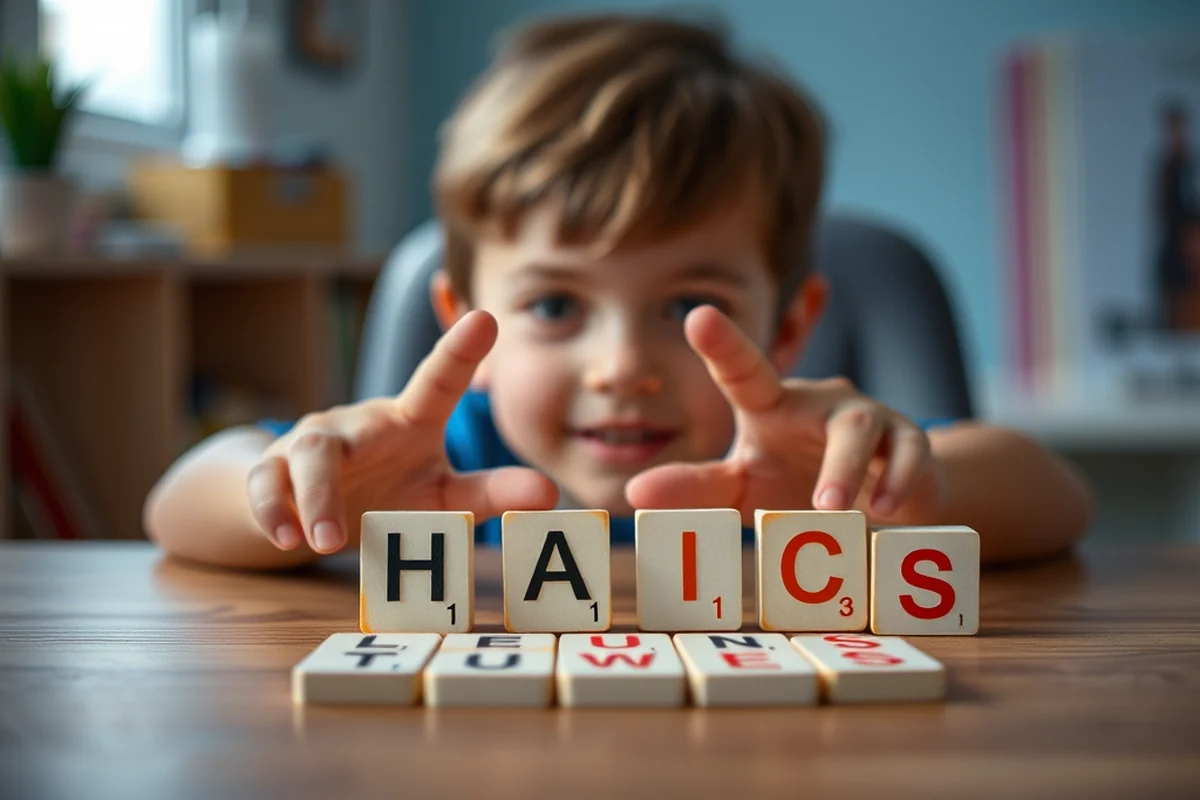
Beyond just being fun, these games are scientifically designed to help children build essential skills. From improving memory and attention span to fostering creativity and problem-solving abilities, the benefits are vast. I noticed my son's concentration improve significantly after just a few weeks of regular play, which was a huge relief for me as a working parent.
These games also help kids develop a sense of perseverance. When my son encountered a particularly challenging puzzle, he didn't give up—he kept trying, just like the characters in the game. That kind of resilience is something that can't be taught in a classroom setting, but it's something these games naturally encourage.
I also noticed how these games helped my son become more confident in his abilities. He started talking about what he learned in the games during school, and his teachers noticed a positive change in his approach to learning. It was like these games were giving him a head start in school, and that made me a proud parent.
Learning through play is the most powerful way to grow.
Related: Zendaya movies and tv shows
How to Choose the Right PBS Kids Game for Your Child
Not all games are the same, so it's important to choose one that aligns with your child's developmental stage and interests. For example, if your child is just learning to read, you might want to focus on games that emphasize phonics and vocabulary. If they're older and working on math skills, you could explore games that involve counting, shapes, or even basic algebra.
I found that the best approach was to let my son choose the games he wanted to play. It gave him a sense of ownership and made him more invested in the learning process. I would also check the game's description to make sure it was appropriate for his age and aligned with the skills I wanted him to develop.
Another tip is to look for games that offer a balance of challenge and fun. If a game is too easy, it won't keep your child engaged. If it's too hard, it might discourage them. Finding that sweet spot is key to ensuring your child gets the most out of the experience.
Always read the game's description to see what skills it targets and how it's designed for different learning styles. This helps ensure it's a good fit for your child.
“I remember the first time my 5-year-old son sat in front of the TV, wide-eyed and completely absorbed by a PBS Kids game.”— Teaching Drama to Kids editors
Related: Best family movies in 2026
How to Incorporate PBS Kids Games into Your Daily Routine
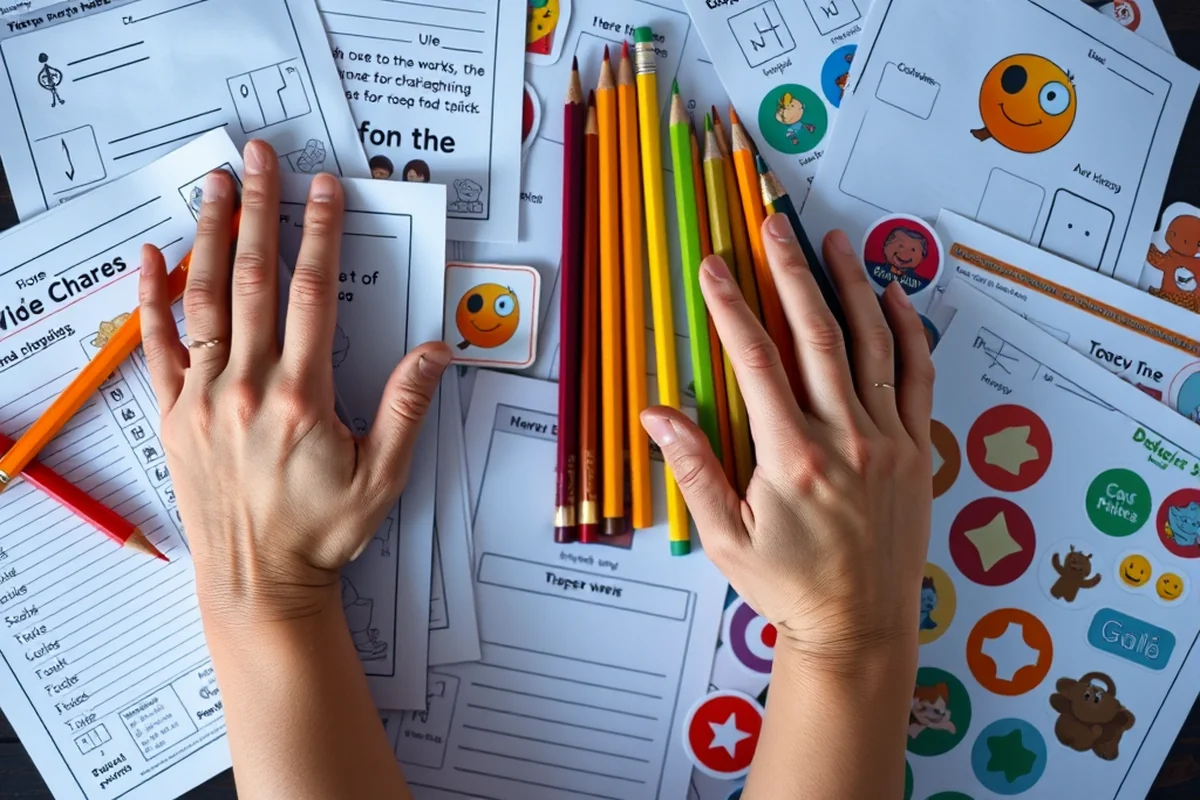
I found that setting aside a specific time each day for educational games helped my son form a habit. Whether it was after breakfast or before bedtime, having a consistent routine made it easier for him to transition into play mode. I also noticed that this regular time helped him look forward to learning and made it feel like a special part of his day.
Another strategy I used was to pair the games with real-life activities. For example, after playing a math game, we would do a quick activity that involved counting or measuring. This helped reinforce the concepts in a practical way and showed my son how learning was connected to everyday life.
I also made sure to involve my son in the process of choosing which games to play. It gave him a sense of autonomy and helped keep him motivated. We would set a goal, like playing two games a day or completing a certain number of levels, and he would work toward it with excitement and determination.
Related: The book for kids
The Role of Parents in Using PBS Kids Games for Kids
While the games are designed to be engaging on their own, having a parent involved can make a significant difference. I found that sitting with my son and watching him play helped me understand what he was learning and how he was progressing. It also gave me the opportunity to ask questions and encourage him to explain what he was doing, which deepened his understanding.
I also made sure to praise my son for his efforts and celebrate his achievements, no matter how small. This positive reinforcement helped build his confidence and made him more willing to take on challenges. I realized that my presence wasn't just about supervision—it was about support and encouragement.
Another important role I played was connecting the games to other aspects of learning. For example, if he was playing a game that involved colors, I would use that as an opportunity to teach him about color mixing or how colors are used in art. This helped create a more holistic learning experience that extended beyond the screen.
Related: Kid friendly movies
How to Stay Engaged as a Parent While Your Child Plays
I used to think that the best way to support my child's learning was to let him play on his own. But I quickly realized that being present and actively involved made a big difference. Whether it was sitting next to him, asking questions, or even playing alongside him, my presence helped him feel more confident and supported.
One of the best ways to stay engaged was to ask open-ended questions about what he was doing. Instead of just saying 'That's a good job,' I would ask things like, 'What did you learn from that game?' or 'How did you figure out the answer?' This helped him think more deeply about what he was doing and made the learning experience more meaningful.
I also made sure to take time to reflect on what he was learning with him. We would talk about the skills he was developing and how they could be used in real life. This helped him see the connection between the games and the world around him, which made the learning more relevant and engaging.
Learning is a shared experience—when parents are involved, it makes all the difference.
Related: Best movies for teens
How to Monitor Your Child's Progress Using PBS Kids Games
I found that keeping a simple journal or log of the games my son played and the skills he was working on helped me track his progress over time. It also allowed me to see which games were most effective for him and which ones needed more attention.
I also made it a point to check in with my son regularly and ask him about what he had learned. This helped me understand his strengths and areas where he needed more support. I would also look at the game's progress reports or achievement systems, which provided valuable insights into his development.
Another way I monitored his progress was by observing how he applied what he had learned in real-life situations. Whether it was counting objects around the house or solving a simple problem, I could see how the games were helping him develop practical skills that extended beyond the screen.
👶 For Younger Kids
Choose games with simple, repetitive actions that help with motor skills and basic concepts like counting or shapes.
👦 For Older Kids
Select games that focus on more complex skills such as reading comprehension, critical thinking, or basic math concepts.
🧩 No-Prep Version
Use games that can be accessed immediately without any additional materials or setup, perfect for busy days or on-the-go learning.
👫 Group Version
Involve multiple children in playing together to encourage teamwork, communication, and social learning skills.
📚 Extension Activity
Pair the games with hands-on activities that reinforce the same concepts, like drawing, building, or role-playing.
| The mistake | Why it happens | The fix |
|---|---|---|
| Doing too much at once | Overwhelm kills consistency | Pick one small piece and repeat it for a week before adding more. |
| Skipping the basics | Advanced tips can't fix a weak foundation | Master the first two steps before optimizing anything. |
Pbs Games For Kids
Common Questions
Are PBS Kids games for kids free to use?
Can these games be used on different devices?
How do I know if a game is appropriate for my child's age?
What if my child gets frustrated with a game?
References
- Early Learning and Educational Technology Policy Brief - ERIC (files.eric.ed.gov)
- Cultural Connections: A framework and resource kit for P-3 learning (nysed.gov)
- Mystery League Learning Resources - Arkansas TV (arkansastv.gov)
Cite this guide
Teaching Drama to Kids (2026). Pbs Games For Kids. https://dramaplayarea.com/pbs-games-for-kids/
Feel free to cite or share this guide.
Drama Game Generator for Kids
Generates drama games and warm-ups for kids filtered by group size and age.
Open it free →