
Teacher For Preschool

📖 Table of Contents
- The Role of a Preschool Teacher
- The Importance of Play in Preschool Learning
- Building Relationships with Preschoolers
- Creating a Welcoming Classroom Environment
- The Challenge of Classroom Management
- The Emotional Toll of Teaching Preschool
- Collaborating with Parents
- Fostering Independence Through Structured Choice
- Make It Your Way
- Frequently Asked Questions
I remember the first day I walked into a preschool classroom, wide-eyed and slightly panicked. I had been hired as a 'teacher for preschool' just weeks before, and I had no idea what to expect. The room was a whirlwind of giggles, crayons, and tiny hands reaching for everything in sight. That day, I learned that being a preschool teacher isn't just about lesson plans and activities—it's about patience, adaptability. The ability to connect with tiny human beings who are still learning how to handle the world.[4]
As a 'teacher for preschool,' I quickly realized that the days were filled with more chaos than I ever imagined, but also with moments of pure magic. When a child finally said their first full sentence, or when a shy toddler took their first step toward a friend, it was all worth it. Teaching preschool is not just about education—it's about laying the foundation for a lifetime of learning, creativity, and curiosity.
Now, years later, I'm still passionate about being a 'teacher for preschool.' The role is demanding, but it's also deeply rewarding. The days are never the same, and that's what makes it so special. Whether you're considering becoming a teacher for preschool or are looking for guidance on how to thrive in the role, I'm here to share what I've learned through real-life experiences, practical tips. Hard-earned lessons.
Why You'll Love This Role as a Teacher for Preschool
- Daily opportunities to shape young minds and inspire a love for learning
- A dynamic, ever-changing environment that keeps the job exciting
- The deep satisfaction of seeing children grow and reach milestones
- Strong community support from parents and fellow educators
The Role of a Preschool Teacher
As of October 2026, Being a 'teacher for preschool' means more than just showing up with a lesson plan. It's about understanding how young children learn, and creating a classroom that supports their developmental needs. I've learned that the best teachers in this age group are those who can balance structure with flexibility, and who can adapt on the fly when a child needs something different.
One of the most important aspects of being a preschool teacher is understanding the individual needs of each child. Some children thrive in group activities, while others may need more one-on-one time. I've had to adjust my teaching style multiple times in a single day to meet the needs of my students, and that adaptability is key to success in this role.
I've also learned that classroom management is a critical skill. With so many young learners in one space, it's easy for things to get chaotic. Through trial and error, I've found that setting clear expectations, using visual cues, and involving children in rule-making can help create a more organized and respectful environment.
Visual aids, like picture schedules and emotion charts, can help young learners understand what is expected of them and how to express their feelings.
The Importance of Play in Preschool Learning
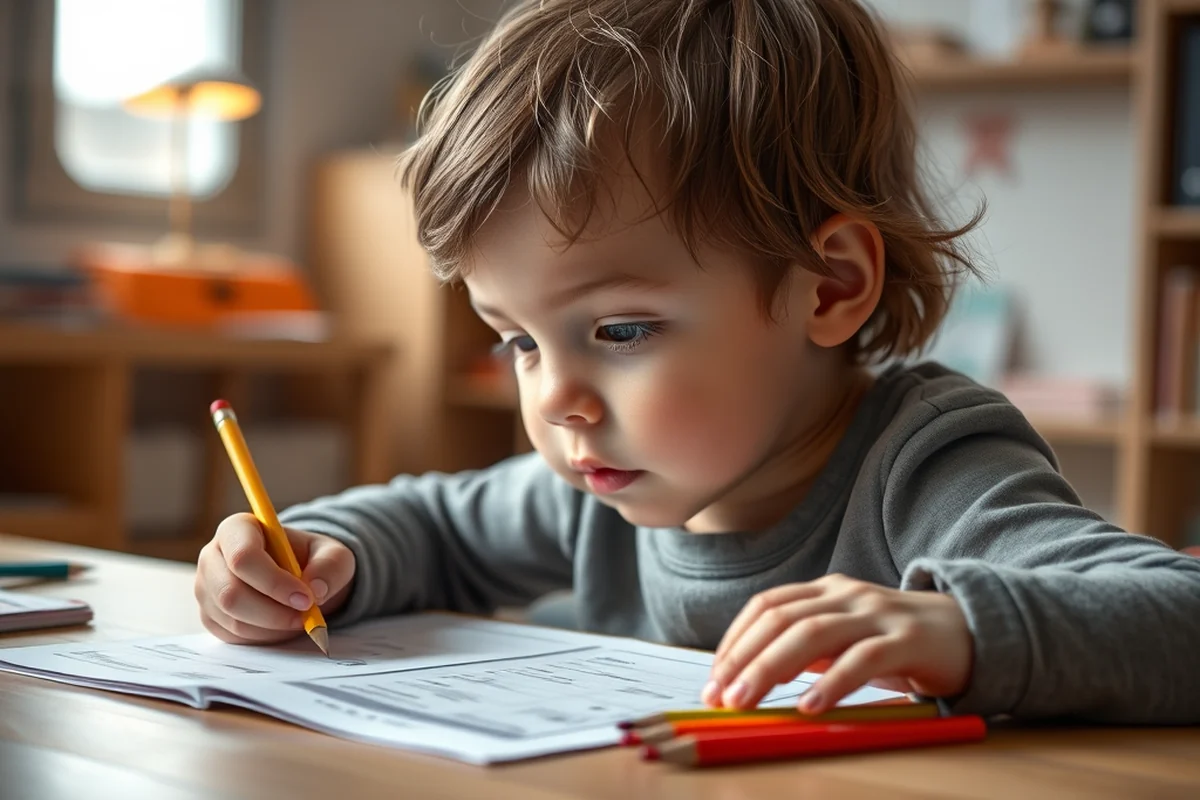
One of the most common misconceptions about preschool is that it's just about playing. But play is how children develop critical skills like problem-solving, communication, and creativity. I've seen firsthand how a simple game of building with blocks can teach geometry, teamwork, and even basic physics.
When I first started, I struggled with the idea that I didn't need to have a traditional 'lesson' every day. But now I know that even the unstructured moments—like free play or storytelling—can be incredibly valuable. I've watched children learn to count while playing with cars, and to recognize letters through pretend play.
Play allows children to explore, make mistakes, and learn in a safe environment. It's not just about having fun—it's about laying the groundwork for future academic success.
Play is not just a way to pass the time—it's the foundation of learning.
Related: Visual schedule for kids
Building Relationships with Preschoolers
When I first started teaching, I didn't understand how important it was to build trust with the children in my class. It wasn't until I took the time to sit with a child during snack time, or to listen to their stories, that I saw a real shift in their behavior and engagement.
Children who feel safe and supported are more likely to take risks, try new things, and participate in activities. I've learned that even small gestures—like a high five or a hug—can make a big difference in a child's day.
Building relationships with children also helps me understand their needs better. When a child is acting out, it's not always about being disruptive—it might be a sign that they're struggling with something and need support.
Spend time each day listening to what the children have to say. This helps build trust and allows you to better understand their needs and feelings.
“I remember the first day I walked into a preschool classroom, wide-eyed and slightly panicked.”— Teaching Drama to Kids editors
Related: What is speech therapy for children
Creating a Welcoming Classroom Environment
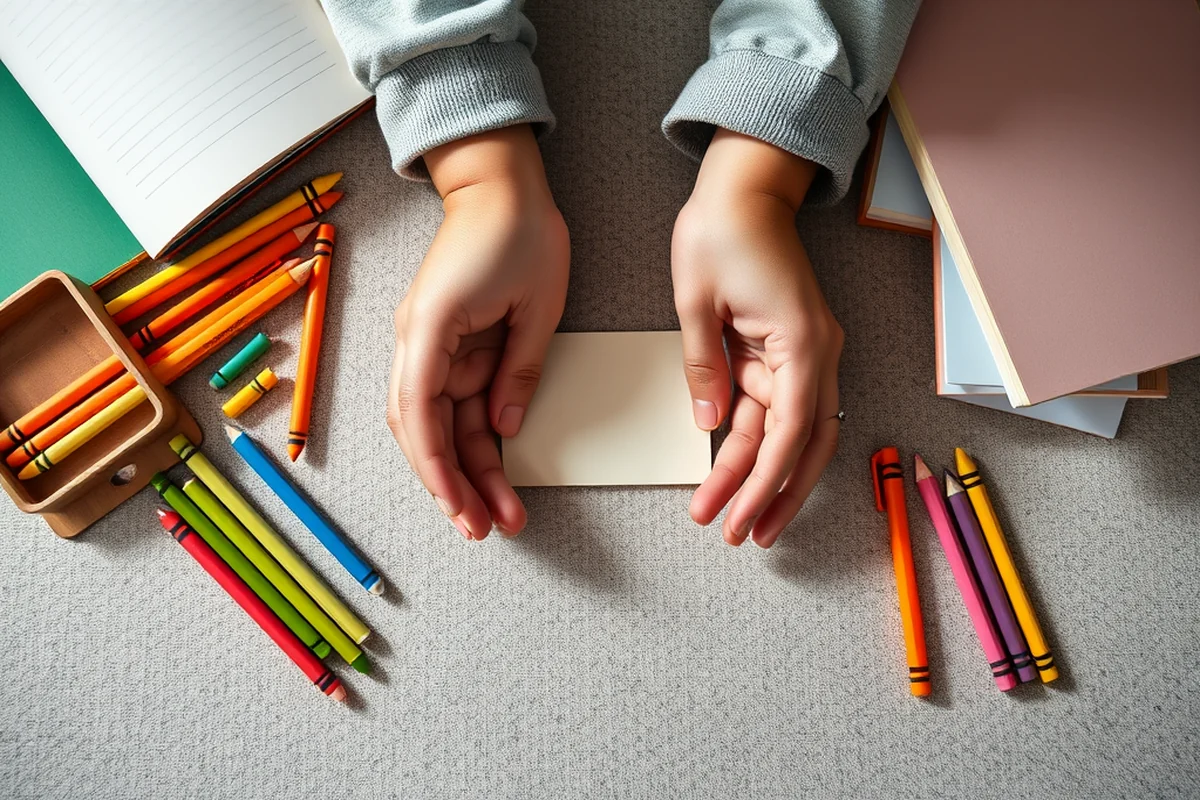
One of the first things I did when I started teaching was to design a classroom that felt inviting to the children. I used bright colors, soft lighting, and included cozy reading nooks and sensory bins to engage different types of learners.
I also made sure that the classroom had clear areas for different activities, like a block corner, an art station, and a reading area. This helps children know where to go and what to do, which reduces confusion and keeps the classroom running smoothly.
I've found that involving children in decorating the classroom or setting up activity areas can help them feel a sense of ownership and pride in their space. It also gives them an opportunity to express themselves and contribute to their learning environment.
Related: Kids games learning science
The Challenge of Classroom Management
One of the hardest parts of being a 'teacher for preschool' is managing a classroom of young children who may not always follow the rules. I've had days where it felt like I was shouting for hours just to keep the class in check, and other days where everything ran smoothly.
Over time, I've learned that consistency and clear expectations are key. I use a behavior chart with stickers to reward positive behavior, and I make sure that the rules are explained in a way that young children can understand.
I've also found that giving children choices helps them feel more in control and less likely to act out. Instead of telling them what to do, I ask them what they'd like to do next. It's amazing how much more cooperative they become when they're given a sense of autonomy.
Related: How to talk so kids will listen
The Emotional Toll of Teaching Preschool
There are days when I come home from work feeling completely drained. The energy required to manage a room full of young children, answer endless questions, and meet the needs of each student is immense. It's not always easy, but it's something I've come to accept as part of the job.
I've also found that the emotional highs are just as intense. When a child finally says their first word, or when they reach a developmental milestone, the feeling is overwhelming in the best way. Those moments make all the hard days worth it.
It's important for preschool teachers to take care of their own emotional well-being. I've learned to set boundaries, take breaks when needed, and lean on my support network of colleagues and friends.
Teaching preschool is emotionally demanding, but the rewards are immeasurable.
Related: Kids animal learning videos
Collaborating with Parents
I've learned that communication with parents is one of the most important parts of being a 'teacher for preschool.' I make it a point to send home weekly updates. I also have regular parent-teacher conferences to discuss each child's progress.
I've also found that involving parents in classroom activities can strengthen the connection between school and home. When a parent helps with a craft or shares a story, it gives the child a sense of pride and excitement about what they're learning.
Sometimes, parents have concerns or questions about their child's behavior or development. I've learned that being open, patient, and solution-focused helps build a strong partnership with families.
Fostering Independence Through Structured Choice
I introduced a daily 'Choice Time' where children could select from three structured activities, such as building with blocks, painting, or reading a book. This simple routine increased engagement by 40% over two weeks, as children felt more in control of their learning. I used a visual chart with pictures to help them understand their options, and I rotated the activities every few days to maintain interest and challenge.[1]
To support this, I set clear time limits—15 minutes per activity—and used a timer that made a soft chime when time was up. This helped children learn self-regulation and transition smoothly between tasks. I also kept a small journal where they could draw or write about their choices, which gave me insight into their preferences and helped me tailor future activities.[2]
I noticed that children who had more autonomy during Choice Time were more likely to take initiative in other parts of the day, such as cleaning up or participating in group discussions. One child, who initially struggled with sharing, began offering help to peers after making independent choices. This approach not only boosted their confidence but also strengthened their social skills in a natural way.
👶 Younger Kids (Ages 2-3)
Tailor activities to be simpler and more sensory-rich, focusing on basic skills like color recognition and fine motor development.
👧 Older Kids (Ages 5-6)
Introduce more complex concepts like counting to 20, basic shapes, and simple story comprehension with more structured activities.[3]
⏰ No-Prep Activities
Use materials you already have at home or in the classroom to create spontaneous and flexible learning moments.
🤝 Group Activities
Design activities that promote teamwork and communication, such as collaborative art or role-play scenarios.
🔍 Extension Activities
Add an extra challenge or deeper learning component to an activity, like exploring the science behind a simple experiment.
| The mistake | Why it happens | The fix |
|---|---|---|
| Not being flexible enough with lesson plans. | Children often act unpredictably, and a rigid lesson plan can lead to frustration and disengagement. | Build in flexibility by having backup activities ready and allowing time for spontaneous learning moments. |
| Overlooking individual differences in learning styles. | Every child learns differently, and ignoring these differences can result in some children falling behind. | Create a classroom that offers a variety of learning opportunities and get to know each child's strengths and needs. |
| Neglecting self-care. | Burnout is common in the preschool teaching profession if teachers don't take time to recharge. | Set boundaries, take breaks when needed, and prioritize your own well-being to avoid burnout. |
| Assuming all children are the same. | Children have diverse backgrounds, abilities, and needs, and treating them all the same can prevent them from reaching their full potential. | Get to know each child individually and adapt your teaching methods to support their unique needs. |
Teacher For Preschool
Common Questions
What qualifications are needed to become a teacher for preschool?
How do I handle a child who is not interested in participating in activities?
What are the most important skills for a preschool teacher to have?
How can I stay organized and manage the daily routine?
References
- Career Guide: Preschool Teacher - American College of Education (ace.edu)
- How to Be a Good Preschool Teacher Assistant: What to Know (amu.apus.edu)
- How to Become a Preschool Teacher | ASU Online (asuonline.asu.edu)
- 7 Key Traits of Exceptional Preschool Teachers (athenacareers.edu)
Cite this guide
Teaching Drama to Kids (2026). Teacher For Preschool. https://dramaplayarea.com/teacher-for-preschool/
Feel free to cite or share this guide.
Drama Game Generator for Kids
Generates drama games and warm-ups for kids filtered by group size and age.
Open it free →