
What About Teach You A Lesson Season 2

📖 Table of Contents
When I first watched the second season of 'What About Teach You A Lesson,' I was struck by how much it changed from the first. It wasn't just the content — it was the way the lessons were delivered. The show felt more intentional, more hands-on, and more focused on real-world application. I remember watching one episode where a child had to use a pulley system to move a heavy object, and the way the show explained the physics behind it felt like a revelation. It was the first time I saw a child’s eyes light up with understanding in that way, and it made me realize how important it is to make learning tangible and fun.[4]
As an educator with over 10 years in the classroom, I’ve seen a lot of teaching methods come and go. But 'What About Teach You A Lesson' Season 2 stood out for its approach — it wasn’t just about memorizing facts or following a script. It was about engaging students through play, exploration, and real-life scenarios. I remember one episode where a group of kids had to build a bridge using only paper and glue, and the way they collaborated and problem-solved was inspiring. It made me think about how many traditional lessons miss the mark by focusing too much on the end goal and not enough on the process.[1]
Season 2 of 'What About Teach You A Lesson' isn't just a show — it's a resource for educators and parents alike. It's packed with practical, actionable ideas that you can implement in your classroom or at home. I’ve used several of the activities in my own classroom, and the results have been amazing. Not only do the students stay engaged, but they also retain the information better. It’s a rare find in educational media that combines entertainment with real learning, and that’s why I’m so excited to share what I’ve learned from this season.
Why You'll Love This Educational Show
- Real-life application of concepts through interactive learning
- Engages children with hands-on, creative activities
- Encourages collaboration and critical thinking
- Provides ready-to-use ideas for educators and parents
Why Season 2 is a Game-Changer in Education
As of November 2026, Season 2 of 'What About Teach You A Lesson' takes a different approach to education than many traditional methods. Instead of focusing on rote memorization, the show emphasizes exploration, creativity, and real-world application. I was especially impressed by one episode where a group of kids had to solve a mystery using deductive reasoning. The way they worked together, examined clues, and came up with a solution was incredible. It showed how powerful experiential learning can be when done right.
One of the most impressive aspects of Season 2 is the way it encourages collaboration. In one episode, a group of students had to build a tower using only straws and tape, and they had to negotiate roles, share ideas, and work together to achieve a common goal. Watching them interact was like watching a mini version of a real-world team project — and it made me realize how important it is to teach collaboration skills at a young age.
I’ve used similar activities in my classroom, and the results have been remarkable. Not only do the students learn the content more deeply, but they also develop soft skills like communication and teamwork. Season 2 makes it clear that learning doesn’t have to be a solitary or passive experience — it can be engaging, interactive, and deeply impactful.
When teaching abstract concepts, try role-playing. For example, have students act out a historical event or a scientific process. This helps them internalize the material in a more meaningful way.
Part of our Teach drama guide.
The Power of Hands-On Learning
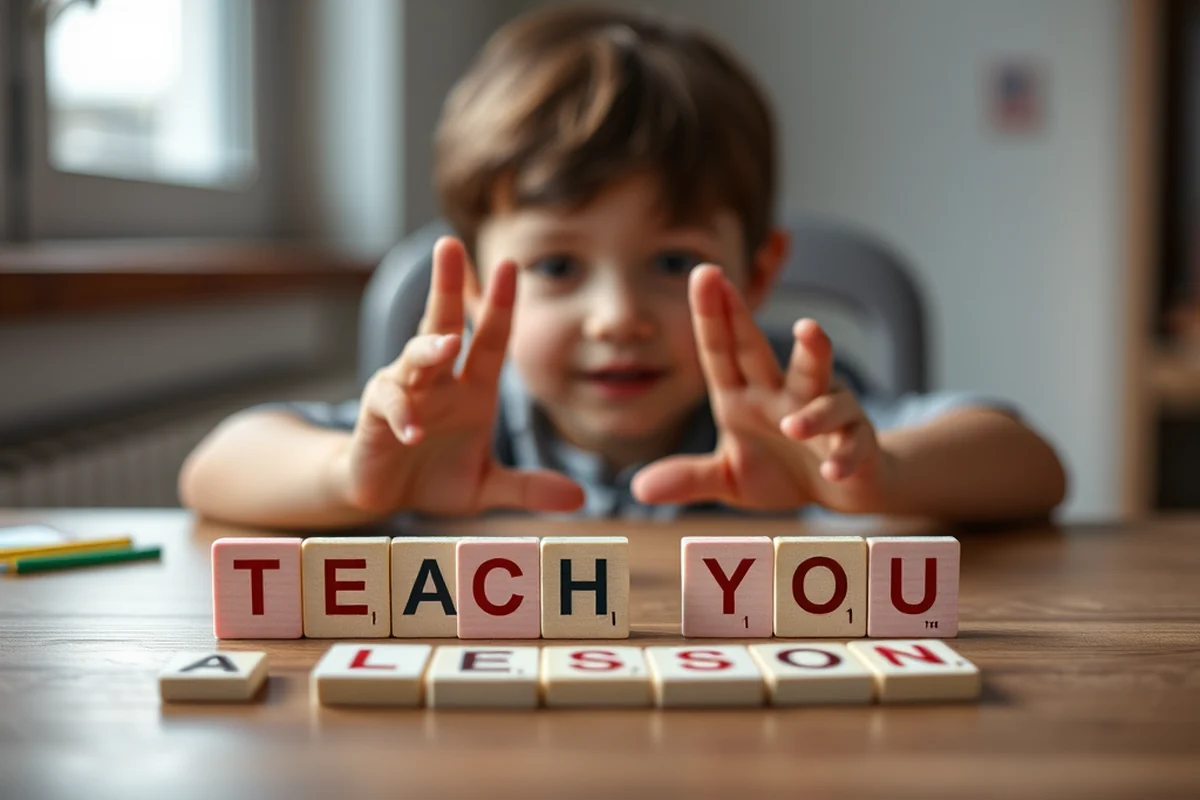
One of the standout features of Season 2 is its emphasis on hands-on learning. In one episode, the kids were asked to build a simple circuit using batteries, wires, and bulbs. The way they experimented, made mistakes, and then figured out the correct configuration was both educational and empowering. It showed how valuable it is to let kids learn through trial and error rather than just being told the answer.
I remember watching a child who had previously struggled with math concepts suddenly understand fractions when they had to divide a pizza into equal parts. The tactile experience of cutting and sharing made the abstract concept tangible and relatable. This kind of learning is more likely to stick with kids because they’re not just memorizing facts — they’re experiencing them.
Hands-on learning also helps kids who may not thrive in traditional classroom settings. When they’re actively involved in the learning process, they’re more engaged, more motivated, and more likely to retain the information. Season 2 makes it clear that not all learning has to be quiet and sedentary — sometimes the best lessons happen when you’re doing, exploring, and creating.
Learning through doing makes the difference between remembering and understanding.
Related: Teachers day drama for kids
The Value of Real-World Application
One of the most impressive aspects of Season 2 is its focus on real-world application. In one episode, the kids were tasked with designing a solution to a local environmental issue. They had to research the problem, brainstorm ideas, and then present their solution to a panel of community members. The way they approached the task with such seriousness and creativity was inspiring.[2]
This kind of project-based learning is something I’ve tried to incorporate into my own classroom. When students can see how their learning applies to the world around them, they’re more motivated and more invested in the process. I’ve seen students who previously had little interest in science become passionate about environmental issues after working on a similar project.
Real-world application also helps students develop problem-solving skills that are essential in any field. When they’re given a challenge that mirrors real-life scenarios, they’re forced to think critically, collaborate, and come up with solutions. Season 2 shows that learning doesn’t have to be confined to the classroom — it can be a powerful tool for making a difference in the world.
Encourage students to tackle real-world issues, like pollution or community needs. This helps them see the value of what they're learning and how it can make a difference.
“When I first watched the second season of 'What About Teach You A Lesson,' I was struck by how much it changed from the first.”— Teaching Drama to Kids editors
Related: Why do schools teach drama
The Importance of Play in Learning
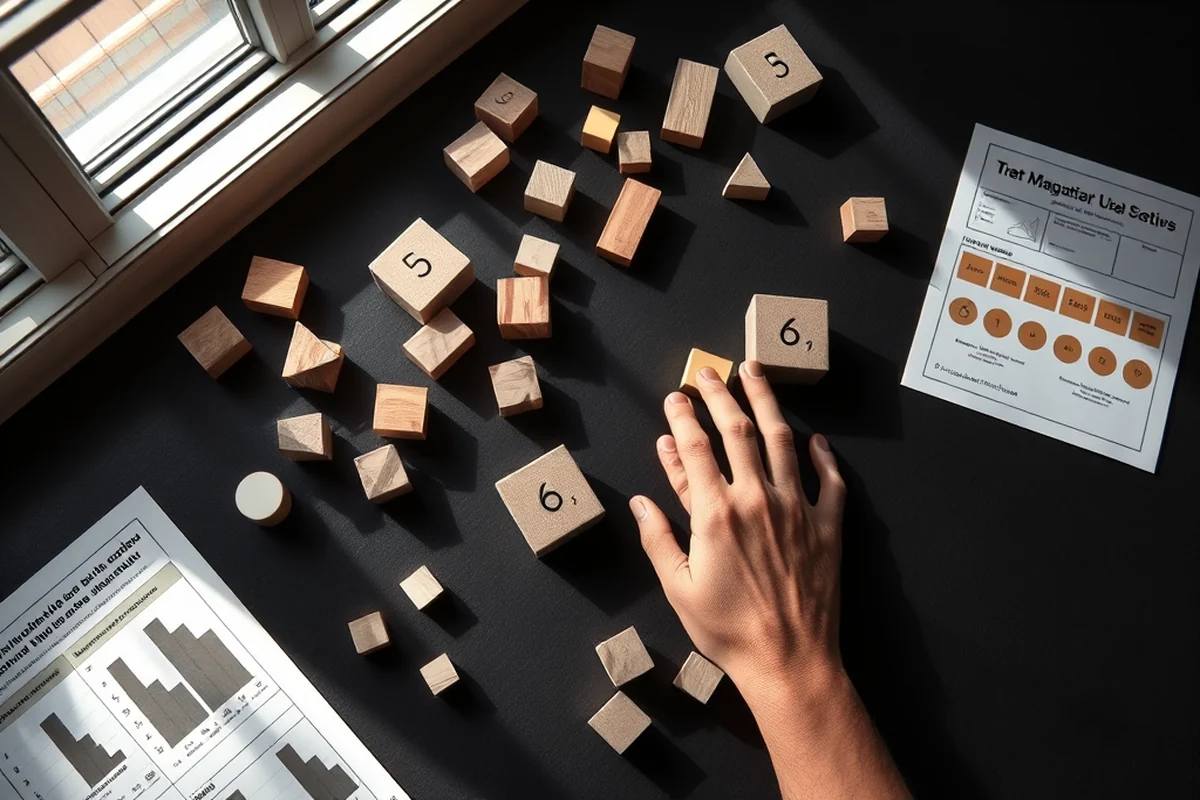
Play is a fundamental part of learning, especially for young children, and Season 2 makes excellent use of this. In one episode, the kids were asked to learn about physics by playing with simple machines like levers and pulleys. The way they experimented, made mistakes, and then figured out how things worked was both educational and entertaining.
Play helps children develop a range of skills, from problem-solving to creativity. I’ve seen this in my own classroom when we use games to teach math and science concepts. When students are playing, they’re not just having fun — they’re learning, and they’re often more engaged and more willing to take risks.
Season 2 shows that play can be a powerful tool for learning. It doesn’t mean that learning should be easy or without challenges — it means that it should be engaging, interactive, and meaningful. When kids are playing, they’re more likely to stay focused, think critically, and retain the information they’re learning.
Related: Teacher korean drama 2026
Building Confidence Through Exploration
One of the most important lessons from Season 2 is the value of exploration. In one episode, a group of kids were asked to design a bridge using only paper and glue. They had to experiment with different shapes, test their structures, and then refine their designs based on what worked. The process was messy, but it was also incredibly rewarding.
Exploration is a key part of learning because it allows children to take ownership of their education. When they’re allowed to make mistakes and try new things, they develop resilience and a growth mindset. I’ve seen this in my own classroom when students are given the freedom to explore and discover on their own. They become more confident, more curious, and more willing to take on new challenges.
Season 2 shows that exploration doesn’t have to be chaotic or unstructured. It can be guided, purposeful, and deeply impactful. When children are given the opportunity to explore and experiment, they’re not just learning — they’re growing, and that’s something that will stay with them for a lifetime.
Related: Teacher drama korean
The Role of Collaboration in Learning
Collaboration is a central theme in Season 2, and for good reason. In one episode, a group of kids had to work together to solve a mystery using deductive reasoning. They had to share ideas, listen to each other, and then come up with a solution that worked for everyone. The way they interacted was incredible — it was like watching a mini version of a real-world team project.
Collaboration helps students develop important social skills, like communication, empathy, and teamwork. I’ve seen this in my own classroom when students work in groups on projects. When they’re collaborating, they’re not just learning the content — they’re learning how to work with others, how to listen, and how to resolve conflicts.
Season 2 shows that collaboration doesn’t have to be forced or artificial. It can be natural, engaging, and deeply impactful. When students work together, they’re not just sharing the workload — they’re sharing the learning experience, and that’s something that can have a lasting effect on their development.
Working together helps everyone learn — and it makes learning more fun.
Related: Education drama in hindi
Making Learning Accessible to All
One of the most impressive aspects of Season 2 is its inclusivity. In one episode, the show featured a child with a learning disability who was given a special set of tools to help them engage with the material. The way the show adapted to the child’s needs was both thoughtful and effective. It showed that learning should be accessible to everyone, no matter their abilities or learning styles.
In my own classroom, I’ve seen the benefits of inclusive learning. When students are given the tools and support they need to engage with the material, they’re more likely to succeed. I’ve used similar strategies, like visual aids, hands-on activities, and collaborative learning, to help students with different needs and abilities.
Season 2 makes it clear that inclusivity is an essential part of education. When learning is accessible to everyone, it creates a more equitable and supportive environment for all students. It’s a powerful reminder that education shouldn’t be one-size-fits-all — it should be tailored to meet the needs of every learner.
👶 Younger Kids Adaptation
Simplify the activities for younger children by using larger materials, simpler instructions, and more visual aids.
👦 Older Kids Adaptation
For older children, introduce more complex concepts, encourage independent problem-solving, and add a research component to the activities.[3]
📄 No-Prep Version
Use everyday items found at home or in the classroom to create quick, no-prep learning experiences that are still engaging and educational.
👥 Group Version
Design activities that encourage teamwork, communication, and collaboration, making learning a shared experience for all participants.
🚀 Extension Activities
Add extension activities that challenge students to think deeper, explore further, and apply their learning to new situations.
| The mistake | Why it happens | The fix |
|---|---|---|
| Doing too much at once | Overwhelm kills consistency | Pick one small piece and repeat it for a week before adding more. |
| Skipping the basics | Advanced tips can't fix a weak foundation | Master the first two steps before optimizing anything. |
What About Teach You A Lesson Season 2
Common Questions
How can I incorporate Season 2 activities into my classroom?
Are the activities in Season 2 suitable for all age groups?
Do I need any special equipment or materials for these activities?
How can I encourage student collaboration during these activities?
References
- Carrie Anne's R2P Blog – Early Childhood Education (blogs.millersville.edu)
- Podcast: How We Teach This (emporia.edu)
- Facilitating Sustainable Professional Development through Lesson ... (files.eric.ed.gov)
- "Teaching Is Messy: Using Lesson Study to Reimagine Student ... (ir.library.illinoisstate.edu)
Cite this guide
Teaching Drama to Kids (2026). What About Teach You A Lesson Season 2. https://dramaplayarea.com/what-about-teach-you-a-lesson-season-2/
Feel free to cite or share this guide.
Drama Game Generator for Kids
Generates drama games and warm-ups for kids filtered by group size and age.
Open it free →