
What Is The Odyssey About For Kids

📖 Table of Contents
- What Is *The Odyssey* About for Kids?
- Connecting Ancient Themes to Modern Learning
- Making *The Odyssey* Come to Life in the Classroom
- Using *The Odyssey* to Teach Critical Thinking
- Encouraging Empathy Through *The Odyssey*
- Bringing *The Odyssey* Home: A Family Activity
- The Power of Storytelling in Education
- Make It Your Way
- Frequently Asked Questions
I still remember the first time I read *The Odyssey* aloud to my students — the way their eyes widened as I described the Sirens. How their hands shot up with questions about Odysseus’s cleverness. It wasn’t just a story to them; it was a map of ancient Greece, a lesson in perseverance, and a window into the world of heroism. For kids, *The Odyssey* is more than just an ancient Greek epic; it’s a journey that mirrors their own challenges, triumphs, and curiosity. Understanding what *The Odyssey* is about for kids means translating ancient myths into modern, relatable experiences, which is exactly what this article is about.[1]
Kids aren’t just passive listeners with stories like *The Odyssey*. I’ve watched them dress up as gods and heroes, create maps of the Mediterranean, and even debate whether Odysseus was a hero or a trickster. These moments reveal how deeply kids can connect with the themes of the epic — loyalty, courage, and the power of home. For educators and parents, it’s crucial to know what *The Odyssey* is about for kids: it’s not just about adventure, but also about learning, growing, and discovering who you are.[2]
What makes *The Odyssey* so compelling for kids is its ability to spark imagination and critical thinking. As a teacher, I’ve seen students engage with the story in ways I never expected — drawing their own versions of the Lotus Eaters, writing letters from Odysseus to his family, or even acting out the scene where he outsmarts the Cyclops. For kids, *The Odyssey* isn’t just an ancient tale; it’s a living, breathing adventure that can be explored in countless ways. Learning what *The Odyssey* is about for kids means unlocking a world of creativity, empathy, and learning that can last a lifetime.[3]
Why You'll Love This Article
- Gain a clear understanding of *The Odyssey* through the eyes of a child
- Learn how to connect ancient themes to modern learning
- Discover creative and educational ways to explore the epic
- Get inspired to bring the journey of Odysseus to life in your classroom or home
What Is *The Odyssey* About for Kids?
As of October 2026, at its core, *The Odyssey* is a story about a man named Odysseus who travels for ten years trying to return home to Ithaca. For kids, this journey is a powerful metaphor for perseverance, problem-solving, and the importance of staying focused on a goal. When I read the story to my students, I always highlight how Odysseus faces obstacles like the Cyclops, the Sirens. The sea monsters — and how he uses his wits to get through each one. These moments teach kids that even the smallest person can overcome huge challenges with courage and clever thinking.[4]
One of the key themes of *The Odyssey* that resonates with kids is the idea of loyalty. Odysseus is loyal to his family, and his crew is loyal to him. I’ve had students act out scenes where Odysseus promises to return home, and how his crew keeps faith in him even when things get tough. This theme helps kids understand the value of trust and commitment, which are important in their own lives. For example, when I asked my students what they’d do if they were stranded on a deserted island, they came up with ideas that mirrored Odysseus’s strategies — like building shelter or finding food.[5]
Another aspect of *The Odyssey* that kids find fascinating is the magical elements — like the Sirens, who lure sailors with their voices, and the Cyclops, who traps Odysseus and his men. These elements spark curiosity and imagination. I’ve created a classroom activity where students draw their own versions of the Sirens or the Lotus Eaters, and then present their artwork to the class. This not only reinforces the story, but also helps kids engage with the ancient world in a creative way.
Connecting Ancient Themes to Modern Learning
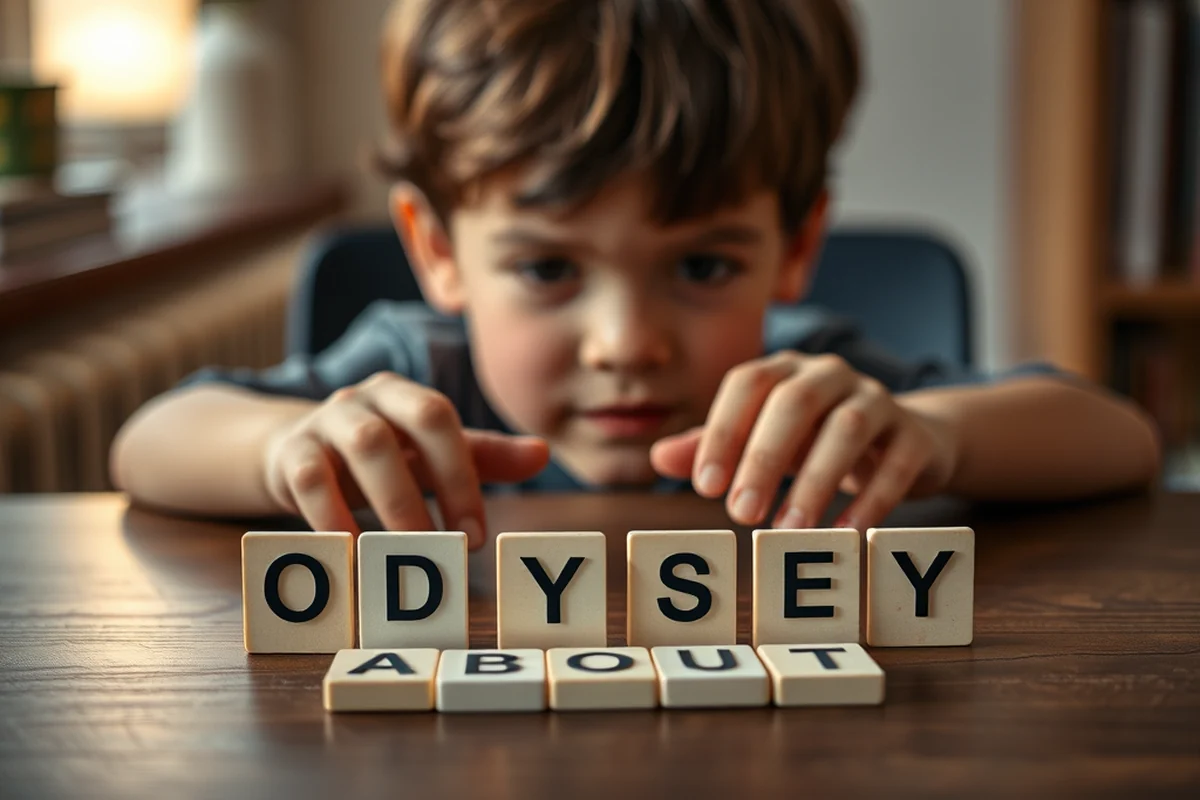
In my classroom, I’ve used *The Odyssey* to teach kids about problem-solving and resilience. For example, when we read about how Odysseus outsmarts the Cyclops, we discuss how he uses his wits instead of brute strength. This helps kids understand that sometimes, the best way to solve a problem is with creativity and clever thinking, not just power. We’ve even had students come up with their own solutions to problems, inspired by Odysseus’s tactics. One student once wrote a story about how she used a similar strategy to get out of a difficult situation at school — and it worked.
Another important theme in *The Odyssey* is the importance of home and family. Odysseus is determined to return to Ithaca, and his journey is driven by his love for his wife and son. I’ve used this theme to help kids reflect on what home means to them — whether it’s their family, their neighborhood, or even a place they love visiting. We’ve had students create maps of their own 'Ithaca' and write about what makes it special. This exercise has helped kids understand the value of home and the importance of family in their lives.
The story of *The Odyssey* also teaches kids about the consequences of their actions. For example, when Odysseus’s men eat the Lotus Eaters’ food and forget about their journey home, it shows how easy it is to lose focus on a goal. In my classroom, we’ve used this part of the story to talk about how important it is to stay on track with our goals. We’ve even had a discussion about how to avoid distractions, like social media or video games, when working on important tasks. This has been a powerful lesson for kids who struggle with focus and staying committed to their goals.
Related: Pediatric speech therapy
Making *The Odyssey* Come to Life in the Classroom
One of the most effective ways to bring *The Odyssey* to life is through role-play. I’ve had my students act out scenes from the epic, and it’s amazing to see how engaged they become. For example, when we read about how Odysseus and his men are trapped in the cave of the Cyclops, we’ve had students act out the scene — with one student playing the Cyclops and others pretending to be Odysseus’s men. This not only helps them understand the story better, but also makes learning fun and interactive. I’ve even had students come up with their own versions of the story, using their own words and ideas.
Another way to bring *The Odyssey* to life is through creative writing. I’ve had students write letters from Odysseus to his wife, Penelope, or from his son, Telemachus, to Odysseus. These letters help kids understand the emotions and thoughts of the characters in the story. For example, one student wrote a letter from Penelope to Odysseus, saying how much she missed him and how she was trying to protect their home while he was away. This exercise helped the student understand the importance of loyalty and love in the story.
I’ve also used visual arts to help kids engage with *The Odyssey*. We’ve created murals of the Mediterranean Sea, with different parts of the journey marked on the map. Students have also drawn their own versions of the Sirens, the Cyclops, and other characters from the story. This not only helps them visualize the story, but also gives them a chance to express their own ideas and interpretations. I’ve had students who were shy in class become more confident when they saw their artwork displayed on the classroom wall — it was a powerful moment for them.
“I still remember the first time I read *The Odyssey* aloud to my students — the way their eyes widened as I described the Sirens…”— Teaching Drama to Kids editors
Related: Children s hour play
Using *The Odyssey* to Teach Critical Thinking
In my classroom, I’ve used *The Odyssey* to teach kids about critical thinking and decision-making. For example, when we read about how Odysseus outsmarts the Cyclops, we discuss what choices he made and why they were effective. This helps kids understand that even in difficult situations, it’s possible to find a solution if you think creatively. We’ve had students analyze the choices Odysseus made and come up with their own ideas for how they would have handled the situation. This exercise helps kids develop their problem-solving skills and learn how to think critically about their own decisions.
Another part of the story that helps teach critical thinking is the scene where Odysseus is shipwrecked on an island and has to figure out how to survive. We’ve had students discuss what they would do in his situation — and why. Some students suggested building shelter, while others thought about finding food or water. This kind of discussion helps kids think about real-life situations and how to solve problems in their own lives. It’s amazing to see how quickly they can come up with solutions, just like Odysseus did in the story.
I’ve also used the story of *The Odyssey* to help kids understand the consequences of their actions. For example, when we read about how Odysseus’s men eat the Lotus Eaters’ food and forget about their journey home, we discuss what happens as a result. This helps kids understand that their choices can have long-term effects, and that it’s important to think about the consequences of their actions. We’ve even had students write about a time when their own choices had an impact on their lives — and how they can learn from those experiences.
Related: The skull kid game
Encouraging Empathy Through *The Odyssey*
One of the most powerful aspects of *The Odyssey* is the way it shows the emotions and struggles of the characters. I’ve used the story to help kids understand the feelings of Odysseus, Penelope, and his son Telemachus. For example, when we read about how Penelope waits for Odysseus for ten years, I’ve had students write about how they would feel if they were in her position. This exercise helps kids empathize with others and understand the importance of patience and love. I’ve even had students create empathy maps of the characters, showing what they think, feel, and do in different parts of the story.
Another way to encourage empathy is by discussing the challenges that Odysseus and his crew face. For example, when we read about how they are trapped in the cave of the Cyclops, we talk about how it must feel to be in a dangerous situation and not know how to escape. This helps kids understand the fears and frustrations that people experience in difficult situations. We’ve even had students create their own stories about being stuck in a difficult situation and how they would feel. This kind of discussion helps kids build emotional intelligence and understand the experiences of others.
I’ve also used the story of *The Odyssey* to help kids understand the emotions of other characters, like the Sirens or the Cyclops. For example, when we read about how the Sirens lure sailors with their voices, we discuss what it might feel like to be a Siren — isolated, lonely, and misunderstood. This helps kids see the world from different perspectives and develop a deeper understanding of others. I’ve had students come up with their own ideas for how the Sirens might have felt, and how they could have been helped. This kind of exercise helps kids develop empathy and compassion in their own lives.
Related: Kids having fun
Bringing *The Odyssey* Home: A Family Activity
One of the easiest ways for families to engage with *The Odyssey* is through a simple at-home activity. For example, parents can read a chapter of the story to their kids and then have them draw a picture of their favorite scene. This helps kids visualize the story and express their thoughts and feelings about it. I’ve had parents tell me that this activity has helped their kids understand the story better and have more meaningful conversations about it. It’s also a great way for families to bond and share a love of storytelling.
Another fun activity is to create a map of Odysseus’s journey. Families can print out a map of the Mediterranean Sea and mark the different places Odysseus visited — like the island of Cyclops, the Sirens, and Ithaca. Kids can then label the map with the events that happened in each location. This activity helps kids learn about geography and history, while also making the story more tangible. I’ve had students who were struggling with reading come to life during this activity — they were excited to learn about the places Odysseus visited and how they were connected to the story.
Families can also have a discussion about the themes of *The Odyssey* and how they apply to real life. For example, they can talk about how Odysseus faced challenges and overcame them, and how the same principles can be applied in everyday situations. This helps kids understand the value of perseverance and problem-solving. I’ve had families tell me that this kind of discussion has helped their kids think more critically and develop a greater appreciation for the story.
The journey of Odysseus is a journey of learning, and it can be a journey that families can take together.
Related: Child s play 2 cast
The Power of Storytelling in Education
Storytelling has been a part of human history for thousands of years, and it’s still one of the most effective ways to teach and learn. I’ve used stories like *The Odyssey* in my classroom to help kids understand complex themes and ideas in a way that’s engaging and fun. For example, when we read about how Odysseus outsmarts the Cyclops, we discuss how he used his wits and courage to solve a problem. This helps kids see that even the smallest person can make a big difference with the right mindset and skills.
In my classroom, storytelling has also helped kids develop their communication skills. When we read aloud from *The Odyssey*, we focus on the tone and rhythm of the language, which helps kids understand how to use their voices to express emotion and meaning. I’ve had students who were shy in class become more confident after participating in storytelling activities. They’ve learned how to speak clearly, use their voices to convey emotion, and engage their classmates in the story.
I’ve also used storytelling to help kids learn about different cultures and perspectives. *The Odyssey* is an ancient Greek story, and it gives kids a glimpse into the world of ancient Greece — its myths, its values, and its way of life. This kind of learning helps kids understand that the past is not just a series of events, but a living, breathing part of our world. I’ve had students who were curious about other cultures become more interested in learning about history and mythology after reading *The Odyssey*. It’s been a powerful way to spark a lifelong love of learning.
📖 Younger Kids: A Storytime Adventure
This version is perfect for younger children who are just beginning to explore storytelling. It includes simplified language, colorful illustrations, and interactive elements like questions and prompts to keep kids engaged.
🧠 Older Kids: A Deep Dive into Themes
This version is designed for older kids and includes more in-depth discussions about the themes of *The Odyssey* and how they relate to real life. It also includes activities that help kids analyze the characters and plot.
🗣️ No-Prep Activity: Just Read and Discuss
This version is ideal for teachers or parents who want to explore *The Odyssey* with minimal preparation. It includes discussion questions, printable worksheets, and easy-to-follow instructions for a quick and engaging activity.
🎭 Group Activity: A Classroom or Family Play
This version is designed for group settings, whether it's in the classroom or at home. It includes role-playing prompts, costumes, and props to help kids bring the story to life in a fun and interactive way.
🎨 Extension Activity: Creative Writing and Art
This version encourages kids to use their creativity to explore *The Odyssey* through writing and art. It includes prompts for creative writing, drawing, and other artistic activities that help kids express their own interpretations of the story.
| The mistake | Why it happens | The fix |
|---|---|---|
| Not connecting the story to real-life experiences. | Kids may struggle to understand the relevance of *The Odyssey* if it’s not connected to their own lives. | Use real-life examples and discuss how the themes of the story apply to the kids’ own experiences. |
| Focusing only on the plot without discussing the themes. | Kids may not understand the deeper meaning of the story if they’re only focused on the events that happen. | Discuss the themes of the story and how they relate to real life, helping kids see the bigger picture. |
| Not allowing kids to express their own interpretations of the story. | Kids may lose interest if they’re only expected to memorize the story without engaging with it creatively. | Encourage kids to express their own interpretations of the story through writing, drawing, and other creative activities. |
| Ignoring the emotional aspects of the story. | Kids may not fully understand the characters or the story if they’re not encouraged to think about their emotions and experiences. | Use discussions and activities that help kids explore the emotions and perspectives of the characters in the story. |
What Is The Odyssey About For Kids
Common Questions
How can I make *The Odyssey* more relatable to my child?
What are some activities that can help kids understand *The Odyssey* better?
How can I use *The Odyssey* to teach my child about problem-solving?
What are some themes in *The Odyssey* that are important for kids to understand?
References
- What to Start: Antiretroviral Regimens for Initial Therapy in Infants ... (clinicalinfo.hiv.gov)
- Introduction: The Power of Stories | Dickinson College Commentaries (dcc.dickinson.edu)
- Homer's Dream Guy: An Exploration of Masculinity and Honor in the ... (digitalcommons.macalester.edu)
- What to Know Before Christopher Nolan Brings 'The Odyssey' to the ... (gc.cuny.edu)
- What to Know Before Seeing Nolan's "The Odyssey" (gsas.harvard.edu)
Cite this guide
Teaching Drama to Kids (2026). What Is The Odyssey About For Kids. https://dramaplayarea.com/what-is-the-odyssey-about-for-kids/
Feel free to cite or share this guide.
Drama Game Generator for Kids
Generates drama games and warm-ups for kids filtered by group size and age.
Open it free →