
Kids Having Fun
📖 Table of Contents
- The Power of Play in Learning
- The Role of Imagination in Learning
- How to Encourage Creativity in the Classroom
- The Importance of Emotional Engagement
- The Benefits of Collaborative Learning
- The Role of the Educator in Facilitating Fun Learning
- Creating a Lasting Impact Through Drama
- Make It Your Way
- Frequently Asked Questions
I remember the first time I saw a group of kids having fun in a classroom — it wasn’t just a blur of laughter; it was a full-blown celebration of curiosity and creativity. Watching them jump into a game of pretend, their faces lit up with wonder, I realized that learning doesn’t have to be a chore. It can be a joyful, immersive experience. When I first started teaching drama to kids, I was struck by how much deeper they engaged when they were having fun. It wasn’t just about entertainment; it was about unlocking potential.[1]
Kids having fun is more than just a catchy phrase — it’s a strategy, a mindset, and a way of life in the classroom. When children are engaged, they’re not just listening; they’re participating, exploring, and connecting with the material on a level that goes beyond textbooks. I’ve seen the magic happen when a lesson becomes a game, when a role-play becomes a journey, and when the classroom turns into a stage where every child feels seen and heard. This is the kind of learning that sticks, that lingers long after the bell rings.[2]
But how do you make learning fun without losing the educational value? That’s where drama comes in. Through storytelling, improvisation, and performance, drama transforms abstract concepts into tangible experiences. It’s not just about entertainment — it’s about engagement, empathy, and growth. I’ve spent years experimenting with different techniques and activities, and I can confidently say that when kids are having fun, they learn better, faster, and more deeply than ever before.[3]
Why You'll Love This Activity
- Encourages creativity and self-expression
- Boosts confidence and social skills
- Makes learning interactive and engaging
- Requires minimal preparation and supplies
The Power of Play in Learning
As of October 2026, when I first started working with preschoolers, I noticed that they learned best through play. Whether it was pretending to be a doctor or building a pretend city, their engagement was unmatched. Play allows kids to explore the world, experiment with ideas, and make sense of complex emotions and concepts. It’s a powerful tool that turns abstract learning into something tangible and relatable.[4]
One of the most effective ways to incorporate play into learning is through drama. Simple activities, like role-playing or storytelling, can transform a classroom into a space of creativity and exploration. I’ve used these techniques in my own classroom and have seen firsthand how they can boost confidence and social skills. The key is to let the kids lead the way — their imagination is limitless.
In one instance, I asked the kids to act out a story we had read earlier in the week. Not only did they remember the plot and characters, but they also added their own twists and ideas. This kind of active participation fosters deeper learning, as they are not just absorbing information — they are creating it.
Encourage children to take the lead in their play and learning. Give them space to explore and express themselves freely.
The Role of Imagination in Learning
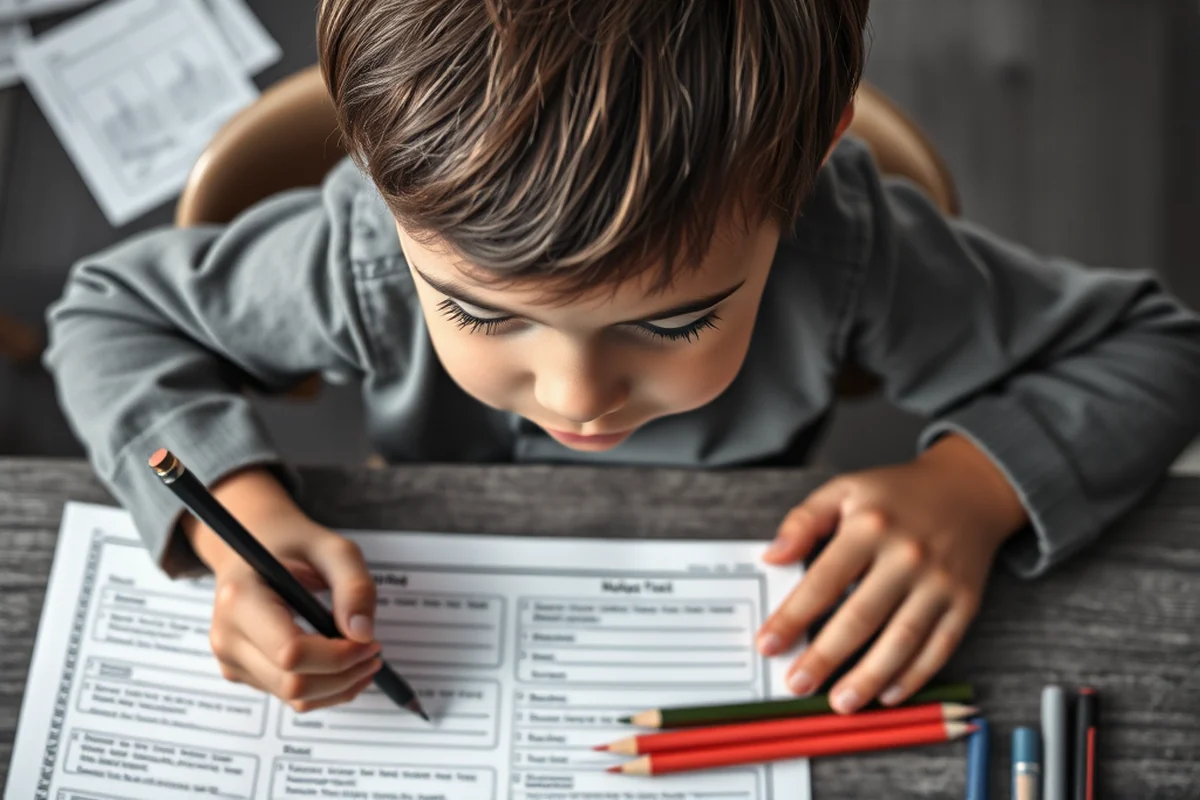
I once had a student who struggled with reading. One day, during a drama activity, she was assigned the role of a character from the book we were studying. Her enthusiasm and engagement with the material were remarkable. She not only understood the plot but also began to see herself as a part of the story.
Imagination helps children make connections between abstract concepts and real-world experiences. It also allows them to explore different perspectives, which is essential for developing empathy and emotional intelligence. When I use drama to teach, I often see students who are shy or hesitant become more confident and expressive.
Imagination doesn’t just help with academic learning — it also supports emotional development. Through role-play and storytelling, children can explore their feelings, practice communication, and build social skills. This is a form of learning that is deeply personal and impactful.
Imagination is the key to unlocking a child’s potential.
Related: Sky children of light
How to Encourage Creativity in the Classroom
Creativity is not something that can be taught directly — it has to be nurtured. I’ve found that the best way to encourage creativity in the classroom is to provide a safe and supportive environment where children feel free to explore and take risks. This means embracing messiness, allowing mistakes, and celebrating original thinking.
Open-ended activities are another great way to foster creativity. Instead of giving kids a set script or a strict set of instructions, I often let them create their own stories, characters, and scenarios. This gives them the freedom to think outside the box and come up with their own unique ideas.
Encouragement from educators is also crucial. When children feel that their ideas are valued and that they are being supported, they are more likely to take creative risks and explore new ways of thinking. This kind of encouragement can have a lasting impact on their confidence and self-esteem.
Don’t be afraid of messiness or unexpected outcomes — they can often lead to the most creative and insightful learning moments.
“I remember the first time I saw a group of kids having fun in a classroom — it wasn’t just a blur of laughter; it…”— Teaching Drama to Kids editors
Related: Diary of the wimpy kid cast
The Importance of Emotional Engagement

I’ve noticed that when students are emotionally engaged in a drama activity, they are more focused, more participative, and more likely to retain what they’ve learned. This is because emotional engagement creates a stronger connection between the learner and the material.
Emotional engagement can be fostered through storytelling, role-play, and other dramatic activities. These techniques allow children to explore emotions, practice empathy, and develop a deeper understanding of the world around them. It’s not just about learning — it’s about feeling.
One of the most powerful lessons I’ve learned is that when children are allowed to express their emotions, they are better able to manage them. Drama provides a safe space for this kind of emotional exploration, which is essential for their development.
Related: What is kids jokes
The Benefits of Collaborative Learning
I’ve always believed that learning is a social process. When children work together, they learn from each other, share ideas, and build stronger relationships. Collaborative learning is especially powerful in drama, where teamwork and communication are essential.
One of the most effective ways to encourage collaboration is through group activities. I’ve used group improvisation and ensemble storytelling, where students work together to create a scene or a story. This kind of activity not only promotes teamwork but also helps students develop their listening and speaking skills.
Collaborative learning also helps children build confidence and self-esteem. When they see that their ideas are valued and that they can contribute to a group effort, they are more likely to take risks and try new things. This is a form of learning that is deeply empowering and impactful.
Related: Is kid n play
The Role of the Educator in Facilitating Fun Learning
As an educator, my job is not just to teach — it’s to create an environment where learning is engaging, meaningful, and fun. This means being a facilitator, a guide, and a supporter of the learning process.
I’ve learned that the most effective educators are those who are able to balance structure with creativity. They provide a framework for learning but also allow space for exploration and self-expression. This kind of balance is essential for fostering both academic and personal growth.
When students feel supported by their educators, they are more likely to take risks, try new things, and engage deeply with the material. This is a powerful way to create a classroom culture where learning is both fun and meaningful.
The best educators don’t just teach — they inspire.
Related: What is kids videos
Creating a Lasting Impact Through Drama
I’ve seen the impact of drama on children’s lives in ways that go far beyond the classroom. It helps them build confidence, develop empathy, and express themselves in meaningful ways. These are skills that stay with them long after the lesson is over.
One of the most rewarding aspects of teaching drama is seeing how it transforms students. I’ve had students who were shy and hesitant become confident and expressive. I’ve seen students who struggled with communication learn to listen and speak with clarity and purpose.
Drama is more than just an activity — it’s a form of learning that has the power to shape a child’s future. When children are given the tools to explore, express, and connect, they are empowered to grow in ways that are both personal and profound.
🎭 Improv Circle for Preschoolers
A quick and easy game for younger children that encourages spontaneous thinking and listening skills.
📖 Storytelling Workshop for Older Kids
A structured activity for older children that helps them develop narrative skills and creativity through collaborative storytelling.
🎭 No-Prep Drama Play
A simple, no-prep activity that uses everyday objects and imagination to create engaging drama experiences.
👥 Group Improv for Team Building
A group-based improv activity that promotes teamwork, communication, and creative problem-solving.
🎭 Drama Extension for Advanced Learners
An advanced activity that challenges older students to explore complex themes and characters through performance.
| The mistake | Why it happens | The fix |
|---|---|---|
| Not allowing enough time for preparation | When activities are rushed, students may not have the time to engage deeply or understand the material fully. | Allow ample time for preparation and setup to ensure that the activity runs smoothly and students are fully engaged. |
| Ignoring student input and ideas | When students feel that their ideas are not valued, they may become disengaged or lose interest in the activity. | Encourage student input and incorporate their ideas into the activity. This helps build a sense of ownership and engagement. |
| Overloading the activity with too many rules or instructions | Too many rules can stifle creativity and make the activity feel more like a test than a game. | Keep the activity simple and flexible, allowing students the freedom to explore and express themselves. |
| Not providing enough support or guidance | When students don’t receive enough support, they may feel lost or unsure of what to do. | Provide clear guidance and support, especially for younger students or those who are new to drama activities. |
Kids Having Fun
Common Questions
How can I incorporate drama into my classroom without a lot of preparation?
What are some benefits of using drama in the classroom?
How can I help shy students participate in drama activities?
Are there any age-appropriate drama activities for younger children?
References
- Kids Links (Fun and Educational) - Student Parent Support Center (childcare.utah.edu)
- The Benefits of Outdoor Play: Why It Matters (chop.edu)
- 10 cool things for kids to do this summer: Tikes (dcr.virginia.gov)
- 35 Activities to Keep Kids Busy While You Work or Study (devry.edu)
Cite this guide
Teaching Drama to Kids (2026). Kids Having Fun. https://dramaplayarea.com/kids-having-fun/
Feel free to cite or share this guide.