
Children'S Hour Play

📖 Table of Contents
- The Power of Unstructured Play
- The Role of Imaginative Play in Language Development
- The Social Benefits of Collaborative Play
- The Emotional Benefits of Play
- How to Create a Play-Friendly Environment
- The Importance of Pretend Play in Early Childhood
- The Role of Adults in Facilitating Play
- Make It Your Way
- Frequently Asked Questions
I remember the first time my six-year-old daughter came home from school with a dramatic story about being a pirate who saved the world. It was clear that her imagination had taken over, and I realized how powerful children's hour play could be. That moment was a turning point for me, and it led me to understand the profound impact that unstructured, imaginative play can have on young minds. Children's hour play is not just about having fun—it's a vital part of development that nurtures creativity, problem-solving, and emotional intelligence.[1]
During those early years, I noticed how much my daughter's language skills, social interactions, and confidence grew when she engaged in imaginative play. It wasn't just about pretending to be a doctor or a teacher; it was about the stories she created, the rules she invented. The way she learned to negotiate and compromise with her siblings. This kind of play is essential, and it's something that we as educators and parents can support in meaningful ways.[2]
Children's hour play is more than just a brief moment of fun. It's a deliberate, structured time where kids can explore, create, and develop skills that will stay with them for life. Whether it's through role-play, storytelling, or collaborative games, the benefits are real and measurable. And as someone who has seen it transform young children in my own home, I believe it's a crucial part of any child's education.[3]
Why You'll Love This Activity
- Encourages creativity and imagination through open-ended exploration
- Supports language and social development through interaction
- Provides a safe space for emotional expression and learning
- Can be adapted for different age groups and learning styles
The Power of Unstructured Play
As of October 2026, Unstructured play is where the magic happens. When children are given the freedom to explore their ideas without strict rules or guidance, they often create the most innovative and imaginative scenarios. I've seen my daughter build entire worlds with just a cardboard box and some blankets, and each time, she comes up with new stories and characters. This kind of play helps them think critically and develop problem-solving skills.[4]
In my experience, unstructured play is more effective than structured activities because it allows kids to take ownership of their learning. They decide what they want to do, how they want to do it, and what they want to create. This autonomy is essential for building confidence and independence in young learners.
One of the most surprising things I've noticed is how unstructured play can improve a child's ability to focus and stay engaged. When they're fully immersed in their own world, they're not just playing—they're learning, creating, and growing.
Allow children to take the lead in their play. This encourages independence and builds confidence.
The Role of Imaginative Play in Language Development
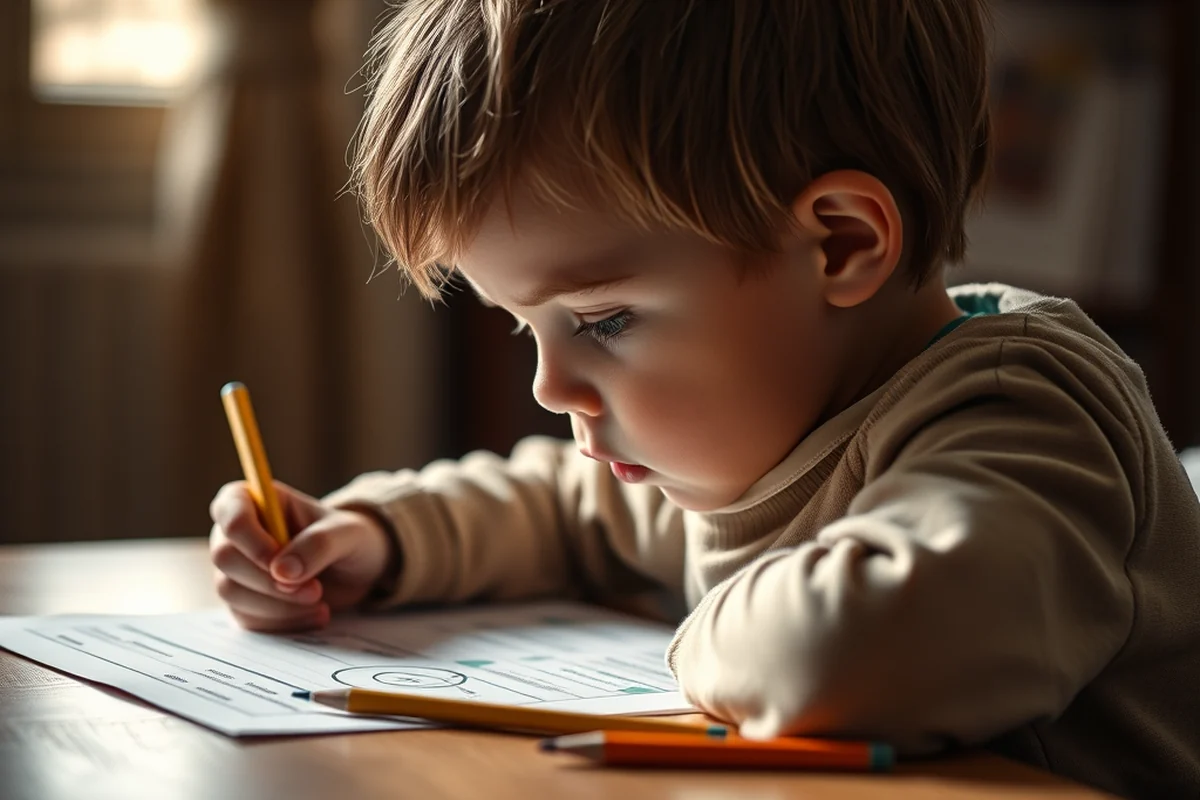
I was amazed to see how quickly my daughter's vocabulary expanded when she was engaged in imaginative play. She started using words like 'nurse,' 'pirate,' 'astronaut,' and even 'archaeologist' as she explored different roles. These words didn't come from a textbook—they came from her imagination and the stories she created.
During play, children often engage in complex conversations, negotiate rules, and even create entire narratives. This kind of interaction helps them develop their language skills in a natural and meaningful way. It's not just about learning new words—it's about learning how to use them effectively in different contexts.
What I've found most impressive is how imaginative play allows children to experiment with language without fear of making mistakes. They can try out new words, use them in different ways, and even create their own language. It's a safe and fun environment for learning.
Imaginative play is the ultimate language lab for young children.
Related: What is kids jokes
The Social Benefits of Collaborative Play
When children engage in collaborative play, they learn how to work together, share, and support each other. I've seen my kids negotiate turns, share toys, and even help each other reach a common goal. It's amazing how quickly they develop empathy and understanding for each other's needs and feelings.
One of the most valuable lessons I've seen in collaborative play is the ability to compromise. When kids are working together on a project, they have to learn how to listen, respect each other's ideas, and find solutions that work for everyone. This is an important life skill that's not always taught in a classroom setting.
Collaborative play also helps children build confidence. When they see that their ideas are valued and that they can contribute meaningfully to a group activity, they become more confident in their abilities. This kind of play is a powerful way to foster teamwork and social development.
Create opportunities for children to work together on projects or games that require collaboration.
“I remember the first time my six-year-old daughter came home from school with a dramatic story about being a pirate who saved the world.”— Teaching Drama to Kids editors
Related: Is kid n play
The Emotional Benefits of Play

I've noticed that during play, children often open up about their feelings in ways they might not do in a structured environment. Whether they're pretending to be a doctor comforting a sick friend or a superhero trying to save the world, they're expressing their emotions in a safe and creative way.
Play allows children to explore their feelings without fear of judgment. They can try out different emotions, experience them fully, and even learn how to manage them. This is a crucial part of emotional development and self-awareness.
One of the most surprising things I've seen is how play helps children process difficult emotions. When they're struggling with something, they often turn to play as a way to work through their feelings. It's a natural and effective coping mechanism that supports their mental health and well-being.
Related: What is kids videos
How to Create a Play-Friendly Environment
Creating a play-friendly environment means providing the right materials, space, and freedom for children to explore. I've found that having open-ended materials like blocks, costumes, and art supplies encourages more imaginative play. These materials allow children to create their own stories and scenarios without being limited by specific instructions.
It's also important to create a space that is safe and inviting. When children feel comfortable and secure, they're more likely to take risks, try new things, and explore their creativity. I've noticed that when my daughter has access to a dedicated play area, she's more engaged and creative in her play.
In my experience, a play-friendly environment is not just about physical space—it's also about giving children the freedom to choose what they want to play with and how they want to play. This autonomy is essential for fostering creativity and independence.
Related: What is highlights for children
The Importance of Pretend Play in Early Childhood
Pretend play is more than just making believe—it's a powerful tool for learning and development. I've seen my daughter use pretend play to practice real-life skills like counting, sharing, and even solving problems. She's learned how to count by pretending to be a baker, and she's practiced sharing by pretending to be a teacher.
One of the most surprising things I've noticed is how pretend play helps children understand the world around them. By pretending to be different people or animals, children learn about different roles, responsibilities, and perspectives. This kind of play helps them develop empathy and understanding for others.
In my experience, pretend play is a natural way for children to learn about cause and effect, problem-solving, and even basic math and science concepts. It's a fun and engaging way for them to explore the world and develop essential skills.
Pretend play is the foundation of learning in early childhood.
Related: The kid detective
The Role of Adults in Facilitating Play
As an adult, I've learned that my role in facilitating play is to observe, support, and encourage without taking over. I've found that when I step back and let the children lead, they often come up with the most creative and imaginative ideas. My job is to provide a safe environment and be available for guidance when needed.
Sometimes, children may need a little help to get started or to keep going. In these moments, I like to ask open-ended questions like 'What do you think will happen next?' or 'How can we solve this problem?' These questions encourage them to think and explore without giving them the answers.
What I've learned is that the best way to support children's play is to be a gentle guide rather than a director. This allows them to take ownership of their learning and develop their own ideas and solutions.
🎭 Pretend Play for Younger Kids
Use simple props and dress-up items to create imaginative scenarios for younger children.
📖 Storytelling Play for Older Kids
Encourage older kids to create and act out their own stories using props and costumes.
🧺 No-Prep Play
Use everyday items like boxes, blankets, and toys to create play spaces with no preparation needed.
🤝 Group Play for Collaboration
Create group activities that require teamwork and collaboration to build social skills.
🧠 Extension Play for Learning
Incorporate learning elements like counting, sorting, or storytelling to enhance educational value.
| The mistake | Why it happens | The fix |
|---|---|---|
| Over-directing the play | Over-directing can stifle creativity and prevent children from taking ownership of their learning. | Let children lead the play and step in only when needed for guidance. |
| Providing too many structured activities | Too many structured activities can limit children's ability to explore and create freely. | Offer a mix of open-ended and structured activities to support different types of learning. |
| Not allowing enough time for play | Short play sessions can prevent children from fully engaging in their play and learning. | Allow longer periods of play to give children time to explore and create. |
| Ignoring the child's interests | Ignoring a child's interests can make them disengaged and less likely to participate in future play. | Pay attention to what interests your child and incorporate those interests into their play. |
Children'S Hour Play
Common Questions
How long should children's hour play last?
What are the best materials for children's hour play?
How can I encourage my child to engage in more imaginative play?
Can children's hour play be used in a classroom setting?
References
- Hellman, Lillian | The Broadcast 41 - University of Oregon (broadcast41.uoregon.edu)
- The Children's Hour - Theatre and Dance (cas.umw.edu)
- The Department of Theatre presents “The Children's Hour” (coaa.charlotte.edu)
- Lillian Hellman and Dashiel Hammett (columbia.edu)
Cite this guide
Teaching Drama to Kids (2026). Children'S Hour Play. https://dramaplayarea.com/children-s-hour-play/
Feel free to cite or share this guide.
Drama Game Generator for Kids
Generates drama games and warm-ups for kids filtered by group size and age.
Open it free →