
The Skull Kid Game

📖 Table of Contents
I remember the first time I played 'The Skull Kid Game' with my students — it was during a chaotic afternoon in a small classroom where energy levels were high and focus was low. I had just watched a video where a teacher used a game to teach emotional regulation, and I was curious to see if it would work for my group of 5-year-olds. The moment we started the game, I saw their eyes light up, their bodies relax, and their attention shift from bouncing off the walls to listening intently. The game, which is a variation of a role-playing activity, quickly became a favorite in our classroom.[1]
What I found fascinating was how quickly the children adapted to the game's rules and how naturally they began to engage in the storytelling elements. The Skull Kid Game is not just about playing — it's about teaching kids how to navigate complex emotions, take turns, and think creatively. It became a go-to activity for emotional learning, and it's something that I now share with other teachers who are looking for engaging and effective ways to teach social-emotional skills.
Since introducing the Skull Kid Game in my classroom, I've seen a noticeable improvement in how my students handle conflicts and express their feelings. I remember one child who used to scream whenever he was upset — now, he uses the game's structure to act out his emotions in a safe and constructive way. The game's impact has been so profound that I decided to create this article to share the full story, the practical steps. The incredible outcomes that have emerged from this simple yet powerful activity.[2]
Why You'll Love This Educational Game
- Encourages emotional intelligence through immersive storytelling
- Promotes social skills and cooperation among students
- Provides a low-cost, no-prep activity that's easy to implement
- Increases student engagement and focus during learning time
What Is The Skull Kid Game?
As of October 2026, the Skull Kid Game is based on a popular children's book and video game character, the Skull Kid, who is known for being mischievous, chaotic, and emotionally volatile. In the game, students take turns portraying the Skull Kid, acting out the character's emotions and behaviors, and then working together to find a solution or a calming approach to resolve the situation.
This activity is particularly effective for children who struggle with expressing their emotions or managing their impulses. It gives them a safe space to explore difficult feelings and learn how to respond in a constructive way. The game also encourages empathy and cooperation as students work together to 'calm' the Skull Kid and help him feel better.
In my classroom, I've used the Skull Kid Game as a way to teach self-regulation during transitions between activities. After playing the game, students have shown a marked improvement in their ability to manage frustration and communicate their feelings more effectively.
Begin the game with a simple prompt like, 'The Skull Kid is feeling very angry and wants to break everything.' This helps students focus and engage right away.
How to Play the Skull Kid Game
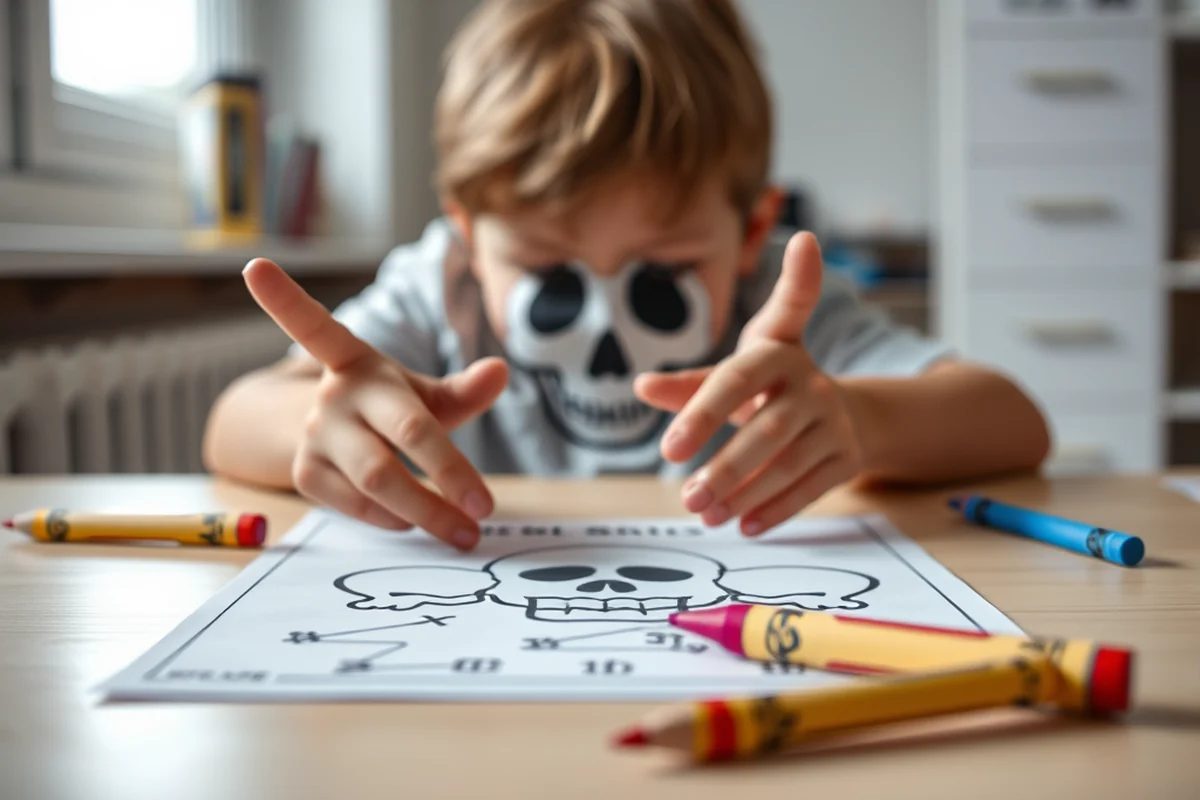
To begin the game, I gather a small group of students and give them a short introduction about the Skull Kid. I explain that the Skull Kid is feeling a certain emotion, and the group's job is to help him feel better. I then assign one child to be the Skull Kid, and the others to be the 'helpers' who support him.
I've found that it's important to keep the game short and focused, especially for younger children. A session of 10-15 minutes is usually enough to see real engagement and learning. After the game, I often ask the children to reflect on what they learned and how they felt during the activity.
Over time, I've noticed that the Skull Kid Game becomes more complex as students grow older. For example, older kids can take turns playing multiple roles, such as the Skull Kid, the helper, and even the narrator who tells the story.
The Skull Kid Game turns emotions into a shared learning experience.
Related: The kid detective
Benefits for Young Children
For children aged 3-6, the Skull Kid Game is a powerful tool for teaching emotional regulation and social skills. Young children often struggle with understanding and expressing their feelings, and this game provides a fun and engaging way to do so. They learn to identify emotions, practice empathy, and work together as a team.
I've seen children who used to throw tantrums or shut down during activities become more self-aware and expressive after playing the Skull Kid Game. The game also helps them practice taking turns, listening to others, and using words to express their needs.
One of the most rewarding aspects of the game is how it helps children feel understood and supported. When I see a child who was previously struggling to communicate suddenly say, 'I feel sad, but I know how to calm down,' I know the game is working.
Use emotion cards or visual charts that show different facial expressions to help children identify and express their emotions more easily.
“I remember the first time I played 'The Skull Kid Game' with my students — it was during a chaotic afternoon in a small classroom…”— Teaching Drama to Kids editors
Related: What is the game kids about
Adapting the Game for Different Ages

For older children, such as those in elementary school, the Skull Kid Game can be used to teach more complex concepts, such as problem-solving, conflict resolution, and even storytelling. Older kids can take turns writing their own scenarios or creating new roles for the game.
I've also found that older children enjoy taking on the role of the 'Skull Kid' for longer periods of time, which allows them to explore more nuanced emotions and practice deeper self-reflection. The game can be extended to include role-playing, group discussions, or even written reflections after the activity.
For younger children, the game is simpler, with shorter sessions and more visual support. I often use props, such as emotion cards or soft toys, to help them understand and express their feelings more clearly.
Related: Dolly parton children
Creating a Safe and Supportive Environment
I've learned that the success of the Skull Kid Game depends heavily on how the environment is set up. The classroom should be a place where children feel safe to express their emotions without fear of judgment. This means creating a space where all voices are heard and where mistakes are seen as part of the learning process.
I often start the game by talking to the children about how it's okay to feel angry, sad, or frustrated — and that the game is a way to explore those feelings in a healthy way. This helps them feel more comfortable and supported during the activity.
I also make sure to be present throughout the game, offering guidance and support when needed. My role is to help the children navigate their emotions and ensure that the game remains a positive and constructive experience for everyone involved.
Related: What is kids in the game
Encouraging Reflection and Discussion
I've found that one of the most powerful aspects of the Skull Kid Game is the opportunity it provides for reflection and discussion. After the game, I often ask the children to share what they learned, how they felt, and what they would do differently next time.
These discussions help students process their emotions and understand the impact of their actions on others. They also provide a space for the children to express their thoughts and feelings in a structured and supportive way.
I've noticed that children who participate in these reflections are more likely to apply what they've learned in their daily lives. They begin to use the skills they've practiced in the game to manage their emotions and interact with others more effectively.
Reflection turns play into powerful learning.
Related: The kid detective cast
Making the Game Part of the Classroom Routine
I've made the Skull Kid Game a regular part of our classroom routine, and I've seen the benefits of doing so. By repeating the game on a regular basis, students become more familiar with the structure and the expectations, which helps them engage more deeply and learn more effectively.
I also use the game as a way to address specific emotional challenges that are happening in the classroom. For example, if there is a conflict between students, I might use the Skull Kid Game as a way to explore the emotions involved and find a solution together.
Over time, the Skull Kid Game has become more than just a fun activity — it's become a valuable tool for teaching emotional regulation and social skills. It's a part of our classroom culture, and the children look forward to playing it every week.
🎭 Younger Kids Version
A simplified version of the game that uses visual aids and short scenarios to help younger children express emotions.
✍️ Older Kids Version
A more complex version of the game that includes writing, role-playing, and group discussions for older children.
📚 No-Prep Version
A quick, no-prep version of the game that uses books or stories to inspire the scenarios and activities.
👥 Group Version
A larger group version of the game that encourages collaboration and teamwork among students.
🧠 Extension Version
An extended version of the game that includes reflection, discussion, and creative writing activities to deepen the learning experience.
| The mistake | Why it happens | The fix |
|---|---|---|
| Trying to force participation from children who are uncomfortable | This can make the child feel unsafe or anxious, which can reduce the effectiveness of the game and create a negative experience. | Respect the child's feelings and provide alternative ways for them to engage with the game, such as being the narrator or helping to set up the activity. |
| Not allowing enough time for reflection after the game | Reflection is a key part of the game, and without it, the learning experience may be shallow or incomplete. | Set aside 5-10 minutes after the game for discussion and reflection, and use open-ended questions to encourage the children to think about what they learned. |
| Using too many complex scenarios for younger children | Younger children may not be able to process complex emotions or scenarios, which can make the game confusing or overwhelming. | Use simple, clear scenarios and provide plenty of visual support and guidance to help younger children understand and engage with the game. |
| Not adapting the game for different age groups | Failing to adapt the game can make it less effective or even unengaging for some children. | Adjust the game's complexity, duration, and structure based on the age and developmental level of the children playing. |
The Skull Kid Game
Common Questions
Can the Skull Kid Game be used for children with special needs?
How long does a typical game session last?
What materials are needed to play the Skull Kid Game?
Can the game be played in a large group setting?
References
- Skeleton Anatomy Viewer Game - Ask A Biologist (askabiologist.asu.edu)
- Complete Classroom for - children.alabama.gov (children.alabama.gov)
Cite this guide
Teaching Drama to Kids (2026). The Skull Kid Game. https://dramaplayarea.com/the-skull-kid-game/
Feel free to cite or share this guide.
Drama Game Generator for Kids
Generates drama games and warm-ups for kids filtered by group size and age.
Open it free →