
What Is The Children'S Train Movie About

📖 Table of Contents
I remember the first time I watched 'The Children's Train' with my six-year-old niece. It was a rainy afternoon, and the flickering screen cast shadows on the walls of our tiny living room. We were both mesmerized by the vivid colors and the gentle rhythm of the story. As a teacher, I was struck by how seamlessly the film blended storytelling with educational elements, making it feel like a natural extension of learning without any of the usual pressure. The movie wasn’t just a story—it was a lesson in resilience, curiosity, and the power of imagination.
What is 'The Children's Train' about? That’s the question that came up in my classroom the next day. After the film, my students were buzzing with questions. Some were confused by the train’s magical aspects, while others wanted to know why the characters made certain choices. The film’s blend of whimsy and real-life challenges made it a perfect springboard for deeper discussions. I realized that this wasn’t just a movie—it was a tool for teaching empathy, problem-solving, and even basic geography, all wrapped in a simple, charming narrative.[1]
Over the next few weeks, I experimented with using the film in different ways. Sometimes, I had my students draw scenes from the movie; other times, we acted out parts of the story. The most powerful moment came when a student who rarely participated in class stood up and shared how the movie had helped them feel less scared about a new school. That’s the magic of 'The Children's Train'—it doesn’t just entertain; it connects, challenges, and inspires young minds in ways that are both subtle and profound.
Why You'll Love This Educational Experience
- Encourages emotional intelligence through relatable characters and situations.
- Promotes collaborative learning through group discussions and creative activities.
- Stimulates imagination and creativity with visually rich scenes and open-ended narratives.
- Provides opportunities for critical thinking and problem-solving through the characters' journeys.
What is 'The Children's Train' about?
As of November 2026, at its core, 'The Children's Train' is a journey of discovery, both literal and metaphorical. The train is a symbol of adventure, but also of learning. Each stop along the way presents new challenges and lessons that the children must navigate. For example, one scene shows the characters solving a puzzle that requires them to work together, emphasizing the value of collaboration.
The story is intentionally designed to be open-ended, allowing viewers to draw their own conclusions. This approach not only keeps the film engaging but also makes it a versatile teaching tool. Teachers can guide discussions based on the characters' choices, encouraging students to think critically about their own decisions.
One of the film's most striking features is its attention to emotional depth. The characters are not perfect—they make mistakes, feel scared, and sometimes lose their way. These moments are crucial for young viewers, as they help normalize the process of learning and growing.
After watching the film, encourage students to draw a scene from the movie that resonated with them. This helps them process emotions and build narrative skills.
Part of our Kids in cheaper by the dozen guide.
How the Film Encourages Emotional Intelligence
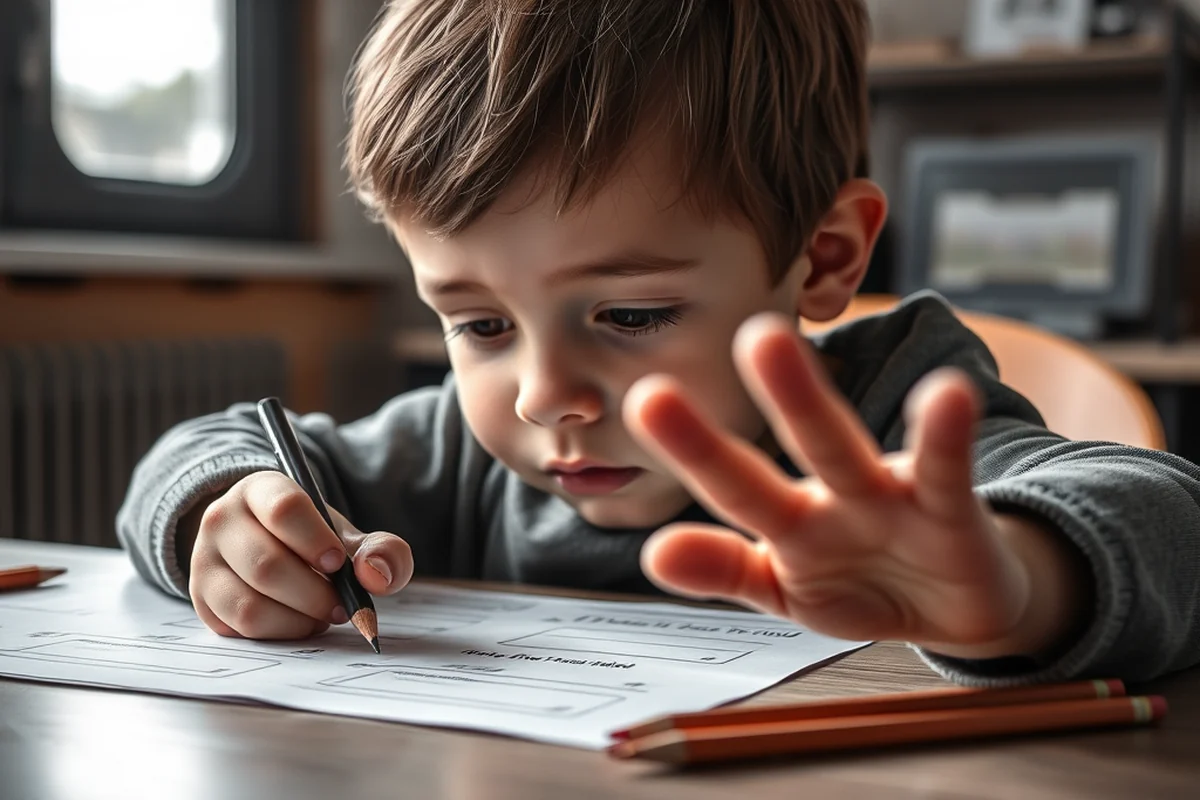
One of the most powerful aspects of 'The Children's Train' is its portrayal of emotions. Characters experience joy, fear, and frustration, and the film shows them working through these feelings in a way that’s both realistic and hopeful. This helps young viewers understand that it’s okay to feel a range of emotions and that they’re not alone in experiencing them.
For instance, in one scene, a character named Lila is scared to ride the train because of a fear of heights. The other characters support her, and she gradually overcomes her fear. This sequence models the importance of encouragement, patience, and perseverance. Teachers can use this moment to guide discussions about how to support friends who are afraid.
I’ve found that students often relate most to these emotional moments. After watching the film, I’ve seen students express feelings they previously kept hidden, leading to deeper conversations about empathy and understanding.
Emotions are not obstacles—they are part of the journey.
Related: Schoolhouse rock episodes
The Role of Collaboration in the Film
Throughout the film, the characters face challenges that are too big for any one person to handle alone. Whether it’s solving a puzzle or navigating a difficult track, the children must work together. This emphasizes the value of teamwork and shows that everyone’s contributions matter.
In one particularly memorable scene, the group must cross a bridge that collapses unless each child holds up a piece of it. This moment is a powerful metaphor for the importance of unity and trust. I’ve used this scene in class to teach students about the value of listening to each other and sharing responsibilities.
This theme is especially valuable in today’s classrooms, where collaboration and communication are key skills. By watching the film, students can see how working together can lead to success and how each person has a unique role to play.
After watching the film, have students sit in a circle and share one thing they learned about teamwork. This fosters discussion and helps students internalize the lesson.
“I remember the first time I watched 'The Children's Train' with my six-year-old niece.”— Teaching Drama to Kids editors
Related: Fountain of youth
The Film’s Use of Imagination

Imagination is at the heart of 'The Children's Train.' The train itself is a magical creation, and the journey it takes the children on is filled with fantastical elements. This not only makes the film entertaining but also helps students see the power of creative thinking.
In one scene, the characters use their imaginations to build a bridge out of blocks, demonstrating how creativity can be a practical solution to a problem. This is a valuable lesson for young learners, as it shows that imagination isn’t just for play—it can be a real-life tool for innovation.
I’ve noticed that students who struggle with traditional learning methods often shine in creative activities inspired by the film. For example, one student who rarely participated in class created an entire imaginary world based on the movie, showing a newfound confidence and curiosity.
Related: What is children of the corn movie about
The Educational Value of the Film
'The Children's Train' is more than just a story—it’s a learning experience. The film subtly teaches important life skills such as problem-solving, empathy, and communication. These lessons are embedded in the narrative, making them easy for young viewers to absorb.
For example, when the characters face a difficult challenge, they don’t just solve it—they discuss it, listen to each other, and make decisions together. This models effective communication and decision-making skills that are essential in both school and life.
I’ve used the film to teach students about conflict resolution, as well as the importance of staying calm under pressure. One student even told me that the film helped her understand how to handle disagreements with her friends, showing the real-world impact of the story.
Related: Little house on the prairie
The Film’s Impact on Young Learners
I’ve seen the effects of 'The Children's Train' in my classroom long after the film has ended. Students often bring up scenes from the movie in discussions or create their own stories inspired by the characters. This shows that the film has a lasting influence on young minds.
One student who was shy and quiet became more confident after the film, especially after drawing scenes from the movie. He later told me that the film made him feel like he could create his own adventures, which sparked a love for storytelling and art.
This kind of impact is rare in educational media. The film doesn’t just inform—it ignites curiosity and encourages students to explore their own potential.
A spark of imagination can change a child’s world.
Related: Trailer park boys
The Film’s Role in Promoting Resilience
Resilience is a key theme in 'The Children's Train.' The characters face setbacks, but they don’t give up—they try again, learn from their mistakes, and keep moving forward. This is a powerful message for young learners who are still developing their confidence and perseverance.
In one scene, the characters fail to solve a puzzle at first, but instead of giving up, they take a step back, reassess their approach, and try again. This models the importance of persistence and shows that failure is a natural part of learning.
I’ve used this scene in class to teach students about the value of resilience. One student even told me that the film helped her feel more comfortable with making mistakes, which has positively impacted her learning.
🧸 Younger Kids Adaptation
Tailor the film to younger children by focusing on simple themes like friendship and sharing, using visual prompts to guide discussions.
🧓 Older Kids Adaptation
Use the film to delve into more complex themes like leadership and conflict resolution, encouraging critical thinking and group projects.
🧼 No-Prep Version
Watch the film and discuss key moments in real time, using open-ended questions to spark spontaneous learning.
👥 Group Version
Use the film as a springboard for collaborative activities, such as group storytelling or creative problem-solving exercises.
📚 Extension Version
Expand learning by incorporating follow-up activities, such as writing a story or creating a map of the train’s journey.
| The mistake | Why it happens | The fix |
|---|---|---|
| Trying to cover too many themes at once. | This can overwhelm students and make the learning experience less effective. | Focus on one or two key themes each time you use the film, allowing students to explore them in depth. |
| Not giving students enough time to process the film’s content. | This can lead to shallow understanding and missed opportunities for meaningful discussion. | Allow time for reflection and discussion after watching the film, encouraging students to share their thoughts and feelings. |
| Ignoring the emotional impact of the film. | This can cause students to miss important lessons about empathy and emotional intelligence. | Acknowledge and validate students' emotions, using the film as a tool to explore feelings and how to manage them. |
| Failing to connect the film to real-life situations. | This can make the learning experience feel disconnected and less relevant to students. | Use the film to draw parallels between the characters' experiences and students' own lives, helping them see the value of the lessons. |
What Is The Children'S Train Movie About
Common Questions
How can I use 'The Children's Train' in my classroom?
What age group is the film best suited for?
Can the film be used for older children as well?
What are some discussion questions I can ask after watching the film?
References
Cite this guide
Teaching Drama to Kids (2026). What Is The Children'S Train Movie About. https://dramaplayarea.com/what-is-the-children-s-train-movie-about/
Feel free to cite or share this guide.
Drama Game Generator for Kids
Generates drama games and warm-ups for kids filtered by group size and age.
Open it free →