
Little House On The Prairie
📖 Table of Contents
- Why *Little House on the Prairie* Works in the Classroom
- Building a Miniature Prairie House
- Exploring Life on the Prairie Through Sensory Experiences
- Creating a Prairie Journal
- Learning About Prairie Life Through Games and Challenges
- Using Music and Art to Bring the Prairie to Life
- Encouraging Reflection and Discussion
- Make It Your Way
- Frequently Asked Questions
There’s something about the quiet charm of a prairie house that feels like stepping into another time — the scent of fresh wood, the rhythm of chores, the warmth of a fire. As a teacher, I’ve always found that stories like *Little House on the Prairie* have a unique way of bringing history and life to the classroom. When I first introduced a project inspired by the book to my students, the room filled with the sound of shovels in dirt and the laughter of children building a tiny log cabin from sticks and leaves. It was one of those moments that made me realize how powerful hands-on learning can be, especially when rooted in a story that’s both historical and heartwarming.[2]
I remember one student, a quiet boy named Ethan, who had never spoken much in class. During our *Little House on the Prairie* unit, he took charge of building a small fence with twine and sticks. Watching him lead the group, I saw the spark of confidence in him that had been hidden under layers of shyness. It wasn’t just the story that brought us together — it was the way we could see ourselves in the characters, and the way the classroom became a living version of their world.[3]
The key to using *Little House on the Prairie* as an educational tool is not just the story itself, but the way it opens doors to creativity, empathy, and learning through doing. Whether you’re teaching history, language arts, or even science, this book offers a window into the past that can be brought to life in the present with the right activities and approach.[4]
Why You'll Love This Activity
- Encourages hands-on, immersive learning
- Fosters creativity and problem-solving skills
- Builds empathy and historical understanding
- Requires minimal materials and is easy to adapt
Why *Little House on the Prairie* Works in the Classroom
As of September 2026, the *Little House on the Prairie* series is more than just a story — it's a living history lesson. The Ingalls family's journey through the American frontier provides a rich backdrop for teaching about pioneer life, resourcefulness, and the challenges of survival in a harsh environment. I’ve used these stories to spark discussions about what it means to be resilient, and how people adapted to their surroundings with limited tools and resources.
One of the most valuable aspects of the book is how it makes history feel personal. My students were able to imagine what it was like to live in a sod house, to walk miles to fetch water, or to sew clothes from scraps. These are not just facts — they're experiences that can be brought to life in the classroom through simple but impactful activities.
When paired with hands-on projects, the book becomes a bridge between the past and present. I’ve seen students who were once disengaged become completely immersed in the story, taking on roles like 'Ma' or 'Pa' and using that as a springboard for learning about responsibility, teamwork. The importance of family.
Assign students to different characters from the book and have them act out scenes or create dialogues based on the story. This helps them internalize the themes and connect emotionally to the material.
Part of our Kids in cheaper by the dozen guide.
Building a Miniature Prairie House
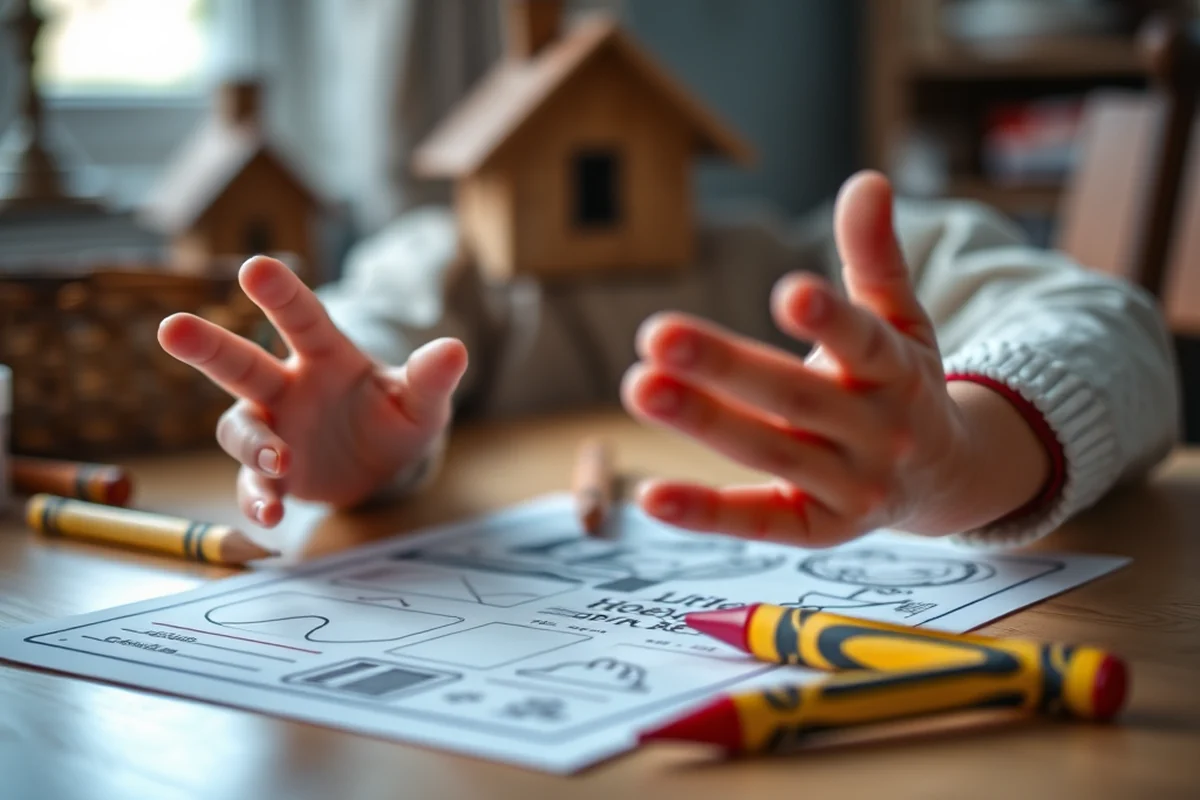
I once led a project where students used sticks, leaves, twine, and cardboard to build miniature prairie houses. It was incredible to see the level of detail they added — some even used dried flowers as 'windows' and sticks as 'roofs'. The activity was not only fun, but it also gave them a chance to think about how early settlers used what was available in their environment.
One student, who had struggled with fine motor skills, found her confidence when she was able to tie twine and hold up a cardboard 'doorframe'. The physical act of building something with her hands gave her a sense of accomplishment that she hadn’t had before in class.
This project also provided a great opportunity to teach about materials and sustainability. We discussed how the Ingalls used sod, wood, and other natural elements to build their homes — and how we can apply those principles today by being mindful of the resources we use.
Building is thinking. And thinking is learning.
Related: Valley youth house
Related: Trailer park boys
Exploring Life on the Prairie Through Sensory Experiences
I filled a large bin with sand, twigs, pebbles, and dried grasses to create a sensory table that mimicked the prairie environment. Students would dig through the materials to find 'hidden treasures' — like a small tin can with a 'letter' from 'Ma' or 'Pa' inside. This was a hit with my younger students and sparked a lot of curiosity about life on the prairie.
Another time, I used scented oils to create the smell of a prairie house — pine, wood smoke, and hay. Students closed their eyes and described what they could imagine seeing and feeling. This activity helped them connect with the story on a deeper level, even if they couldn’t read the book yet.
I also made a simple 'prairie' blanket from burlap and filled it with dried leaves and twigs. Students could lie on it and imagine being under the open sky, listening to the wind and the sound of birds. It was a way to bring the prairie to the classroom and make the experience more immersive.
Create a multi-sensory experience by incorporating touch, smell, sound, and even taste (like a simple 'prairie meal' made from dried fruit and nuts). This helps students form stronger mental connections to the material.
“There’s something about the quiet charm of a prairie house that feels like stepping into another time — the scent of fresh wood, the rhythm…”— Teaching Drama to Kids editors
Related: Kidsongs tv show
Creating a Prairie Journal
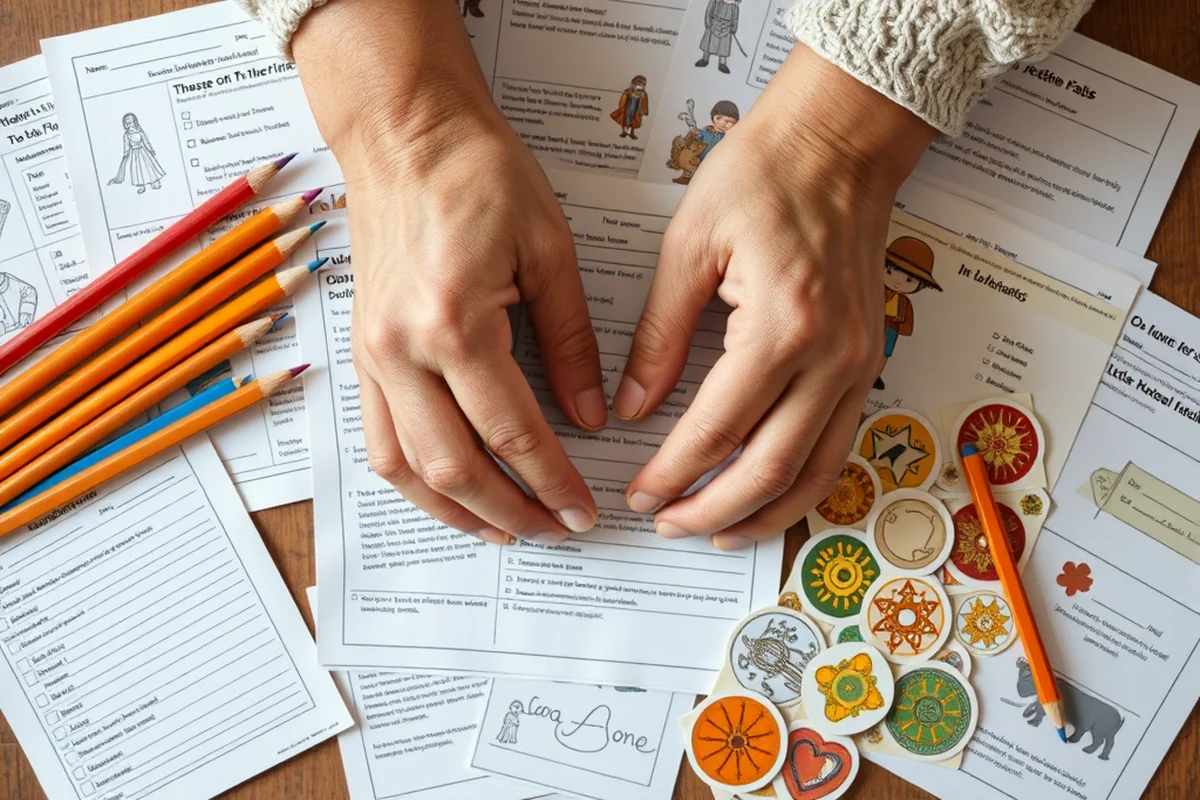
I had my students create their own 'prairie journals' using notebooks and blank pages. They wrote about what they learned, drew pictures of the house, and even made a timeline of the Ingalls' journey. This activity helped them organize their thoughts and express their understanding in a personal way.
One student, who struggled with writing, used a combination of drawings and simple words to show her journey through the story. I was impressed by the creativity and the way she used the journal to process the information in her own way.
The journal also became a tool for assessment. I could see which students had a strong grasp of the material and which ones needed more support. It was a non-threatening way to track their progress and encourage reflection.
Related: What is the boys show about
Learning About Prairie Life Through Games and Challenges
I designed a scavenger hunt where students had to find items around the school that were similar to what the Ingalls might have used. They looked for sticks, leaves, and even pieces of cardboard — which they then used to build a model of a prairie house. It was a great way to combine physical activity with learning.
Another game I used was called 'Prairie Survival', where students had to complete tasks like fetching water, making a fire, and sewing a button — all based on what the Ingalls might have done. The game was competitive but also educational, and it helped students understand the challenges of pioneer life.
I also had the students work in teams to solve a problem — like building a shelter with limited materials or finding a way to cross a 'river' using only items from the classroom. These challenges encouraged teamwork, creativity, and critical thinking.
Related: The young washington streaming
Using Music and Art to Bring the Prairie to Life
I played simple folk music from the 19th century, which created a different atmosphere in the classroom. The students were more focused and seemed to be more engaged with the material. We also sang a few songs that were based on the story — it was a way to make the experience more immersive.
Art projects were also a big part of the unit. We created prairie scenes with paint, and students used clay to make miniature versions of the Ingalls' home. Some even made papier-mâché models of the prairie house that they decorated with sticks and leaves.
One of my favorite projects was a 'prairie mural' where the entire class contributed to a large painting that depicted the prairie landscape and the Ingalls' home. It was a collaborative effort that filled the classroom with color and brought the story to life in a way that was both educational and beautiful.
Art is the universal language of the soul.
Encouraging Reflection and Discussion
After each activity, I held a discussion where students shared what they had learned. We talked about the challenges the Ingalls faced and how they overcame them. These discussions helped students think critically and make connections between the story and their own lives.
I also encouraged students to reflect on how their lives were different from the Ingalls' — and how they were the same. We discussed things like family, community, and the importance of working together. These conversations helped students develop empathy and a deeper understanding of history.
One student, who had struggled with social skills, found a voice during our discussions. She shared how she felt about living in a prairie house and how she would help her family if she were one of the Ingalls. It was a powerful moment that showed the impact of the story and the activities we had done.
🎒 Younger Kids Version
A simplified version of the activity using large, easy-to-handle materials for preschoolers.
📚 Older Kids Version
An advanced version with more complex tasks and writing prompts for students in upper elementary grades.
✨ No-Prep Version
A no-prep version that uses only materials found in the classroom or outside.
👫 Group Version
A collaborative version where students work in teams to build a large-scale prairie house.
🔍 Extension Version
An extension version that includes research and writing about the history of the prairie and the people who lived there.[1]
| The mistake | Why it happens | The fix |
|---|---|---|
| Not preparing enough materials in advance | Students can get frustrated if they run out of supplies mid-activity and have to wait for more. | Always have extra materials on hand and organize them in advance to avoid delays. |
| Focusing too much on the activity and not enough on the learning goals | Students may enjoy the activity but not understand the educational purpose behind it. | Make sure to tie the activity to specific learning objectives and discuss the goals before starting. |
| Not allowing enough time for reflection and discussion | Without reflection, students may not fully understand or retain what they’ve learned. | Set aside time for discussion and reflection after each activity to reinforce learning and encourage critical thinking. |
| Not adapting the activity for different learning styles | Some students may not benefit from the same type of activity as others if it's not tailored to their needs. | Offer a variety of activities that cater to different learning styles, including visual, auditory, and kinesthetic learners. |
| Not involving all students in the activity | Some students may feel left out or disengaged if they’re not participating. | Use group work, peer mentoring, and individual tasks to ensure that all students are involved and feel included. |
Little House On The Prairie
Common Questions
What age group is this activity best suited for?
Do I need any special materials for this activity?
How long does the activity take to complete?
Can this activity be used to teach other subjects besides history?
References
- The Pioneer Girl Project | Laura Ingalls Wilder's Pioneer Girl (apa.si.edu)
- The Libertarian Propaganda of the Little House Books (bmr.unm.edu)
- The Historical Significance of The Little House on the Prairie Series ... (cardinalscholar.bsu.edu)
- February 2017: Laura Ingalls Wilder - Census Bureau (census.gov)
Cite this guide
Teaching Drama to Kids (2026). Little House On The Prairie. https://dramaplayarea.com/little-house-on-the-prairie/
Feel free to cite or share this guide.