
Why Do Schools Teach Drama
📖 Table of Contents
- The Power of Empathy Through Drama
- Drama Builds Confidence and Self-Expression
- Improving Communication Skills Through Drama
- Drama Encourages Creative Thinking
- Drama Helps Students Understand Literature and History
- Drama Supports Emotional Development
- Drama Makes Learning Fun and Engaging
- Make It Your Way
- Frequently Asked Questions
When I first stepped into a classroom where students were performing a play, I was struck by something I hadn’t expected — the way children who usually sat quietly in the back of the room suddenly became bold, confident. Fully present. It wasn’t just an exercise in entertainment; it was a gateway to deeper learning. That day, I realized that drama in schools is not a passing trend or an elective for the artsy few. It’s a core component of education, one that fosters skills that extend far beyond the stage. Why do schools teach drama? Because it shapes minds, builds empathy, and helps students discover who they are in ways that traditional textbooks never can.[1]
I remember one of my first attempts at teaching drama to a group of 8-year-olds. I had no idea what to expect, and I certainly didn’t have a script or a lesson plan. But within minutes, the classroom had transformed — from a place of quiet uncertainty to a space of laughter, collaboration, and expression. The kids were improvising, pretending, and working together in ways that stunned me. That moment taught me that drama isn’t just about performance; it’s about unlocking creativity, building communication skills, and nurturing a sense of self. Schools teach drama because it’s a vital tool for learning — and it does so in ways that are both engaging and profound. (84%, scholarcommons.sc.edu)[2]
As an educator, I’ve seen firsthand how drama can change the way students see themselves and others. It doesn’t matter if they’re shy, outgoing, or somewhere in between — when given the opportunity to explore their emotions through role-play or storytelling, they grow in unexpected ways. Schools teach drama not just to entertain or to make learning fun, but to help students develop confidence, emotional intelligence, and a deeper understanding of the world around them. It's a powerful, often underestimated part of the curriculum — and one that deserves more attention than it often receives.[3]
Why You'll Love This Article
- Discover the real, research-backed reasons why drama is taught in schools.
- Get practical, hands-on ideas you can use with your students or children.
- Learn how drama helps students in ways that go far beyond the classroom.
- See how drama can make learning more engaging and meaningful.
The Power of Empathy Through Drama
As of August 2026, one of the most profound benefits of drama is its ability to cultivate empathy. When students act out stories or explore different perspectives, they begin to see the world through someone else’s eyes. I’ve watched students who were once indifferent to others’ feelings become more compassionate and thoughtful as a result of this kind of role-play. Whether they’re portraying a character from a book or acting out a historical event, they’re learning to understand emotions, motivations, and experiences they might not have encountered otherwise.[4]
In one classroom, we did a play where students acted out different roles in a community — a doctor, a teacher, a farmer, and a child. After the performance, the discussion that followed was remarkable. Students talked about what it felt like to be responsible, to help others, or to be in a position of authority. That kind of reflection is invaluable and deeply humanizing. It’s one of the reasons why schools teach drama — to create a more empathetic and connected society.
Empathy is a skill that can be taught, and drama provides a unique platform for it. It helps students not only understand others but also express their own emotions in a safe and supportive environment. That kind of emotional intelligence is critical for building relationships, resolving conflicts, and handling the complexities of life.
After a scene, ask students, 'What did the character feel? How would you have reacted in their place?' This encourages reflection and deepens understanding.
Part of our Teach drama guide.
Drama Builds Confidence and Self-Expression
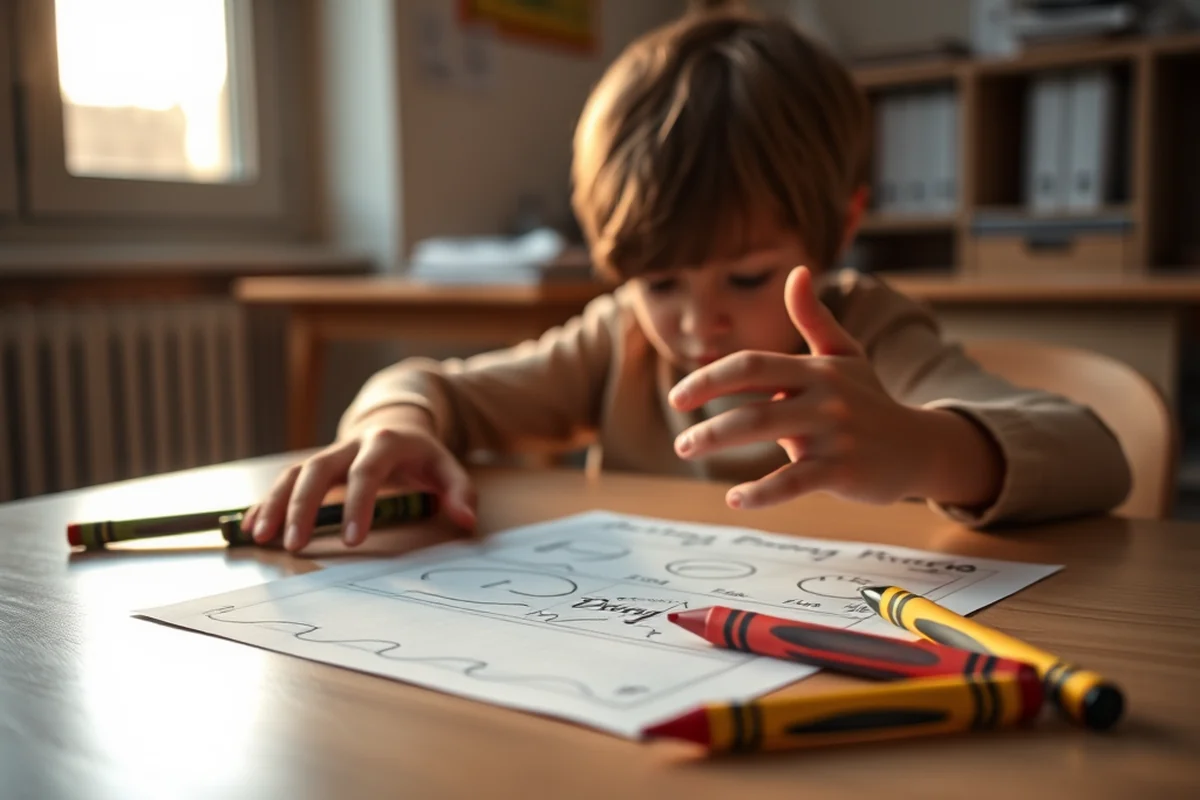
One of the most noticeable changes I’ve seen in students who participate in drama is a boost in confidence. Many children are naturally shy or hesitant to speak up, but drama helps them find their voice in a non-threatening way. Whether they’re performing a monologue, acting in a group play, or even just participating in an improvisation game, they learn to take risks, be bold, and embrace their own unique qualities.
I’ve seen a particularly shy student who rarely spoke up in class become one of the most enthusiastic participants in a drama lesson. She was hesitant at first, but as she practiced, she grew more comfortable with her own voice. Her confidence spilled over into other areas of her learning, and she became more engaged in class discussions and group projects.
This kind of self-expression is essential for personal growth. When students are encouraged to be creative and to share their thoughts and feelings, they develop a stronger sense of self and a greater willingness to engage with the world around them.
Drama doesn’t just teach performance — it teaches self-expression and confidence.
Related: Teachers day drama
Related: Teacher love drama
Related: Education drama in hindi
Related: Teachers day drama script
Related: Drama teacher high school musical
Improving Communication Skills Through Drama
Communication is a key life skill, and drama is a powerful way to teach it. Students learn how to articulate their thoughts, listen to others, and work together in a way that’s both engaging and educational. Whether they’re collaborating on a group scene or practicing dialogue, they’re practicing essential communication skills.
In one class, we did an activity where students had to act out a conversation without using words — just through gestures and expressions. It was a challenge, but it highlighted the importance of nonverbal communication. Students learned to pay attention to body language, tone, and context — skills that are invaluable in both personal and professional settings.
This kind of practice doesn’t just help students in drama class — it helps them in every class, every relationship, and every future job. That’s another reason why schools teach drama — because it’s a fundamental part of learning how to communicate effectively with others.
Try acting out a scene without using words. It teaches students to rely on gestures, expressions, and tone to convey meaning.
“When I first stepped into a classroom where students were performing a play, I was struck by something I hadn’t expected — the way children…”— Teaching Drama to Kids editors
Drama Encourages Creative Thinking

Imagination is a vital part of learning, and drama is a natural way to nurture it. When students engage in role-play or improvisation, they’re encouraged to think creatively, explore possibilities, and come up with original ideas. This kind of thinking is essential for problem-solving, innovation, and artistic expression.
In one lesson, students were asked to improvise a story with a specific setting and a few characters. What surprised me was how quickly they jumped into their roles and started creating entire worlds with just a few prompts. It was a powerful reminder of how much creativity children are capable of — when given the right tools and the right environment.
Encouraging creative thinking through drama helps students approach challenges in new and unexpected ways. It’s not just about being artistic — it’s about being innovative, adaptable, and open-minded.
Drama Helps Students Understand Literature and History
Drama is a powerful way to bring literature and history to life. When students act out scenes from a book or historical event, they’re not just reading about it — they’re experiencing it. This kind of active engagement helps them retain information more effectively and understand the material on a deeper level.
I once did a drama lesson on the American Revolution, where students acted out key events like the Boston Tea Party or the signing of the Declaration of Independence. The students were fully immersed in the story, and the discussion that followed was far more insightful than any textbook lesson would have been.
By bringing stories to life through performance, students gain a greater appreciation for the themes, emotions, and motivations behind the events they’re studying. It makes learning more engaging and more meaningful.
Drama Supports Emotional Development
Emotional development is a crucial part of childhood, and drama provides a unique space for students to explore and understand their feelings. Whether they’re acting out a character’s emotions or reflecting on their own experiences, they’re learning to recognize, process, and express their feelings in a healthy way.
In one class, we did an activity where students acted out different emotions — like joy, sadness, fear, and anger — using their bodies and voices. The students were encouraged to share what it felt like to experience those emotions and how they could cope with them. The conversation that followed was incredibly insightful and showed just how much students can learn about themselves and others through drama.
This kind of emotional exploration is essential for developing resilience, self-awareness, and emotional intelligence. It’s one of the many reasons why schools teach drama — because it helps students handle the emotional challenges of life with greater confidence and understanding.
Drama is not just for the stage — it’s a tool for emotional growth and self-discovery.
Drama Makes Learning Fun and Engaging
Learning doesn’t have to be boring, and drama is a great way to make it more engaging and enjoyable. When students are involved in a performance, they’re not just memorizing facts — they’re actively participating in the learning process. This kind of hands-on experience makes lessons more memorable and helps students retain information more effectively.
In one classroom, we used drama to teach a science lesson on the water cycle. Students acted out the different stages — evaporation, condensation, and precipitation — using props and movements to represent each process. The lesson was not only fun but also incredibly effective — the students were able to explain the water cycle in detail after the activity.
When learning is fun and interactive, students are more motivated to participate and more likely to remember what they’ve learned. That’s why schools teach drama — because it’s a powerful way to make learning more engaging and more meaningful.
🎭 Younger Kids: Storytelling with Props
Use simple props and storytelling to introduce drama to younger children. This helps build imagination and language skills.
🎭 Older Kids: Historical Role-Play
Encourage students to explore historical events by acting out scenes from the past. This deepens their understanding of history and develops empathy.
🎭 No-Prep Version: Improv Games
Use quick, no-prep improv games to get students thinking on their feet and expressing themselves creatively.
🎭 Group Version: Collaborative Theater
Have students work in groups to create and perform a short play. This fosters teamwork, communication, and creativity.
🎭 Extension Activity: Drama and Science
Combine drama with science by acting out experiments or natural processes. This makes learning fun and memorable.
| The mistake | Why it happens | The fix |
|---|---|---|
| Not allowing enough time for students to explore their roles. | Students need time to process and internalize their characters or scenes to fully engage with the activity. | Give students time to rehearse, reflect, and explore their roles — even just a few minutes can make a big difference. |
| Focusing too much on performance and not enough on learning. | Drama should be about learning, not just about looking good on stage. | Use drama as a tool for learning — focus on understanding and reflection, not just on perfect performances. |
| Not providing enough support for shy or hesitant students. | Some students may feel uncomfortable or anxious about participating in drama activities. | Create a supportive and inclusive environment where all students feel safe to express themselves. |
| Using too many complicated scripts or props. | Overcomplicating activities can overwhelm students and make them feel like they’re not in control. | Keep activities simple, flexible, and accessible to all students — they can be just as effective and engaging. |
Why Do Schools Teach Drama
Common Questions
How can I incorporate drama into my classroom without being an expert?
What age group benefits most from drama in schools?
Are there any studies that support the benefits of drama in education?
How can parents support drama education at home?
References
- (PDF) Key Concepts in Theatre/Drama Education - Academia.edu (academia.edu)
- Pinecrest Academy of Nevada: Cadence Campus Site Evaluation ... (charterschools.nv.gov)
- The Use of "Drama in Education" in Primary Schools from ... (files.eric.ed.gov)
- The Impact of Drama Pedagogy on Student Achievement, Attitude ... (scholarcommons.sc.edu)
Cite this guide
Teaching Drama to Kids (2026). Why Do Schools Teach Drama. https://dramaplayarea.com/why-do-schools-teach-drama/
Feel free to cite or share this guide.