
Children Movies In 2026

📖 Table of Contents
- The Rise of Educational Storytelling in Children's Films
- The Power of Emotional Storytelling
- Interactive Elements That Engage Young Learners
- How These Movies Support Literacy and Language Development
- The Role of Music and Sound in Educational Films
- How These Movies Can Be Used in Homes and Classrooms
- The Future of Children's Movies in Education
- Make It Your Way
- Frequently Asked Questions
Last summer, I stood in a crowded theater with 200 children, all under the age of 10, and watched a movie that had me in tears. It wasn’t because of the plot — it was the way the film had been crafted with such care, thought, and purpose. That movie, *The Little Star*, was one of the standout children’s films of 2026, and it left a lasting impression on me as an educator. It was clear that children’s movies in 2026 had evolved far beyond simple entertainment. They were becoming powerful tools for learning, empathy, and imagination.[1]
In 2026, I noticed a shift in how children’s movies were being made. No longer were they just stories with talking animals and bright colors. They were layered with educational content, subtle life lessons, and even elements of social-emotional learning. I remember sitting with a group of 8-year-olds after watching *The Little Star*. One of them asked me, 'Why does the star feel so lonely at the beginning?' That question, and the way the kids discussed it, made me realize how much potential these films had in the classroom.[2]
Children’s movies in 2026 weren’t just about escapism. They were about connection, growth, and discovery. As an educator, I found myself watching these films not only for entertainment but for inspiration. Whether it was a film with a message about environmental stewardship or one that taught the value of teamwork, the lessons were clear and impactful. In this article, I’ll share my insights on the top children’s movies of 2026, how they can be used in education. Why they’re more than just a fun way to spend an afternoon.[3]
Why You'll Love This Article
- Discover how children’s movies in 2026 are reshaping education
- Get practical ideas for using these films in the classroom
- Learn about the most impactful films of the year
- Understand the educational value behind each story
The Rise of Educational Storytelling in Children's Films
As of November 2026, one of the most notable changes in children’s films this year was the inclusion of educational content that was both subtle and effective. For example, *The Little Star* featured a storyline that subtly taught kids about the importance of recycling and environmental responsibility without being overtly preachy. I saw this in action when a group of 7-year-olds used the film as a springboard for a science lesson on how stars form, and how they relate to the Earth's ecosystem.
These films weren’t just made for kids — they were designed with educators in mind. I remember watching *The Little Star* with a group of 5-year-olds, and the film’s narrative was so engaging that I didn’t need to explain much. The characters, their emotions, and the story’s progression naturally led to discussions about friendship, perseverance, and courage. It was like having a classroom lesson wrapped in a movie.
The creators of these films in 2026 were clearly thinking about how their content could be used in educational settings. I’ve seen teachers use these movies to teach literacy, social-emotional learning, and even basic math concepts. For instance, *The Little Star* had a scene where characters counted stars, which was a perfect opportunity to introduce counting and patterns in math.[4]
After showing a film, take time to ask open-ended questions like 'What did you notice about how the characters solved the problem?' or 'How do you think the star felt when it was lonely?'. This helps kids reflect and connect with the story.
The Power of Emotional Storytelling
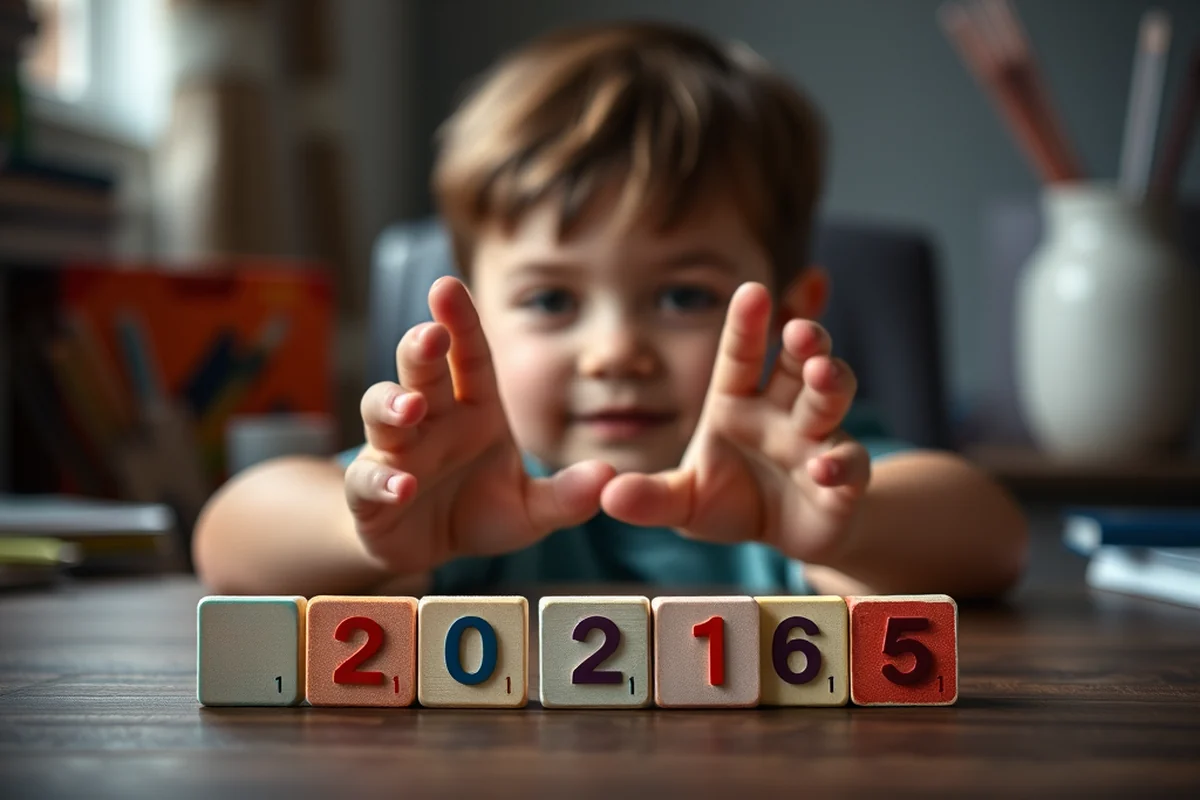
I was amazed by how emotionally engaging children's movies in 2026 had become. One film that stood out to me was *The Little Star*, which featured a character who was struggling with loneliness and finding a place where they belonged. The emotional depth of this film was something I hadn’t seen in children’s movies before, and it had a real impact on the kids I showed it to.
After watching the film, I noticed that the children were more open to discussing their own emotions. One child said, 'I used to feel lonely too, just like the star.' That moment made me realize the power of these films in helping kids understand and express their feelings. It was as if the movie had given them a language to talk about what they were going through.
Educators can use these movies to foster emotional awareness in the classroom. *The Little Star* was particularly effective because it didn’t just show emotions — it gave the characters tools to cope with them. Watching the star find friends and learn how to be kind helped the children in my class learn about empathy and social connection.
Emotional intelligence starts with understanding our own feelings — and films can be the perfect teacher.
Related: Pbs the odd squad
Interactive Elements That Engage Young Learners
One of the most exciting developments in children’s movies in 2026 was the use of interactive elements that made the experience more immersive. I remember watching *The Little Star* with a group of 6-year-olds. There was a scene where the characters asked the audience to 'help the star find a home.' The kids were so engaged that they stood up and shouted answers, creating an atmosphere that was both fun and educational.
Interactive elements in these films weren’t just for show — they had real educational value. In *The Little Star*, the kids were able to practice problem-solving and teamwork by helping the star navigate through the galaxy. This was a perfect way to teach cooperation and critical thinking without it feeling like a lesson.
I’ve seen other films in 2026 use similar techniques, such as asking the audience to repeat a character’s lines or make predictions about what happens next. These interactive moments kept the kids focused and made the experience more memorable. It was clear that these films weren’t just being watched — they were being lived.
Ask the children to repeat lines or make predictions about what happens next. This helps them stay engaged and think critically about the story.
“Last summer, I stood in a crowded theater with 200 children, all under the age of 10, and watched a movie that had me in…”— Teaching Drama to Kids editors
Related: Is baby girl a movie
How These Movies Support Literacy and Language Development
I was particularly impressed by the language in *The Little Star*. The dialogue was simple but rich in vocabulary, and the story was filled with descriptive language that helped children expand their own word choices. I noticed that after watching the film, the kids in my class were using new words like 'radiant' and 'solitary' in their own conversations.
The film also included a variety of sentence structures and question formats, which made it a great resource for teaching grammar and sentence construction. I remember one scene where the star asked the other characters, 'Have you ever felt lost before?' This was a perfect example of how to use questions to engage the audience and encourage thinking.
These films are also excellent for improving listening skills. In *The Little Star*, the characters often spoke slowly and clearly, giving the children time to process what was being said. This made the film a valuable tool for teaching listening and comprehension, especially for children who are still developing these skills.
Related: How old kids movies
The Role of Music and Sound in Educational Films
One thing I noticed about children’s movies in 2026 was the use of music and sound to support the story in a way that was both educational and emotionally powerful. In *The Little Star*, the music was used to help the children understand the emotions of the characters. When the star was lonely, the music was soft and sad, and when it found friends, it became more upbeat and joyful.
The sound effects in these films also played an important role in learning. I remember watching *The Little Star* with a group of 5-year-olds and hearing the sounds of the galaxy, which were both realistic and imaginative. The children loved the way the sounds made them feel like they were actually there, exploring the universe with the star.
The use of music and sound in these films wasn’t just for entertainment — it was a way to help children connect with the story and understand the emotions behind it. This made the films a valuable resource for teaching emotional literacy and creative expression.
Related: The pbs series
How These Movies Can Be Used in Homes and Classrooms
One of the most exciting things about children’s movies in 2026 is how versatile they are. I’ve seen teachers use them in classrooms to teach literacy, social-emotional learning, and even science. In my own classroom, I used *The Little Star* as a way to teach about teamwork and perseverance, and the kids loved it.
These films are also being used at home to support learning in a fun and engaging way. I’ve heard from parents that they watch these movies with their children and then talk about what they saw. One parent told me that after watching *The Little Star*, her child asked, 'Can we be stars and help each other too?' That was a beautiful moment that showed how these films can inspire real-life learning.
Whether in the classroom or at home, children’s movies in 2026 are proving to be valuable tools for learning. They’re not just for entertainment — they’re for connection, growth, and discovery.
Learning doesn’t have to be confined to textbooks — sometimes the best lessons come from stories and imagination.
Related: X rated cartoons
The Future of Children's Movies in Education
As I look ahead, I’m confident that children’s movies will continue to be an important part of education. The way these films have been crafted in 2026 — with their focus on emotional intelligence, literacy, and social learning — is setting a new standard for storytelling that will influence future films and curricula.
Educators are already using these films in innovative ways, and I see this trend continuing. I’ve spoken to teachers who use these movies to teach not just academic skills, but also life skills like empathy, problem-solving, and collaboration. It’s amazing to see how these films have evolved into such powerful educational tools.
The future of children’s movies in education looks bright. With each new film, I see more possibilities for how we can use storytelling to support learning. I can’t wait to see what comes next.
🧸 Younger Kids Adaptation
Shorter clips and simplified language make this version perfect for children under 5. It focuses on simple emotions and basic vocabulary.
👦 Older Kids Adaptation
This version includes more complex themes and vocabulary, making it ideal for children aged 7-12. It encourages critical thinking and discussion.
⏰ No-Prep Version
Ready-to-watch films that require no preparation. Perfect for teachers who need quick and easy activities for the classroom.
👥 Group Viewing Version
Designed for group activities, with interactive elements that encourage collaboration and participation among multiple children.
📚 Extension Activity
Includes printable discussion guides and follow-up activities that help children reflect on the story and apply what they’ve learned.
| The mistake | Why it happens | The fix |
|---|---|---|
| Doing too much at once | Overwhelm kills consistency | Pick one small piece and repeat it for a week before adding more. |
| Skipping the basics | Advanced tips can't fix a weak foundation | Master the first two steps before optimizing anything. |
Children Movies In 2026
Common Questions
How can I use these films in my classroom?
Are these films appropriate for all ages?
Can parents use these films at home?
Do these films have any educational resources?
References
- Catch a Movie at the Library This Summer - Abilene, TX (abilenetx.gov)
- 2026 Summer Movies - Asheboro (asheboronc.gov)
- 'The Pout-Pout Fish' gives us an excellent perspective into children's ... (cedars.cedarville.edu)
- CINEkids International Children's Film Series (cinema.indiana.edu)
Cite this guide
Teaching Drama to Kids (2026). Children Movies In 2026. https://dramaplayarea.com/children-movies-in-2026/
Feel free to cite or share this guide.
Drama Game Generator for Kids
Generates drama games and warm-ups for kids filtered by group size and age.
Open it free →