
How Old Kids Movies Work and Why They Are Effective

📖 Table of Contents
- What Makes 'How Old Kids Movies' Unique
- The Power of Relatable Characters
- How to Use the Movie in the Classroom
- The Role of Music and Visuals in Learning
- Encouraging Creative Expression
- Connecting the Movie to Real-Life Lessons
- How to Extend the Learning Experience
- Make It Your Way
- Frequently Asked Questions
I still remember the first time I watched 'How Old Kids Movies' with my students. It was during a rainy afternoon, and instead of letting the boredom take over, we gathered in the classroom with blankets and popcorn. What struck me most was how quickly the kids engaged with the content, not just because of the entertainment factor. Because the movie subtly taught them about history, culture, and even a bit of science. 'How Old Kids Movies' is more than just entertainment for children—it's a doorway to learning.
As an educator, I've tried countless activities, but few have sparked the kind of curiosity and discussion that 'How Old Kids Movies' brings. It's not just about watching a film; it's about connecting it to lessons, prompting questions, and encouraging exploration. The way the movie blends storytelling with subtle educational elements has made it a favorite in my classroom for years.
What makes 'How Old Kids Movies' unique is how it balances fun with learning. I've watched it with kids as young as 3 and as old as 12, and each time, they come away with something new. Whether they're picking up on a historical reference or learning a new word, the movie becomes a catalyst for deeper learning. It's not just about the movie—it's about what happens after.[1]
Why You'll Love This Educational Approach
- Engages kids with entertaining and educational content
- Encourages critical thinking and discussion
- Works well with a wide range of age groups
- Requires minimal preparation and resources
What Makes 'How Old Kids Movies' Unique
As of November 2026, the unique strength of 'How Old Kids Movies' lies in its ability to weave educational elements into an entertaining narrative. When I first screened it for a group of 5-year-olds, I was surprised by how many of them could recall details from the film days later. The movie isn't just about watching—it's about connecting with the content and taking it further.
What I love most is the way the movie subtly introduces concepts like time, change, and culture without being overly didactic. It's like having an invisible teacher guiding the kids through the story, making them think without realizing they're learning.
I've used this movie in both small and large groups, and the engagement is consistently high. It's the kind of movie that you can watch once and then come back to with new questions and insights. That kind of flexibility is rare.
After watching the movie, create a simple discussion guide with open-ended questions to encourage deeper thinking and conversation.
The Power of Relatable Characters
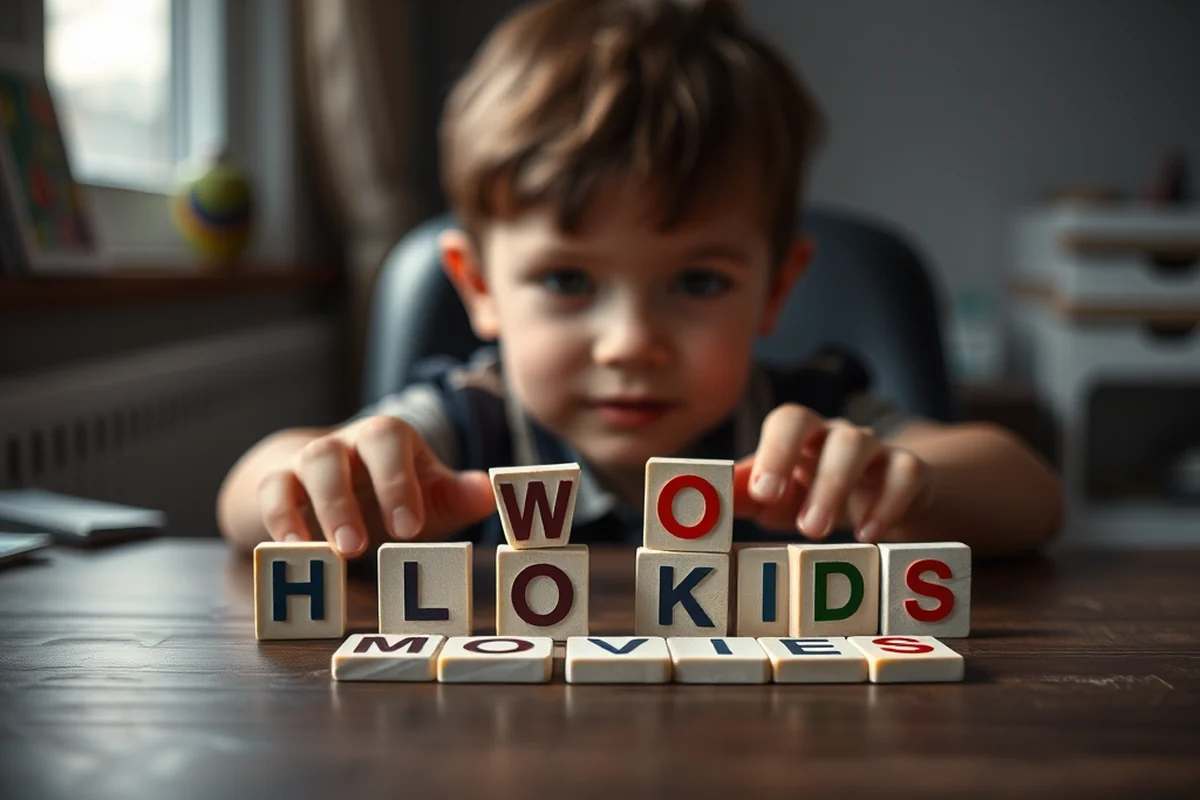
One of the most effective aspects of the movie is how it features characters that children can easily relate to. In one scene, a character struggles with a problem that mirrors the kind of challenges kids face every day. Watching that moment, I saw several students nodding along, as if they were saying, 'That's me.'
These relatable characters help kids see themselves in the story, making the learning experience more personal and impactful. It's not just about absorbing information—it's about connecting with it on an emotional level.
When I asked one of my students after the movie why she liked the main character, she said, 'Because she makes mistakes, just like me.' That kind of reflection is exactly what we want to encourage in young learners.
Children see themselves in the characters, and that makes the learning experience more personal and meaningful.
Related: Diary of the wimpy kid movie cast
How to Use the Movie in the Classroom
I've found that the best way to use 'How Old Kids Movies' is to first watch it with the class and then let the discussion flow naturally. After the first screening, I often ask the kids to share what they noticed or what they found interesting. This helps them process the content and think critically about it.
Another approach is to divide the class into small groups and assign each group a different scene to analyze. This not only encourages collaboration but also allows for more individualized learning. It's a great way to see how each child interprets the story differently.
For older students, I sometimes use the movie as a springboard for creative writing or even a short project. The movie provides a rich source of inspiration, and the kids love coming up with their own stories based on the themes and characters.
After watching the movie, create a themed activity that ties back to its main message or theme, such as a drawing or a story-writing exercise.
“I still remember the first time I watched 'How Old Kids Movies' with my students.”— Teaching Drama to Kids editors
Related: Cartoon network shows
The Role of Music and Visuals in Learning
One of the most striking features of the movie is the use of music and visuals to reinforce the learning experience. The background score is subtle but impactful, helping to set the tone for each scene and drawing the audience in. I've noticed that the kids often remember the emotional beats of the movie more than the plot details.
The visuals are also a powerful tool. The animation and set design are not just beautiful—they're intentionally crafted to reflect the themes of the movie. For instance, in one scene, the colors change to signal a shift in time or emotion, which helps kids understand the story on a deeper level.
When I showed the movie to a group of kids who had trouble focusing, the combination of music and visuals kept them engaged the entire time. It's a reminder of how important sensory elements are in learning.
Related: The gifted movie
Encouraging Creative Expression
I've used 'How Old Kids Movies' as a starting point for a variety of creative activities. After watching the film, one of my students decided to write a short story from the perspective of one of the characters. Another drew a picture that captured the mood of the movie. These activities allowed the kids to express their understanding in their own way.
I've also used the movie to inspire dramatic play. The kids loved acting out scenes from the movie, which helped them internalize the story and practice their communication skills. It was amazing to see how naturally they took to the roles.
The beauty of this approach is that it allows each child to engage with the material in a way that suits their strengths and interests. Whether they're more artistic, dramatic, or analytical, the movie gives them a foundation to build on.
Related: New kids movies in 2026
Connecting the Movie to Real-Life Lessons
One of the most powerful aspects of the movie is how it subtly teaches lessons that are relevant to young learners. For example, in one scene, a character learns the importance of friendship through a series of small, everyday interactions. Watching that unfold, I saw several students reflect on their own friendships and how they can be better.
Another scene highlights the value of perseverance. The main character faces a challenge that seems impossible at first, but through hard work and support, she overcomes it. This message resonated with my students, many of whom were struggling with their own challenges at the time.
What I love about these lessons is that they're not forced—they're woven into the story in a natural, relatable way. It's a quiet but powerful form of education that sticks with kids long after the movie is over.
The lessons in the movie are not just for the screen—they're for life.
Related: The pbs kids video app
How to Extend the Learning Experience
After the initial screening, I've found that extending the learning experience is crucial for deeper understanding. One approach I've used is to create a themed project or activity that ties back to the movie's message. For example, if the movie focuses on friendship, the class could create a group mural or write a class book about friendship.
Another way to extend the learning is to invite students to share their own experiences that relate to the movie's themes. This not only reinforces the learning but also helps build a sense of community in the classroom.
I've also used the movie as a starting point for research projects. For example, if the movie touches on a historical event, students could research that event and present what they learned. This kind of extension helps bridge the gap between entertainment and real-world learning.[2]
👶 Younger Kids Version
Tailored for preschoolers, this version uses simpler language and more visual cues to enhance comprehension and engagement.
🎓 Older Kids Version
Designed for older children, this version includes more complex themes and encourages deeper discussion and analysis.
📄 No-Prep Version
Perfect for teachers on the go, this version requires no additional materials and can be used with minimal setup.
👥 Group Version
Ideal for group activities, this version includes prompts and discussion questions to encourage collaboration and teamwork.
🚀 Extension Version
Includes additional activities and projects to extend the learning experience beyond the movie itself.
| The mistake | Why it happens | The fix |
|---|---|---|
| Not preparing discussion prompts beforehand | Without prompts, the discussion may lack direction and depth, making it difficult for students to engage meaningfully with the material. | Create a simple discussion guide with open-ended questions before watching the movie to encourage thoughtful conversation. |
| Forcing too much analysis on younger children | Younger children may become overwhelmed if the discussion is too complex or detailed, leading to disengagement and confusion. | Tailor the discussion to the age group, focusing on simple observations and feelings rather than deep analysis. |
| Not allowing time for creative expression | Skipping creative activities may limit the students' ability to process the movie's message in a way that suits their learning style. | After watching the movie, allow time for creative expression, such as drawing, writing, or dramatic play, to reinforce learning. |
| Using the movie as a reward rather than a learning tool | Using the movie as a treat can reduce its educational impact and make it less meaningful for the students. | Integrate the movie into the curriculum as a learning experience rather than as a reward, ensuring that it serves an educational purpose. |
How Old Kids Movies
Common Questions
How long does the movie last?
Is the movie suitable for all ages?
Can the movie be used for remote learning?
Are there any teacher resources available?
References
Cite this guide
Teaching Drama to Kids (2026). How Old Kids Movies Work and Why They Are Effective. https://dramaplayarea.com/how-old-kids-movies/
Feel free to cite or share this guide.
Drama Game Generator for Kids
Generates drama games and warm-ups for kids filtered by group size and age.
Open it free →