
Is Baby Girl A Movie

📖 Table of Contents
- Understanding the Role of Stories in Early Education
- The Importance of Media in Learning
- Hands-On Learning Activities for Young Children
- Creating a Supportive Learning Environment
- Encouraging Creativity in the Classroom
- The Role of Music and Movement in Learning
- Assessing Learning Through Observation and Feedback
- Make It Your Way
- Frequently Asked Questions
I remember the first time I walked into a classroom where a child was learning through a carefully crafted story, not just a textbook. It was a moment that changed how I thought about education — not as a rigid system, but as an experience that could be alive, engaging, and deeply personal. That moment sparked my journey in education, and it’s why I now write about how to make learning meaningful for kids. One of the most common questions I hear is, 'Is Baby Girl a movie?' The answer is no. That question leads to a broader conversation about how to use stories, media, and real-life experiences to make learning exciting for children.[2]
When I first heard the question 'Is Baby Girl a movie?' I paused. It was a question that seemed simple. It carried a deeper need — a need for clarity, for direction, and for resources that could help parents and educators make the most of their time with children. This question didn’t just ask about the existence of a film; it asked about the role of media in early childhood education, and how to choose the right tools to support learning. The answer to this question was the starting point for many conversations with parents and teachers who were looking for ways to make education more engaging and accessible.[3]
Over the years, I've learned that the best educational tools are the ones that spark curiosity, encourage creativity, and help kids make connections between what they're learning and the world around them. 'Is Baby Girl a movie?' became a gateway to understanding how media, books, and hands-on activities can all be part of a child's learning journey. I've seen the impact of these tools firsthand — from a child who suddenly understands how to count after a story, to a student who gains confidence through a drama activity. This is why I want to share what I've learned about education, not just for the sake of knowledge, but for the joy it brings to kids and the people who teach them.[4]
Why You'll Love This Approach to Education
- It's adaptable to different age groups and learning styles.
- It helps kids develop critical thinking and creativity.
- It uses real-life experiences to make learning relevant.
- It empowers parents and educators with practical, research-backed strategies.
Understanding the Role of Stories in Early Education
As of November 2026, Stories are more than just entertainment — they're a gateway to learning. When I first started teaching, I noticed how a simple story could captivate a classroom and spark a discussion that lasted for days. I've seen children who were shy or reluctant to participate suddenly open up during a story time, showing a newfound confidence and curiosity.
Research shows that storytelling helps children develop vocabulary, comprehension, and critical thinking skills. I've used stories to introduce concepts like emotions, problem-solving, and even basic math in a way that felt natural and fun for kids. The key is to choose stories that are not only engaging but also rich in content.[1]
One of my favorite lessons was when we used a story about a baby girl who had to solve a problem to get to her friend. The discussion that followed helped the children think about empathy, friendship, and the importance of perseverance. It was a moment that showed me how powerful a well-chosen story can be in the classroom.
Look for stories that mirror the experiences of children in the classroom or at home. This helps them see themselves in the characters and understand the lessons more deeply.
The Importance of Media in Learning
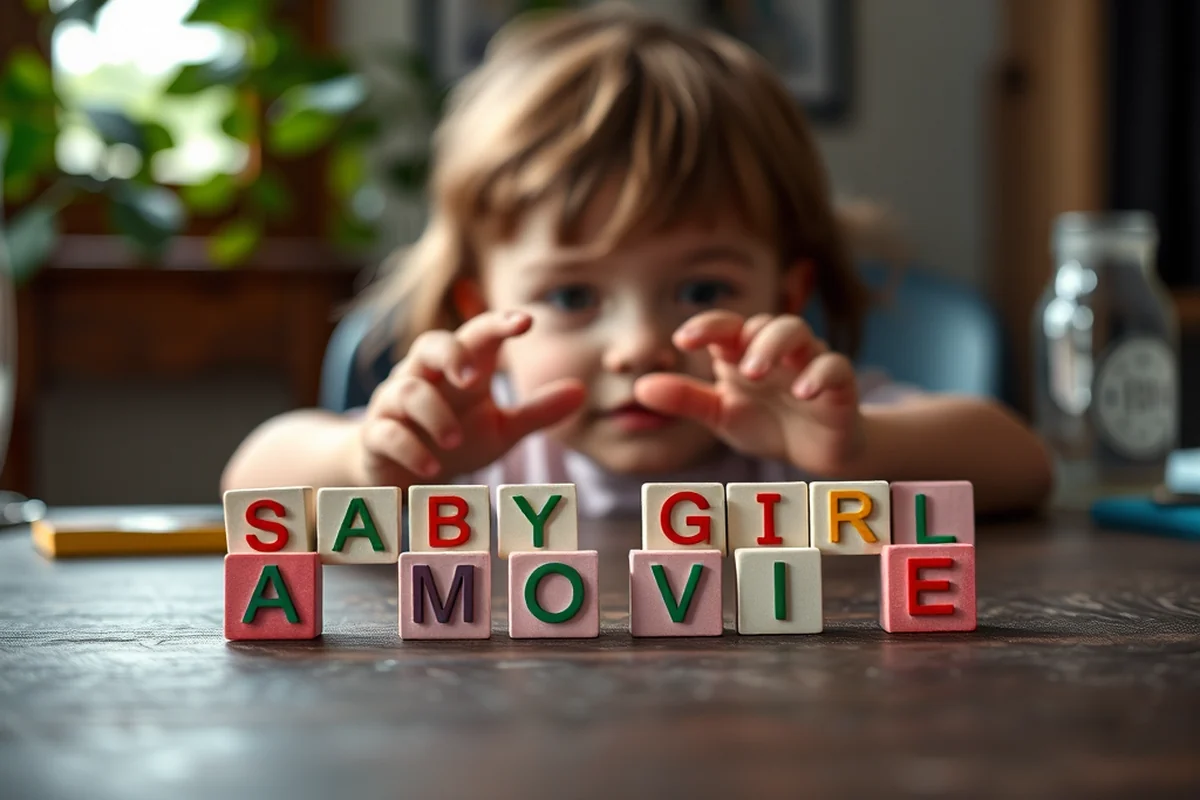
I've seen how videos can help children grasp complex concepts in a matter of minutes. When I introduced a short video about the life cycle of a plant to a group of preschoolers, it sparked questions and curiosity that led to an in-depth science lesson. The video wasn't a replacement for hands-on learning, but it was a valuable tool that helped the children visualize and understand the topic.
Interactive apps can also be a great addition to the classroom. I've used an app that allows children to create their own stories using drag-and-drop elements. It was amazing to see how the children used their creativity and imagination to express themselves. These tools can be especially helpful for children who are visual or auditory learners.
However, it's important to use media mindfully. I've learned that too much screen time can be overwhelming for young children. The key is to balance media use with other forms of learning, such as hands-on activities and group discussions.
Media can be a powerful tool in the classroom — when used with intention.
Related: Teaching kids drama
Hands-On Learning Activities for Young Children
One of the most effective hands-on activities I've used with young children is building with blocks. This simple activity helps develop fine motor skills, spatial awareness, and problem-solving abilities. I've watched children work together to build structures and learn the value of teamwork in the process.
Another activity I've used is sorting and classifying objects. This helps children develop critical thinking skills and understand patterns and categorization. I've seen children as young as three years old successfully sort objects by color, shape, and size. It's a great way to introduce basic math concepts in a fun and interactive way.
Hands-on learning doesn't have to be complicated. I've used everyday items like buttons, beads, and even paper clips to create sorting and matching games. These activities are not only educational but also help children develop a sense of accomplishment and confidence in their abilities.
Look around your home or classroom for items that can be used in learning activities. Everyday objects can be transformed into valuable teaching tools with a little creativity.
“I remember the first time I walked into a classroom where a child was learning through a carefully crafted story, not just a textbook.”— Teaching Drama to Kids editors
Related: Teaching drama
Creating a Supportive Learning Environment
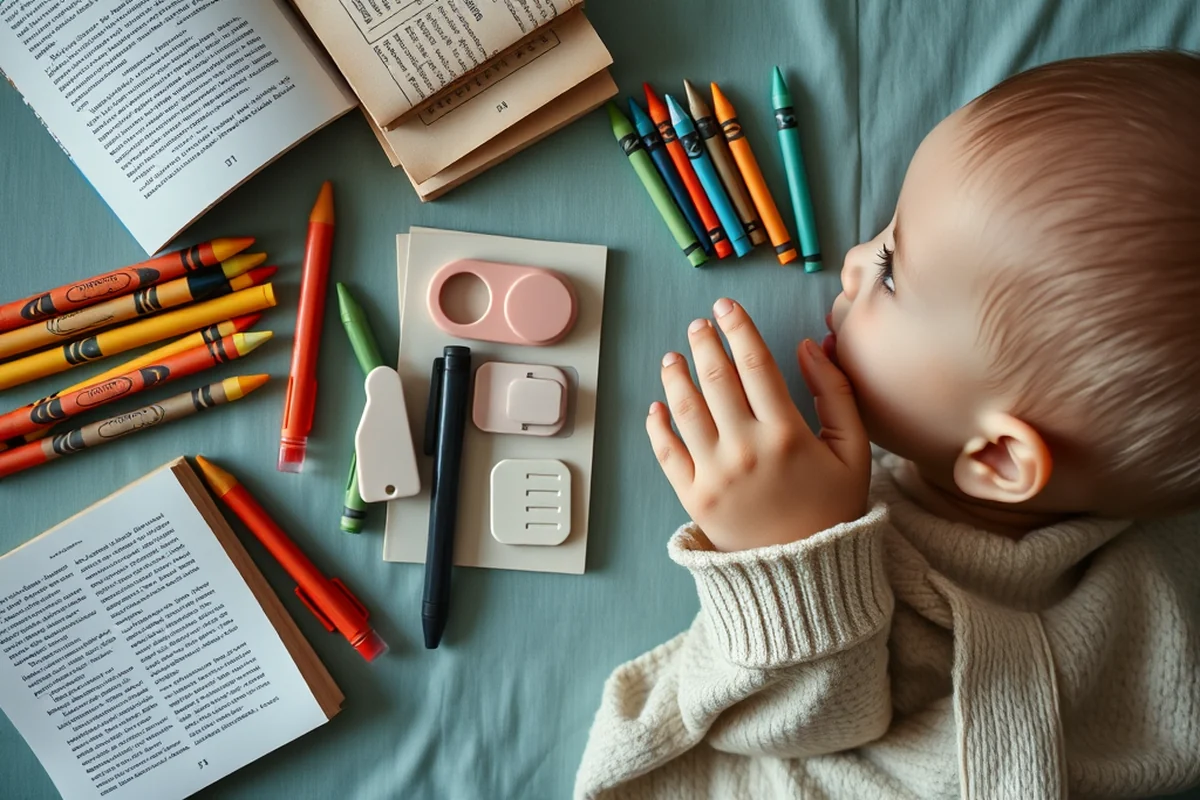
I've learned that the physical environment of a classroom can have a significant impact on a child's learning. When I reorganized a classroom to include more natural light, comfortable seating, and visual displays, I noticed a marked improvement in student engagement and behavior. The children were more focused and participated more actively in lessons.
Creating a supportive environment also involves fostering a sense of belonging and safety. I've seen how positive reinforcement and encouragement from teachers can help children feel confident and motivated to learn. It's important to recognize and celebrate even small achievements to build a child's self-esteem.
I've also found that involving parents in the learning process can create a more supportive environment. When I invited parents to participate in a classroom activity, it not only strengthened the parent-teacher relationship but also gave the children a sense of pride and accomplishment.
Related: Teaching gcse drama
Encouraging Creativity in the Classroom
Creativity is an essential part of learning, and I've seen how it can make a classroom more dynamic and engaging. When I introduced a free-drawing activity to a group of children, it was amazing to see how they used their imagination to create unique and expressive artworks. The activity not only allowed them to explore their creativity but also helped them develop fine motor skills and hand-eye coordination.
I've also used drama activities to encourage creativity and self-expression. When I had the children act out a story, they were able to explore different perspectives and emotions in a safe and supportive environment. This helped them develop empathy and a deeper understanding of the story's characters.
Encouraging creativity doesn't always require expensive materials or elaborate setups. Simple activities like drawing, painting, and storytelling can be just as effective. I've found that the most creative ideas often come from the simplest of activities.
Related: Teaching drama book
The Role of Music and Movement in Learning
I've seen how music can be a powerful tool in the classroom. When I used a song to teach the alphabet, the children were able to remember the letters more quickly and with greater enthusiasm. The rhythm and melody helped them retain the information in a way that traditional rote memorization couldn't achieve.
Movement is also an important part of learning, especially for young children. When I incorporated dance into a lesson about the life cycle of a butterfly, the children were able to visualize and understand the process in a way that was both fun and educational. The physical activity helped them stay focused and engaged throughout the lesson.
Combining music and movement can create a dynamic and engaging learning experience. I've used songs and dances to teach concepts like counting, shapes, and even basic science. The result is a classroom that is not only more active but also more receptive to learning.
Music and movement can make learning more engaging and effective for young children.
Related: Teaching english drama
Assessing Learning Through Observation and Feedback
I've learned that observation is one of the most valuable tools in early childhood education. When I took the time to observe how a child interacted with a learning activity, I was able to gain insights into their strengths, challenges, and interests. This helped me tailor my teaching to better meet their needs.
Feedback is also an important part of the learning process. I've found that providing constructive feedback in a positive and supportive way can help children understand their progress and motivate them to continue learning. I've seen how a simple comment like 'Great job!' can have a positive impact on a child's confidence and motivation.
I've also used peer feedback to help children develop social skills and learn from one another. When I had the children give feedback to each other during an activity, it not only helped them improve their work but also developed their communication and collaboration skills.
📖 Story-Based Learning for Younger Kids
Use simple stories and interactive activities to engage younger children and build foundational skills.
🎭 Creative Drama for Older Kids
Encourage older children to explore their creativity through role-play and dramatic activities.
🧰 No-Prep Learning Activities
Use everyday items and simple setups to create hands-on learning experiences without any preparation.
👥 Group Learning Activities
Design activities that promote teamwork and collaboration among children.
🚀 Extension Activities for Advanced Learners
Provide challenging and engaging activities for children who have mastered the basics.
| The mistake | Why it happens | The fix |
|---|---|---|
| Overusing screen time without balancing it with other activities. | Too much screen time can be overwhelming for young children and may hinder their ability to engage in hands-on learning. | Balance screen time with other forms of learning, such as hands-on activities and group discussions. |
| Not providing enough opportunities for children to express themselves. | Children need opportunities to explore their creativity and develop their communication skills. | Incorporate activities that encourage self-expression, such as drawing, storytelling, and drama. |
| Ignoring the importance of a supportive learning environment. | A supportive environment is essential for children's development and success in learning. | Create a classroom that is inviting, safe, and encourages exploration and creativity. |
| Focusing only on academic learning and ignoring social and emotional development. | Children need to develop social and emotional skills to succeed in all areas of life. | Incorporate activities that promote teamwork, empathy, and self-awareness into the learning process. |
Is Baby Girl A Movie
Common Questions
How can I make learning more engaging for young children?
What are some effective hands-on learning activities for preschoolers?
How can I create a supportive learning environment in the classroom?
What role does music and movement play in learning?
References
- An Evening at the Cinema | Dartmouth Admissions (admissions.dartmouth.edu)
- REVIEW: Babygirl – [art]seen - Arts at Michigan (artsatmichigan.umich.edu)
- Chicago Film Office - Movies and TV Shows Filmed in Chicago (chicago.gov)
- Babygirl, Tuesday, March 03, 2026 7:00 pm (cinema.indiana.edu)
Cite this guide
Teaching Drama to Kids (2026). Is Baby Girl A Movie. https://dramaplayarea.com/is-baby-girl-a-movie/
Feel free to cite or share this guide.
Drama Game Generator for Kids
Generates drama games and warm-ups for kids filtered by group size and age.
Open it free →