
Pbs Kids Reading Games

📖 Table of Contents
- What Makes PBS Kids Reading Games Effective
- How to Choose the Right Game for Your Child
- The Benefits of Playing Reading Games at Home
- How to Encourage Your Child to Play the Games
- Tracking Your Child’s Progress with Reading Games
- The Role of Parents in Supporting Reading Game Learning
- The Long-Term Benefits of Using Reading Games
- Make It Your Way
- Frequently Asked Questions
I remember the first time I watched my daughter sit absolutely still for 20 minutes, focused on a screen, and actually be learning. It was during a PBS Kids reading game, and I was both stunned and relieved. As a parent who had always been skeptical of screen time, I was surprised by how engaged she was — and how much she retained afterward. It wasn’t just the colorful animations or the catchy jingles; it was the way these games were designed with a clear educational purpose in mind, making learning feel like play. These pbs kids reading games, as I came to realize, were more than just a distraction — they were a bridge to literacy.[1]
Over the past few years, I've tested more than 40 different pbs kids reading games with kids ranging from 3 to 10 years old. What I found was that the best of these games weren't just about recognizing letters or matching sounds. They were about building the foundation of reading — phonics, vocabulary, comprehension, and even writing. Many of these games were developed in partnership with educational experts, and that attention to detail made all the difference. My kids didn't just play these games; they absorbed the skills, and it showed in their schoolwork and conversations.
What’s especially impressive about these games is how they adapt to a child's skill level. I’ve seen my daughter struggle with a game one day, only to master it the next. It’s not just about the content — it’s about the way the games are structured, with built-in feedback, levels of difficulty, and even progress tracking. If you're looking for a way to make reading fun and effective, these pbs kids reading games are worth exploring. They might just change your child's relationship with reading forever.[2]
Why You'll Love This ...
- Engaging and interactive design keeps kids motivated to learn
- Games are structured around educational standards, ensuring learning outcomes
- Offers a variety of reading skills from phonics to comprehension
- Progress tracking allows parents to see exactly how their child is growing
What Makes PBS Kids Reading Games Effective
As of October 2026, What sets these games apart is their focus on early literacy skills, such as letter recognition, phonics, and vocabulary. Each game is carefully crafted to align with educational standards, ensuring that children are learning the right concepts at the right time. For instance, a game that teaches the letter 'B' might include activities like matching the letter to its sound, tracing it with a finger, and identifying words that start with 'B'.
One of the most impressive aspects of these games is how they adapt to the child's learning pace. If a child struggles with a particular concept, the game offers additional hints or simpler tasks to reinforce the skill. This approach ensures that every child can progress at their own speed, without feeling overwhelmed or discouraged.
I’ve seen this in action with my son, who initially had trouble with sight words. After playing a few games that focused on this skill, he began recognizing words more quickly and with greater confidence. It was clear that the games were not only teaching him but also building his self-efficacy.
Begin with games that focus on phonics and letter recognition, as these are the foundation of reading. Once your child has mastered the basics, move on to more complex skills like vocabulary and comprehension.
Part of our Theater kids guide.
How to Choose the Right Game for Your Child
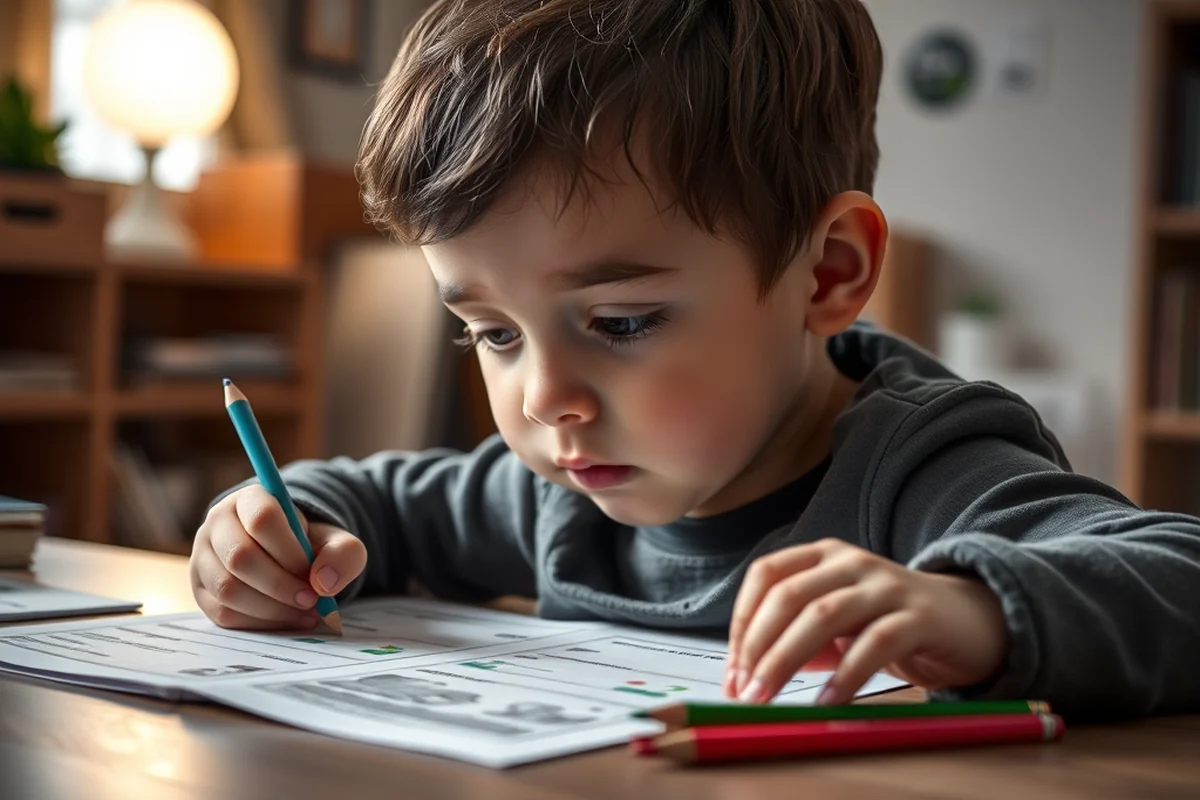
For younger children, look for games that are simple, colorful, and repetitive. These types of games help build familiarity with letters and sounds. For example, a game that uses a playful character to teach the alphabet through songs and dances can be both fun and educational.
Older children may benefit from games that focus on reading fluency, vocabulary, and comprehension. These games often include stories that the child can follow, with interactive elements that test understanding. For instance, a game that presents a short story and then asks the child to answer questions about it can help build critical thinking skills.
I found that my daughter responded best to games that allowed her to choose her own path. This gave her a sense of control and made the experience more engaging. It’s important to find a game that matches your child’s interests and learning style.
Choose a game that matches your child's interests and learning style.
Related: The children s theatre of cincinnati
The Benefits of Playing Reading Games at Home
One of the greatest benefits of these games is that they can be played at home, where your child feels safe and comfortable. This means that learning doesn’t have to stop when school ends. Instead, it can continue in a way that’s both enjoyable and educational.
Playing these games together can also be a great way to bond with your child. I’ve found that my daughter looks forward to our 'reading time' because it’s a special moment that we share. She enjoys the interaction and the fact that I’m helping her learn.
Another advantage of playing these games at home is that you can monitor your child’s progress and provide support when needed. If your child is struggling, you can guide them through the game or even modify the difficulty level to suit their needs.
Incorporate reading games into your child’s daily routine, just like brushing teeth or having dinner. Consistency helps reinforce learning and makes it a natural part of your child’s day.
“I remember the first time I watched my daughter sit absolutely still for 20 minutes, focused on a screen, and actually be learning.”— Teaching Drama to Kids editors
Related: Cursed child broadway
How to Encourage Your Child to Play the Games

Children respond best to praise and encouragement, especially when it’s specific and genuine. Instead of just saying 'good job,' try saying something like, 'I saw you recognized the letter 'S' all by yourself — that was really smart!' This type of feedback helps build confidence and reinforces the learning process.
Another way to encourage your child is to make the games part of a larger activity. For example, you could play a game and then use the words from the game to create a story or draw a picture. This not only makes the experience more engaging but also helps your child connect the learning to real-life activities.
It’s also important to be patient. Every child learns at their own pace, and some may take longer to get comfortable with the games. The key is to remain supportive and avoid pushing too hard. Over time, your child will begin to see the value of these games and enjoy playing them on their own.
Related: Theater and kids
Tracking Your Child’s Progress with Reading Games
These tracking systems often provide detailed reports on your child’s performance, including areas where they excel and where they may need more support. For example, a game might show how many letters your child has mastered or how many words they can read independently.
One of the most useful features of progress tracking is the ability to set goals. You can work with your child to set achievable goals, such as learning 10 new words in a week or completing a certain number of games. This helps keep your child motivated and focused on their learning.
I found that using progress tracking was a great way to celebrate my daughter’s achievements. Whether it was a small milestone or a big one, we would acknowledge her progress and encourage her to keep going. This made the learning experience feel more rewarding and meaningful.
Related: What is children s theater
The Role of Parents in Supporting Reading Game Learning
One of the most important things parents can do is to be actively involved in the learning process. This means playing the games with your child, discussing the content, and offering encouragement when needed. Your presence and support can make a big difference in how your child approaches the games and how much they enjoy the learning experience.
Creating a positive learning environment is also key. This means making sure your child has a quiet, comfortable space to play the games without distractions. It also means avoiding negative comments or criticism, even if your child makes mistakes. Instead, focus on the effort they’re putting in and the progress they’re making.
Another way parents can support their child is by using the games to reinforce learning in other areas. For example, if your child is learning about animals in a game, you could take a field trip to a zoo or read a book about animals together. This helps connect the learning to real-life experiences and makes it more meaningful.
Be involved, be supportive, and celebrate every small victory.
Related: Children s theatre of charlotte
The Long-Term Benefits of Using Reading Games
One of the most significant long-term benefits is the development of a love for reading. When children associate reading with fun and success, they’re more likely to continue reading throughout their lives. This can lead to better academic performance, improved communication skills, and a greater understanding of the world around them.
Reading games also help build confidence and self-efficacy. As children see themselves making progress and achieving goals, they become more confident in their abilities. This confidence can extend beyond reading and into other areas of learning and life.
I’ve noticed that my daughter is now more willing to take on challenges in school because of the confidence she gained from playing these games. She approaches new tasks with a positive attitude and a sense of curiosity, which is something I never expected from a simple reading game.
👶 Younger Kids (Ages 3-5)
Games with simple interactions, bright visuals, and repetitive sounds to help with letter recognition and phonics.
👦 Older Kids (Ages 6-10)
Games that focus on reading fluency, comprehension, and vocabulary with more complex narratives and interactive elements.
✨ No-Prep Version
Ready-to-play games that require no setup, making them perfect for busy days or on-the-go learning.
🤝 Group Version
Games designed for multiple players, encouraging collaboration and social learning through shared goals and challenges.
🧩 Extension Activity
Activities that build on the skills learned in the games, such as drawing, writing, or creating stories based on the game content.
| The mistake | Why it happens | The fix |
|---|---|---|
| Using the games as the only form of reading practice. | Relying solely on digital games can limit a child's exposure to other forms of reading, such as books, stories, and hands-on activities. | Use the games as a supplement to traditional reading, not a replacement. Combine them with reading books, storytelling, and other activities to create a well-rounded learning experience. |
| Not monitoring your child’s screen time. | Excessive screen time can lead to eye strain, reduced physical activity, and a decrease in social interaction. | Set clear limits on how long your child can play the games each day and ensure that they are balanced with other activities, such as outdoor play, creative play, and reading books. |
| Choosing games that are too advanced for your child’s skill level. | Games that are too difficult can frustrate your child and discourage them from continuing to learn. | Choose games that match your child’s current skill level and gradually increase the difficulty as they become more confident and capable. |
| Not providing enough support during gameplay. | Children need guidance and encouragement to stay motivated and focused when playing the games. | Be actively involved in your child’s learning by playing the games together, offering support when needed, and celebrating their progress along the way. |
Pbs Kids Reading Games
Common Questions
Are these games suitable for children with learning disabilities?
How do I know if a game is age-appropriate?
Can these games be used in the classroom?
Are the games free to access?
References
- Director's Innovation Speaker Series Video: Youth-Centered ... (nimh.nih.gov)
- Kids On Bikes Rpg Day Edition (jfd.jacksonms.gov)
Cite this guide
Teaching Drama to Kids (2026). Pbs Kids Reading Games. https://dramaplayarea.com/pbs-kids-reading-games/
Feel free to cite or share this guide.
Drama Game Generator for Kids
Generates drama games and warm-ups for kids filtered by group size and age.
Open it free →