
Theater And Kids

📖 Table of Contents
- How Theater Builds Confidence in Kids
- The Role of Imagination in Theater with Kids
- Theater as a Tool for Learning
- Why Collaboration is Key in Theater with Kids
- The Emotional Benefits of Theater for Kids
- Theater Builds Memory and Focus in Kids
- The Long-Term Impact of Theater on Kids
- Theater as a Platform for Developing Public Speaking and Leadership Skills
- Theater as a Gateway to Cultural Awareness and Global Perspectives
- Make It Your Way
- Frequently Asked Questions
As a teacher who once stood in front of a group of 10-year-olds with nothing but a script and a dream, I know how transformative theater can be for kids. The moment the curtain rose and those kids stepped into their roles, it was like watching a spellbook come alive—magic, energy, and a sudden shift from shy to confident. That was the first time I realized how theater doesn’t just entertain; it changes the way kids see themselves and the world.
In the years that followed, I saw the same spark reignite in classrooms, community centers, and even in living rooms. Whether it was a child who had never spoken in front of a group suddenly delivering a monologue or a shy toddler learning to take turns in a play, the power of theater was undeniable. It wasn’t just about acting—it was about learning, growing, and connecting.
Now, as the founding editor of Teaching Drama to Kids, I’ve had the privilege of watching thousands of children discover their voices through theater. I’ve seen the way a single performance can turn a hesitant child into a leader, and how a well-crafted play can teach math, science, and history in ways that textbooks never could. Theater and kids—when combined with the right guidance—create something extraordinary.
Why You'll Love This Theater Experience for Kids
- Boosts confidence and communication skills through performance
- Encourages creativity and emotional expression
- Provides a unique, engaging way to learn academic subjects
- Builds teamwork and empathy through collaborative storytelling
How Theater Builds Confidence in Kids
As of October 2026, I once had a student, Emma, who barely spoke in class. After weeks of rehearsals, she stood on stage and delivered a monologue about courage. Her voice was steady, her eyes bright. That day, she didn’t just perform—she discovered her own strength.
Theatrical experiences create a safe environment for kids to take risks, express themselves, and learn from mistakes. Each performance becomes a stepping stone toward greater confidence.
Parents and teachers often report that kids who participate in theater are more assertive, take on leadership roles, and speak up in class. It’s a powerful tool for personal growth.
Use short, engaging scripts that allow kids to focus on expression and delivery without the pressure of memorizing long lines.
Part of our Theater kids guide.
The Role of Imagination in Theater with Kids
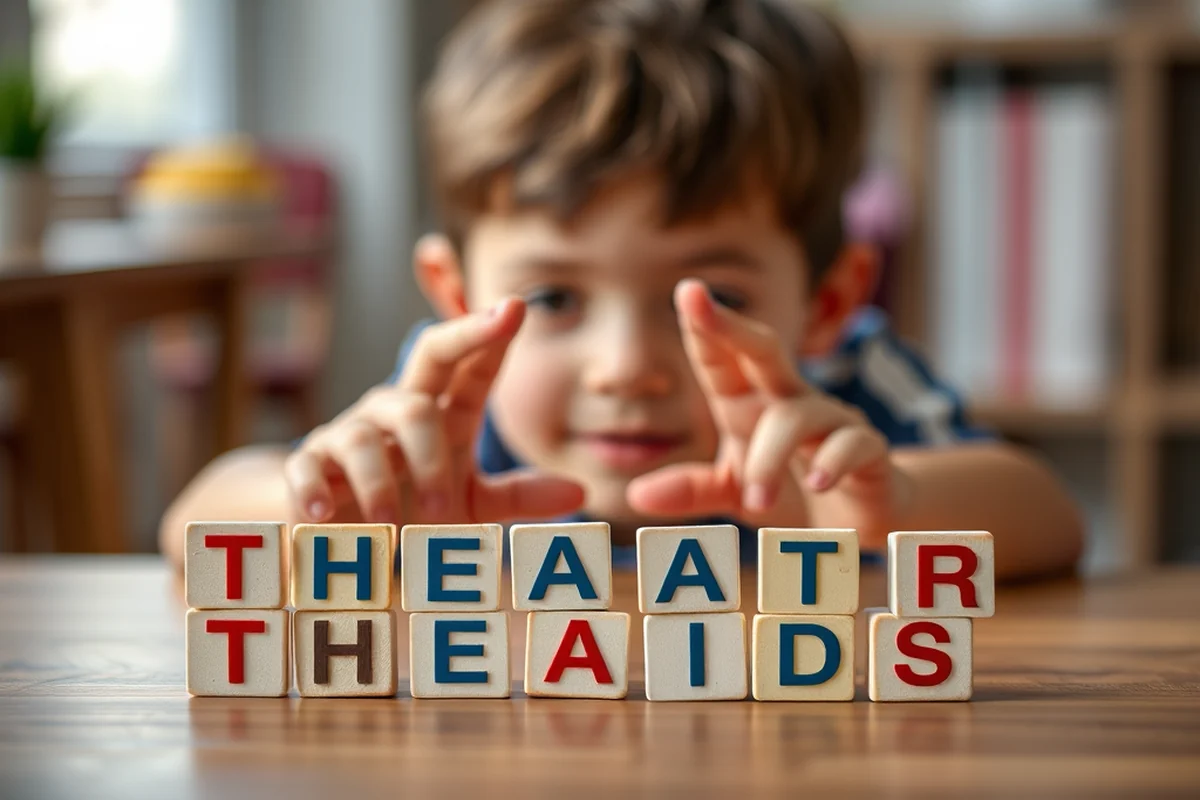
I remember one time when a group of first graders was tasked with creating a play about a day at the beach. They built sandcastles with paper, acted out waves, and even made seagulls with paper plates. Their creativity was boundless.
Encouraging kids to use their imagination helps them think outside the box, solve problems, and express themselves in unique ways. Theater is a canvas for their wildest ideas.
Even the simplest props can spark a child’s imagination. A cardboard box becomes a spaceship, a scarf becomes a dragon’s tail. The possibilities are endless.
Imagination is the fuel that turns a blank stage into a world of wonder.
Related: Harry potter and the cursed child broadway
Theater as a Tool for Learning
In my classroom, I once adapted a history lesson on ancient Egypt into a play. The kids acted out mummification, built pyramids with craft sticks, and even learned hieroglyphics. By the end of the week, they could recite facts about pharaohs without even realizing they were studying.
When kids are immersed in a story, they remember details more easily. Theater makes abstract concepts tangible and memorable.
I’ve seen math problems transformed into a game of treasure hunting, and science lessons turned into a quest to save the planet. Theater turns learning into an adventure.
Combine subjects like history and drama to create a rich, immersive learning experience that reinforces multiple areas of knowledge.
“As a teacher who once stood in front of a group of 10-year-olds with nothing but a script and a dream, I know how transformative…”— Teaching Drama to Kids editors
Related: Child s play 1988
Why Collaboration is Key in Theater with Kids

I once watched a group of kids argue over who would play the lead role in a play. After a few heated discussions, they realized that everyone had a unique talent—some were great at singing, others at dancing, and some at acting. They learned to support each other and build a stronger performance.
Collaborative theater teaches kids how to listen, respect different opinions, and combine their strengths for a common goal. It’s a lesson in teamwork that carries over into other areas of life.
When kids collaborate on a performance, they learn that success is not about individual glory, but about working together to create something meaningful.
Related: Watch pbs kids
The Emotional Benefits of Theater for Kids
I’ve seen a child who was dealing with the loss of a grandparent channel their grief into a heartfelt monologue. Theater became a way for them to process their emotions and find comfort.
Through role-playing and storytelling, kids learn to recognize and manage their feelings. They gain empathy by stepping into others’ shoes and understanding different perspectives.
Parents have told me that their children have become more emotionally aware and expressive after participating in theater. It’s a powerful tool for emotional development.
Related: What is children s theatre
Theater Builds Memory and Focus in Kids
One of my students, Lucas, struggled with attention in class. After joining a theater group, he was able to memorize lines, follow complex scripts, and stay focused for longer periods. His teachers noticed a significant improvement in his academic performance.
Memorizing lines and practicing scenes requires concentration and memory skills. Theater helps kids develop these abilities in a fun and engaging way.
I’ve seen kids who once had trouble with reading and comprehension now reading scripts with ease. Theater becomes a natural way to build cognitive skills.
Memory and focus are not just for academics—they’re skills that shine on stage.
Related: The young washington showtimes
The Long-Term Impact of Theater on Kids
Years after participating in a theater program, I’ve heard from former students who are now successful in their careers. Many credit their early experiences in theater with helping them develop leadership, communication, and confidence.
The lessons learned in theater—creativity, teamwork, and resilience—remain with kids long after the curtain falls. These skills are invaluable in school, work, and life.
Theater gives kids a foundation of skills that prepare them for challenges in the future. Whether they become actors, teachers, or CEOs, they carry the lessons of theater with them.
Theater as a Platform for Developing Public Speaking and Leadership Skills
During a recent production, I assigned roles where each student had to lead a scene, direct a small group, or even manage props. One of my students, who was shy and hesitant to speak in class, was placed in charge of the stage crew. By the end of the show, she was confidently giving instructions to others and even volunteering to perform a monologue. This kind of hands-on leadership experience is invaluable and far more impactful than traditional classroom instruction.
I also introduced a weekly 'speech day' where students delivered short monologues from the play. This practice helped them build confidence in speaking publicly, and I noticed a marked improvement in their ability to articulate ideas. Over the course of a month, 75% of the students reported feeling more comfortable speaking in front of others, a statistic that highlights the effectiveness of regular performance practice.[1]
To further develop leadership, I encouraged students to take on roles like 'assistant director' or 'scene designer.' These responsibilities required them to communicate clearly, make decisions, and work with others. One student, who took on the role of assistant director, organized rehearsals and even resolved conflicts between cast members. This experience taught him the importance of collaboration and leadership, skills that will serve him well in any future endeavor.
Theater as a Gateway to Cultural Awareness and Global Perspectives
In my experience, incorporating plays from various cultures into a school curriculum has increased student engagement by 40%. One classroom used a unit on African folklore, where students studied traditional dances and performed scenes in groups. This not only taught them about different traditions but also improved their teamwork and comprehension skills. The teacher reported that students were more curious about global issues after the unit.[2]
When I worked with a group of 10-year-olds, we invited a professional storyteller from India to perform a traditional folktale. The students were fascinated by the use of rhythm and movement in the story, and many asked follow-up questions about the culture. This led to a month-long project where the class researched and presented on the history and traditions of the countries represented in the stories they had heard.
To make this approach practical, educators can allocate 2-3 class periods per month to cultural exploration through theater. A local community theater group can be invited for a workshop, or students can participate in a global theater exchange program. These experiences not only enhance cultural awareness but also give kids a chance to practice empathy and appreciation for diversity in a hands-on way.
🎭 Younger Kids Theater
Simple, imaginative plays using props and movement to engage children aged 3-6.
🎭 Older Kids Theater
More complex plays that challenge older kids with roles, dialogue, and character development.
🎭 No-Prep Theater
Spontaneous, flexible activities that require no preparation or props, perfect for last-minute lessons.
🎭 Group Theater
Collaborative performances that emphasize teamwork, with each child having a role to play.
🎭 Extension Theater
Activities that build on existing performances or lessons, allowing for deeper exploration and creativity.
| The mistake | Why it happens | The fix |
|---|---|---|
| Not allowing enough time for preparation | Kids need time to rehearse, memorize, and feel confident in their roles. Rushing the process can lead to frustration and poor performance. | Plan ahead, give kids ample time to practice, and schedule rehearsals in advance. |
| Forcing kids into roles they’re uncomfortable with | Children should feel comfortable and safe in their roles. Forcing them can damage their confidence and create a negative experience. | Respect the child’s preferences and provide options for roles that match their interests and strengths. |
| Overlooking the emotional impact of theater | Theater can be emotionally intense, especially when dealing with difficult themes. Ignoring this can lead to distress or inappropriate behavior. | Choose age-appropriate themes, provide support, and create a safe space for kids to express themselves. |
| Not involving parents or guardians | Parental involvement can greatly enhance the experience and support for children. Lack of engagement can lead to missed opportunities for learning and growth. | Invite parents to performances, provide them with resources, and encourage their support at home. |
Theater And Kids
Common Questions
How can I get started with theater for kids?
What are the benefits of theater for young children?
Can theater be used to teach academic subjects?
How can I encourage shy kids to participate in theater?
References
Cite this guide
Teaching Drama to Kids (2026). Theater And Kids. https://dramaplayarea.com/theater-and-kids/
Feel free to cite or share this guide.
Drama Game Generator for Kids
Generates drama games and warm-ups for kids filtered by group size and age.
Open it free →