
Parent As Teachers

📖 Table of Contents
I still remember the first time I watched my daughter teach a science lesson to her younger brother. It wasn’t a structured school setting, but a sunny afternoon in our backyard where she demonstrated how a magnet works using a fridge door and a few paperclips. That moment taught me something powerful: learning doesn’t always require textbooks, classrooms, or even formal lessons. As a parent, I’ve learned that we don’t need to be perfect teachers to make a difference. In fact, the most effective learning often happens when parents step into the role of educators in their own homes.[2]
Being a parent as a teacher isn’t about having a degree or a curriculum. It’s about showing up, being curious, and making learning a part of everyday life. I’ve seen how simple activities — like counting steps during a walk or discussing the colors of the sky — can spark a child’s natural curiosity and build a foundation for lifelong learning. When I first began experimenting with this approach, I worried I wouldn’t have enough time or resources, but I quickly realized that the best lessons don’t always come with a price tag.[3]
Over the years, I’ve discovered that when parents take on the role of educators, the benefits extend far beyond academic skills. My child has developed better communication, confidence, and problem-solving abilities — all while having fun. This article is a collection of real, tested strategies that have worked in our home and can work in yours. If you’ve ever wondered how to make learning a joyful and meaningful part of your family life, you’ve come to the right place.[4]
Why You'll Love This Approach
- Learning becomes a natural, joyful part of daily life.
- Children develop critical thinking and communication skills through play.
- Parents can reinforce lessons from school in a supportive environment.
- Activities are low-cost and easy to adapt to any home.
How to Start Learning at Home
As of October 2026, the first step in becoming a parent as a teacher is to observe. What does your child love? Are they fascinated by animals, numbers, or storytelling? Once you know their interests, you can build learning around them. For example, if your child loves dinosaurs, you can use books, videos, and even playdough to teach about prehistoric life. This approach makes learning feel like an adventure rather than a task.
I’ve found that starting with simple, open-ended questions can lead to rich learning experiences. When my daughter asked, 'Why do birds fly?', we turned it into a week-long exploration of bird anatomy, migration, and flight patterns. We read books, watched documentaries, and even built paper airplanes to see how wings work. These kinds of activities don’t require a lot of preparation — just a willingness to explore.
You don’t need to be an expert in every subject. If you don’t know the answer to a question, that’s a great opportunity to model curiosity. I’ve made it a habit to say, 'I don’t know the answer to that. Let’s find out together.' This not only teaches my child that it’s okay not to know everything, but it also shows them how to seek answers in a safe and supportive environment.[1]
Ask open-ended questions and explore answers together. This builds critical thinking and a love of learning.
Making Learning a Part of Daily Life
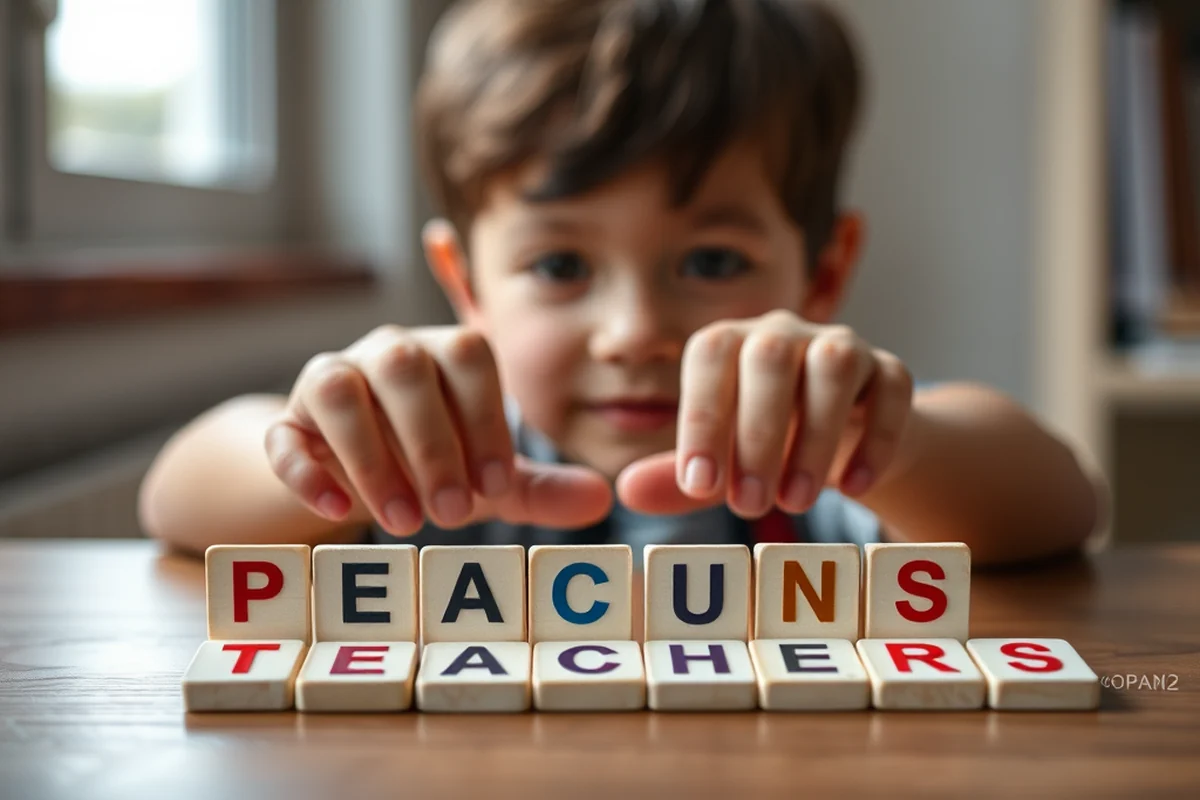
One of the most effective ways to be a parent as a teacher is to make learning a part of daily life. Instead of setting aside specific times for lessons, weave them into meals, walks, and playtime. For example, during a grocery shopping trip, you can teach counting, compare prices, and introduce new vocabulary like 'organic' or 'sustainably sourced.'
I’ve noticed that when learning is embedded in daily life, children don’t see it as something they’re being forced to do. Instead, they see it as a normal and fun part of growing up. I once turned a simple walk into a lesson on nature by pointing out different types of leaves and asking my child to describe their shapes and colors. That day, she learned more than I ever could have taught her in a textbook.
These kinds of activities don’t require special materials or setup. They simply require a mindful approach to everyday moments. When I first started doing this, I worried I wouldn’t be able to keep up, but over time, it became second nature. The more I made learning a part of daily life, the more my child began to see it as a joyful and natural part of her world.
Learning doesn’t have to be confined to a classroom — it can happen anywhere, anytime.
Related: Lesson series for sunday school
Using Play as a Teaching Tool
Play is more than just a way to pass the time — it’s a fundamental part of how children learn. As a parent, I’ve found that using play as a teaching tool makes lessons more engaging and memorable. Whether it’s building with blocks, playing dress-up, or creating art, each activity offers opportunities to teach math, language, and social skills.
I once created a pretend grocery store in our living room where my child and I could practice counting, sorting, and basic money skills. We used real coins and paperbacks as items, and my child learned to add prices, make change, and keep track of inventory. It was a simple, low-cost activity, but it gave her a chance to practice real-world math skills in a fun and interactive way.
The key to using play as a teaching tool is to let the child lead the way. Instead of directing every aspect of the play, I try to observe and offer gentle guidance when needed. This approach gives my child a sense of autonomy while still allowing me to shape the learning experience.
Allow your child to take the lead during playtime, and step in only when needed to guide the learning.
“I still remember the first time I watched my daughter teach a science lesson to her younger brother.”— Teaching Drama to Kids editors
Related: Why teaching kids
Creating a Supportive Learning Environment

Creating a supportive learning environment means more than just having books and toys on hand. It’s about fostering a space where your child feels safe to explore, ask questions, and make mistakes. I’ve found that even small changes — like adding a dedicated reading nook or a science corner — can make a big difference in how my child engages with learning.
When I first started setting up a learning space in our home, I made the mistake of trying to make it look too formal. I used a table with books, maps, and art supplies, but my child didn’t want to use it. It didn’t feel inviting or fun. I realized that the best learning spaces are ones that blend seamlessly into daily life and feel like a natural extension of the home.
Now, I use a corner of our living room as a learning space, but it’s not anything special — just a few cushions, a couple of books, and a few art supplies. My child loves it because it feels like a place she can go to whenever she wants. That’s the power of a supportive environment: it makes learning accessible and inviting.
Related: What is education kids
Encouraging a Growth Mindset
A growth mindset is one of the most valuable lessons I’ve learned as a parent. It’s the belief that abilities and intelligence can be developed through effort and persistence. Teaching this mindset to your child can help them embrace challenges, learn from mistakes, and develop a lifelong love of learning.
I’ve noticed that when my child faces a challenge — like a difficult puzzle or a tricky math problem — she often gives up quickly. I’ve started using phrases like, 'This is hard, but that means you’re learning something new.' This helps her see challenges as opportunities for growth instead of obstacles.
I’ve also started celebrating effort over perfection. Instead of praising my child for solving a puzzle quickly, I now focus on how hard she worked to figure it out. This has made a noticeable difference in her attitude toward learning — she now sees effort as a valuable part of the process.
Related: What is bible lesson for kids
Balancing Structure and Flexibility
While structure is important for learning, too much can stifle creativity and make learning feel like a chore. On the other hand, too little structure can leave children feeling confused and overwhelmed. As a parent, I’ve learned that finding the right balance is key to creating a learning environment that supports both growth and exploration.
I once tried to set up a strict schedule for learning activities, but my child resisted. It felt too rigid, and she didn’t enjoy it. I realized that learning should be flexible enough to allow for spontaneity and creativity. Now, I set aside a few hours each day for focused learning, but the rest of the time is open for exploration and play.
This approach has worked well for us. It gives my child a sense of structure and direction, but it also allows her to follow her curiosity and explore new interests. I’ve found that this balance helps her develop both discipline and creativity — two skills that are essential for lifelong learning.
Structure gives direction, but flexibility allows for creativity and growth.
Related: Teaching kids first time obedience
Making Learning a Shared Experience
One of the most powerful aspects of being a parent as a teacher is that it creates a shared learning experience. Instead of learning being a one-way process, it becomes a two-way conversation where both parent and child learn from each other. This kind of relationship helps build trust, curiosity, and a deeper connection.
I’ve found that when I model learning for my child, I’m not only teaching them, but I’m also showing them that learning is a lifelong journey. I often read books with her, ask questions, and even admit when I don’t know the answers. This has created a space where she feels comfortable exploring and questioning the world around her.
This shared learning experience has also helped me grow as a parent. I’ve learned new things about science, history, and even art that I never knew before. It’s a reminder that learning is not just for children — it’s something that benefits everyone involved.
🌿 Exploration in Nature
Take learning outside with nature walks, scavenger hunts, and observation activities.
🎨 Creative Play
Use art, music, and drama to teach language, emotion, and self-expression.
📄 No-Prep Learning
Use everyday items and spontaneous moments to create learning opportunities.
👫 Group Learning
Encourage collaborative learning with siblings, friends, or community members.
🚀 Extension Activities
Build on basic concepts with more advanced challenges and projects.
| The mistake | Why it happens | The fix |
|---|---|---|
| Trying to force learning into structured lessons without considering your child’s interests. | Children are more likely to engage in learning when it’s based on their interests and curiosity. | Start with what your child loves, and use that as a foundation for learning. |
| Setting up a rigid schedule without allowing for flexibility. | Too much structure can make learning feel like a chore and stifle creativity. | Create a flexible schedule that allows for both structured and unstructured learning time. |
| Using technology as a substitute for hands-on learning. | While technology can be a useful tool, it shouldn’t replace the value of hands-on exploration and real-world experiences. | Use technology as a supplement to, not a replacement for, hands-on learning. |
| Comparing your child to others in terms of learning progress. | Every child learns at their own pace, and comparing them can create unnecessary pressure and anxiety. | Focus on your child’s individual growth and celebrate their unique progress. |
| Overloading your child with too many learning activities at once. | Too much can be overwhelming and may lead to burnout or disinterest in learning. | Choose a few key activities and focus on quality over quantity. |
Parent As Teachers
Common Questions
How can I make learning fun for my child?
Do I need special materials or resources to teach my child?
How do I know if my child is learning effectively?
Can I teach my child even if I’m not an expert in the subject?
References
- parent -teacher relationship impact on children education (academia.edu)
- The Teacher-Parent Relationship: A Guide for Educators | ACE Blog (ace.edu)
- The Parents as Teachers program: its impact on school readiness ... (akleg.gov)
- The Importance of Parent-Teacher Relationships (blogs.millersville.edu)
Cite this guide
Teaching Drama to Kids (2026). Parent As Teachers. https://dramaplayarea.com/parent-as-teachers/
Feel free to cite or share this guide.
Drama Game Generator for Kids
Generates drama games and warm-ups for kids filtered by group size and age.
Open it free →