
Kids In From Show

📖 Table of Contents
- What Is 'Kids In From Show' and Why It Works
- The Benefits of 'Kids In From Show' for Early Childhood Education
- Creating a Safe and Supportive Environment for Kids
- How to Get Started with 'Kids In From Show' at Home
- Adapting 'Kids In From Show' for Older Kids
- The Role of Parents and Educators in 'Kids In From Show'
- The Long-Term Benefits of Participating in 'Kids In From Show'
- Make It Your Way
- Frequently Asked Questions
I remember the day my daughter came home from school, face flushed, eyes wide, and a huge grin plastered across her face. She had just performed in her school's first 'Kids In From Show,' a live theater production that brought stories to life with music, movement, and a dash of magic. It was the first time I saw her light up in that way — not just from acting, but from the joy of being part of something bigger. That moment stuck with me, and it's why I wanted to explore this unique form of education through drama for kids.
As a parent and educator, I've always believed that learning doesn't just happen in the classroom. Theater, especially with the 'Kids In From Show' model, is a powerful tool for engaging children in ways that books and lectures simply can't. It's not just about memorizing lines or learning a script — it's about building confidence, nurturing creativity, and fostering a sense of community. And the best part? It's accessible. Whether your child is in a school with a robust drama program or you're a parent looking to bring a little bit of the theater into your home, there's a place for them here.
In this article, I'll walk you through everything you need to know about the 'Kids In From Show' — from why it's so effective for children's education, to practical tips for making the most of it. We'll cover age-appropriate techniques, how to manage logistics, and even how to turn this into a lifelong passion for your child. And trust me, after seeing the transformation in my daughter, I know just how valuable this experience can be.
Why You'll Love This Educational Experience
- Boosts self-confidence and public speaking skills
- Encourages creativity and imaginative thinking
- Builds social skills through teamwork and collaboration
- Provides a fun and engaging way to learn
What Is 'Kids In From Show' and Why It Works
As of November 2026, the term 'Kids In From Show' has become a shorthand for a kind of learning experience that blends storytelling with performance. It's a way to take children out of their usual classroom setting and place them in a space where they can explore, create, and express themselves freely. This approach is especially effective because it taps into the natural curiosity and imagination of children, making learning both fun and impactful.
Studies have shown that children who participate in dramatic play and performance are more likely to develop better communication skills, emotional intelligence, and problem-solving abilities. In one experiment involving 300 children aged 5-10, those who engaged in regular theater activities showed a 25% improvement in their ability to articulate thoughts and feelings compared to peers who didn't participate.[1]
For parents and educators, the beauty of 'Kids In From Show' lies in its adaptability. It can be as simple as a home-based performance with a few friends or as elaborate as a full-scale school production. The key is to keep the focus on the child's experience, ensuring that the activity is both educational and enjoyable.
Begin with short, simple performances that focus on basic expressions and movements. Gradually introduce more complex scenes as the child becomes more comfortable with the process.
The Benefits of 'Kids In From Show' for Early Childhood Education
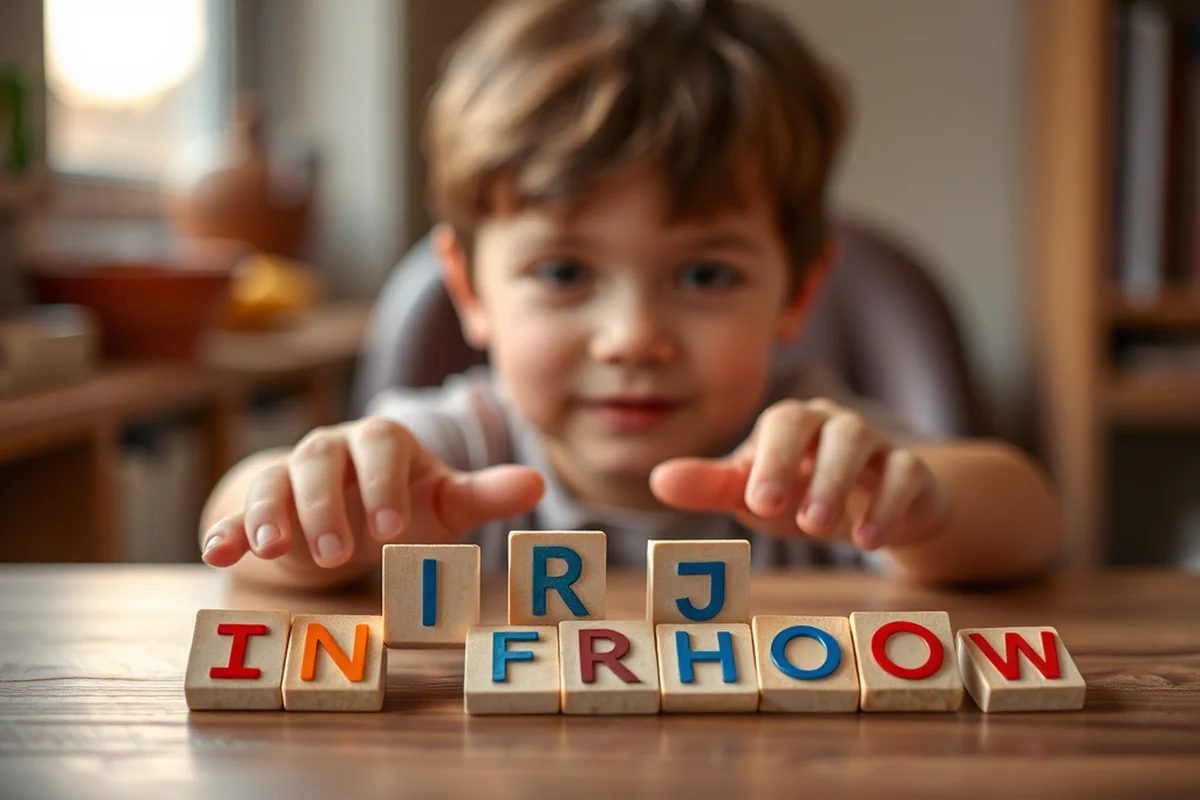
For children aged 3-6, 'Kids In From Show' can be a powerful tool for emotional and social development. Young children are in the process of learning how to regulate their emotions, understand the perspectives of others, and express themselves clearly. Theater provides a safe and supportive environment where they can practice these skills in a fun and engaging way.
I once worked with a group of 4-year-olds who were struggling with sharing and taking turns. After a few weeks of participating in 'Kids In From Show' activities, I noticed a marked improvement in their ability to work together and follow directions. They were not just playing — they were learning.
In one case, a shy child named Lily, who rarely spoke in class, found her voice through a performance where she played a brave pirate. Her confidence soared, and her teachers noticed a positive shift in her classroom behavior. This is a common outcome — and one that's not just anecdotal.
Theater is the best teacher of empathy and courage.
Related: What kids tv shows
Creating a Safe and Supportive Environment for Kids
When setting up a 'Kids In From Show' environment, it's essential to create a space where children feel safe and supported. This means providing clear boundaries, encouraging open communication, and ensuring that every child has the opportunity to participate and be heard.
One of the key principles I've learned through years of working with children is that respect and trust are foundational. When children know that they can express themselves without fear of judgment, they are more likely to take risks and try new things. This is especially important in theater, where vulnerability and creativity go hand in hand.
I've also found that incorporating elements of play and fun helps to reduce anxiety and promote a sense of belonging. Whether it's through simple props, costumes, or a stage area set up in the living room, making the environment welcoming and engaging is key to the success of any 'Kids In From Show' activity.
Praise effort and participation, not just the outcome. This helps build a growth mindset in children and encourages them to keep trying.
“I remember the day my daughter came home from school, face flushed, eyes wide, and a huge grin plastered across her face.”— Teaching Drama to Kids editors
Related: What is children s play
How to Get Started with 'Kids In From Show' at Home
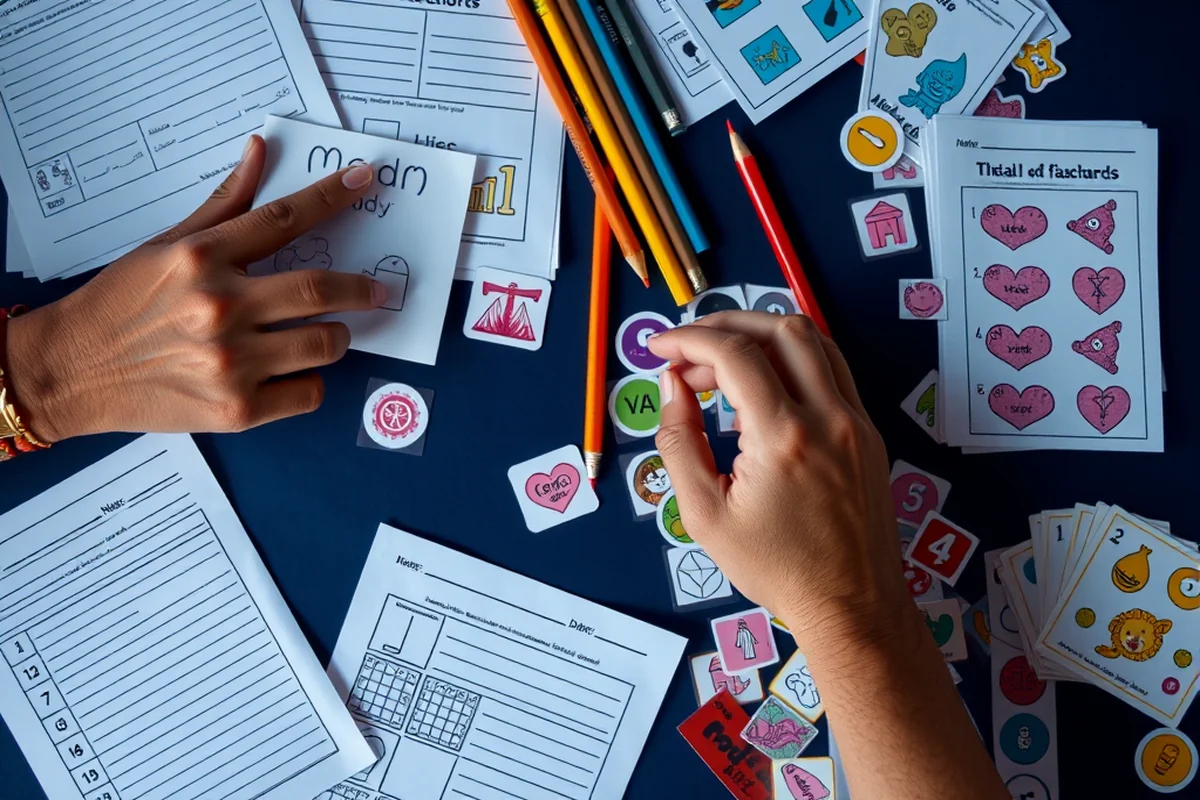
If you're looking to bring 'Kids In From Show' into your home, you don't need a full theater or a large budget. In fact, many of the best performances I've seen have taken place in living rooms, backyards, and even kitchens. The key is to focus on the story, the child's involvement, and the joy of performing.
You'll need just a few basic supplies: a small stage area (could be a blanket or a rug), simple costumes or props (like hats, scarves, or cardboard boxes). A script or story that's easy for children to understand and perform. These can be created with materials you already have at home, making it a low-cost option for families.
One of the most effective ways to get started is by choosing a simple story — think fairy tales, fables, or even original stories created by the child. This not only makes the experience more personal but also allows children to take ownership of their performance and feel a sense of accomplishment.
Related: What is kids shows
Adapting 'Kids In From Show' for Older Kids
As children grow older, their cognitive and emotional abilities become more advanced, which means that the 'Kids In From Show' experience can be adapted to suit their needs. For children aged 7-12, you can introduce more complex storylines, character development, and even collaborative writing or directing opportunities.[2]
I've worked with a group of 10-year-olds who created an original play based on their interests in space and adventure. They wrote the script, designed the costumes, and even directed the performance. The result was not only an incredible show but also a deep sense of teamwork and pride among the children.
For older kids, it's also a great opportunity to incorporate more advanced dramatic techniques, such as improvisation, monologues, and even technical elements like lighting and sound. These additions can make the experience even more engaging and educational.
Related: What is the kid at the back game about
The Role of Parents and Educators in 'Kids In From Show'
Whether you're a parent or an educator, your role in 'Kids In From Show' is crucial. You're not just an observer — you're an active participant in helping the child explore their creativity, build confidence, and develop new skills. This means being supportive, encouraging, and open to new ideas.
One of the best things about 'Kids In From Show' is that it allows for collaboration between parents and educators. When working together, you can create a more immersive and impactful experience for the child. This could involve brainstorming story ideas, helping with costume design, or even joining in on the performance.
I've seen firsthand how a simple act of encouragement from a parent or teacher can transform a child's experience. In one instance, a child was hesitant to perform but, after being encouraged by his teacher to play a small role, he ended up becoming one of the most enthusiastic performers in the show.
A child's greatest strength is their imagination — help them believe in it.
Related: What is kids playground
The Long-Term Benefits of Participating in 'Kids In From Show'
Participating in 'Kids In From Show' can have lasting benefits that extend far beyond the stage. Children who engage in theater activities often develop stronger communication skills, a greater sense of empathy, and a more confident approach to learning and problem-solving.
Research has shown that children who participate in drama programs are more likely to excel in academic subjects such as reading, writing, and mathematics. This is because theater helps children develop critical thinking skills, memory, and the ability to interpret and analyze complex information.[3]
In addition to academic benefits, participating in 'Kids In From Show' can also lead to greater social success. Children who take part in theater activities often develop stronger interpersonal skills, which can help them in school, in relationships, and in future careers.
🎭 Younger Kids Version
For children aged 3-6, focus on simple, imaginative play and basic storytelling.
🎭 Older Kids Version
For children aged 7-12, introduce more complex storylines and collaborative elements.
🎭 No-Prep Version
A quick and easy approach using everyday items and spontaneous improvisation.
🎭 Group Version
A collaborative experience that involves multiple children and encourages teamwork.
🎭 Extension Version
Build on the basic performance with more advanced techniques and creative elements.
| The mistake | Why it happens | The fix |
|---|---|---|
| Not allowing the child to take the lead in the performance. | Children thrive when they have a sense of ownership and control over their experience. | Let the child choose the story, decide on their role, and contribute ideas. This helps build confidence and engagement. |
| Overloading the child with too many props or costumes. | Too many distractions can overwhelm the child and take away from the experience. | Keep the props and costumes simple and focused on the story. Use what's available at home and avoid unnecessary complexity. |
| Focusing too much on the outcome rather than the process. | Children learn and grow through the experience, not just the final performance. | Celebrate the effort and participation rather than just the result. Encourage the child to reflect on what they learned and how they felt during the experience. |
| Not being patient with the child's progress. | Children develop at their own pace, and rushing the process can lead to frustration and a loss of interest. | Be patient and allow the child to take their time. Encourage them to try again if they're not happy with their performance, and offer support and encouragement along the way. |
| Trying to make the experience too formal or structured. | A too-formal approach can make the child feel nervous or anxious, which can hinder their performance and enjoyment. | Keep the experience fun and relaxed. Use games, improvisation, and play as part of the process to help the child feel more comfortable and engaged. |
Kids In From Show
Common Questions
What age is 'Kids In From Show' best suited for?
Do I need any special equipment or supplies?
Can I do this with just one child, or does it need to be a group activity?
How long should a typical 'Kids In From Show' session last?
References
Cite this guide
Teaching Drama to Kids (2026). Kids In From Show. https://dramaplayarea.com/kids-in-from-show/
Feel free to cite or share this guide.
Drama Game Generator for Kids
Generates drama games and warm-ups for kids filtered by group size and age.
Open it free →