
How To Play Kids

📖 Table of Contents
I remember the first time I watched a group of 5-year-olds in my classroom lose themselves in a game of pretend. They were building a spaceship out of cardboard boxes, arguing about who would be the captain, and even creating a ‘mission log’ with crayon. It was raw, messy, and completely magical. That moment taught me that when kids are given the space to ‘play,’ they’re not just having fun—they’re learning how to think, collaborate, and solve problems. And yet, many parents and teachers still struggle with the question: how to play kids, especially in a way that’s both engaging and educational.[1]
The truth is, play is the most powerful tool in a child’s development. It’s how they explore the world, practice social skills, and build emotional resilience. But not all play is created equal. Too often, we fall into the trap of structured play that feels more like work. The key is to create an environment where kids are not only playing but also learning—without them even realizing it. That’s where the magic happens.[2]
So how do you create that kind of play? It starts with understanding the child’s natural curiosity and giving them the tools to explore it. It’s about offering open-ended materials, encouraging imaginative thinking, and stepping back just enough to let the child lead. In this article, I’ll walk you through exactly how to play kids in a way that’s both fun and educational. Whether you’re a parent, teacher, or caregiver, you’ll find practical strategies and real-life examples to bring the joy of play into your home or classroom.
Why You'll Love This Guide to How to Play Kids
- Encourages creativity and problem-solving skills
- Builds social and emotional intelligence
- Promotes learning through play, not worksheets
- Easy to implement with minimal materials
The Power of Open-Ended Play
As of October 2026, when I first started teaching, I was convinced that structured play was the only way to ensure learning. But after years of trial and error, I realized that open-ended play is where the real magic happens. It’s not about telling a child what to do—it’s about letting them explore, create, and make mistakes without fear.
I once set up a bin of empty boxes, paper. Glue in my classroom, and within minutes, the kids were turning them into forts, castles, and even a ‘space station.’ They were arguing, collaborating, and using language in ways I never could have taught them in a lesson. That’s the power of open-ended play—it’s about giving kids the tools and letting them take the lead.
Research shows that open-ended play significantly improves a child’s cognitive, social, and emotional development. It allows them to think critically, make decisions, and build confidence in their own abilities. And the best part? It doesn’t require expensive toys or elaborate setups. Just a few simple materials and a willingness to let the kids take the reins.[3]
Fill a bin with paper, boxes, glue, and scissors. Let the kids take over and see where their imaginations take them.
The Role of the Adult in Play
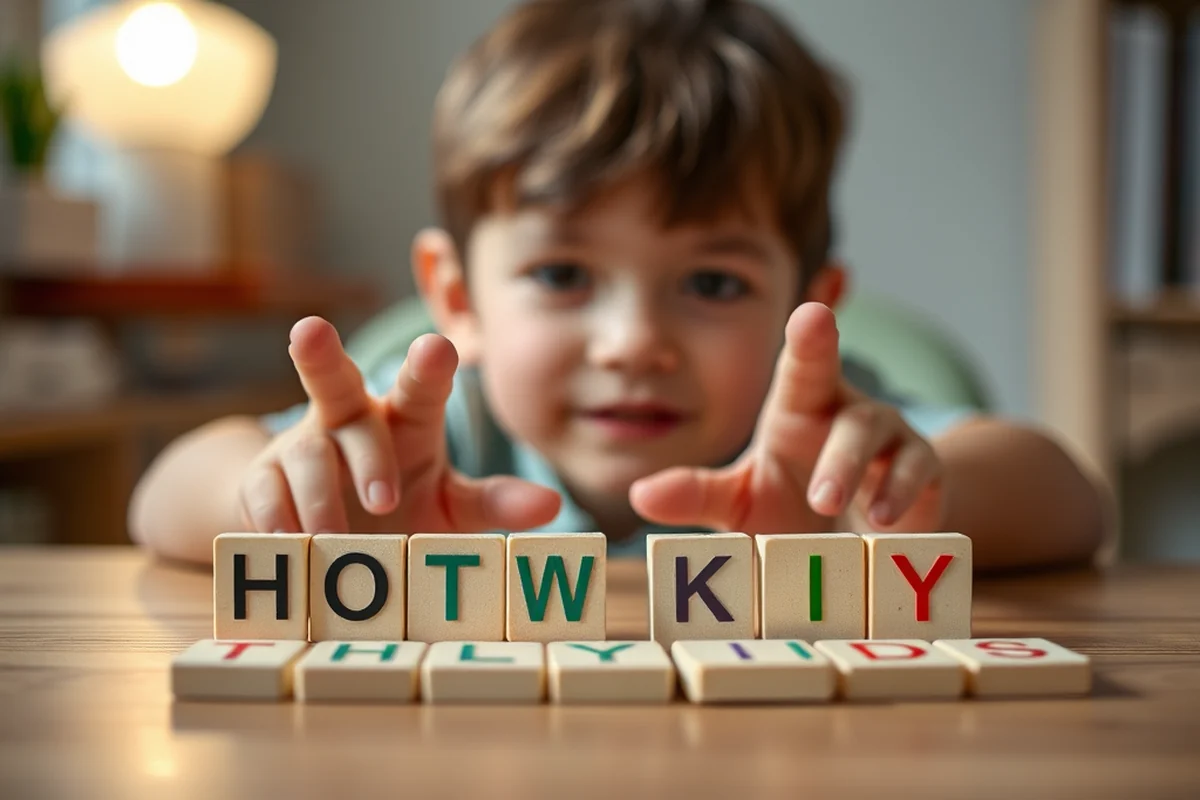
I used to think my job was to make sure the kids were learning something from every activity. But I’ve learned that the most valuable lessons come from the kids themselves. My role is not to direct their play but to observe, ask questions, and gently guide them when needed.
For example, if a group of kids is pretending to be a restaurant, I might ask, 'What happens when a customer comes in?' or 'How do the chefs decide what to cook?' These open-ended questions help them think deeper and engage more fully with their play.
It’s important to step back and let the kids take the lead. I’ve seen how powerful that can be—when they’re given the space to make decisions, solve problems, and lead the way, they grow in ways that are both surprising and profound.
Let the kids lead the way.
Related: What is children playground
The Magic of Pretend Play
One of the most powerful forms of play is pretend play. It’s where kids step into other roles, create imaginary worlds, and explore their emotions in a safe way. I’ve watched children become teachers, doctors, astronauts, and even presidents, all through the simple act of pretending.
I once had a group of 4-year-olds who were pretending to be a family. They were arguing about where to live, what to eat. How to deal with a ‘storm.’ It was incredible to watch them work through these scenarios, using words, gestures, and even a blanket as a ‘storm cloud.’
Pretend play is a way for kids to process their feelings, build language skills, and practice social interactions. It’s not just fun—it’s a form of learning that’s deeply embedded in their development.
Set up a small corner with a blanket, a chair, and some props. Let the kids choose who they want to be and what they want to do.
“I remember the first time I watched a group of 5-year-olds in my classroom lose themselves in a game of pretend.”— Teaching Drama to Kids editors
Related: What is child s play 3 about
Play as a Learning Tool
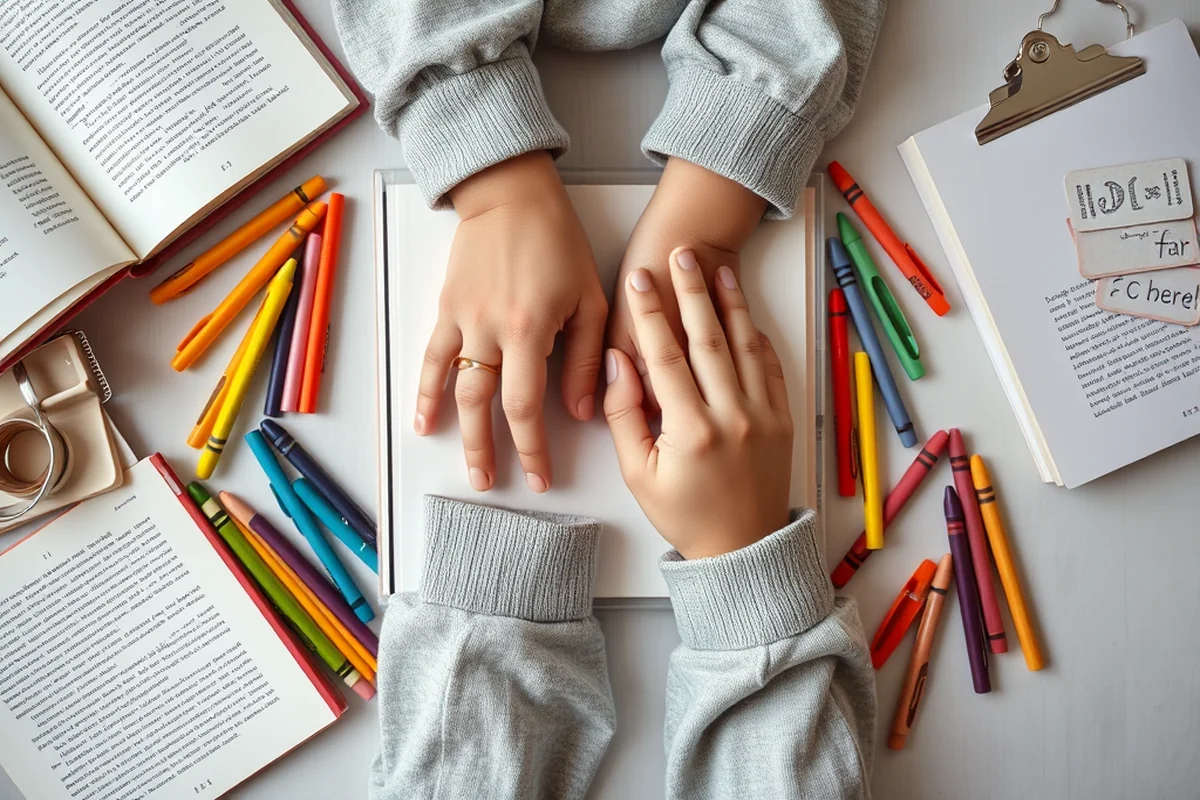
I used to think that learning had to happen in the classroom, with books and worksheets. But I’ve realized that play can be a powerful learning tool. Whether it’s counting blocks, sorting colors, or exploring gravity with a ball and a ramp, children are learning in ways they don’t even realize they are.
One of my favorite activities was a simple game of ‘I Spy’ where the kids had to find objects in the room that matched a certain color, shape, or size. It was a way to teach classification and observation skills while keeping the kids engaged and excited.
The best part about using play as a learning tool is that it’s not forced. It’s natural, it’s fun, and it’s something the kids are already doing. All I have to do is observe and support when needed.
Related: The kid detective reviews
The Importance of Scaffolding in Play
Scaffolding in play is like giving a child a gentle push when they’re just about to reach a new level of understanding. It’s not about taking over or guiding them too much—it’s about offering just enough support to help them explore and grow.
For instance, if a child is trying to build a tower with blocks but keeps knocking it down, I might ask, 'What do you think would happen if you made the base wider?' This kind of support helps them think through the problem without giving them the answer outright.
Scaffolding in play helps children build confidence, problem-solving skills, and resilience. It’s a way to support their learning without taking over the process.
Related: Cast for kindergarten cop
Creating a Play-Friendly Environment
A play-friendly environment is one where children feel safe to explore, make mistakes, and try new things. It’s not about having the fanciest toys or the most organized space—it’s about giving them the freedom to move, create, and play in their own way.
In my classroom, I always made sure to have a mix of open spaces, quiet corners, and creative areas. I had a block area, a pretend play zone, and a reading nook. Each space allowed the kids to choose what they wanted to do and how they wanted to spend their time.
A play-friendly environment is also one where the adults are present but not overbearing. It’s about being a supportive presence that allows the kids to take the lead and explore their interests without interference.
Let your space be a place of freedom and exploration.
Related: What is children s train about
The Benefits of Unstructured Play
I used to think that all play had to be structured in some way. But I’ve learned that unstructured play has its own unique benefits. It’s where children can explore their interests, build their own rules, and develop social skills in a natural way.
One of the most powerful moments in my teaching career was when I watched a group of kids spend an entire afternoon building a ‘fort’ out of blankets and pillows. They were arguing about who would be in charge, how to organize the space, and even how to create a ‘secret tunnel’ under the floor. It was messy, chaotic, and completely amazing.
Unstructured play is a way for children to develop their own thinking, problem-solving, and social skills. It’s about giving them the space to be themselves and to learn in their own way.
🌌 Imaginary Worlds
Children create their own worlds and roles, such as astronauts, pirates, or animals, and act them out using props and imagination.
🎨 Creative Art Play
Using paint, paper, and other materials to explore colors, shapes, and textures in a fun and open-ended way.
🧺 No-Prep Play
Use everyday items like boxes, socks, and fabric to create play areas with minimal preparation and cost.
👥 Group Play
Children work together in teams to create a shared game or project, building social skills and collaboration.
🚀 Extension Play
Take a simple activity and add new elements, like a timer, a goal, or a new rule, to deepen learning and engagement.
| The mistake | Why it happens | The fix |
|---|---|---|
| Over-directing the play | When adults take over too much, it can stifle creativity and make the child feel like they’re being taught rather than playing. | Step back and let the child lead. Ask open-ended questions and observe without interfering. |
| Not providing enough materials | If the child doesn’t have enough materials, they can’t fully explore their ideas or create their own world. | Provide a variety of open-ended materials like boxes, fabric, paper, and craft supplies to encourage creativity. |
| Forcing the child to play a specific way | When adults force a child to play a certain way, it can lead to frustration and a lack of interest in play. | Let the child decide how they want to play. Offer options, but don’t force them to choose. |
| Not allowing enough time for play | If children don’t have enough time to play, they may not be able to fully engage or explore their interests. | Make sure to allow ample time for play each day. It’s an important part of development and learning. |
How To Play Kids
Common Questions
What if my child doesn’t want to play?
How can I encourage my child to play with others?
What if my child is too focused on one activity and won’t try something new?
How can I ensure my child is learning while playing?
References
- Brain Activation in Sleeping Toddlers Shows Memory for Words (ucdavis.edu)
- The Powerful Role of Play in Early Education (cde.ca.gov)
- The value of open-ended play - MSU Extension (canr.msu.edu)
Cite this guide
Teaching Drama to Kids (2026). How To Play Kids. https://dramaplayarea.com/how-to-play-kids/
Feel free to cite or share this guide.
Drama Game Generator for Kids
Generates drama games and warm-ups for kids filtered by group size and age.
Open it free →