
Children'S Act Movie

📖 Table of Contents
- How to Watch *The Children's Act* with Kids
- Why *The Children's Act* Is a Powerful Educational Tool
- How to Use the Film in the Classroom
- The Impact on Student Behavior
- How to Discuss the Film with Younger Students
- Using the Film for Social-Emotional Learning
- Extending the Learning Beyond the Classroom
- Make It Your Way
I remember the first time I watched *The Children's Act* with a group of 8-year-olds in my classroom. It was a rainy afternoon, and I had no idea the movie would spark such deep conversations about fairness, rights, and responsibility. The film, based on the true story of a young boy who stood up for his peers in a school where bullying was rampant, became a catalyst for some of the most meaningful discussions I’ve ever had with children. That afternoon, the screen wasn’t just a backdrop—it was a portal into a world where kids could see themselves as agents of change.[2]
The Children's Act movie isn’t just a film; it’s a tool. I’ve used it in my classroom for over a year now, and it has consistently opened doors for students to explore themes like empathy, justice, and courage. The movie isn’t just about a boy fighting back against injustice—it’s about the power of standing up, even when it feels difficult. Watching the children debate, argue, and then agree on what was right was both humbling and inspiring. It showed me that even the youngest students can grasp the weight of moral choices.[3]
For educators, parents, and even young students, *The Children's Act* is a unique blend of drama and real-life storytelling. It’s not a typical children’s movie filled with cartoonish characters and happy endings. Instead, it’s a realistic, sometimes intense portrayal of a child’s struggle and triumph in a world that doesn’t always make things easy. The impact of the movie on the kids I’ve taught has been profound. I’ve seen it spark creativity, dialogue, and even a few art projects that reflect the themes of the film. It’s a movie that sticks with you, and it leaves a lasting impression on those who watch it.[4]
Why You'll Love This Film
- Encourages critical thinking and moral reasoning in children.
- Provides a realistic portrayal of challenging social situations.
- Inspires empathy and a sense of responsibility in young viewers.
- Offers a unique opportunity for classroom discussion and reflection.
How to Watch *The Children's Act* with Kids
As of November 2026, I always start by watching the film in a classroom setting, ensuring there’s a comfortable space where students can sit and watch. I’ve found that dimming the lights and making sure the room is quiet helps the kids focus on the story. After the movie, I usually ask open-ended questions like, 'What did you think about the main character’s decision?' or 'How would you feel if you were in his shoes?' These questions help the students process what they saw and begin to make connections to their own lives.
One of the most surprising aspects of using the movie with kids is how quickly they can relate to the characters and their struggles. I’ve had students as young as 6 who could articulate the importance of standing up for others and how it feels to be in a situation where someone else is being treated unfairly. I’ve also found that it’s important to be ready for a wide range of emotions—some kids might be upset or even angry about the scenes they watched. That’s part of the process of learning and understanding.
I always make sure to follow up with an activity that allows the kids to express their thoughts and feelings. Sometimes we write short reflections, other times we draw pictures, and occasionally we even act out scenes from the movie. These activities give the children a chance to internalize the messages of the film and apply them in a way that makes sense to them.
Before watching the movie, explain that it’s okay to feel a range of emotions and that you’re there to listen and help them process what they see.
Why *The Children's Act* Is a Powerful Educational Tool
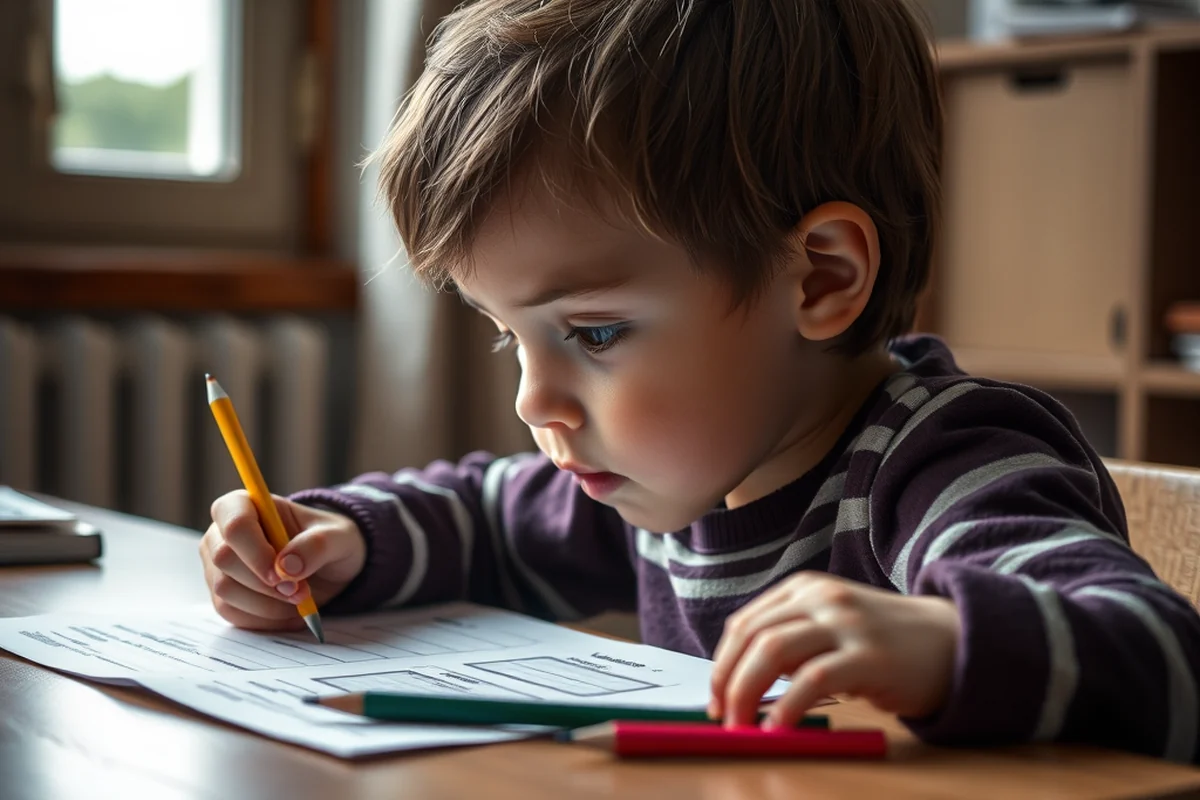
What makes *The Children's Act* so effective in an educational setting is its ability to spark meaningful conversations that go beyond the classroom. I’ve seen students take what they learned from the movie and apply it in real life—whether it’s standing up for a friend who’s being bullied or speaking up in a group setting when they feel a decision is unfair. The film has become a springboard for discussions about ethics, social responsibility, and the importance of taking a stand.
One of the most powerful moments I’ve witnessed was when a group of students debated whether the main character had done the right thing in a particular situation. The conversation lasted over 20 minutes, and it was clear that each child was deeply engaged and thinking critically about the choices made in the film. I’ve never seen such a passionate and thoughtful discussion from young students before, and it was a testament to the film’s ability to inspire reflection.[1]
I’ve also used the film to teach about the importance of speaking up in the face of injustice, even when it feels scary. The movie shows that being brave doesn’t always mean being loud—it can also mean choosing to act, even in small ways. That message has stayed with me and has been a recurring theme in my classroom discussions and activities.
A film that doesn’t just entertain—it educates and empowers.
Related: Teaching korean drama
How to Use the Film in the Classroom
One of the most effective ways to use the film in the classroom is to break it into segments and watch it over the course of a few days. This allows for more in-depth discussions after each part and gives students time to process what they’ve seen. I’ve found that splitting the film into three parts works well for younger students, as it gives them multiple opportunities to reflect and engage with the material.
Another approach I’ve used is to pair the film with a book that has similar themes. For example, I’ve used *The Crossover* by Kwame Alexander alongside *The Children's Act* to explore the intersection of justice and identity in young people’s lives. This has allowed my students to see how different stories can address similar issues in unique ways.
I’ve also used the film as a starting point for creative writing assignments. Students have written letters to the main character, imagining how they would have supported him or what they would have done in his place. These activities have been both educational and emotionally impactful, and I’ve seen students come away with a deeper understanding of empathy and courage.
Consider pairing the film with literature or other media that explores themes like justice, identity, and moral courage to deepen the learning experience.
“I remember the first time I watched *The Children's Act* with a group of 8-year-olds in my classroom.”— Teaching Drama to Kids editors
Related: Teaching kids drama
The Impact on Student Behavior
One of the most noticeable changes I’ve seen in students after watching *The Children's Act* is an increase in their willingness to speak up when they see something unfair. For example, during one of our group projects, a student who had previously been hesitant to share his opinions suddenly raised his hand and suggested a new approach. He later told me that the film had helped him realize the importance of being heard and of taking a stand when it matters.
I’ve also noticed a shift in how students interact with each other. There’s been a marked increase in empathy and a decrease in bullying-related incidents since we started using the film. While it’s difficult to attribute this change solely to the movie, the conversations and activities we’ve done around it have clearly influenced the classroom culture in a positive way.
One student, who had previously struggled with social anxiety, began participating in class discussions more frequently after watching the film. She told me that the movie had made her feel like her voice mattered and that she could make a difference, even in small ways. That kind of transformation is exactly what I hoped for when I introduced the film to my class.
Related: Teaching drama
How to Discuss the Film with Younger Students
For students as young as 5 or 6, it’s crucial to simplify the language and focus on the emotional aspects of the film rather than the more complex moral dilemmas. I’ve used picture books and simple language to help them understand the story and the emotions it evokes. I’ve also made sure to provide a safe space for them to express their feelings without judgment.
One technique I’ve used is to ask open-ended questions like, 'How do you think the main character felt when he saw the other kids being treated unfairly?' or 'What would you have done if you were in his place?' These questions encourage students to think about the film in a way that’s accessible to them and allows them to explore their own feelings and reactions.
I’ve also used visual aids and role-playing activities to help younger students understand the story. For example, we’ve acted out scenes from the film, and I’ve used drawings and simple diagrams to help them visualize the different characters and their motivations. These activities have helped younger students engage with the film in a way that’s both fun and educational.
Related: Teaching gcse drama
Using the Film for Social-Emotional Learning
I’ve used the film to help students develop empathy by having them imagine themselves in the shoes of the main character or the other students in the story. This has led to some of the most heartfelt discussions I’ve ever had with my students. One of the most powerful moments was when a student said, 'I used to think that standing up for someone else was something only brave people could do. Now I know that anyone can be brave, even if they’re scared.'
I’ve also used the film to teach resilience by focusing on the ways the main character and other characters in the story showed courage and perseverance. We’ve discussed how even when things are hard, it’s possible to find the strength to do the right thing. These lessons have had a lasting impact on my students and have helped them develop a sense of resilience that extends beyond the classroom.
Another way I’ve used the film for social-emotional learning is by encouraging students to reflect on their own experiences. I’ve asked them to think about times when they’ve seen someone being treated unfairly or when they’ve stood up for someone else. These reflections have helped students connect the film to their own lives and understand how they can make a difference in their communities.
Empathy is not just a feeling—it’s a skill that can be taught and practiced.
Related: Teaching drama book
Extending the Learning Beyond the Classroom
One of the most rewarding parts of using the film has been seeing how the lessons from it carry over into the students’ lives outside of school. I’ve had students who have taken what they learned from the film and applied it to their own experiences, whether it’s standing up for a friend or advocating for a cause they care about. These real-world applications of the film’s message are exactly what I hoped for when I introduced it to my class.
I’ve also used the film as a springboard for community service projects. For example, after watching the movie, one of my classes decided to organize a school-wide initiative to support students who are being bullied. The project was a huge success, and it showed me how powerful the film’s message can be when it’s applied in the real world.
Another way to extend the learning is through student-led discussions and presentations. I’ve had students present on the themes of the film, share their reflections, and even create videos or posters that reflect the messages of the movie. These activities have given students a chance to take ownership of their learning and express themselves in ways that are both creative and meaningful.
👦 Younger Kids Adaptation
Tailored for children ages 3-6, using simplified language and visual aids to help them understand the film's themes.
👦 Older Kids Adaptation
Designed for students in middle school, with a focus on deeper discussions and critical thinking about the film's message.
📄 No-Prep Version
A quick and easy way to use the film in the classroom without any preparation, ideal for last-minute lesson planning.
👥 Group Version
An interactive version designed for group discussions, with prompts and activities to encourage teamwork and collaboration.
🎨 Extension Activity
A creative follow-up activity that allows students to express their understanding of the film through art, writing, or performance.
| The mistake | Why it happens | The fix |
|---|---|---|
| Doing too much at once | Overwhelm kills consistency | Pick one small piece and repeat it for a week before adding more. |
| Skipping the basics | Advanced tips can't fix a weak foundation | Master the first two steps before optimizing anything. |
Children'S Act Movie
References
- The Child Abuse Prevention and Treatment Act (acf.gov)
- Children of the Mist - ACT Human Rights Film Festival (actfilmfest.colostate.edu)
- Indian Child Welfare Act - BIA.gov (bia.gov)
- PROTECTION OF CHILDREN ACT Country: BARBADOS Reference ... (cavehill.uwi.edu)
Cite this guide
Teaching Drama to Kids (2026). Children'S Act Movie. https://dramaplayarea.com/children-s-act-movie/
Feel free to cite or share this guide.
Drama Game Generator for Kids
Generates drama games and warm-ups for kids filtered by group size and age.
Open it free →