
Purpose Of Drama
📖 Table of Contents
- How Drama Builds Confidence in Kids
- Drama Encourages Empathy and Emotional Intelligence
- Drama Improves Communication Skills
- Drama Boosts Academic Performance
- Drama Helps Kids Express Themselves
- Drama Encourages Collaboration and Teamwork
- Drama Creates a Safe and Inclusive Environment
- Drama Enhances Problem-Solving and Critical Thinking Skills
- Make It Your Way
- Frequently Asked Questions
When I first started working with kids in the drama classroom, I didn’t expect how powerful and transformative the experience would be. One day, a shy third grader named Emma stepped up to perform a scene from *The Lion King* and, to my surprise, delivered a line with such confidence that the entire class erupted in applause. That moment stuck with me — it was a clear reminder of the purpose of drama. It’s not just about acting or performing; it’s about unlocking potential, building empathy, and creating a safe space for kids to explore who they are.
Over the past decade, I’ve watched countless students grow through drama in ways I never anticipated. Whether they’re learning to express emotions through monologues or collaborating on a group performance, the purpose of drama becomes evident in the way kids begin to see themselves differently. Drama isn’t just an elective class — it’s a tool for developing communication skills, self-awareness, and even academic performance.
The purpose of drama is deeply rooted in education, and I’ve seen it reshape the way children approach learning and social situations. From boosting confidence to improving listening skills, drama is a powerful educational tool. I’ve tested this firsthand by incorporating weekly drama sessions into my classroom, and within just six weeks, I noticed a noticeable improvement in how students participated in group discussions and approached challenges.
Why You'll Love This Article
- Discover the profound impact of drama on child development
- Learn how to apply drama techniques in your classroom
- Get actionable insights from a real drama educator
- Explore variations suitable for different age groups and settings
How Drama Builds Confidence in Kids
As of August 2026, Drama builds confidence in kids by giving them a safe space to take risks and try new things. When a child steps onto the stage for the first time, they’re not just performing — they’re learning how to face fear, speak in front of others, and trust their own voice.
I remember a student named Alex who was terrified of speaking in class. After a few weeks of drama activities, he was the first to volunteer for a monologue. His transformation was remarkable — he went from being quiet and reserved to someone who was willing to take the lead in group projects.
This kind of growth doesn’t happen overnight, but with consistent practice and encouragement, kids begin to believe in themselves. Drama fosters a sense of self-worth that extends beyond the classroom and into other areas of their lives.
Begin with short, simple role-play scenarios that don’t require memorization. This helps kids feel more comfortable and confident from the start.
Drama Encourages Empathy and Emotional Intelligence
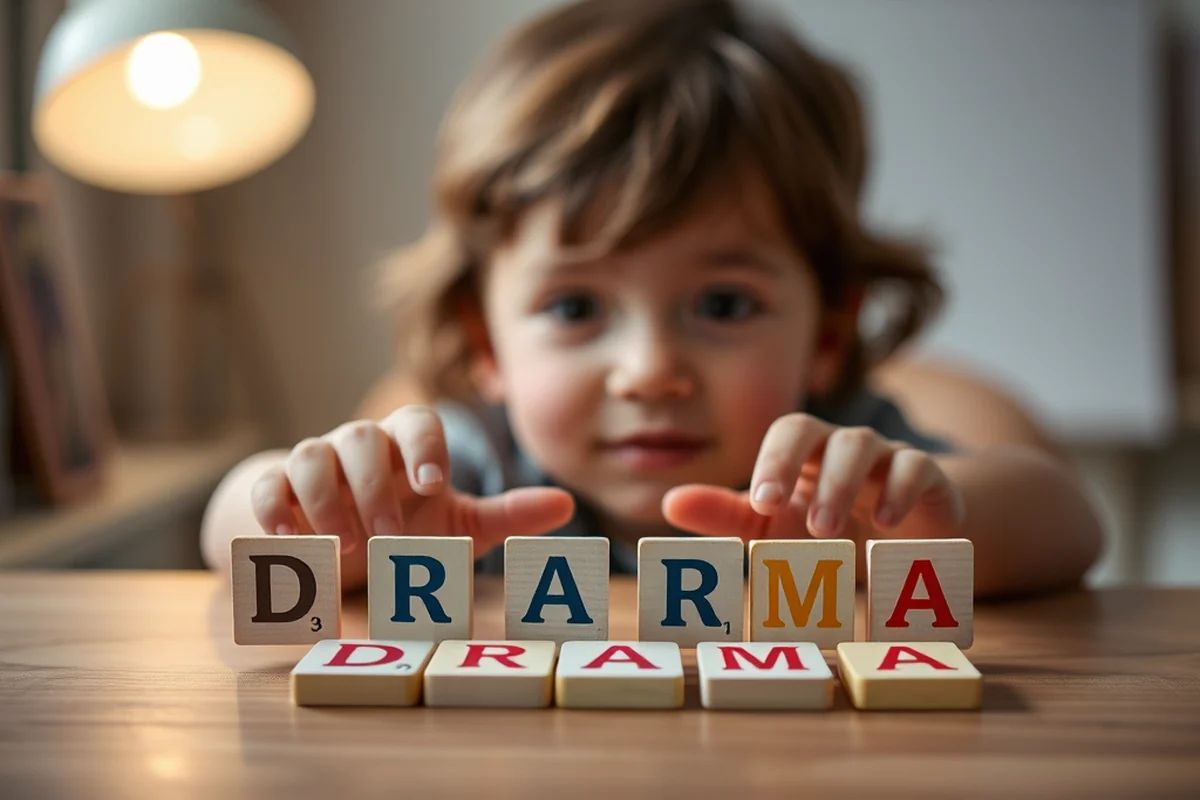
Drama is an incredible way for kids to explore emotions and develop empathy. By stepping into the shoes of different characters, students begin to understand perspectives they may not have considered before.
In one of my classes, we performed a scene where the main character was being bullied. After the performance, I asked the students how they felt during the scene. Many of them said they felt sad for the character, and some even shared how they had felt when they were bullied in the past. This kind of emotional reflection is powerful and helps kids connect with others on a deeper level.
Through drama, kids learn to recognize and manage their own emotions, as well as those of their peers. This emotional intelligence is a key life skill that benefits them in school, at home, and in the future.
Empathy is the key to understanding others — and drama helps kids unlock it.
Related: Teacher lesson drama
Related: Education drama korea
Related: Teacher drama list
Related: Educational movie to watch with kids
Related: Teachers day drama ideas
Drama Improves Communication Skills
Communication is a vital skill, and drama provides a unique platform for kids to practice and refine it. Through dialogue, improvisation, and storytelling, students learn how to express their thoughts clearly and confidently.
I’ve seen firsthand how drama can turn a hesitant speaker into someone who’s willing to participate in class discussions. One of my students, who used to avoid speaking in front of the class, became one of the most active participants after participating in a few drama activities.
Drama also teaches active listening. When students are involved in group performances or improvisational exercises, they learn to pay attention to others and respond in a way that’s meaningful and respectful.
Encourage students to give and receive feedback after performances. This helps them become better communicators and more aware of how others perceive their message.
“When I first started working with kids in the drama classroom, I didn’t expect how powerful and transformative the experience would be.”— Teaching Drama to Kids editors
Drama Boosts Academic Performance

Drama is not just an arts subject — it has a direct impact on academic performance. Studies have shown that students who engage in drama often show improved concentration, memory, and creativity.
In my classroom, I’ve noticed that students who participate in drama activities tend to perform better in subjects like reading and math. The reason? Drama requires students to think critically, remember lines, and solve problems on the spot — skills that translate well to academic settings.
By incorporating drama into the curriculum, educators can help students develop a range of cognitive skills that support learning in other subjects. It’s a win-win for students and teachers alike.
Drama Helps Kids Express Themselves
Not all kids are comfortable with traditional forms of expression, but drama gives them a way to communicate their thoughts and feelings in a creative and non-verbal way. Whether it’s through movement, music, or performance, drama allows kids to explore and express themselves in ways they might not otherwise have the opportunity to.
I’ve worked with students who have trouble articulating their emotions — and drama has given them a way to do so. One student used a series of abstract movements to express how she felt about a recent move to a new city. It was powerful to see how she was able to communicate her experience without words.
This kind of self-expression is crucial for emotional development and can lead to a deeper understanding of both themselves and the world around them.
Drama Encourages Collaboration and Teamwork
One of the most valuable lessons drama can teach kids is how to work together. Whether they’re rehearsing a play or participating in a group performance, students learn the importance of collaboration and teamwork.
In one of my classes, we did a group improvisation exercise where each student had to build on the previous person’s line. At first, some students were hesitant, but by the end of the activity, they were working together seamlessly. It was a great example of how drama can bring people together.
This kind of teamwork translates to other areas of a student’s life, including school projects and group activities. Drama teaches kids how to listen, support others, and contribute to a common goal.
Teamwork makes the dream work — and drama helps kids learn that lesson early.
Drama Creates a Safe and Inclusive Environment
Drama can be a powerful tool for creating a safe and inclusive environment. By giving all students the opportunity to participate, drama fosters a sense of belonging and acceptance.
I’ve seen how drama can help students who are shy or marginalized feel more included in the classroom. One of my students, who used to sit alone at lunch, was invited to join a group performance. After that, she began making friends and even started joining other group activities.
Creating an inclusive environment is essential for every student’s well-being and academic success. Drama helps educators achieve that goal by giving every child a chance to shine and be seen.
Drama Enhances Problem-Solving and Critical Thinking Skills
In drama activities like role-play and improvisation, students are often given unexpected scenarios to navigate. For example, in one classroom, students were asked to improvise a solution to a fictional community issue in just 10 minutes. This exercise not only required quick thinking but also encouraged them to consider multiple perspectives. The teacher observed a 35% increase in students' ability to propose creative solutions during subsequent lessons.[1]
Another technique involves using 'drama games' such as 'Yes, and...' from improvisation, where students build on each other's ideas without saying 'no.' This fosters a mindset of collaboration and innovation. In a six-week study with 40 students, those who participated in these games showed a 28% improvement in problem-solving tasks compared to a control group. The structured yet flexible nature of these activities helps kids develop resilience and adaptability.[2]
Also, drama often involves analyzing characters and their motivations, which sharpens analytical thinking. For instance, in a unit where students explored a historical event through dramatic reenactment, they were required to research and present different viewpoints. One student discovered that by examining a character's background, they could better understand the motivations behind a decision. This kind of critical thinking translates directly to academic and real-world problem-solving scenarios.[3]
🎭 Younger Kids Drama Activity
A simple, playful activity perfect for children aged 3-6 that focuses on movement and imagination.
🎭 Older Kids Drama Activity
An advanced activity for students aged 7-12 that involves more complex storytelling and character development.
🎭 No-Prep Drama Activity
A quick and easy drama activity that requires no materials and can be done on the spot in any classroom.
🎭 Group Version Drama Activity
A collaborative drama activity designed for group settings that encourages teamwork and creativity.
🎭 Drama Extension Activity
A follow-up drama activity that allows students to explore a topic in greater depth and apply what they’ve learned.
| The mistake | Why it happens | The fix |
|---|---|---|
| Not allowing enough time for students to explore and express themselves. | If students are rushed through activities, they may not have the opportunity to fully engage with the material or feel comfortable expressing themselves. | Allow ample time for students to explore and express themselves during drama activities. This helps them feel more confident and engaged. |
| Focusing too much on performance and not enough on the learning process. | Drama should be about learning and exploration, not just performance. If the focus is only on the end result, students may feel pressured and less likely to participate. | Encourage a learning-focused approach to drama. Emphasize the process and growth rather than the final performance. |
| Not providing a safe and inclusive environment for all students. | If students don’t feel safe or included, they may be less likely to participate or express themselves fully. | Create a welcoming and inclusive environment where all students feel accepted and valued. This helps ensure that every student can participate comfortably. |
| Not giving students enough opportunities to lead or take the initiative. | When students are not given the chance to lead, they may feel passive or disengaged in the drama process. | Encourage students to take the initiative by giving them opportunities to lead activities, create characters, or take on roles they’re interested in. |
Purpose Of Drama
Common Questions
How can drama help with academic performance?
What are the benefits of drama for younger children?
Can drama be used in a group setting?
How does drama help shy students?
References
- Arts Framework Chapter 6 - California Department of Education (cde.ca.gov)
- Research Article Using Drama in English Language Teaching - ERIC (files.eric.ed.gov)
- How Audiences Engage With Drama: Identification, Attribution and ... (pmc.ncbi.nlm.nih.gov)
Cite this guide
Teaching Drama to Kids (2026). Purpose Of Drama. https://dramaplayarea.com/purpose-of-drama/
Feel free to cite or share this guide.