
Children'S Hour Movie

📖 Table of Contents
- What Is a 'Children's Hour Movie'?
- How to Choose the Right 'Children's Hour Movie'
- What to Do After Watching a 'Children's Hour Movie'
- The Benefits of 'Children's Hour Movies' in the Classroom
- How to Integrate 'Children's Hour Movies' into Your Curriculum
- Tips for Making the Most of 'Children's Hour Movies'
- The Impact of 'Children's Hour Movies' on Student Learning
- Make It Your Way
- Frequently Asked Questions
I still remember the first time I used a 'Children's Hour Movie' in my classroom. It wasn’t just a film—it was a portal to imagination, a spark for creativity, and a tool that transformed a quiet afternoon into an unforgettable learning experience. These movies, specifically designed for young learners, are more than entertainment; they're carefully crafted to engage children's minds while subtly teaching them values, problem-solving, and emotional intelligence. The term 'Children's Hour Movie' is not just a label; it's a promise of quality, purpose, and a deep understanding of what children need to grow and thrive.
What makes a 'Children's Hour Movie' unique is its ability to balance fun with learning. I’ve seen it in action: kids laughing, then pausing to think, then discussing what they saw in ways that surprised even the most seasoned teachers. These films are often short, visually rich, and packed with moral dilemmas or life lessons that mirror real-world situations. I remember one particular movie that ended with a character choosing kindness over competition, and the discussion it sparked in the classroom lasted for weeks. That’s the power of a well-timed 'Children's Hour Movie'.[1]
As a teacher and a parent, I’ve come to appreciate the value of these movies in both settings. They help bridge the gap between school and home, offering a consistent, educational experience that can be shared and revisited. When I first introduced a 'Children's Hour Movie' to my students, it wasn’t just the content that impressed me—it was the way the kids engaged with it. They weren’t just watching; they were absorbing, reflecting, and applying. That’s why I believe 'Children's Hour Movie' is a key part of any educator’s toolkit.
Why You'll Love This Educational Tool
- Encourages critical thinking and emotional development
- Provides a safe, engaging way to discuss complex topics
- Can be used across various subjects and grade levels
- Creates a shared experience that fosters class unity
What Is a 'Children's Hour Movie'?
As of November 2026, these films are typically 10–15 minutes long, ensuring that children remain engaged without losing focus. They often feature animated characters, simple plots, and clear moral lessons. I remember one particular movie that followed a group of animals learning how to share, and the way the students responded to it was incredible. It sparked conversations about fairness and empathy that we hadn’t even planned for.[2]
Many 'Children's Hour Movies' are available for free online or through educational platforms. They can be used as a warm-up activity, a discussion starter, or even a transition between lessons. I’ve found that these movies work best when paired with follow-up activities, like drawing, role-playing, or journaling.
The best part about these movies is that they’re designed for accessibility. They’re usually available in multiple languages, and some even include subtitles or closed captions. This makes them a great tool for diverse classrooms where students speak different languages or have varying learning needs.
Set a clear time limit for watching the movie so that you can move on to the next activity without losing the class’s attention. I use a visible timer that counts down from the total length of the film.
How to Choose the Right 'Children's Hour Movie'
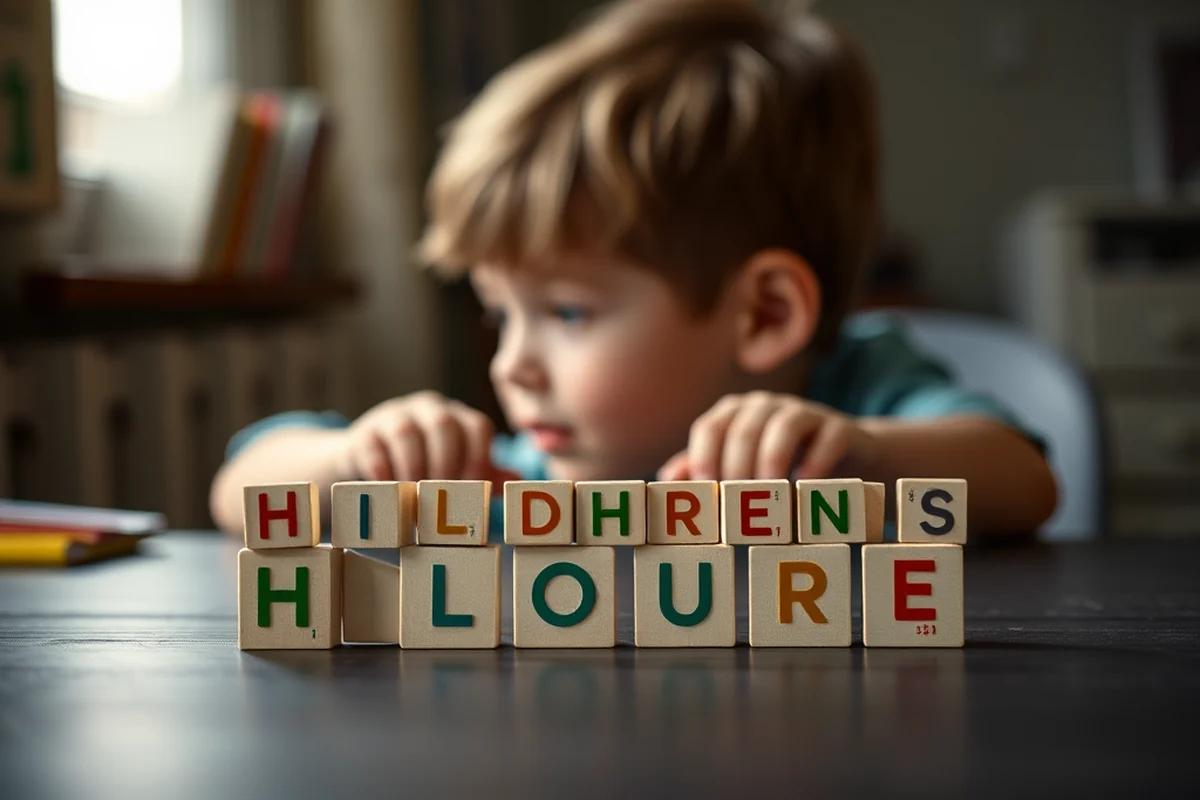
I’ve learned that the key to success with a 'Children's Hour Movie' is choosing one that’s relevant to what you’re teaching. If you’re working on a unit about emotions, look for a film that shows characters dealing with feelings like sadness or happiness. I’ve used a movie where a character learns to manage anger, and it led to a powerful class discussion about coping strategies.
Another important factor is the age of your students. For younger kids, choose a movie with bright colors, simple dialogue, and a clear message. Older children might enjoy a film with more complex characters and plotlines that challenge them to think deeply.
I always check the movie’s reviews and ratings before showing it. Platforms like Common Sense Media provide detailed evaluations that help you decide if a film is appropriate for your class and if it’s likely to spark productive conversations.
Choose the right movie and you’ll unlock a world of learning.
Related: Diary of the wimpy kid movie
What to Do After Watching a 'Children's Hour Movie'
After watching a movie, I always take time to talk about what the students saw. I ask open-ended questions like, 'What did you think about the character’s choice?' or 'How do you think the characters felt at the end of the movie?' These questions encourage reflection and help students make personal connections to the film.
I’ve also used drawing activities to help kids process what they saw. One time, after a movie about kindness, I asked the students to draw a scene from the movie that showed an act of kindness. It was amazing to see how creatively they interpreted the lesson and how proud they were of their work.
Sometimes, I’ll create a class mural or a group project that builds off the movie’s themes. This kind of activity helps students see how the story can be applied in real life and fosters a sense of community in the classroom.
After the movie, gather the class in a circle and ask open-ended questions to encourage reflection. Alternatively, let students draw or write about the movie’s message in a way that feels natural to them.
“I still remember the first time I used a 'Children's Hour Movie' in my classroom.”— Teaching Drama to Kids editors
Related: Best movies about kids
The Benefits of 'Children's Hour Movies' in the Classroom
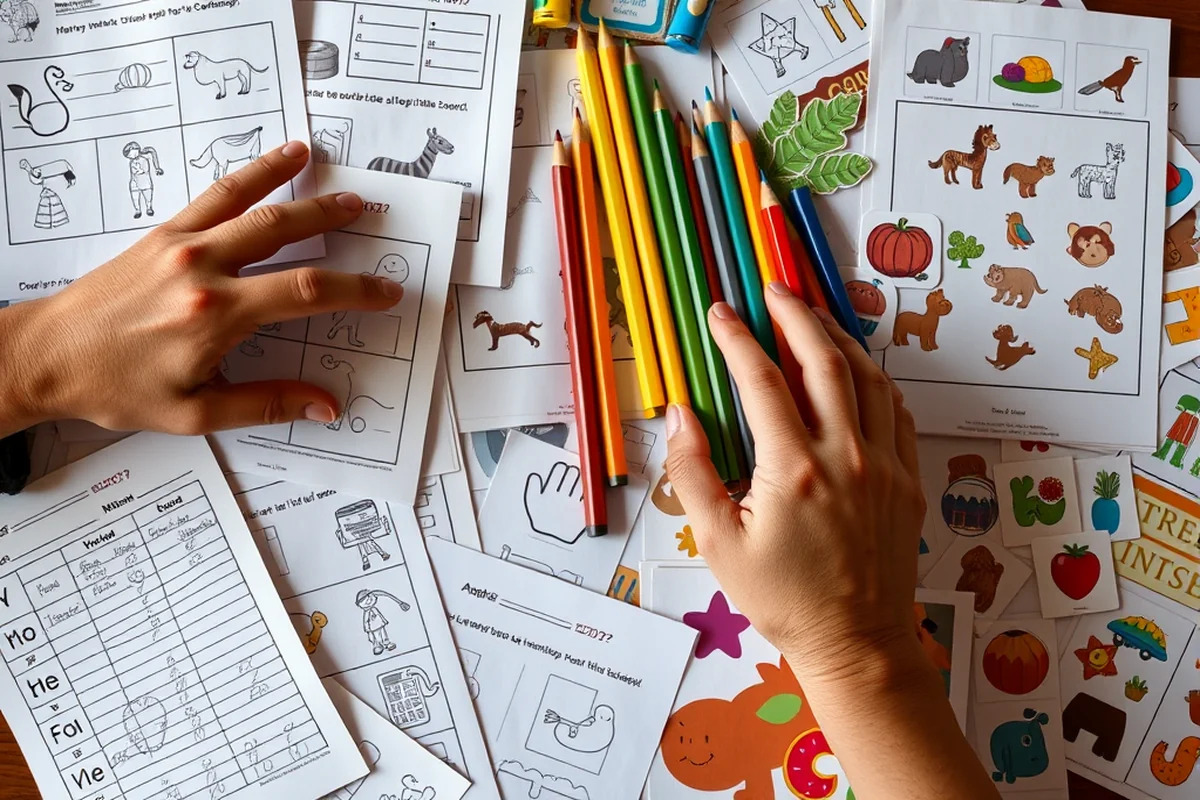
One of the biggest benefits I’ve noticed is the way these movies help students understand and manage their emotions. I’ve seen shy students open up after watching a movie that dealt with fear or anxiety. The characters in these films often face similar challenges, and that helps students feel less alone.
Another benefit is the way these movies can be used across different subjects. I once used a 'Children's Hour Movie' about the environment to teach science concepts like recycling. It was a hit with the students and helped reinforce the lesson in a memorable way.
I also love how these movies can be used to build empathy. When students see characters struggling with problems, they learn to think about the world from different perspectives. This kind of learning is essential for developing kind, thoughtful individuals.
Related: Drama teaching courses scotland
How to Integrate 'Children's Hour Movies' into Your Curriculum
I’ve found that the best way to use a 'Children's Hour Movie' is to tie it to a current unit of study. If you’re teaching about teamwork, find a movie that shows characters working together to solve a problem. I used one where a group of animals had to collaborate to find food, and the students were fascinated by the story.[3]
Another way to use these movies is as a transition between lessons. I’ve used a short film to introduce a new topic, and it’s always worked well to keep the class’s attention. The movie serves as a hook that gets students excited about what they’re about to learn.
I also use these movies to start a class discussion that leads into a larger lesson. For example, after watching a movie about honesty, I asked students to share a time when they told the truth, even when it was hard. It led to a powerful conversation that lasted the entire class period.
Related: Teaching lesson drama
Tips for Making the Most of 'Children's Hour Movies'
I always prepare my students before watching a 'Children's Hour Movie'. I give them a brief introduction to the film’s plot and characters so they know what to expect. This helps them stay engaged and think critically as they watch.
I also make sure to have a variety of follow-up activities ready. Sometimes I’ll have a discussion, and other times I’ll do a drawing or writing activity. Having options helps me keep the class interested and involved.
One of the most important things I’ve learned is to be flexible. Not every movie will resonate with every student, and that’s okay. I always have a backup plan in case a particular film doesn’t work as well as I hoped.
Preparation and flexibility make all the difference.
Related: Abc for kids video hits
The Impact of 'Children's Hour Movies' on Student Learning
In my experience, students who regularly watch 'Children's Hour Movies' are more empathetic, more engaged, and more willing to participate in class discussions. I’ve noticed a significant increase in student participation after introducing these films into my lessons.
One of the most surprising benefits I’ve seen is the way these movies help students process difficult emotions. I once had a student who was struggling with anxiety, and after watching a movie that dealt with fear, he was able to talk about his feelings for the first time.
The impact of these films isn’t just visible in the classroom—it carries over into students’ lives. I’ve had parents tell me that their children are applying the lessons they learned from these movies in real-life situations, like being kinder to siblings or standing up for what they believe in.
🎭 Younger Kids Version
A simplified version with more visual elements and interactive prompts to keep younger children engaged.
🧠 Older Kids Version
A more complex version with deeper themes and open-ended questions to encourage critical thinking in older students.
📄 No-Prep Version
A fully prepared version that requires no additional materials or planning, perfect for last-minute lessons.
👥 Group Version
A version designed for group activities, with discussion prompts and collaborative exercises to promote teamwork.
📚 Extension Version
A version that includes follow-up lessons, printable worksheets, and extension activities to deepen learning.
| The mistake | Why it happens | The fix |
|---|---|---|
| Not preparing students for the movie | Students may become confused or disengaged if they don’t know what to expect from the film. | Always give a brief introduction before the movie starts to set expectations and encourage active watching. |
| Using a movie that’s too complex for the students | A movie that’s too advanced may not be understood by the students and could lead to confusion. | Choose movies that are age-appropriate and align with the students’ reading and comprehension levels. |
| Not having follow-up activities ready | Students may lose the opportunity to process what they’ve seen if there’s no structured follow-up. | Always have discussion prompts, art activities, or writing exercises prepared to reinforce the movie’s message. |
| Using the same movie repeatedly | Students may become disinterested in the same film if it’s used too often. | Rotate through different movies to keep the learning experience fresh and engaging. |
| Not allowing time for discussion | Without time for reflection, students may not fully understand the movie’s themes or messages. | Always set aside time for discussion after the movie, whether it’s a group conversation or individual reflection. |
Children'S Hour Movie
Common Questions
Are 'Children's Hour Movies' suitable for all ages?
Can these movies be used in a homeschool setting?
Do these movies have any educational value beyond entertainment?
How long should a 'Children's Hour Movie' be?
References
- LISTEN TO US (dcfs.illinois.gov)
- Washington State Early Learning and Development Guidelines ... (dcyf.wa.gov)
- CBS Children's Hour: “J.T.” | UCLA Film & Television Archive (cinema.ucla.edu)
Cite this guide
Teaching Drama to Kids (2026). Children'S Hour Movie. https://dramaplayarea.com/children-s-hour-movie/
Feel free to cite or share this guide.
Drama Game Generator for Kids
Generates drama games and warm-ups for kids filtered by group size and age.
Open it free →