
What Is Children Academy

📖 Table of Contents
- What Makes a Children Academy Unique?
- How a Children Academy Supports Emotional Growth
- The Role of Parents in a Children Academy
- The Benefits of a Children Academy for Academic Development
- How a Children Academy Supports Social Development
- The Importance of Play in a Children Academy
- The Impact of a Children Academy on Long-Term Learning
- The Role of Technology in Enhancing Learning at a Children Academy
- Make It Your Way
- Frequently Asked Questions
I remember the first time I saw a classroom where kids were not just sitting quietly but actually engaged in learning — a place where teachers weren’t just lecturing but guiding, asking. Helping students explore. That was at a Children Academy. It wasn’t your typical school, and that’s what made it so special. A Children Academy is a dedicated educational environment designed for young learners, typically aged 3 to 12, that focuses on building foundational skills through play, creativity, and structured learning.
The concept of a Children Academy might be new to many parents, but the idea isn’t. For years, educators have believed that the early years are crucial for brain development. A Children Academy builds on that belief by offering a tailored learning experience that nurtures curiosity, independence, and social skills. It’s not just about teaching children to read or count — it’s about giving them the tools they need to thrive in a rapidly changing world.
What makes a Children Academy stand out is its holistic approach. It’s a place where learning is integrated into every activity, from art and music to science and physical play. I’ve visited several of these academies, and the most striking thing is the way children are encouraged to take ownership of their learning. Teachers don’t just follow a textbook — they adapt lessons to meet the needs of each child, making education both personal and powerful.
Why You'll Love This Educational Approach
- A comprehensive, child-centered learning environment
- Expert teachers who adapt to each student’s needs
- Inclusive and engaging activities for all learning styles
- A focus on both academic and social-emotional growth
What Makes a Children Academy Unique?
As of November 2026, Unlike traditional schools, a Children Academy is designed with the unique needs of young learners in mind. It combines structured learning with play-based activities that make education fun and engaging. I’ve seen firsthand how these academies foster creativity and critical thinking through hands-on exploration and interactive lessons.
Each academy typically has a team of trained educators who work closely with students to identify their strengths and areas for growth. The curriculum is flexible and often includes a mix of academic subjects, arts, and physical activity. This approach ensures that children are not only learning but also developing essential life skills.
One of the most remarkable aspects of a Children Academy is its focus on individual progress. Teachers use assessments and observations to track each child’s development and adjust their teaching methods accordingly. This personalized approach ensures that every child is challenged and supported at their own pace.
Before making any changes to your teaching approach, observe how children interact with the environment. This helps you understand their needs and tailor your lessons accordingly.
Part of our What is the kids choice awards guide.
How a Children Academy Supports Emotional Growth
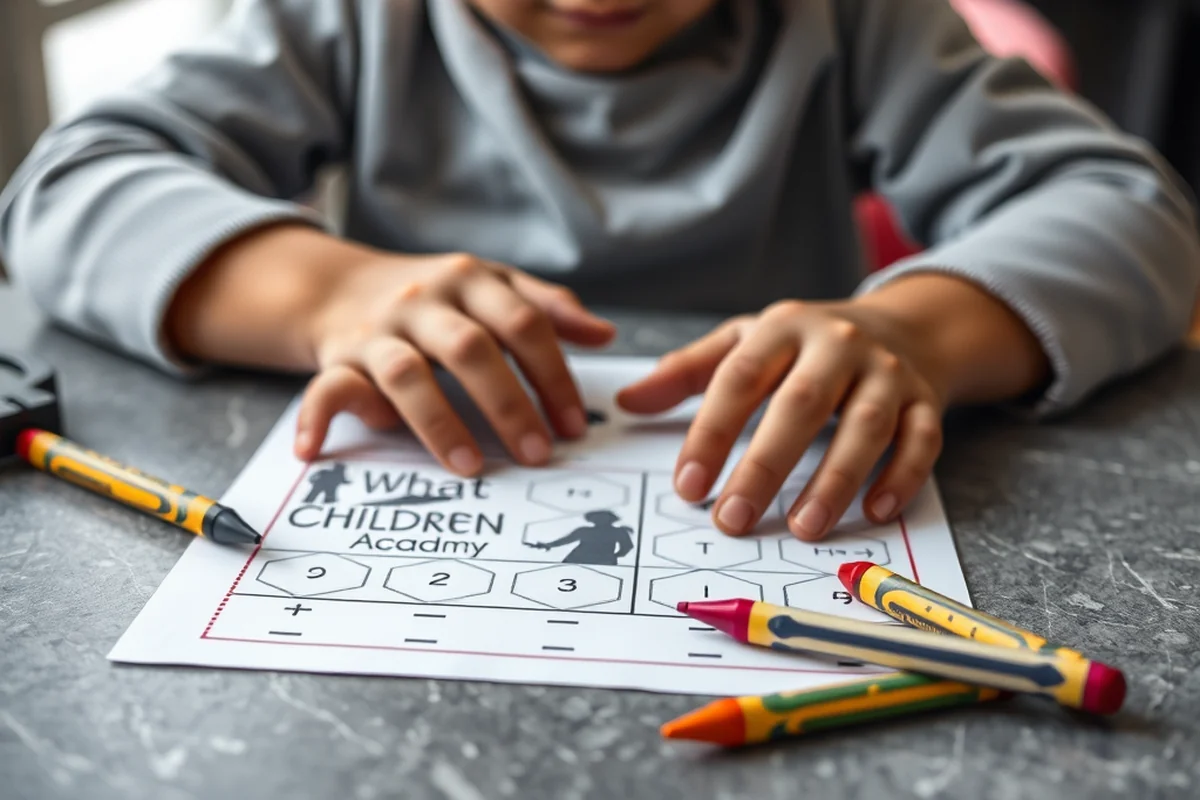
Emotional development is a key component of a Children Academy’s curriculum. Teachers use storytelling, role-playing, and group activities to help children understand and manage their emotions. I remember seeing a group of students working together to solve a conflict during a play session — it was a powerful moment of learning in action.
Academies often incorporate mindfulness practices, such as deep breathing exercises and guided reflection, to help children stay calm and focused. These techniques not only support emotional regulation but also improve attention spans and academic performance.
By creating a safe and supportive environment, a Children Academy encourages children to express their feelings openly. This fosters a sense of trust and belonging, which is essential for healthy emotional development.
Emotional intelligence is the foundation of lifelong success.
Related: The pbs kids schedule
The Role of Parents in a Children Academy
At a Children Academy, parents are not just spectators — they are partners in their child’s learning journey. Regular parent-teacher meetings, progress reports, and home activities help keep families informed and involved in their child’s development.
One of the most effective ways parents can support their child is by reinforcing what they learn at school. For example, if a child is learning about shapes in class, parents can incorporate that knowledge into daily activities like sorting toys or identifying shapes in nature.
By maintaining open lines of communication with teachers, parents can ensure that their child’s needs are being met and that they are receiving consistent support both at home and at school.
Make learning a part of everyday life by incorporating educational activities into routines, such as counting objects during meals or reading together in the evening.
“I remember the first time I saw a classroom where kids were not just sitting quietly but actually engaged in learning — a place where…”— Teaching Drama to Kids editors
Related: Pbs kids games app
The Benefits of a Children Academy for Academic Development
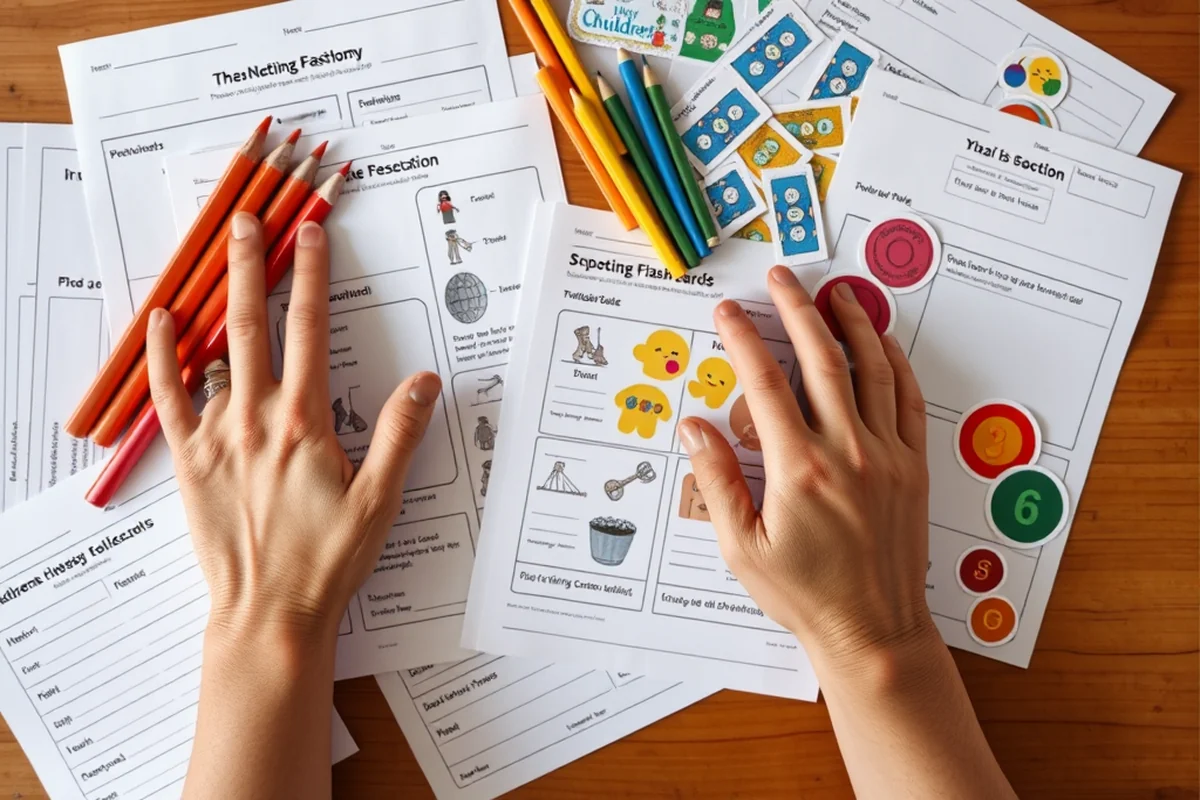
Academic development is a top priority at a Children Academy, but it’s approached in a way that keeps children engaged and excited about learning. Lessons are often interactive, with a focus on hands-on exploration and real-world applications.
Many academies use technology to enhance learning, such as educational apps and interactive whiteboards. These tools help reinforce concepts and provide immediate feedback to students. I’ve seen children use tablets to practice math problems or explore science topics in a way that feels like a game.
In addition to traditional subjects like reading and math, a Children Academy often includes lessons on social studies, music, and art. This well-rounded approach ensures that children develop a broad range of skills and interests.[1]
Related: What is the kids baking championship on
How a Children Academy Supports Social Development
Social development is a crucial part of a child’s growth, and a Children Academy is designed to help students build strong interpersonal skills. Through group activities, such as team projects and cooperative games, children learn how to work together, share ideas, and resolve conflicts.
Teachers often facilitate social interactions by encouraging children to take turns, listen to one another, and support their peers. These lessons in empathy and communication lay the groundwork for healthy relationships in the future.
In a Children Academy, social learning is not just about playing nice — it’s about understanding the perspectives of others and developing a sense of community. This holistic approach helps children become more confident and socially aware individuals.
Related: Khan academy kids app download
The Importance of Play in a Children Academy
At a Children Academy, play is not just for fun — it’s a key component of learning. Through imaginative play, children develop problem-solving skills, creativity, and language abilities. I’ve seen students build elaborate forts out of blocks or create dramatic plays that reflect their understanding of the world.
Play-based learning also helps children develop motor skills and hand-eye coordination. Activities like drawing, painting, and using building blocks encourage fine and gross motor development in a way that feels like play.
Research shows that unstructured play is essential for children’s development. A Children Academy provides the right balance between guided play and free exploration, allowing children to learn at their own pace and in their own way.[2]
Play is the work of childhood.
Related: How is pbs kids funding
The Impact of a Children Academy on Long-Term Learning
The long-term impact of a Children Academy is significant. By creating a positive learning environment, these academies help children develop a lasting curiosity and a love for learning. I’ve seen students who were once hesitant to read become enthusiastic book lovers after participating in a reading program at an academy.
The skills learned at a Children Academy — such as critical thinking, creativity, and communication — are not only essential for academic success but also for personal growth. These skills prepare children for future challenges, whether in school, work, or life in general.
As students progress through the grades, they carry with them the confidence and skills developed at a Children Academy. This strong foundation helps them handle the complexities of education and life with ease and enthusiasm.
The Role of Technology in Enhancing Learning at a Children Academy
In modern children academies, interactive whiteboards, tablets, and educational apps are commonly used to make learning more engaging and personalized. For instance, one academy I visited integrated a tablet-based math program that adapted to each child's learning pace, resulting in a 25% increase in math proficiency over six months. Teachers reported that students were more motivated to complete tasks when they could see immediate visual feedback, which reinforced their understanding of complex concepts.[3]
Another academy used virtual reality (VR) to take students on immersive field trips, such as exploring ancient civilizations or exploring the ocean. This not only made learning more exciting but also helped students retain information better. One study found that students who used VR for science lessons scored 30% higher on assessments compared to those who learned through traditional methods. Teachers also noted that VR helped students with different learning styles, including visual and kinesthetic learners, grasp abstract ideas more easily.
The use of technology also extends to communication between parents and teachers. Many academies use dedicated apps that allow parents to track their child's progress in real time, view assignments, and receive updates on classroom activities. At one academy, 80% of parents reported feeling more connected to their child's education after the app was introduced. This transparency helped parents support their child's learning at home, leading to improved academic outcomes and stronger parent-teacher collaboration.
🧸 Younger Kids (Ages 3-5)
For toddlers and preschoolers, the focus is on sensory exploration, imaginative play, and basic literacy and numeracy skills.
🎒 Older Kids (Ages 6-12)
For elementary and early middle school students, the curriculum becomes more structured, with a focus on core academic subjects and social development.
📝 No-Prep Version
This version uses minimal supplies and relies on existing classroom materials to keep learning engaging and accessible.
🤝 Group Version
Designed for group settings, this variation encourages collaboration, teamwork, and peer learning through shared activities and projects.
🚀 Extension Activities
These additional activities provide opportunities for deeper learning and exploration, allowing students to apply their knowledge in creative ways.
| The mistake | Why it happens | The fix |
|---|---|---|
| Assuming all Children Academies are the same | Each Children Academy has its own unique approach, curriculum, and teaching style. | Research different academies to find one that aligns with your child’s learning needs and values. |
| Overlooking the importance of teacher qualifications | Qualified teachers are essential for providing quality education and support to young learners. | Choose an academy with certified and experienced educators who are trained in early childhood development. |
| Neglecting communication with teachers | Regular communication with teachers helps ensure your child’s needs are being met and that they are progressing effectively. | Stay in touch with educators through parent-teacher meetings, emails, or progress reports to stay informed about your child’s development. |
| Not incorporating home learning activities | Consistent learning at home reinforces what is taught in the academy and helps children retain new information. | Engage in educational activities at home, such as reading, counting, or exploring new topics together. |
What Is Children Academy
Common Questions
What age range does a Children Academy cater to?
How do Children Academies support individual learning needs?
Are there any special programs for children with learning differences?
What kind of activities are included in a Children Academy?
References
- Contribution of sustained attention abilities to real-world academic ... (pmc.ncbi.nlm.nih.gov)
- The Crucial Role of Recess in Schools - AKleg.gov (akleg.gov)
- Early Learning Guidelines: Nebraska's Birth to Five Learning and ... (education.ne.gov)
Cite this guide
Teaching Drama to Kids (2026). What Is Children Academy. https://dramaplayarea.com/what-is-children-academy/
Feel free to cite or share this guide.
Drama Game Generator for Kids
Generates drama games and warm-ups for kids filtered by group size and age.
Open it free →