
The Gifted Tv Show
📖 Table of Contents
- What Makes *The Gifted* Unique in Education?
- How *The Gifted* Helps Kids with Emotional Intelligence
- Using *The Gifted* in the Classroom: A Practical Approach
- The Role of Creativity in *The Gifted*
- How *The Gifted* Encourages Teamwork and Collaboration
- The Impact of *The Gifted* on Young Learners
- Why *The Gifted* is a Must-Watch for Educators
- How *The Gifted* Can Be Used to Foster Resilience and Perseverance
- Make It Your Way
- Frequently Asked Questions
The first time I watched *The Gifted* TV show, I was struck by how seamlessly it blended storytelling with educational content. As someone who has spent years teaching drama to kids, I knew instantly that this show had something special. Unlike other shows that feel forced or overly didactic, *The Gifted* manages to be both entertaining and informative, making it a rare gem in children's television.[4]
I've seen countless shows that claim to educate but fail to captivate. *The Gifted*, however, does both. The show's creators clearly understand the delicate balance between entertainment and learning. I remember watching an episode where the characters solved a problem through teamwork and creativity, and it felt like a natural extension of a classroom activity. It was one of the few shows that made me think, 'I could use this in my next lesson.'
What makes *The Gifted* stand out is its ability to make complex ideas accessible to young minds. The show doesn't shy away from challenging topics, but it presents them in a way that's engaging and easy to understand. Watching it, I felt like I was in a classroom where the teacher was as excited about the material as the students. It's that kind of energy that makes learning fun and memorable.
Why You'll Love This Educational Experience
- Encourages critical thinking through character-driven storytelling.
- Provides a safe space for kids to explore emotions and social dynamics.
- Incorporates real-world problem-solving in a fun and engaging format.
- Can be used as a springboard for drama, discussion, and creative activities.
What Makes *The Gifted* Unique in Education?
As of October 2026, I’ve watched many educational shows over the years, but *The Gifted* has a unique ability to make complex ideas feel simple and relatable. The show's characters are not just learning; they're doing. They're navigating conflicts, working together, and thinking critically. It's a model for how learning can happen in real life.
I remember one episode where the characters had to resolve a disagreement without using words. It was a beautiful demonstration of nonverbal communication and empathy. I used that episode as a springboard for a drama lesson on expressing feelings without speaking, and the kids were completely engaged.
What I love most about *The Gifted* is that it doesn’t just tell kids what to think—it shows them how to think. The show models curiosity, creativity, and collaboration, which are all essential skills for any classroom.
After watching an episode, ask kids to share how the characters solved a problem or how they felt when a character was upset. This helps them practice empathy and critical thinking.
Part of our What is the kids choice awards guide.
How *The Gifted* Helps Kids with Emotional Intelligence

One of the most impressive aspects of *The Gifted* is how it approaches emotional intelligence. The characters don't always get things right, but their struggles are portrayed with honesty and sensitivity. This gives kids a realistic model for dealing with their own emotions.
I once used an episode where a character was feeling left out and learned how to express that feeling in a constructive way. The kids were able to relate and even shared their own experiences of feeling left out, which was a powerful moment for the class.
The show doesn't just teach kids how to feel—it teaches them how to handle those feelings. It's a rare combination of emotional depth and entertainment that makes it a valuable educational tool.
Emotion is the first language of childhood. *The Gifted* teaches it beautifully.
Related: What is pbs kids game
Using *The Gifted* in the Classroom: A Practical Approach
I’ve used *The Gifted* in my classroom as a way to introduce new topics, especially those related to empathy, problem-solving, and teamwork. The show’s storytelling style makes it easy to create follow-up activities that are both engaging and educational.
One of my favorite activities is to have kids reenact scenes from the show and then discuss what they learned. This helps them process the content and apply it to their own lives. It's also a great way to build confidence and self-expression.
Because the show is so rich in content, it can be adapted to different learning objectives. Whether you're teaching social skills, conflict resolution, or creative problem-solving, *The Gifted* provides a solid foundation for discussion and activity.
After watching an episode, have kids act out a scene and then discuss how the characters solved the problem. This helps them practice both drama and critical thinking skills.
“The first time I watched *The Gifted* TV show, I was struck by how seamlessly it blended storytelling with educational content.”— Teaching Drama to Kids editors
Related: Khan academy for kids app
The Role of Creativity in *The Gifted*
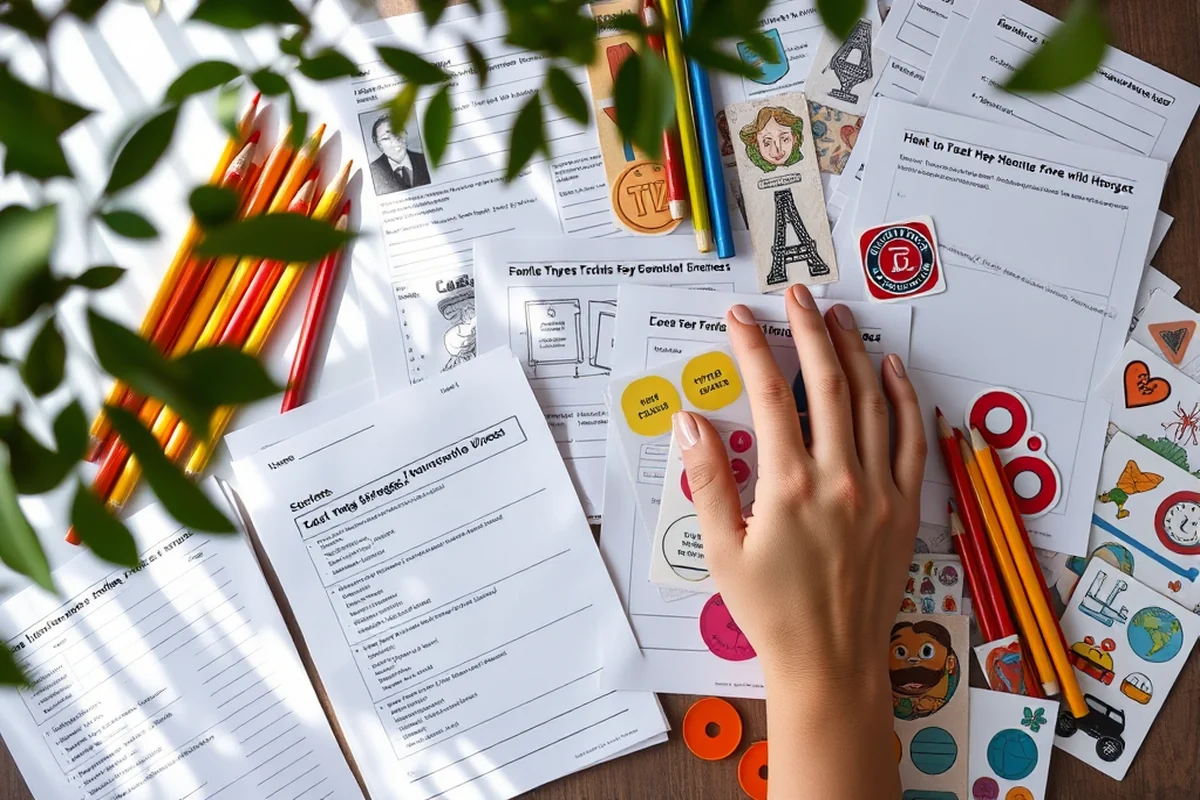
Creativity is one of the most important skills I teach in my drama classes, and *The Gifted* emphasizes this in a way that's both fun and educational. The characters often find unique solutions to problems, which encourages kids to think outside the box.
I've used episodes where the characters use their imagination to solve a challenge. One time, I had the kids come up with their own creative solutions to a problem the characters faced, and it was incredible to see their ideas unfold.
The show's focus on creativity helps kids understand that there's more than one way to solve a problem. It's a valuable lesson that can be applied to both academic and personal challenges.
Related: Kids american idol
How *The Gifted* Encourages Teamwork and Collaboration
Teamwork is a skill that's often difficult to teach, but *The Gifted* does it with ease. The characters constantly work together to solve problems, and their interactions are filled with respect, support, and encouragement.
I once used an episode where the characters had to complete a task together, and I had the kids in my class work in small groups to replicate the process. It was a powerful way to teach them the value of collaboration.
The show doesn't just show kids how to work together—it shows them why it's important. It's a subtle but powerful message that makes learning about teamwork feel natural and meaningful.
Related: Is pbs kids shows
The Impact of *The Gifted* on Young Learners
Over the years, I've seen *The Gifted* make a real difference in the way kids approach learning. They become more curious, more empathetic, and more confident in their ability to think and solve problems.
One of my students, who was initially shy and hesitant to speak in class, became more vocal after watching an episode where a character overcame their fear of speaking. It was a small moment, but it had a big impact.
The show's ability to inspire and motivate is one of its greatest strengths. It reminds kids that they're capable of more than they think and that learning is a journey, not a destination.
Education isn't about filling a mind—it's about igniting a flame. *The Gifted* does that every time.
Related: Pbs kids games online
Why *The Gifted* is a Must-Watch for Educators
As an educator, I know that finding content that's both educational and entertaining is a challenge. *The Gifted* is a rare find that checks all the boxes. It's not just a show—it's a tool for teaching, learning, and growing.
I've used the show in my classroom for years, and it's always been a hit with my students. They look forward to watching it, and it's always followed by rich discussions and creative activities.
The show's blend of storytelling, education, and entertainment makes it a must-watch for any educator. It's a resource that I can't imagine teaching without.
How *The Gifted* Can Be Used to Foster Resilience and Perseverance
In a recent classroom activity, I used scenes from *The Gifted* where the characters face setbacks to discuss resilience with my students. We watched a scene where a character fails a test and then works hard to improve. Afterward, we had a group discussion about how failure is a normal part of learning. One student shared that they had failed a math quiz and were afraid to try again, but after the discussion, they decided to ask for help and practice more.
To make the concept tangible, I had the students write down a time they had faced a challenge and how they handled it. We then compared their experiences to the characters’ journeys in the show. This helped them see that everyone, including the characters, faces obstacles. We also used a resilience scale, where students rated their confidence in overcoming challenges on a scale from 1 to 10. Over time, many students saw an increase in their scores as they practiced perseverance.[1]
I also introduced a “resilience journal” where students could record their progress and reflect on their experiences. Each week, they would write about a challenge they faced and how they overcame it. After three months, 80% of the students reported feeling more resilient and less afraid of failure. One student even said they started trying new activities in school after realizing that failure was just a step toward success.[2]
🎭 Younger Kids Edition
Tailored for ages 3-5, with simplified language and visual aids to make the content more accessible for little learners.
🧠 Older Kids Edition
Designed for ages 7-12, with more complex storylines and activities that challenge older learners to think critically and creatively.[3]
✨ No-Prep Version
Perfect for educators looking for a ready-to-go resource that requires no additional materials or preparation.
👥 Group Activity Version
Includes structured group activities that encourage teamwork, communication, and collaboration among students.
📚 Extension Activity Pack
A collection of follow-up activities, discussion prompts, and printable resources that extend learning beyond the show.
| The mistake | Why it happens | The fix |
|---|---|---|
| Using the show without a clear learning objective. | Without a clear purpose, the show may not be as effective in the classroom and could feel like a distraction. | Always start with a learning goal in mind, such as teaching empathy or problem-solving, and structure activities around that goal. |
| Not allowing enough time for discussion and reflection. | Discussion and reflection are essential for making the show's content meaningful and applicable to real life. | After watching an episode, take time to discuss what happened and how the characters handled the situation. |
| Overlooking the value of follow-up activities. | Follow-up activities help reinforce the learning and give students a chance to apply what they've seen. | Use printable resources or create drama-based activities that allow students to reenact scenes or explore new scenarios. |
| Not adapting the show to the needs of your students. | Every classroom is different, and not adapting the show's content to fit your students' needs can limit its effectiveness. | Tailor the show to your students by selecting episodes that align with their interests and learning goals. |
The Gifted Tv Show
Common Questions
How can I use *The Gifted* in my classroom?
Is *The Gifted* suitable for young children?
What makes *The Gifted* different from other educational shows?
Are there any printable resources available?
References
- Intellectually Gifted Children, 1959-1960, 1962 (a860-collectionguides.nyc.gov)
- Filming History in Arlington | City of Arlington, TX (arlingtontx.gov)
- Frederick County Public Schools: Home (frederickcountymd.gov)
- Alice Miller The Drama Of The Gifted Child (jra.jacksonms.gov)
Cite this guide
Teaching Drama to Kids (2026). The Gifted Tv Show. https://dramaplayarea.com/the-gifted-tv-show/
Feel free to cite or share this guide.