
Pbs The Public Broadcasting Service

📖 Table of Contents
- The Impact of PBS on Student Engagement
- How PBS Makes Learning Interactive
- The Educational Value of PBS Programming
- The Role of PBS in Supporting Diverse Learners
- The Benefits of Using PBS in the Classroom
- How to Integrate PBS into Your Teaching
- The Future of PBS in Education
- Make It Your Way
- Frequently Asked Questions
There's a moment when a child's eyes light up, and you know they've found something that speaks directly to them — something that feels like magic. For me, that moment came when I first introduced my students to PBS The Public Broadcasting Service. The mix of educational content, creativity, and real-world relevance in their programming is unlike anything else in children's media. I remember one student who was hesitant about watching a science show. After just a few minutes, she was already asking questions like 'What happens if we mix these two elements?' and 'How does that work in real life?' That's the power of PBS — it makes learning feel like an adventure.
As a teacher, I've spent years exploring different educational tools and resources, and nothing has resonated with me more than the approach taken by PBS. Their content is designed with a purpose — to engage young minds while delivering solid educational value. I've seen the impact firsthand in my classroom. For instance, when we used a PBS video on ancient civilizations, my students were so engaged that they spent the entire following week researching and building models of pyramids and temples. That kind of deep, sustained interest is rare and incredibly valuable.[1]
The beauty of PBS The Public Broadcasting Service lies in its ability to make complex topics accessible and fun. Whether it's history, science, or the arts, their programming is tailored to ignite curiosity and inspire learning. I've watched students who once struggled with reading suddenly become enthusiastic about stories and vocabulary, all because of a PBS show. That's not just education — that's transformation. And I'm here to tell you, it's worth the time and effort to explore what PBS has to offer.[2]
Why You'll Love This Educational Resource
- Accessible and high-quality educational content for all ages
- Engaging and interactive programming that sparks curiosity
- A wide range of subjects from science to the arts
- Supports diverse learning styles and abilities
The Impact of PBS on Student Engagement
As of November 2026, I've noticed a remarkable shift in student behavior when PBS content is integrated into lessons. For example, during a unit on environmental science, I used a PBS video that showed the impact of pollution on marine life. Within minutes, students were discussing the topic with enthusiasm, and even the shyest students began to participate. The video's visuals and storytelling made abstract concepts tangible and relatable.
One of the most powerful aspects of PBS is its ability to bridge the gap between theory and real-world applications. When students see how scientific concepts apply to their lives, they become more invested in the learning process. In one instance, after watching a segment on renewable energy, my students asked to create a solar-powered toy car for a science fair. That project became one of the most memorable learning experiences of the year.
Incorporating PBS into the classroom not only enhances engagement but also supports diverse learning styles. Whether students learn best through visual, auditory, or kinesthetic methods, PBS offers a variety of formats that cater to all. This adaptability ensures that every student has the opportunity to connect with the material in a meaningful way.
After watching a PBS video, ask open-ended questions like 'What did you learn today?' or 'How can we apply this in real life?' This encourages deeper thinking and discussion.
Part of our Theater kids guide.
How PBS Makes Learning Interactive
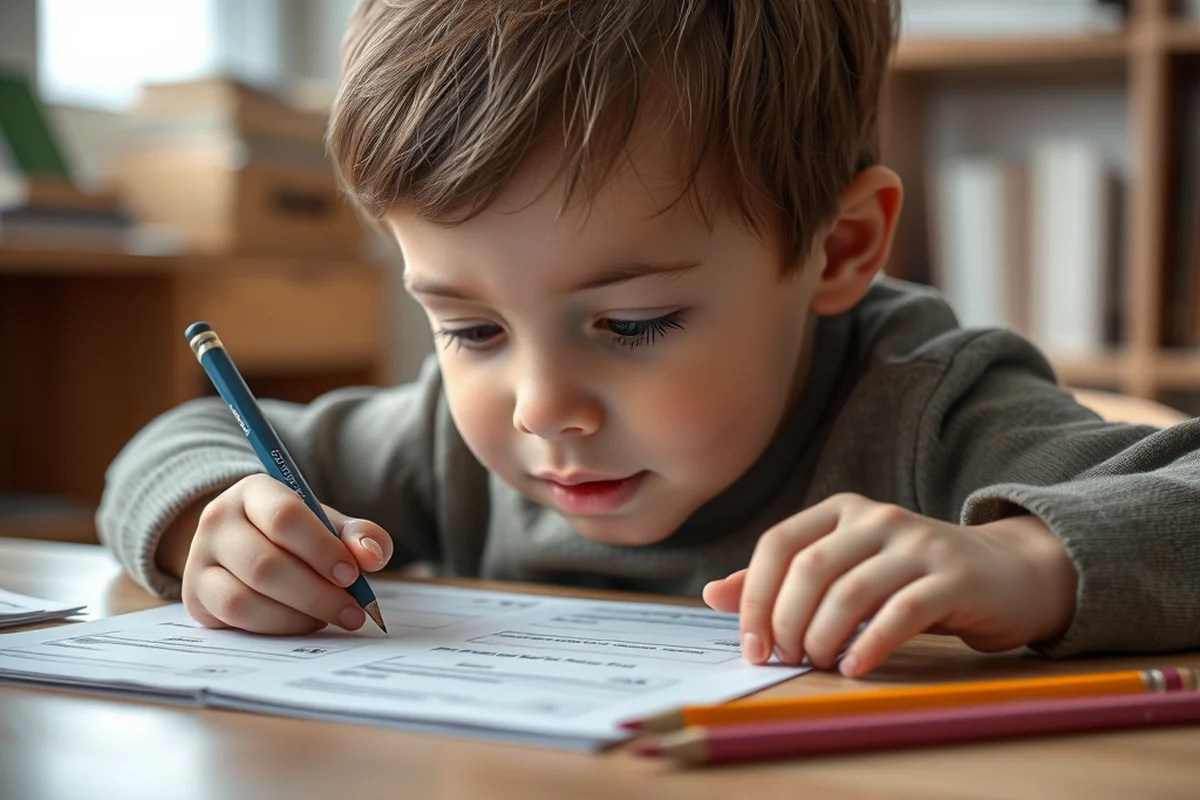
One of the standout features of PBS content is its interactive nature. Many shows and online platforms allow students to participate in activities that reinforce what they're learning. For example, a show on geometry might include an interactive segment where students can manipulate shapes to understand angles and symmetry.
In my classroom, I've used interactive segments from PBS to help students grasp difficult concepts. During a unit on fractions, I used an online activity where students had to divide shapes into equal parts. The visual and hands-on approach helped students who struggled with abstract math concepts to grasp the material more easily.
The interactivity of PBS content also fosters collaboration among students. Group activities based on PBS programming often lead to lively discussions and problem-solving. This collaborative environment not only enhances learning but also builds important social skills.
Interactivity is the key to unlocking deeper learning and engagement.
Related: What is children s theatre
The Educational Value of PBS Programming
PBS offers a diverse range of content that aligns with educational standards across multiple subjects. From science and history to music and literature, their programming is designed to support curriculum goals and enhance learning outcomes. For instance, during a unit on American history, I used a PBS documentary that covered the Civil War in great detail. The comprehensive coverage helped students understand the complexities of the period in a way that textbooks could not.
One of the greatest benefits of PBS programming is its alignment with educational standards. Teachers can easily find resources that correspond to specific learning objectives, making it easier to integrate PBS into lesson plans. This alignment ensures that students are not only engaged but also meeting academic benchmarks.
In addition to aligning with curriculum standards, PBS programming often includes supplementary materials that enhance learning. Teachers can access lesson plans, discussion guides, and activity sheets that complement the programming. These resources make it easier to extend learning beyond the video and into hands-on activities.
Take advantage of the lesson plans and activity sheets available on the PBS website to extend learning beyond the video and into hands-on activities.
“There's a moment when a child's eyes light up, and you know they've found something that speaks directly to them — something that feels like…”— Teaching Drama to Kids editors
Related: The young washington showtimes
The Role of PBS in Supporting Diverse Learners
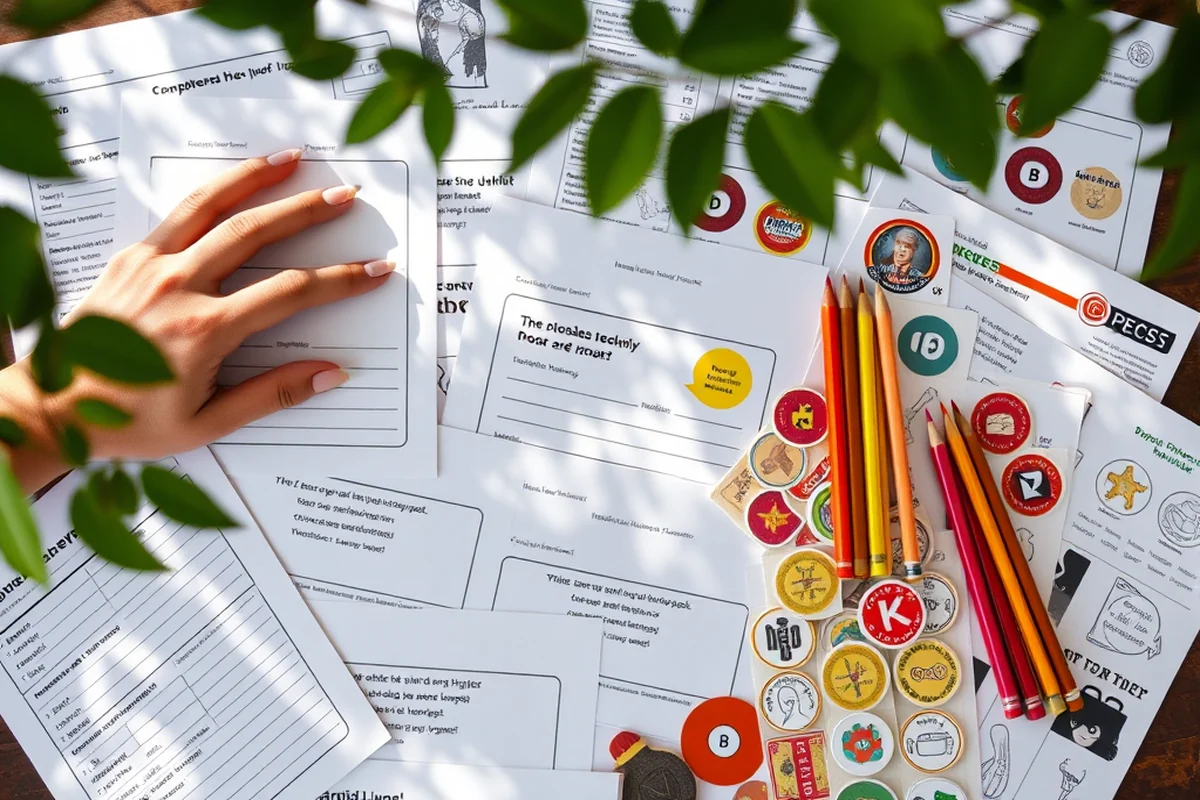
One of the most important aspects of PBS programming is its inclusivity. The content is designed to be accessible to all students, regardless of their abilities or learning styles. For example, many PBS shows include subtitles, visual aids, and interactive segments that cater to different learning needs.
In my classroom, I've used PBS programming to support students with learning disabilities. A video on the water cycle, for instance, included a visual diagram that helped students understand the process step by step. This visual representation made the concept more accessible to students who struggled with reading-based instruction.
PBS also offers content in multiple languages, making it easier for non-native English speakers to engage with the material. This inclusivity ensures that every student has the opportunity to learn and succeed, regardless of their background or abilities.
Related: Pbs kids wikipedia shows
The Benefits of Using PBS in the Classroom
Incorporating PBS programming into the classroom has numerous benefits. One of the most significant is the enhancement of student learning. The engaging and interactive nature of PBS content helps students retain information more effectively. For instance, after watching a segment on the solar system, my students were able to recall key facts about the planets with much greater accuracy than they had with traditional teaching methods.
Another benefit is the increased engagement that PBS programming brings to the classroom. Students who are engaged in the learning process are more likely to participate actively and take ownership of their education. I've seen this firsthand — students who were previously disengaged in class have become more involved when PBS content is used as a teaching tool.
Finally, using PBS in the classroom supports student outcomes by providing a comprehensive and engaging learning experience. Whether it's through interactive segments, supplementary materials, or real-world applications, PBS helps students achieve academic success and develop a lifelong love of learning.
Related: The kids mgmt
How to Integrate PBS into Your Teaching
If you're looking to integrate PBS into your teaching, start by aligning the programming with your curriculum goals. Choose shows and videos that correspond to specific learning objectives. For example, during a unit on environmental science, I used a PBS video on climate change that aligned with the lesson's goals. This ensured that students were learning relevant content that supported their overall understanding.
Once you've selected a PBS resource, use the supplementary materials available on the PBS website. These materials include lesson plans, discussion guides, and activity sheets that help extend learning beyond the video. I've found these resources to be incredibly helpful in reinforcing key concepts and providing hands-on learning opportunities.
Finally, incorporate interactive activities into your lessons to enhance student engagement. Group discussions, hands-on projects, and follow-up questions can all help students process and apply what they've learned from PBS programming. This interactive approach ensures that students are not only watching the content but also actively participating in their learning.
Integration is the key to making the most of PBS in your classroom.
Related: What is kids casting
The Future of PBS in Education
As technology continues to evolve, so does the role of PBS in education. The organization is constantly developing new content and resources that support modern teaching methods. For example, they have expanded their online platform to include interactive learning modules that can be used in both traditional and virtual classrooms.
One of the most exciting developments is the integration of digital tools into PBS programming. These tools allow students to engage with content in new and innovative ways, such as through virtual simulations and interactive games. This digital expansion makes learning more accessible and engaging for students of all ages.
Looking ahead, the future of PBS in education is full of possibilities. With its commitment to quality content, inclusivity, and innovation, PBS is poised to continue making a significant impact on student learning and engagement. As educators, we have the opportunity to embrace these advancements and use them to enhance our teaching practices.
👶 Younger Kids Activity
A simplified version of the activity for younger students, focusing on basic concepts and hands-on exploration.
👦 Older Kids Activity
An advanced version of the activity for older students, incorporating more complex concepts and deeper exploration.
📌 No-Prep Activity
A quick and easy activity that requires no preparation, perfect for last-minute lesson planning.
👥 Group Version
A collaborative activity that encourages teamwork and interaction among students.
🚀 Extension Activity
An extended version of the activity that allows students to explore the topic in greater depth.
| The mistake | Why it happens | The fix |
|---|---|---|
| Not aligning PBS resources with curriculum goals | Using resources that are not aligned with your curriculum can lead to confusion and a lack of focus in your lessons. | Always ensure that the PBS resources you use correspond to specific learning objectives and standards. |
| Overlooking supplementary materials | Missing out on the supplementary materials provided by PBS can limit the depth of your lessons and reduce student engagement. | Take advantage of the lesson plans and activity sheets available on the PBS website to enhance your teaching. |
| Not incorporating interactive elements | Failing to include interactive elements in your lessons can lead to passive learning and disengagement among students. | Use interactive segments from PBS programming to encourage participation and active learning. |
| Not adapting content for diverse learners | Failing to consider the needs of diverse learners can lead to exclusion and a lack of engagement. | Choose PBS content that is accessible to all students, including those with different abilities and learning styles. |
Pbs The Public Broadcasting Service
Common Questions
How can I find PBS resources that align with my curriculum?
Are PBS resources suitable for all ages?
How can I use PBS in a virtual classroom?
What types of subjects does PBS cover?
References
- Maria Hinojosa, Journalist and Author, Public Broadcasting ... - USCIS (uscis.gov)
- Public Television's Digital Future - Columbia Business School (business.columbia.edu)
Cite this guide
Teaching Drama to Kids (2026). Pbs The Public Broadcasting Service. https://dramaplayarea.com/pbs-the-public-broadcasting-service/
Feel free to cite or share this guide.
Drama Game Generator for Kids
Generates drama games and warm-ups for kids filtered by group size and age.
Open it free →