
What'S Drama Class

📖 Table of Contents
When I first walked into a drama class with my daughter at age five, I was surprised by how much she learned in just thirty minutes. I had imagined a room full of chaos, but instead, I saw a space where creativity, confidence, and communication came alive. It was the first time I realized that drama class wasn’t just for kids who wanted to act on stage—it was a powerful tool for learning and growing.
Drama class might sound like an elective or a special interest, but it's actually one of the most impactful ways to build skills that last a lifetime. From learning how to speak in front of a group to exploring emotions through role-play, the lessons in a drama class are as practical as they are fun. I saw my daughter become more expressive, more confident, and more empathetic after just a few weeks of participating.[1]
What’s drama class? To put it simply, it's an educational experience that uses performance, storytelling, and play to teach kids how to think, feel, and communicate. It's not just about acting—it's about learning how to be a better listener, a better collaborator, and a more creative thinker. I’ve seen the transformation in my daughter, and I know that drama class is something that can change a child’s life in ways that aren’t always obvious at first.[2]
Why You'll Love This Article
- Discover what drama class really is and how it helps kids learn and grow
- Get specific, actionable tips for making the most of drama class sessions
- Find out how drama class can build skills like confidence, communication, and creativity
- Explore different ways to use drama in the classroom or at home
What Is Drama Class?
As of October 2026, Drama class is an experience where kids explore emotions, stories, and characters through play. It's not about becoming a professional actor—it's about learning how to express ideas, understand others, and think creatively. I've seen my daughter practice different roles, from a shy character to a brave superhero, and each time, she's learning something new about herself and the world around her.
In a typical drama class, kids might act out scenes from a book, use their imagination to create stories, or practice how to speak in front of a group. The focus is on building confidence, encouraging creativity, and fostering empathy. I've noticed that my daughter now talks more at school, shares her ideas more freely, and is more willing to take risks in new situations.
Drama class is an incredible way for kids to learn through doing. They aren't just listening—they're participating, creating, and exploring. This hands-on approach helps them understand concepts in a way that's different from traditional lessons, and it keeps them engaged and excited about learning.
Even with just a book, you can create a mini-drama session. Read a short story, then ask your child to act out a scene from it. This is a great way to get started with drama class at home.
The Benefits of Drama Class
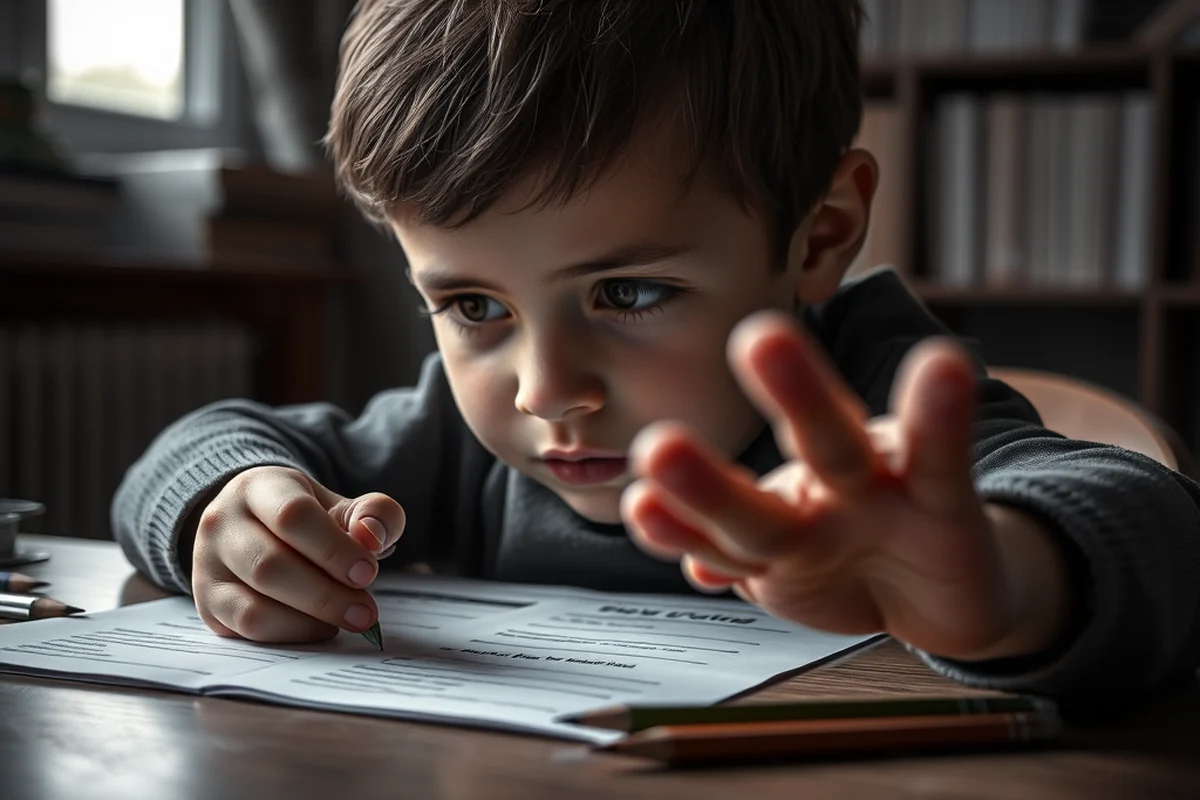
Drama class is more than just play—it's a powerful learning tool. Research shows that kids who participate in drama activities are more confident, more expressive, and better at problem-solving. I've noticed a big difference in my daughter's communication skills since she started drama class. She's more willing to speak up in class, share her thoughts, and even stand up in front of a group to give a presentation.[3]
One of the most surprising benefits of drama class is how it helps kids understand and express emotions. When children act out different scenarios, they learn to recognize feelings in themselves and others. I've seen my daughter use the skills she learned in drama class to better understand her classmates and express her own feelings more clearly.
Drama class also helps kids build teamwork and collaboration skills. Many activities in drama class require working together, listening to each other, and supporting each other. I've seen my daughter learn how to listen more carefully, how to give feedback, and how to work as part of a group—all of which are important skills in school and in life.
Drama class is a place where kids learn to be brave, creative, and compassionate.
Related: Monologues for teens
How to Get Started with Drama Class
Starting a drama class at home or in the classroom can be as simple as finding a space, gathering a few props, and using your imagination. I’ve found that even with just a few items—like a scarf, a hat, or a blanket—you can create an entire world of role-play and storytelling. My daughter has used a scarf to be a magician’s cape, a blanket to be a superhero’s cape, and even a hat to be a pirate.
If you're looking for a structured drama class, many schools and community centers offer regular sessions. These classes are usually led by trained educators who have experience working with kids. I’ve seen my daughter participate in a school drama class where she learned how to use her voice, how to express emotions, and how to perform in front of an audience.
You can also find drama class materials and lesson plans online. There are many free resources that are easy to use and adapt for different ages and skill levels. I’ve used a few printable drama class activities, and they’ve been a great way to keep my daughter engaged and learning even on days when we can’t go to a class.
Drama class doesn’t need to be expensive. Use items from around the house—like a towel, a hat, or a toy—to create props and costumes. This keeps the activity fun and accessible for kids.
“When I first walked into a drama class with my daughter at age five, I was surprised by how much she learned in just thirty…”— Teaching Drama to Kids editors
Related: The drama teacher academy
The Role of the Teacher in Drama Class
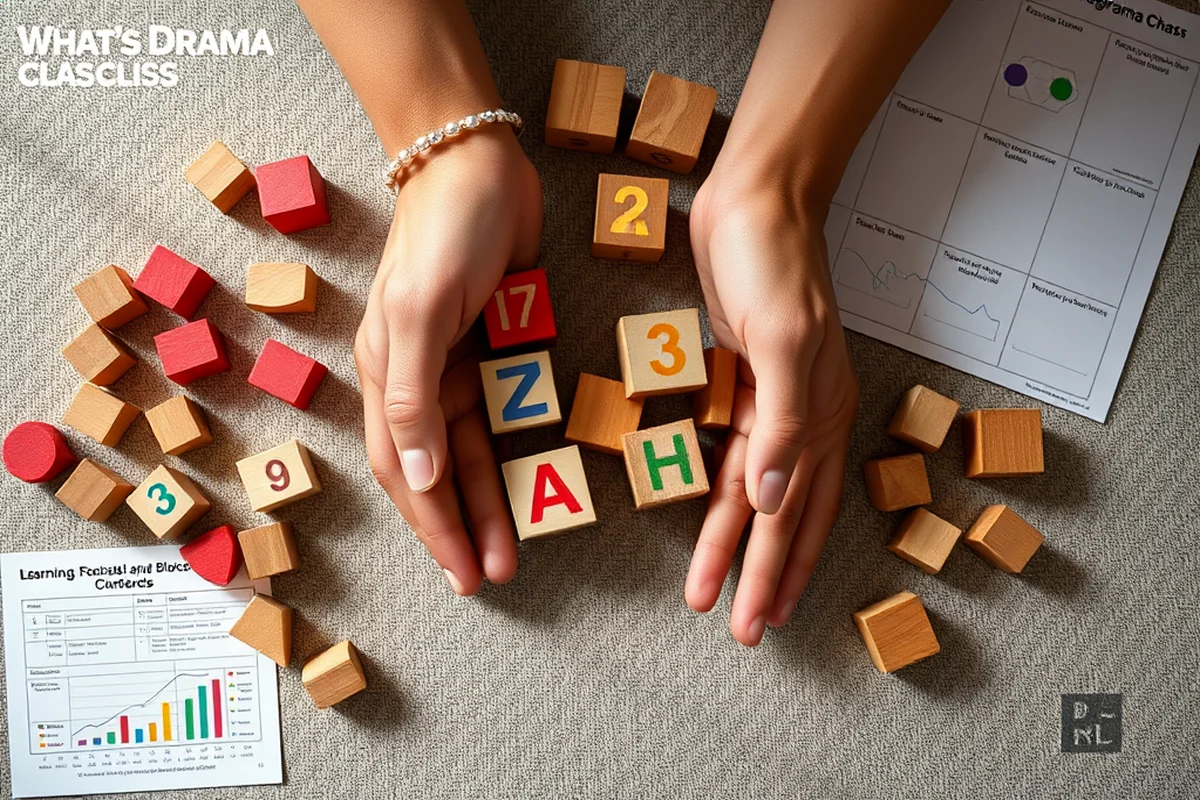
A good drama teacher doesn’t just direct the class—they create a safe and supportive environment where kids feel comfortable expressing themselves. I’ve noticed that my daughter is more open and creative when she’s with a teacher who encourages her to take risks and try new things. The teacher’s role is to help kids build confidence, explore their ideas, and learn from each other.
Teachers in drama class often use a variety of techniques to engage kids. These can include storytelling, improvisation, role-play, and movement activities. I’ve seen my daughter participate in a drama class where the teacher used improvisation to help kids practice thinking on their feet and responding to unexpected situations.
One of the most important roles of the drama teacher is to help kids understand and express emotions. Many teachers use activities that allow kids to explore different feelings and perspectives. I’ve seen my daughter learn to understand her own emotions better through these activities, and she’s also become more empathetic toward others.
Related: What s drama club
What Kids Learn in Drama Class
Drama class is an excellent way for kids to develop communication skills. Through role-play and storytelling, they learn how to express themselves clearly and confidently. I’ve seen my daughter become more articulate and more willing to share her thoughts, both at home and in school.
Creativity is another important skill that kids develop in drama class. They learn to use their imagination, think outside the box, and come up with new ideas. I’ve noticed that my daughter is now more creative in other areas of her life, such as art and problem-solving.
Confidence is one of the most valuable skills that kids can learn in drama class. As they practice performing, speaking, and creating, they become more self-assured and more willing to take risks. I’ve seen my daughter become more confident in a variety of situations, from speaking in front of a group to trying new things in school.
Related: The pbs games
The Power of Storytelling in Drama Class
Storytelling is one of the most powerful tools in drama class. It helps kids learn how to create their own stories, express their ideas, and connect with others. I’ve seen my daughter use storytelling to explore different characters, imagine new worlds, and even create her own fairy tales.
In drama class, storytelling is often combined with role-play and performance. Kids might act out a story, create a new ending, or even write their own scripts. I’ve seen my daughter use the skills she learned in drama class to write and perform her own short plays.
Storytelling in drama class also helps kids develop empathy. As they explore different characters and perspectives, they learn to understand and connect with others. I’ve seen my daughter become more empathetic toward her classmates and more open to different ideas and opinions.
Storytelling in drama class helps kids learn to imagine, create, and connect.
Related: English drama classes for kids near me
Drama Class as a Learning Tool
Drama class isn’t just about acting—it’s a way to learn about history, science, literature, and more. In my daughter’s drama class, they used a play to teach about a historical event. She learned about the story, the characters, and the emotions involved, all through performance and role-play.
Drama class can also help kids understand complex ideas in a more visual and interactive way. For example, a science lesson about the water cycle might be brought to life through a dramatic performance that shows how water moves through different stages. My daughter has learned about the environment and how to take care of the planet through these kinds of activities.
Using drama in education helps kids engage with the material in a way that’s different from traditional lessons. It keeps them interested, motivated, and excited about learning. I’ve seen my daughter learn more through drama class than she ever did in a textbook, because she was actively involved in the process.
🎭 Younger Kids (Ages 3-6)
Use simple stories, songs, and props to engage young children. Focus on play, imagination, and basic emotions.
🎭 Older Kids (Ages 7-12)
Explore more complex stories, scripts, and character development. Encourage creativity, collaboration, and performance skills.
🎭 No-Prep Version
Use everyday objects and spontaneous role-play. No special materials needed—just your imagination and a few items from around the house.
🎭 Group Version
Incorporate teamwork and collaboration in drama activities. Use group performances, improvisation, and creative problem-solving.
🎭 Extension Activity
Add a creative twist to drama class by incorporating drawing, writing, or music. Use these to enhance the storytelling and performance experience.
| The mistake | Why it happens | The fix |
|---|---|---|
| Assuming drama class is only for acting or performing. | Drama class is much more than just acting—it's a way to develop communication, creativity, and collaboration skills. | Remember that drama class is a learning tool that helps kids explore emotions, ideas, and stories in a fun and engaging way. |
| Not allowing kids to express themselves freely. | When kids feel restricted or judged in drama class, they may not be as creative or confident as they could be. | Create a safe and supportive environment where kids feel comfortable expressing themselves and taking risks. |
| Using too many rules or instructions. | Too many rules can make drama class feel like a performance rather than a creative exploration. | Keep the activities open-ended and allow kids to explore and create their own ideas. |
| Not adapting activities for different ages and skill levels. | Activities that are too complex or too simple may not be engaging for all kids. | Tailor activities to the age and skill level of the participants. Use simple stories for younger kids and more complex scripts for older kids. |
What'S Drama Class
Common Questions
What age is drama class best for?
Do I need any special equipment for drama class?
Can drama class help with school performance?
What are some benefits of drama class for kids?
References
- What Arts Educators Can Teach Us About Cultivating Creativity and ... (dpi.wi.gov)
- Drama/Theatre Model Curriculum - Ohio Department of Education (education.ohio.gov)
- The Powerful Role of Play in Early Education (cde.ca.gov)
Cite this guide
Teaching Drama to Kids (2026). What'S Drama Class. https://dramaplayarea.com/what-s-drama-class/
Feel free to cite or share this guide.
Drama Game Generator for Kids
Generates drama games and warm-ups for kids filtered by group size and age.
Open it free →