
The Children'S Theatre Of Cincinnati

📖 Table of Contents
- How to Get Involved at The Children's Theatre of Cincinnati
- What Makes The Children's Theatre of Cincinnati Unique
- The Educational Benefits of Participating in Theatre
- What to Expect at a Typical Rehearsal
- How to Prepare for a Production at The Children's Theatre of Cincinnati
- The Impact of The Children's Theatre of Cincinnati on Young Performers
- How to Support Your Child's Theatre Experience
- Make It Your Way
- Frequently Asked Questions
I still remember the first time my son walked into The Children's Theatre of Cincinnati as a wide-eyed 5-year-old, clutching a tiny prop sword and whispering, 'This is where real magic happens.' It wasn't just the costumes or the lights that captivated him — it was the way the actors made him feel like a star. The Children's Theatre of Cincinnati has a way of turning ordinary kids into something extraordinary, and I've watched it happen again and again over the years.[1]
What started as a small local theater group has grown into a dynamic, community-driven space where children aren't just spectators — they're storytellers, creators, and collaborators. From the moment the curtain rises, there's a palpable energy in the air that feels both professional and playful. It's the kind of place where a child can step into a role that fits them like a second skin, and for a brief, magical moment, they're not just pretending — they're living the story.[2]
The Children's Theatre of Cincinnati isn't just about putting on shows; it's about transforming young minds. I've seen kids who were shy and hesitant walk away from a performance with confidence, their voices ringing out with the kind of clarity and courage that makes you proud. It's a place where creativity isn't just encouraged — it's the heartbeat of every rehearsal and every show. ($6,222, dam.assets.ohio.gov)[3]
Why You'll Love This Educational Experience
- A safe and encouraging environment for young actors to explore creativity and self-expression.
- Hands-on learning that blends drama, music, and storytelling into a holistic experience.
- Opportunities for kids to build confidence, teamwork, and public speaking skills.
- Access to professional-quality productions and trained educators who know how to engage children.
How to Get Involved at The Children's Theatre of Cincinnati
As of October 2026, the theatre runs seasonal productions, summer camps, and after-school programs that cater to kids of all ages. I've seen parents bring their children for a single show and come back months later, fully immersed in the theatre's world. The theatre offers a range of options, from drop-in workshops to full-scale productions, ensuring that there's something for every interest and time commitment.
Each program is designed with specific learning goals in mind. For instance, a summer camp might focus on character development, while an after-school program might emphasize teamwork and collaboration. The theatre also offers classes for parents and educators who want to learn how to integrate drama into their own teaching or parenting styles.
What's most impressive is the way the theatre tailors its approach to individual children. I once watched a shy 7-year-old take the lead in a musical scene, and the staff made sure to give her the encouragement and support she needed to shine. The theatre doesn't just teach kids how to act — it helps them discover who they are.
Workshops are a great way for kids to try out the theatre without the long-term commitment of a full program. They're also a chance for parents to see how the theatre operates and whether it's a good fit for their child.
Part of our Theater kids guide.
What Makes The Children's Theatre of Cincinnati Unique
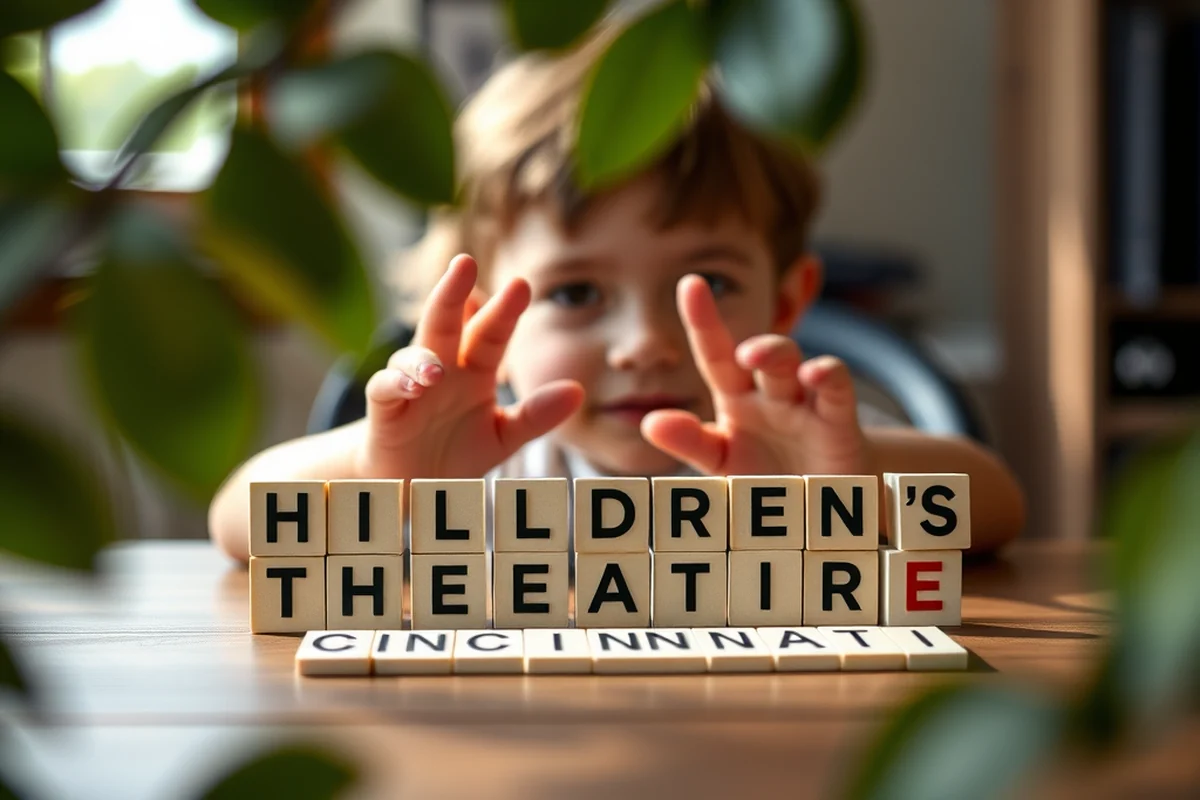
Unlike some theatres that may focus on producing high-end productions, The Children's Theatre of Cincinnati prioritizes the learning and growth of its young participants. I've noticed that the theatre has a strong commitment to diversity and inclusion, ensuring that every child feels seen and valued. This is reflected in the range of characters, stories, and themes that the theatre explores.
Another unique aspect of the theatre is the way it fosters a sense of community. Parents often report that their children form lasting friendships with other kids in the program, and the theatre hosts events where families can come together and celebrate their children's progress. The sense of belonging is palpable and deeply felt by everyone involved.
The theatre also works closely with local schools, offering curriculum-aligned programs that help kids meet educational standards through the arts. This approach not only makes learning fun but also helps kids retain what they've learned in a meaningful way.
At The Children's Theatre of Cincinnati, every child has a place to shine.
Related: Visual boy advance
The Educational Benefits of Participating in Theatre
Children who participate in theatre often show improvements in reading comprehension, vocabulary, and public speaking skills. I've seen kids who struggled with reading in school become more confident and engaged after participating in a production. The theatre encourages children to read scripts, memorize lines, and express themselves in new ways, all of which support academic growth.
Beyond the classroom, theatre also helps children develop important life skills like teamwork, empathy, and problem-solving. I once watched a group of kids work together to solve a conflict during a rehearsal, and it was a powerful reminder of how theatre can teach valuable lessons in real time.
The social-emotional benefits of theatre are also significant. Kids learn to express their emotions, manage stress, and build confidence in a supportive environment. This is especially important for children who may be shy or have learning differences, as the theatre provides a space where they can feel accepted and empowered.
Keeping a journal or recording of your child's experience at the theatre can help you see how much they've grown, both in terms of their acting skills and their personal development.
“I still remember the first time my son walked into The Children's Theatre of Cincinnati as a wide-eyed 5-year-old, clutching a tiny prop sword and…”— Teaching Drama to Kids editors
Related: Harry potter and the cursed child broadway
What to Expect at a Typical Rehearsal

Rehearsals are usually held in a spacious, well-lit studio that's set up like a mini theatre. The space is filled with props, costumes, and sound equipment, creating an immersive environment that feels like the real thing. Kids are greeted with high-fives and cheers from the cast and crew, setting a positive tone for the session.
The rehearsal begins with a warm-up activity that gets the kids moving and laughing. These exercises are designed to help them loosen up, build trust, and get into the mindset of the characters they'll be portraying. I've seen kids who were initially nervous or hesitant gradually become more relaxed and confident as the session progresses.
The actual rehearsal is a mix of acting, singing, and dancing, with the director guiding the kids through each scene. The focus is on making sure the children understand the story and their roles, while also having fun and expressing themselves creatively. It's a process that's both structured and flexible, allowing for spontaneity and growth.
Related: Child s play 1988
How to Prepare for a Production at The Children's Theatre of Cincinnati
The first step is to attend a casting session, where kids may be asked to read lines or perform a short monologue. This helps the theatre understand each child's strengths and how they might fit into a production. It's a low-pressure process, and the staff is always encouraging and supportive.
Once a child is cast in a production, they'll attend regular rehearsals and receive instruction on their lines, blocking, and character development. The theatre provides scripts, costumes, and props, so families don't need to worry about preparing materials at home.
Parents are also encouraged to support their child's preparation by discussing the story, practicing lines, and attending performances. This helps reinforce what the child is learning and makes the experience more meaningful for the whole family.
Related: Watch pbs kids
The Impact of The Children's Theatre of Cincinnati on Young Performers
Many parents have shared stories of how the theatre has helped their children grow in confidence, creativity, and self-expression. I once spoke to a mother whose daughter had always struggled with anxiety, and after participating in a production, she became more outgoing and self-assured.
The theatre also helps kids develop a sense of accomplishment and pride. Performing in front of an audience is a powerful experience that teaches kids how to handle pressure, take risks, and celebrate their achievements. These lessons carry over into other areas of their lives, from school to personal relationships.
The long-term impact of the theatre is perhaps best seen in the way former participants continue to engage with the arts. I've met adults who grew up at The Children's Theatre of Cincinnati and now work in the performing arts or volunteer in local theatre groups. The theatre has a way of planting seeds that continue to grow well into adulthood.
The Children's Theatre of Cincinnati doesn't just teach kids how to act — it helps them become who they're meant to be.
Related: What is children s theatre
How to Support Your Child's Theatre Experience
One of the best ways to support your child is to attend their performances. This not only shows them that you're proud of their work but also helps them feel more connected to the experience. The theatre often hosts post-show events where families can come together and celebrate the success of the production.
You can also support your child by encouraging them to practice their lines at home and discussing the story they're performing in. This helps reinforce what they're learning and makes the experience more meaningful for them.
Another way to support your child is to stay in communication with the theatre staff. They're always happy to provide updates on rehearsals, changes in the production, or ways that you can help your child prepare for their role. This level of support helps create a positive and collaborative environment for everyone involved.
🎭 Younger Kids Workshop
A short, hands-on session designed for children as young as three, focusing on basic storytelling and movement.
🎭 Advanced Performing Class
A more intensive program for older kids who want to refine their acting, singing, and stage presence skills.
🎭 No-Prep Drama Day
A fun, drop-in event where kids can explore different roles and stories without any prior preparation or commitment.
🎭 Group Theatre Program
A collaborative program where kids work together to create and perform a short play, focusing on teamwork and creativity.
🎭 Drama Extension Course
An extension of the main program that allows kids to explore more complex roles and develop their skills in a more advanced setting.
| The mistake | Why it happens | The fix |
|---|---|---|
| Assuming all productions are the same regardless of the child's age or experience. | Each program is tailored to the child's developmental stage, and assuming otherwise can lead to frustration or a lack of engagement. | |
| Not attending rehearsals or performances. | Missing rehearsals can hinder a child's progress, and skipping performances can prevent them from experiencing the joy of performing in front of an audience. | |
| Not communicating with the theatre staff about your child's needs. | Failing to communicate with the staff can prevent them from providing the necessary support or accommodations for your child. | |
| Overloading your child with too many activities. | Trying to balance theatre with other commitments can lead to burnout and prevent your child from fully enjoying the program. | |
| Not supporting your child's preparation at home. | A lack of support at home can make it difficult for your child to keep up with their lines and rehearsals. |
The Children'S Theatre Of Cincinnati
Common Questions
What age range does The Children's Theatre of Cincinnati cater to?
How long are the rehearsals and performances?
Are there opportunities for parents to participate in the program?
Can children with learning differences or special needs participate?
References
- 2022 City of Cincinnati Resident Survey Findings Report (cincinnati-oh.gov)
- Head Start's 11th National Research Conference, Research on ... (acf.gov)
- FY 2024 ANNUAL REPORT - Ohio.gov (dam.assets.ohio.gov)
Cite this guide
Teaching Drama to Kids (2026). The Children'S Theatre Of Cincinnati. https://dramaplayarea.com/the-children-s-theatre-of-cincinnati/
Feel free to cite or share this guide.
Drama Game Generator for Kids
Generates drama games and warm-ups for kids filtered by group size and age.
Open it free →