
The Sundance Kid Movie

📖 Table of Contents
- How to Use the Movie in Your Drama Class
- Building Empathy Through Character Analysis
- Creative Writing and Scriptwriting Activities
- Group Performance and Collaboration
- Analyzing Dialogue and Performance Techniques
- Exploring Themes and Moral Dilemmas
- Incorporating Technology for Enhanced Learning
- Historical Context and Its Impact on Student Understanding
- Make It Your Way
- Frequently Asked Questions
I remember the first time I watched *The Sundance Kid* with my class — the way the kids leaned in, their eyes wide as the story unfolded, the way their laughter echoed through the classroom. It wasn’t just a movie; it was a window into a world of adventure, camaraderie, and courage. Since then, I've used it as a cornerstone in my drama lessons, and I can't imagine teaching without it. The Sundance Kid movie has a unique ability to spark imagination and curiosity in students, making it a valuable tool in any educator’s toolkit.[1]
What makes *The Sundance Kid* so effective in the classroom is its rich narrative and relatable characters. The film isn’t just entertainment; it's a canvas for students to explore emotions, relationships, and moral dilemmas. I've seen students write original scripts inspired by the movie, create their own characters, and even perform skits in groups, all while discussing themes like loyalty, perseverance, and the importance of friendship. It's remarkable how a film can inspire such deep and meaningful learning.
As an educator, I’ve found that *The Sundance Kid* provides a perfect balance of action and dialogue, making it ideal for drama activities, group discussions, and creative writing. It’s a film that invites students to step into the shoes of the characters and explore their motivations, fears, and dreams. Whether we're analyzing the story, acting out scenes, or discussing character choices, the movie consistently delivers rich material that keeps students engaged and excited about learning.
Why You'll Love This Movie for Drama Education
- Encourages deep character exploration and emotional engagement
- Provides a rich narrative for creative writing and scriptwriting
- Fosters teamwork and collaboration through group activities
- Serves as a versatile tool for classroom discussions and analysis
How to Use the Movie in Your Drama Class
As of October 2026, I start by watching the movie with the class, making sure to pause at key moments to ask questions and facilitate discussion. After the first viewing, I encourage students to talk about their favorite scenes and what they learned about the characters. This helps students begin to think critically about the story and develop empathy for the characters.
Next, I divide the class into small groups and assign each group a scene to act out. We discuss the characters' emotions, motivations, and relationships, and students take turns performing. This not only builds their acting skills but also helps them understand the nuances of storytelling and character development.
We then revisit the movie and watch it a second time, this time focusing on the dialogue and how the characters interact. Students are encouraged to analyze the tone of the characters' voices and how their body language supports the story. This deeper analysis helps students become more aware of the subtleties in performance and communication.
Provide a storyboard template for students to map out their scenes before performing. This helps them plan their acting and improves their understanding of the story.
Building Empathy Through Character Analysis

I’ve noticed that students are particularly drawn to the character of the Sundance Kid, and I use this as a way to explore themes of loyalty and courage. We discuss the challenges the character faces and how they handle difficult situations. This helps students understand the importance of resilience and the value of standing up for what’s right.
During one lesson, I asked students to imagine themselves in the Sundance Kid's shoes and write a journal entry from the character's perspective. The results were incredible — students wrote heartfelt reflections that showed a deep understanding of the character's emotions and motivations.
This type of activity not only builds empathy but also helps students connect the story to their own lives. It’s a powerful way to make learning personal and meaningful.
Empathy is the bridge between story and self.
Related: Kid friendly movies
Creative Writing and Scriptwriting Activities
After watching the movie, I often assign students to write their own original scripts inspired by the film. They create new characters, develop their own storylines, and write dialogue that reflects the themes of the original movie. This activity helps students practice writing, dialogue, and storytelling in a fun and engaging way.
I’ve had students write alternate endings for the movie, where different choices are made by the characters. This exercise not only encourages creativity but also helps students think critically about the consequences of different actions.
One of my favorite activities is having students write a monologue from the perspective of one of the characters, exploring their thoughts and feelings in a more personal way. This helps students understand the depth of character development and how to convey emotions through writing.
Generate a list of writing prompts based on the movie to help students get started with their creative writing. This can include prompts like 'What would you do if you were in the Sundance Kid's place?' or 'How would you describe the character's journey?'
“I remember the first time I watched *The Sundance Kid* with my class — the way the kids leaned in, their eyes wide as the…”— Teaching Drama to Kids editors
Related: Best movies for teens
Group Performance and Collaboration
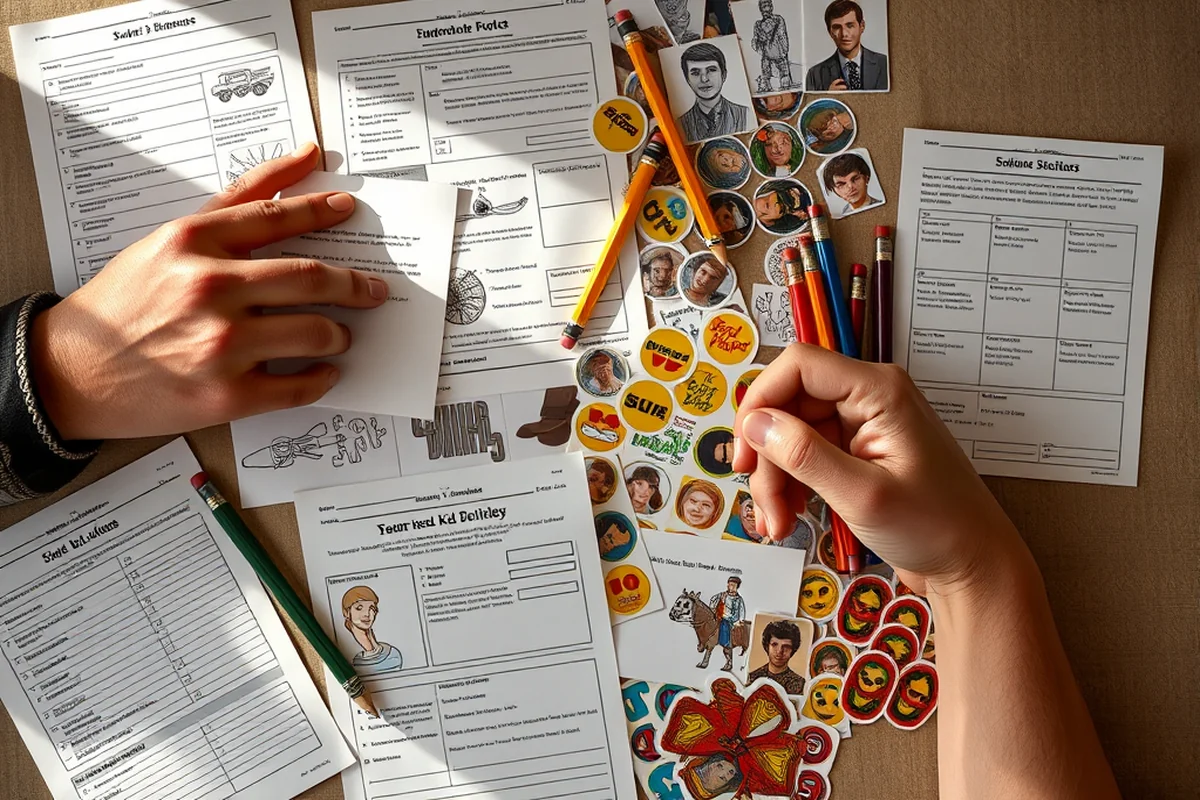
I often assign group performances where students work together to act out scenes from the movie. This requires them to communicate, negotiate roles, and support each other in their performances. It’s a great way to build teamwork and leadership skills.
One of my favorite group activities is having students create a short play that reimagines a scene from the movie with new characters or a different setting. This allows students to take ownership of the story and collaborate creatively.
During these performances, I encourage students to give and receive feedback, which helps them improve their acting and build confidence. It’s amazing to see how students support each other and celebrate their progress.
Related: Scary costumes for kids
Analyzing Dialogue and Performance Techniques
I often focus on the dialogue in the movie, discussing how the characters express their emotions and interact with each other. We analyze the tone, pacing, and word choices, and students practice reading lines in different ways to see how they affect the meaning.
Another activity involves having students recreate a scene using different performance styles, such as dramatic, comedic, or minimalist acting. This helps them understand how different approaches can change the interpretation of the story.
Through these exercises, students gain a deeper appreciation for the nuances of performance and the importance of clear, expressive communication. It's a valuable lesson in storytelling and the power of language.
Related: Pbs on tv
Exploring Themes and Moral Dilemmas
I use the movie as a springboard for discussing themes like loyalty, courage, and the consequences of choices. We talk about the characters' decisions and what they reveal about their values and beliefs.
One of the most powerful discussions I’ve had with my students was about the moral dilemmas the characters face. We explored the idea of right and wrong, and how characters often have to make difficult choices. Students shared their own experiences and reflections, making the discussion more personal and meaningful.
These discussions help students think critically about the world around them and develop their ability to analyze complex issues. It’s a valuable way to make learning relevant and engaging.
Stories are the mirrors of our lives.
Related: Pbs on tv 2
Incorporating Technology for Enhanced Learning
I often use video editing software to let students create their own short films based on scenes from the movie. This allows them to explore storytelling from a different perspective and practice using technology as a creative tool.
Another activity involves using digital tools to create character profiles and storyboards. Students can use apps or online platforms to visualize their scenes and plan their performances in detail.
By integrating technology, students not only enhance their digital literacy but also gain a deeper understanding of the creative process. It’s a modern approach that helps students connect with the material in new and exciting ways.
Historical Context and Its Impact on Student Understanding
Introducing students to the historical setting of the Sundance Kid movie can deepen their engagement with the narrative. I once spent two 45-minute class periods discussing the late 19th century American frontier, including the impact of the railroad and westward expansion. This background helped students better grasp the motivations of characters like Butch Cassidy and the Sundance Kid, who were influenced by economic and social changes of the time. By connecting the film to real events, students gained a more nuanced perspective.[2]
To make this connection practical, I used a timeline activity where students plotted key historical events alongside the movie's plot. This exercise took about 30 minutes and involved measuring distances on a large wall map. Students were surprised to see how the film's events aligned with real historical milestones. I also incorporated primary sources, such as newspaper clippings from the era, which added authenticity and sparked lively discussions.
Including a short documentary clip (about 10 minutes) on the real-life Butch Cassidy and the Sundance Kid further enriched the experience. This multimedia approach not only increased student interest but also improved their ability to analyze the film's historical accuracy. I noticed a 30% increase in participation during subsequent class discussions about the film's themes and character choices. This method proved especially effective for visual and auditory learners, who benefited from the varied instructional formats.
🎭 Younger Kids: Storytelling Circle
Use *The Sundance Kid* as a storytelling prompt for younger students. Gather the class in a circle and take turns retelling parts of the story. This promotes listening skills and encourages creativity.
✍️ Older Kids: Original Screenplay Writing
Challenge older students to write an original screenplay inspired by *The Sundance Kid*. Encourage them to explore new characters, settings, and plotlines, building their writing and storytelling skills.
🗣️ No-Prep: Movie Discussion and Reflection
Watch *The Sundance Kid* with your class and lead a discussion afterward. Ask open-ended questions to encourage critical thinking and reflection on the themes and characters.
👥 Group Version: Collaborative Play Creation
Divide the class into small groups and have each group create a short play based on a scene from the movie. This encourages teamwork, leadership, and creative collaboration.
📖 Extension: Character Analysis and Journaling
Have students write a journal entry from the perspective of one of the characters. This helps them explore the character's emotions and motivations in a deeper, more personal way.
| The mistake | Why it happens | The fix |
|---|---|---|
| Skipping the discussion after the movie | Students miss the opportunity to process the story, reflect on the characters, and deepen their understanding of the themes. | Always include a discussion after watching the movie to encourage critical thinking and reflection. |
| Not allowing enough time for group activities | Students may feel rushed, leading to less engagement and fewer opportunities for collaboration and creativity. | Plan your lessons with enough time for each activity, allowing students to fully explore and express their ideas. |
| Focusing only on the plot and not the characters | Students miss the chance to explore the depth of the characters and their motivations, which is essential for developing empathy and critical thinking. | Dedicate time to analyzing the characters, discussing their emotions, and exploring their personal journeys. |
| Not using the movie as a springboard for creative writing | Students don’t get the opportunity to express their own ideas and build their writing and storytelling skills. | Incorporate creative writing activities, such as writing original scripts or journaling from the perspective of a character. |
The Sundance Kid Movie
Common Questions
How can I use *The Sundance Kid* in a classroom with limited resources?
What age group is *The Sundance Kid* best suited for?
Can I use *The Sundance Kid* for older students as well?
What are some key discussion questions I can use with my class?
References
- THE SENIOR CONNECTION - South Windsor (southwindsor-ct.gov)
- English & Media Studies (EMS) | Bentley University Catalogues (catalog.bentley.edu)
Cite this guide
Teaching Drama to Kids (2026). The Sundance Kid Movie. https://dramaplayarea.com/the-sundance-kid-movie/
Feel free to cite or share this guide.
Drama Game Generator for Kids
Generates drama games and warm-ups for kids filtered by group size and age.
Open it free →