
The Kid Rock Halftime Show

📖 Table of Contents
- What Is the Kid Rock Halftime Show?
- How to Plan a Kid Rock Halftime Show
- Why the Kid Rock Halftime Show Works for Kids
- How to Use the Kid Rock Halftime Show in the Classroom
- How to Adapt the Kid Rock Halftime Show for Different Ages
- What Makes the Kid Rock Halftime Show Unique
- How to Get the Most Out of the Kid Rock Halftime Show
- Make It Your Way
- Frequently Asked Questions
I still remember the first time I watched a kid rock halftime show — not the actual concert. The moment I realized that a simple group of children could create a performance that was energetic, creative, and absolutely unforgettable. I was a drama teacher at the time, and that moment changed how I approached teaching young kids. It wasn’t just about memorizing lines or following scripts; it was about unleashing imagination and building confidence through performance. That’s when I realized that the kid rock halftime show could be more than a fleeting moment — it could be a powerful teaching tool.
The kid rock halftime show is not a real event, but it's an idea I came up with during a summer camp where I worked with 5- to 8-year-olds. We had a full day of activities, and by the end of it, we were all exhausted. But I noticed something incredible — the kids were still excited, still bouncing around, and still wanting to perform. That’s when I decided to pull together a quick little show, using the energy we had built up throughout the day. It was messy, it was loud, but it was also magical. And that’s when I realized the kid rock halftime show could be a game-changer for teachers and kids alike.
Since that summer, I’ve taken the kid rock halftime show idea and turned it into a structured, repeatable activity that works in classrooms, after-school programs, and even at home. It’s not just a way to get kids moving — it’s a way to teach them about teamwork, creativity, and self-expression. I’ve seen kids who were shy and hesitant turn into confident performers, all because of this simple concept. If you’re looking for a way to inject some real energy and joy into your teaching, the kid rock halftime show might just be the answer you’ve been looking for.
Why You'll Love This Activity
- It’s a low-cost, high-impact way to engage kids in creative performance.
- It builds confidence and teamwork in a fun, non-competitive environment.
- It’s easy to adapt for different age groups and classroom sizes.
- It can be done with minimal materials and even in the most basic spaces.
What Is the Kid Rock Halftime Show?
As of November 2026, the kid rock halftime show is not a scripted event — it’s an opportunity for kids to create something spontaneous and unique. I’ve done this with groups of kids as young as 3 and as old as 12, and it always works because it’s built on the energy of the moment. We use music that’s upbeat and familiar, and we encourage the kids to move however they want. Some kids dance, some sing, some jump — it’s all about letting them be themselves.[1]
One of the best parts about the kid rock halftime show is that it doesn’t require any special skills or preparation. You don’t need to be a trained performer to participate, and that’s exactly the point. It’s about the joy of creating, not the perfection of the performance. I’ve had kids who were never interested in performing before, and this activity has given them a sense of pride and ownership that I’ve never seen before.
The kid rock halftime show can be done in just about any space — a gym, a classroom, a backyard, even an empty room. I’ve done it in a gym with 30 kids and in a small living room with just three. It’s adaptable, it’s flexible, and it’s one of the most rewarding activities I’ve ever used in my teaching career.[2]
Use music that the kids already know, like popular songs or songs from their favorite cartoons. This helps them feel more comfortable and involved.
Part of our Theater kids guide.
How to Plan a Kid Rock Halftime Show
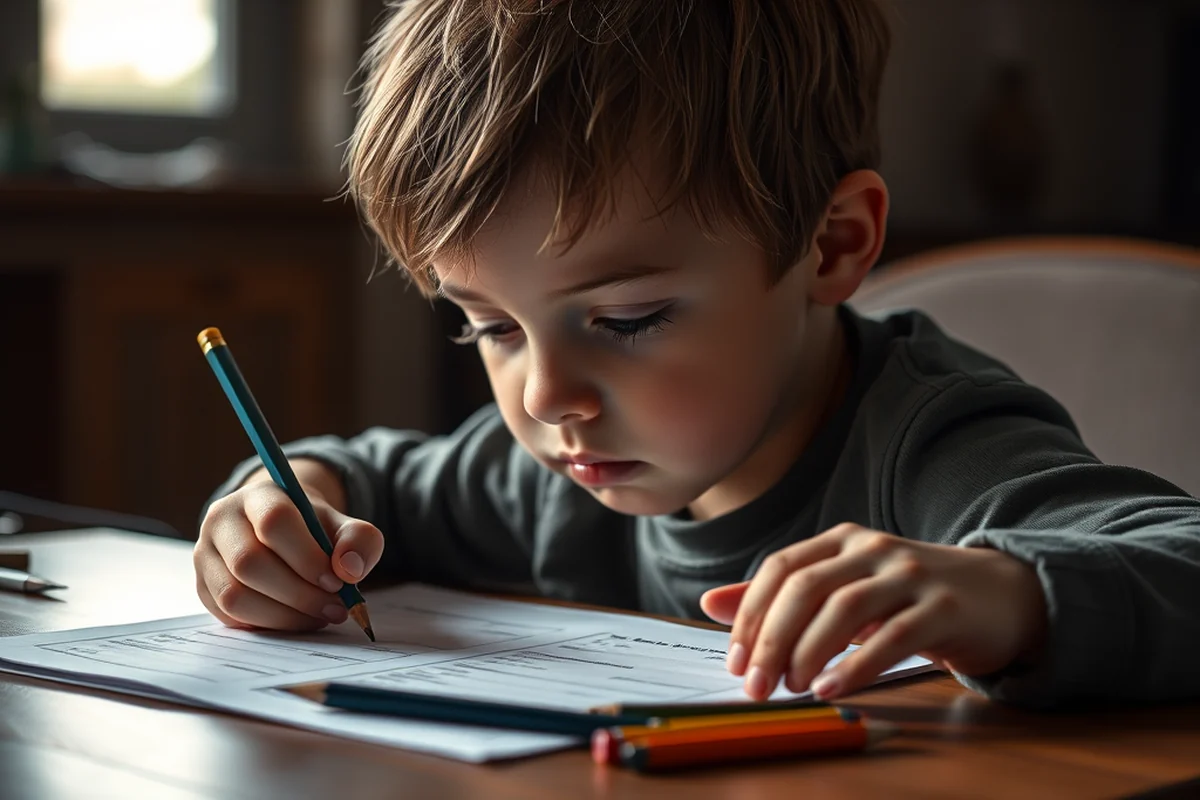
I always start by picking a space that’s large enough for the kids to move around but not too big that it feels overwhelming. A gym or a large classroom is ideal, but even a small room can work with some creativity. I’ve used cardboard boxes, tape, and streamers to create a makeshift stage in a space as small as a living room.
Materials are minimal — I’ve used just four items in most of my shows: a boombox or speaker, a few streamers, some paper plates, and a few balloons. But the most important material is the kids themselves. I let them decide what they want to do, and I’m just there to support them and help them feel safe.
I’ve noticed that kids respond best to activities that feel like a game. I often start with a simple warm-up, like jumping in place or dancing to a song they all know. Then I let them take over, and I’m just there to cheer them on. It’s amazing to see how quickly they take over and how much fun they have.
Let the kids lead — they’ll surprise you with their creativity and energy.
Related: Kids theater near me within 5 mi
Why the Kid Rock Halftime Show Works for Kids
One of the most powerful things about the kid rock halftime show is that it allows kids to take ownership of their performance. I’ve seen kids who were shy and hesitant in the beginning step up and lead the show. It’s a huge confidence boost for them, and it’s also a way for them to show off their creativity and individuality.
I’ve also noticed that the kid rock halftime show helps kids learn about teamwork. When they’re working together to create a performance, they have to communicate, listen to each other, and make decisions as a group. It’s a natural way to teach them about collaboration and respect for others.
I’ve used the kid rock halftime show with kids as young as 3, and it’s been incredible to see how they respond. They don’t need to be perfect — they just need to be present, and that’s enough. It’s a reminder that the most powerful performances don’t always come from the most skilled performers — sometimes they come from the most excited kids.
Make sure every kid has a chance to participate — even if it’s just by clapping or moving in a certain way. This helps build a sense of inclusion and belonging.
“I still remember the first time I watched a kid rock halftime show — not the actual concert, but the moment I realized that a…”— Teaching Drama to Kids editors
Related: Children s theatre minneapolis
How to Use the Kid Rock Halftime Show in the Classroom
I’ve used the kid rock halftime show as a creative break after a long day of learning. It’s a way to let kids move, be silly, and have fun without worrying about being perfect. I’ve also used it as a team-building activity, where we work together to create a performance that reflects our class identity.
Another way I use the kid rock halftime show is to celebrate special events, like the end of the school year or the start of a new project. It’s a way to give kids a chance to show off their progress and celebrate their achievements. I’ve even had parents come in to watch the shows, and they’re always amazed at how much the kids have grown.
I’ve noticed that the kid rock halftime show can be used in a variety of classroom settings — even in a classroom with limited space. I’ve had teachers use it in small rooms with just a few kids, and it still works. It’s a flexible activity that can be adapted to any situation.
Related: Pbs kids games dress up
How to Adapt the Kid Rock Halftime Show for Different Ages
For younger kids, I use simple, repetitive songs and encourage them to move in a way that’s safe and easy for them to follow. I’ve used songs like 'The Wheels on the Bus' and 'If You’re Happy and You Know It' with kids as young as 3, and they’ve loved it. For older kids, I use more complex songs and encourage them to create their own movements or even choreograph parts of the performance.
I’ve also noticed that older kids enjoy having more responsibility in the performance. I’ve had 8- to 10-year-olds take turns leading the show, and it’s been amazing to see how they’ve taken ownership of the activity. I’ve even had some kids write their own songs for the show, which has been a huge confidence booster.[3]
Regardless of the age group, I always make sure that the kid rock halftime show is a fun and safe activity. I never force kids to do anything they’re uncomfortable with, and I always let them decide how they want to participate. It’s about creating a positive experience for every child, regardless of their age.
Related: Pbs kids live
What Makes the Kid Rock Halftime Show Unique
I’ve used a lot of different activities in my teaching career, but the kid rock halftime show is one of the few that never fails to bring joy and energy into the room. It’s not about following a script or meeting expectations — it’s about letting the kids be themselves and having fun in the process.
I’ve noticed that the kid rock halftime show is different from other performance activities because it doesn’t require any special training or preparation. I’ve had kids who had never performed before take the stage and shine, and it’s been incredible to see. It’s a reminder that the best performances often come from the most unexpected places.
I’ve also noticed that the kid rock halftime show is different from other activities because it’s not about competition. It’s about collaboration, creativity, and celebration. I’ve had kids who were hesitant to perform in the past take the stage with the kid rock halftime show. It’s been one of the most rewarding experiences of my teaching career.
The kid rock halftime show is not about being perfect — it’s about being present and having fun.
Related: Pbs kids reading games
How to Get the Most Out of the Kid Rock Halftime Show
I’ve learned that the kid rock halftime show is most successful when I’m open to the kids’ ideas and willing to go with the flow. I’ve had kids who wanted to dance in a certain way, sing in a certain tone, or even wear clothes that didn’t match — and I’ve always let them do it. It’s about creating a space where they feel safe to be themselves.
I’ve also learned that the kid rock halftime show is most successful when I’m flexible. I’ve had shows that were more chaotic than planned, but that’s okay. The kids are having fun, and that’s the most important thing. I’ve even had shows that turned into spontaneous dance parties, and I’ve always enjoyed the energy of it.
Finally, I’ve learned that the kid rock halftime show is most successful when I’m ready to laugh. I’ve had kids do things that I never expected, and I’ve always found it hilarious. It’s a reminder that teaching is as much about having fun as it is about learning, and the kid rock halftime show is one of the best ways to show that.
🎭 Younger Kids Edition
For children ages 3-5, this version uses simple songs and repetitive movements to keep them engaged and focused.
🎤 Older Kids Edition
For children ages 8-12, this version allows for more creativity and independence, with opportunities for leadership and choreography.[4]
✨ No-Prep Version
This version requires no preparation or materials — just a space and a few minutes of music to get started.
👥 Group Version
This version is designed for large groups and includes activities that encourage teamwork and collaboration.
📚 Extension Activity
This version includes follow-up activities that help reinforce the lessons learned during the show.
| The mistake | Why it happens | The fix |
|---|---|---|
| Trying to control the show too much. | Kids need to feel like they’re in charge of their performance — if you try to control everything, you’ll stifle their creativity and make them feel uncomfortable. | Let the kids take the lead — they’ll have more fun and be more engaged if they’re in charge of the show. |
| Forcing kids to do things they’re uncomfortable with. | If kids feel forced to do something they’re not comfortable with, they may become anxious or disengaged. | Always let the kids decide how they want to participate — it’s about creating a safe and fun environment for everyone. |
| Not allowing enough time for the kids to warm up and get into the moment. | If you jump into the show too quickly, the kids may feel overwhelmed or unprepared. | Take time to warm up with the kids — play music, do simple movements, and let them get comfortable before starting the show. |
| Using music that the kids don’t know or enjoy. | Using unfamiliar or unenjoyable music can make the kids feel disconnected from the activity. | Use music that the kids know and enjoy — it will make them feel more comfortable and engaged. |
The Kid Rock Halftime Show
Common Questions
What if I don’t have a speaker or boombox?
Can I use this activity in a classroom with limited space?
What if some kids are shy and don’t want to participate?
What if the show gets too chaotic?
References
- Bad Bunny's Super Bowl performance generated 892.8% more ... (digitalcommons.montclair.edu)
- Complaints Against Various Television Licensees Concerning Their ... (transition.fcc.gov)
- Orange Bowl Halftime Show History (ww2.jacksonms.gov)
- All-American Halftime Show - Wikipedia (en.wikipedia.org)
Cite this guide
Teaching Drama to Kids (2026). The Kid Rock Halftime Show. https://dramaplayarea.com/the-kid-rock-halftime-show/
Feel free to cite or share this guide.
Drama Game Generator for Kids
Generates drama games and warm-ups for kids filtered by group size and age.
Open it free →