
New To Pbs

📖 Table of Contents
I still remember the first time I sat down with my daughter and watched a PBS Kids show. She was only four, and the bright colors and playful characters immediately caught her attention. It was a moment of pure, unfiltered joy — but it also sparked a question in my mind: How can I, as a parent, make the most of these educational resources? I had heard so much about PBS, but I had no idea where to start, what to watch, or how to integrate it into our daily lives. That's when I began my journey of discovery, and it's been a game-changer for our family.[2]
As an educator and a parent, I've always believed that learning should be fun, engaging, and accessible. PBS has long been a trusted source for high-quality, educational content for kids, and I wanted to find a way to help others get the most out of it. That's why I created this guide — to walk you through everything you need to know if you're new to PBS and ready to make learning an adventure. Whether you're a first-time viewer or a seasoned PBS fan, this article will give you the tools to explore and grow with your child.[3]
The truth is, PBS is more than just a channel — it's a gateway to creativity, critical thinking, and curiosity. From animated shows that teach math and science to live-action programs that explore history and culture, there's something for every child. I've spent hours watching, analyzing, and testing shows with my own kids, and I'm here to tell you that the benefits are real. With the right approach, PBS can become a powerful tool in your child's educational journey — and I'm excited to share how.[4]
Why You'll Love This Activity
- Easy to access and watch on multiple devices
- Highly educational and aligned with learning standards
- Encourages creativity, problem-solving, and critical thinking
- Perfect for parents who want to integrate learning into everyday life
What is PBS and Why It Matters
As of November 2026, Public Broadcasting Service, or PBS, has been a staple in American homes for decades. It's a network that brings together a wide range of educational and cultural programming, and it's especially known for its work with children. Shows like *Sesame Street*, *Mister Rogers' Neighborhood*, and *Bluey* have become household names, not just for their entertainment value, but for the way they teach and engage young minds.
What makes PBS stand out is its commitment to education. Every show is designed with learning in mind, whether it's teaching letters and numbers or helping kids understand emotions and social skills. The content is carefully curated, with a focus on making learning fun and accessible. For parents, this means a wealth of resources that are both educational and entertaining.
I've personally watched hundreds of hours of PBS shows with my own children, and I've seen the difference it makes. From improving literacy to fostering creativity, the benefits are undeniable. If you're new to PBS, this is a great place to start.
If your child is already into a specific character or topic, find PBS shows related to that and start from there.
How to Access PBS Shows
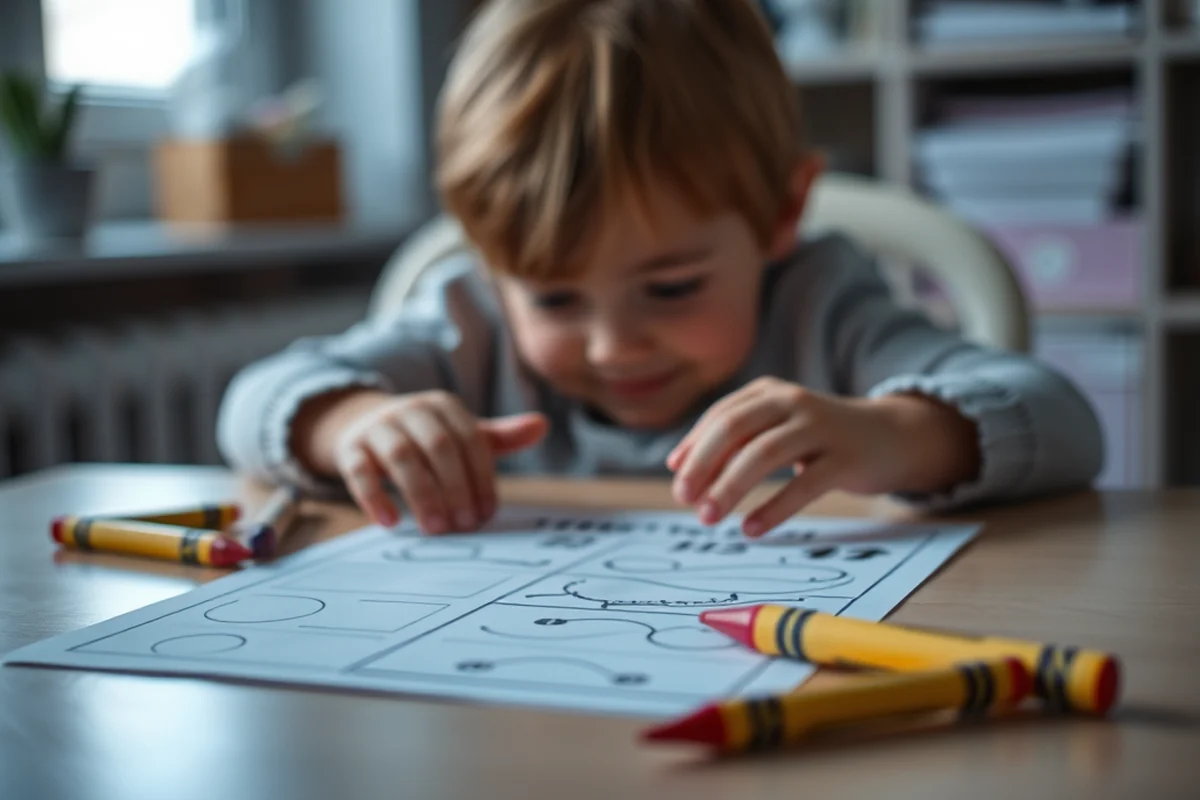
One of the biggest advantages of PBS is that it's available on multiple platforms. You can stream it on the PBS Kids website or app, or through services like Hulu, Amazon Prime, and Apple TV. Many of these platforms offer free trials, which can be a great way to explore the content without committing to a subscription.
I often use the PBS Kids app on my phone and tablet. It's a great way to watch shows on the go, whether we're waiting in line at the grocery store or traveling in the car. The app also has interactive games and activities that are aligned with the shows, making learning even more engaging.
Another option is to watch PBS on your TV. Many cable providers offer PBS as part of their programming, and you can also find it on streaming services like YouTube and Roku. With so many options, it's never been easier to access PBS content.
Wherever you are, PBS is always within reach.
Related: Acting classes for kids
What Kids Can Learn from PBS Shows
One of the most impressive things about PBS shows is the way they incorporate learning into every episode. From basic math and science concepts to more complex topics like history and geography, there's something for every child. I've seen my daughter count along with *The Cat in the Hat* and solve simple equations with *Odd Squad*, and it's been amazing to watch her grow.
In addition to academic skills, PBS shows also help kids develop important social and emotional skills. Shows like *Daniel Tiger's Neighborhood* and *Bluey* teach kids how to share, take turns, and express their feelings. These are essential life skills that are often overlooked in traditional educational settings.
I've noticed that my child is more confident and more curious since we started watching PBS. It's not just about learning facts and figures — it's about fostering a lifelong love of learning and discovery.
After watching a show, ask your child questions about what they learned and how it applies to their life.
“I still remember the first time I sat down with my daughter and watched a PBS Kids show.”— Teaching Drama to Kids editors
Related: Drama club on fox
How to Use PBS Shows for Learning at Home
One of the easiest ways to use PBS shows for learning is to watch them with your child and then follow up with a hands-on activity. For example, after watching an episode of *Sid the Science Kid*, we often do a simple experiment related to the episode. This helps reinforce what they've learned and makes it more memorable.
I've also found that using PBS shows as a way to teach new concepts is highly effective. If your child is learning about shapes, for example, you can watch a show that features shapes and then use household items to identify them. This makes learning interactive and more engaging.
Another great idea is to create a viewing schedule that includes a variety of PBS shows. This helps your child develop a routine and exposes them to a wide range of educational content. I've found that consistency is key, and it helps my child look forward to our daily learning time.
Related: What s drama class
How to Engage Your Child with PBS Shows
One of the best ways to engage your child with PBS shows is to get them involved in the learning process. Instead of just watching passively, you can ask questions, encourage them to repeat lines, or even act out scenes. This makes the experience more interactive and helps them retain information.
I've noticed that my child is more engaged when she gets to choose which show we watch. This gives her a sense of control and makes the experience more enjoyable. It's also a great way to find out what she's interested in and tailor the learning experience to her needs.
Another idea is to use PBS shows as a way to introduce new vocabulary. Many shows use a lot of new words, and I've found that discussing them with my child helps her learn and understand them better. This is especially helpful for younger children who are just starting to build their language skills.
Related: Voice acting classes
How to Use PBS Shows for Group Learning
I've used PBS shows in both classroom and group settings, and the results have been incredible. Watching a show together and then discussing it as a group helps children learn from each other and develop critical thinking skills. It also creates a shared experience that can foster teamwork and collaboration.
In a classroom setting, teachers can use PBS shows as a way to introduce new topics or reinforce existing ones. For example, after watching an episode of *Dinosaur Train*, we did a group activity where the kids had to identify different types of dinosaurs based on what they learned in the show. This made learning more interactive and engaging.
I've also used PBS shows for group playdates. It's a great way to bring kids together and encourage them to learn and play at the same time. I've seen how quickly children can bond over a shared love of learning and discovery.
Learning is more fun when it's shared.
Related: Acting classes for beginners
How to Use PBS Shows for Creative Play
One of the most creative ways to use PBS shows is to let your child use them as inspiration for their own play. For example, after watching *Bluey*, we often create our own imaginary games and scenarios. This helps develop creativity, problem-solving, and social skills.
I've also used PBS shows as a way to spark art projects. After watching an episode of *Arthur*, we did a drawing activity where the kids had to draw their own version of the character. This helped them practice drawing skills while also reinforcing what they learned from the show.
Another idea is to use PBS shows as a way to encourage dramatic play. Kids can act out scenes from the shows, which helps them develop confidence, creativity, and social skills. I've seen how this type of play helps children express themselves and build their own narratives.
👶 Younger Kids (Ages 3-5)
Focus on simple, interactive shows that teach basic concepts like counting, colors, and shapes. Use props and simple activities to reinforce learning.
👦 Older Kids (Ages 6-10)
Choose shows that cover more complex topics like science, history, and social studies. Encourage discussion and hands-on activities to deepen understanding.[1]
🎯 No-Prep Version
Watch a PBS show and then engage your child with simple questions or activities. No additional materials are needed.
👯♀️ Group Learning
Use PBS shows to create a shared learning experience with friends or classmates. Encourage discussion and collaboration.
🚀 Extension Activity
After watching a show, create an extension activity that builds on the learning. This could be a craft, a game, or a discussion.
| The mistake | Why it happens | The fix |
|---|---|---|
| Watching too much screen time without a break | Too much screen time without a break can lead to eye strain and reduced attention span. It's important to balance screen time with other activities. | Take short breaks every 20-30 minutes and use that time for physical activity, reading, or creative play. |
| Using PBS shows as a substitute for other forms of learning | While PBS shows are educational, they shouldn't be the only form of learning. A well-rounded learning experience includes hands-on activities, books, and real-world experiences. | Use PBS shows as a supplement to other forms of learning, not a replacement. Combine watching with reading, hands-on projects, and real-life experiences. |
| Not engaging with the content | If you're just watching the show without engaging with it, your child may not get the full educational benefit. Engagement is key to reinforcing learning. | Watch the show with your child and ask questions, discuss what you saw, and do follow-up activities that reinforce the learning. |
| Ignoring your child's interests | If you're not considering your child's interests, they may not be as engaged with the content. It's important to choose shows that align with their interests and learning goals. | Let your child choose which shows they want to watch and use that as a way to tailor the learning experience to their needs and interests. |
New To Pbs
Common Questions
Where can I find PBS shows online?
Are all PBS shows educational?
Can I watch PBS shows for free?
How can I use PBS shows to teach my child?
References
- AHEAD study at UW featured on Milwaukee PBS (adrc.wisc.edu)
- PBS Recordkeeping Guidance - NYSDEC (dec.ny.gov)
- New PBS Wisconsin Program Spotlights State Natural Areas And ... (dnr.wisconsin.gov)
- New PBS NC Series "Health Heroes" Helps Kids Learn About Public ... (dph.ncdhhs.gov)
Cite this guide
Teaching Drama to Kids (2026). New To Pbs. https://dramaplayarea.com/new-to-pbs/
Feel free to cite or share this guide.
Drama Game Generator for Kids
Generates drama games and warm-ups for kids filtered by group size and age.
Open it free →