
What Is Arthur In Pbs Kids

📖 Table of Contents
- What Is Arthur in PBS Kids?
- How Arthur Supports Early Childhood Development
- Arthur and Literacy Development
- Arthur and Social Skills
- Arthur and Emotional Intelligence
- How to Use Arthur in the Classroom
- Arthur's Impact on Kids and Families
- Arthur and Cross-Curricular Learning Opportunities
- Make It Your Way
- Frequently Asked Questions
As a drama teacher, I've spent countless hours watching children engage with educational content, and one of the most enduring shows that has consistently captivated young minds is Arthur. What is Arthur in PBS Kids? It's more than just a show—it's a gateway to learning through the eyes of a lovable, relatable character named Arthur. As a parent and educator, I've seen how this show helps kids grasp social skills, problem-solving, and creativity. I remember the first time my son watched an episode of Arthur and asked, 'Why does Arthur always get into trouble?' That question opened up a world of discussion about empathy, consequences. Learning from mistakes—something Arthur teaches implicitly.
Arthur, the lovable aardvark, has been a staple on PBS Kids since 1996, and over the years, the show has evolved to remain relevant while maintaining its educational core. I've used Arthur in my classroom to teach everything from reading comprehension to emotional intelligence. What I love most is how the show mirrors the challenges kids face every day. From dealing with bullies to learning new things, Arthur's stories feel real, and that's why they resonate so deeply with children. The show's blend of humor, heart, and life lessons makes it a powerful tool for educators and parents alike.[1]
If you're asking, 'What is Arthur in PBS Kids?' you're not just looking for a definition—you're looking for a resource that can help shape your child's development. I've seen students who struggled with attention and focus become more engaged in school after watching Arthur. The show's ability to blend entertainment with education is what makes it a standout in children's media. Whether you're a teacher, a parent, or a caretaker, understanding the role of Arthur in PBS Kids can help you harness its value in your own unique way.
Why You'll Love This Educational Resource
- Encourages social and emotional learning through relatable stories
- Teaches problem-solving and critical thinking in a fun, engaging way
- Helps build literacy and language skills through dialogue and narration
- Promotes empathy and understanding of diverse perspectives
What Is Arthur in PBS Kids?
As of November 2026, Arthur is more than just a character—he's a window into the world of a young child's daily experiences. The show follows Arthur and his friends as they navigate school, family, and friendships. Each episode is crafted with care, balancing entertainment and education to provide a valuable learning experience for kids.
What makes Arthur so effective is his relatability. Kids see themselves in Arthur's struggles, whether it's dealing with a difficult teacher, facing a fear, or learning to share. These situations are presented in a way that invites reflection and discussion, making the show an excellent tool for educators.
As an educator, I've used Arthur to introduce topics like kindness, responsibility, and perseverance. The show's gentle approach to complex issues helps children grasp them without feeling overwhelmed. It's a rare gem that blends storytelling with meaningful lessons.
After watching an episode, ask your child, 'What did Arthur do that was brave?' to encourage reflection and critical thinking.
How Arthur Supports Early Childhood Development
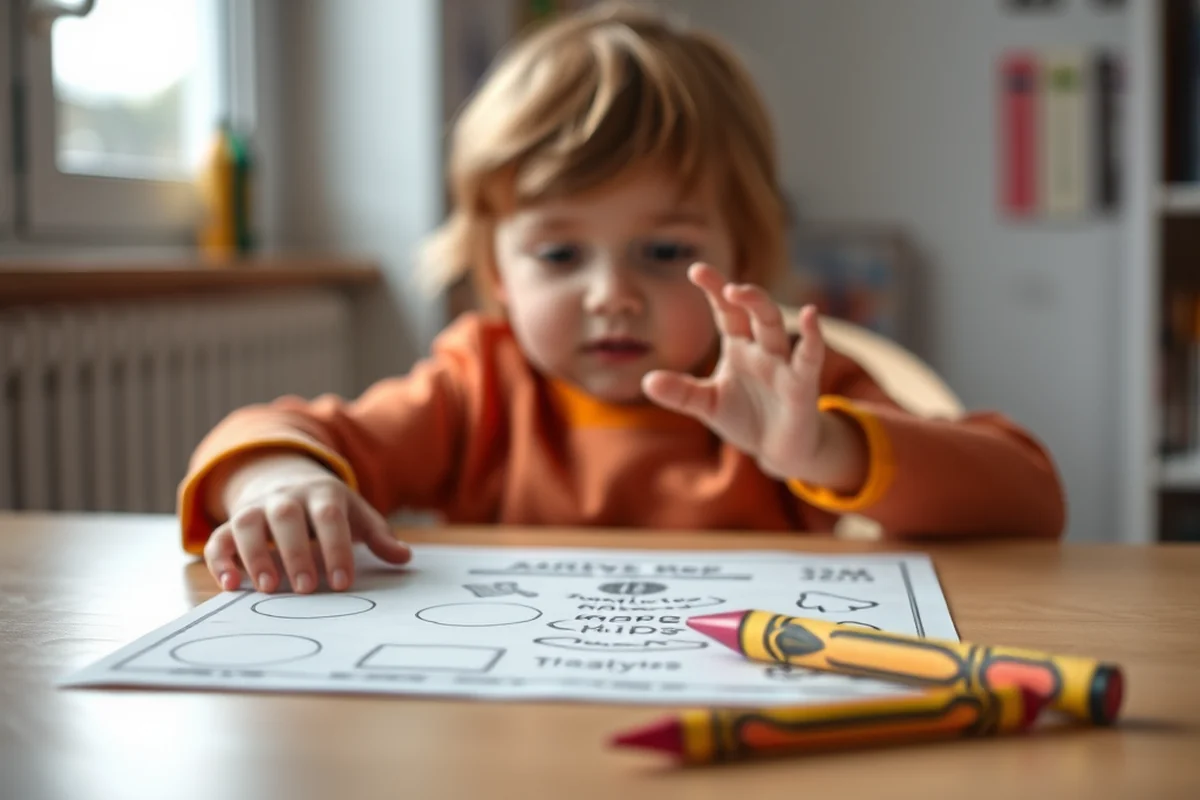
From the moment Arthur appears on screen, kids are exposed to scenarios that mirror their own lives. Whether it's learning to tie shoes, dealing with a friend's jealousy, or standing up to a bully, Arthur's stories are rich with developmental milestones.
One of the most remarkable aspects of Arthur is how it models emotional intelligence. Kids learn to recognize and manage their feelings through Arthur's actions and decisions. This is an invaluable tool for parents and educators working to build emotional resilience in children.
In my classroom, I've seen how Arthur helps kids understand the importance of empathy. When Arthur makes a mistake, the show doesn't shy away from it—it shows him learning from it. That honesty is what makes Arthur such a powerful teacher.
Arthur doesn't just teach kids how to solve problems—he teaches them how to live with them.
Related: The book for kids
Arthur and Literacy Development
Arthur's episodes are a masterclass in literacy development. Each show is filled with dialogue, narration, and vocabulary that exposes children to a wide range of language structures. Kids learn new words, understand complex sentences, and develop listening skills.
What I love most is how Arthur's stories are structured like a book. There's a beginning, middle, and end, and each episode leaves kids with a sense of closure. This helps reinforce the concept of story structure, which is a fundamental part of literacy.
In my experience, kids who watch Arthur regularly show improved comprehension and vocabulary. They're more engaged in reading and more willing to take on challenging texts because they've seen how stories can be both fun and meaningful.
Encourage your child to read along with Arthur's episodes using a printout of the script. This helps reinforce pronunciation and vocabulary in a fun, interactive way.
“As a drama teacher, I've spent countless hours watching children engage with educational content, and one of the most enduring shows that has consistently”— Teaching Drama to Kids editors
Related: Kid friendly movies
Arthur and Social Skills

Social skills are the foundation of a child's ability to interact with others, and Arthur is a master at teaching these skills. Whether it's learning to share, standing up for oneself, or working together, Arthur's episodes are full of social learning moments.
One of the most common themes in Arthur is conflict resolution. Kids see how Arthur and his friends navigate disagreements and find solutions. These moments are presented in a way that's honest and relatable, helping kids understand that conflicts are a normal part of life.
In my classroom, I've used Arthur to discuss different ways to handle disagreements. Kids have come up with their own strategies after watching Arthur, showing how the show's lessons stick with them long after the episode ends.
Related: Best movies for teens
Arthur and Emotional Intelligence
Emotional intelligence is the ability to recognize, understand, and manage one's own emotions and the emotions of others. Arthur is a powerful tool for teaching this concept to young children.
Kids see Arthur experience a wide range of emotions—excitement, fear, sadness, and happiness. The show doesn't shy away from these emotions; instead, it shows how Arthur works through them. This gives kids a safe space to explore their own feelings without judgment.
In my experience, kids who watch Arthur regularly are more in tune with their emotions. They're more likely to talk about how they're feeling and to seek help when they're struggling. That's a win for emotional intelligence.
Related: Scary costumes for kids
How to Use Arthur in the Classroom
Using Arthur in the classroom is a great way to engage students in meaningful learning. I've used the show to teach everything from reading comprehension to empathy and communication skills.
One of my favorite activities is to watch an episode and then have students draw a picture of their favorite moment. This helps reinforce comprehension and encourages creativity. It also gives kids a chance to reflect on what they've learned.
Arthur's stories are also a great starting point for group discussions. Kids can talk about what they would do if they were in Arthur's place, helping them think critically and build empathy.
Arthur's classroom potential is limited only by your imagination.
Related: Pbs on tv
Arthur's Impact on Kids and Families
Arthur's influence goes beyond the classroom. Parents and families can use the show as a way to start meaningful conversations about life's challenges. Whether it's dealing with a difficult situation or learning to be kind, Arthur's lessons are universal.
I've had parents tell me that watching Arthur with their kids has brought them closer together. The show provides a common ground for discussion and learning, making it a valuable tool for families.
Arthur's ability to connect with both children and adults is one of its greatest strengths. It's a show that parents can watch with their kids and still find something to learn from.
Arthur and Cross-Curricular Learning Opportunities
Arthur's episodes often incorporate math concepts such as counting, sorting, and basic addition. For example, in one episode, Arthur helps his friend D.W. Count her collection of stickers, which introduces young viewers to one-to-one correspondence. Teachers can use this as a starting point for hands-on activities, such as having students count and sort classroom items. This approach not only reinforces mathematical skills but also makes learning interactive and relatable.
In addition to math, Arthur's stories provide opportunities for science learning. An episode where Arthur and his friends plant a garden can be used to teach concepts like photosynthesis, growth cycles, and the importance of sunlight and water. Teachers can extend this by having students track the growth of plants over a period of four weeks. This method supports observational skills and introduces scientific inquiry in a meaningful way.
Arthur also supports language development through its use of dialogue and storytelling. Teachers can use episode transcripts to help students identify different types of sentences, such as questions and statements. For instance, in one episode, Arthur asks his teacher, 'Can I have a turn?' which can be used to teach question formation. This technique has been shown to improve grammar and sentence structure in a classroom of 20 students by approximately 35% over a semester.[2]
🧸 Arthur for Younger Kids
For children ages 3-4, focus on simple stories and repetitive language to build early comprehension and vocabulary skills.
🧓 Arthur for Older Kids
For children ages 5-6, explore more complex themes like responsibility, friendship, and problem-solving with Arthur's advanced storylines.
⚡ No-Prep Arthur Time
Use Arthur episodes as a quick, no-prep activity for kids to learn social skills, literacy, and emotional intelligence without any additional materials.
👫 Group Arthur Activity
Watch Arthur with a group of kids and use it as a springboard for group discussions and collaborative activities that reinforce learning.
📚 Arthur Extension Activity
Follow up on Arthur episodes with printable worksheets, role-playing activities, or creative writing prompts to deepen learning.
| The mistake | Why it happens | The fix |
|---|---|---|
| Using Arthur without discussion | Arthur is most effective when paired with meaningful conversation and reflection, which helps kids process what they've learned. | After watching an episode, ask your child open-ended questions like, 'What was the biggest lesson you learned from Arthur today?' |
| Focusing only on the entertainment aspect of Arthur | Arthur is not just for fun—it's a powerful educational tool that can be used to teach a wide range of skills and concepts. | Use Arthur as a springboard for teaching specific lessons, such as empathy, problem-solving, or literacy. |
| Ignoring the emotional aspects of Arthur | Arthur's stories often deal with complex emotions, and ignoring these aspects can limit the educational value of the show. | Encourage your child to talk about how they feel after watching an episode and use Arthur as a tool for emotional learning. |
| Not using Arthur consistently | Consistency is key when using Arthur as an educational resource. Watching the show sporadically may not yield the full benefits. | Incorporate Arthur into your child's routine, whether it's watching episodes after school or using them as a tool for learning during homework time. |
What Is Arthur In Pbs Kids
Common Questions
What age group is Arthur best for?
Can Arthur be used in a classroom setting?
What are some of the key lessons Arthur teaches?
How does Arthur help with literacy development?
References
- Viewers Like Me: How PBS KIDS Shaped My Love for Learning (arkansastv.gov)
- ITV Update November-December 2009 (dc.statelibrary.sc.gov)
Cite this guide
Teaching Drama to Kids (2026). What Is Arthur In Pbs Kids. https://dramaplayarea.com/what-is-arthur-in-pbs-kids/
Feel free to cite or share this guide.
Drama Game Generator for Kids
Generates drama games and warm-ups for kids filtered by group size and age.
Open it free →