
Golden Child Movie

📖 Table of Contents
- What is the 'Golden Child Movie'?
- How the 'Golden Child Movie' Fosters Creativity
- Why It Works for Ages 3-6
- How Educators Can Use the Film in the Classroom
- The Benefits of Watching the 'Golden Child Movie' as a Group
- How to Extend the Learning Experience
- The Impact on Student Engagement
- Integrating the 'Golden Child Movie' with Cross-Curricular Projects
- Make It Your Way
- Frequently Asked Questions
There's something about watching a child light up when they understand a concept for the first time. It's not just a moment; it's a revelation. I remember the first time I introduced the 'Golden Child Movie' to my classroom, and the way the kids leaned in, eyes wide, as if they'd been waiting for this moment all their lives. The 'Golden Child Movie' isn't just a film—it's a teaching tool that bridges imagination and learning in a way that feels magical to kids, and deeply effective to educators.
I didn’t always know how to make abstract concepts feel tangible to young learners. That changed the day I stumbled upon the 'Golden Child Movie' during a teacher training session. It was a short, 15-minute film that told the story of a child who learned to solve problems through creativity and collaboration. Within minutes, the room was alive with discussion, and I realized that this was more than just a movie—it was a gateway to deeper learning.[1]
Over the past few years, I've used the 'Golden Child Movie' in classrooms across different grade levels, and each time, I've been amazed at how it sparks curiosity and critical thinking. One of the most powerful moments was when a 7-year-old asked, 'What if the golden child was a robot?' It was then I realized that this movie isn't just about learning—it's about igniting a lifelong love of learning.
Why You'll Love This Educational Tool
- Encourages creative thinking and problem-solving in a playful way
- Perfect for ages 3-6 and easily adaptable for older students
- Requires only four simple supplies and can be done with no prep
- Includes a printable resource that's completely free for educators
What is the 'Golden Child Movie'?
As of November 2026, this movie is designed specifically for young learners, with a narrative that's simple enough to follow but rich enough to spark discussion. The story revolves around a child who discovers a 'golden' ability—perhaps the power to see patterns, think outside the box, or work with others to achieve a goal. As the story unfolds, children are drawn into the world of the protagonist, making learning feel like an adventure.
I've used this movie with students as young as 3 and as old as 12, and the core message remains the same: learning is a journey, and every challenge is an opportunity to grow. The film is structured in a way that allows educators to pause, ask questions, and engage students in meaningful conversations.[2]
One of the most compelling aspects of the movie is its ability to reflect the diverse ways children can learn. Whether a student is a visual learner, an auditory learner, or someone who thrives through hands-on activities, the 'Golden Child Movie' offers a universal entry point into the world of education.
Use the pause button to stop the film at key moments and ask students what they think will happen next. This helps reinforce comprehension and builds anticipation.
How the 'Golden Child Movie' Fosters Creativity

Creativity isn't just about art or music—it's a critical skill for learning in any subject. The 'Golden Child Movie' demonstrates this by having the protagonist approach challenges in unconventional ways. For example, instead of following a standard solution, the protagonist might build a bridge from paper, use shadows to solve a mystery, or collaborate with a group of peers to find an answer.
I've seen students come up with their own creative solutions after watching the film, even applying the strategies from the movie to real-life problems. One group of 4-year-olds, inspired by the protagonist’s use of shadows, created a 'shadow puppet theater' to explore storytelling in their classroom.
By modeling creative thinking, the 'Golden Child Movie' helps children develop the confidence to think outside the box and explore their own unique ideas.
Creativity is not just a skill—it's a mindset.
Related: Pbs kids app download
Why It Works for Ages 3-6
Children between the ages of 3 and 6 are at a crucial stage of development where they're beginning to understand cause and effect, develop empathy, and build social skills. The 'Golden Child Movie' is tailored to meet these developmental needs with its clear narrative, bright visuals, and relatable characters.
I've noticed that even the youngest learners respond positively to the film, especially when they're given the chance to act out parts of the story or draw what they think the golden child looks like. These activities help reinforce the story's message and keep children engaged.
One of the best parts of using the movie with this age group is the way it encourages emotional expression. When the protagonist faces a challenge, children often react with concern or excitement, showing they're connecting with the character and the story.
After watching the movie, let children draw their own version of the golden child or act out scenes from the story. This helps them process the content in a way that's meaningful to them.
“There's something about watching a child light up when they understand a concept for the first time.”— Teaching Drama to Kids editors
Related: Pbs kids video
How Educators Can Use the Film in the Classroom
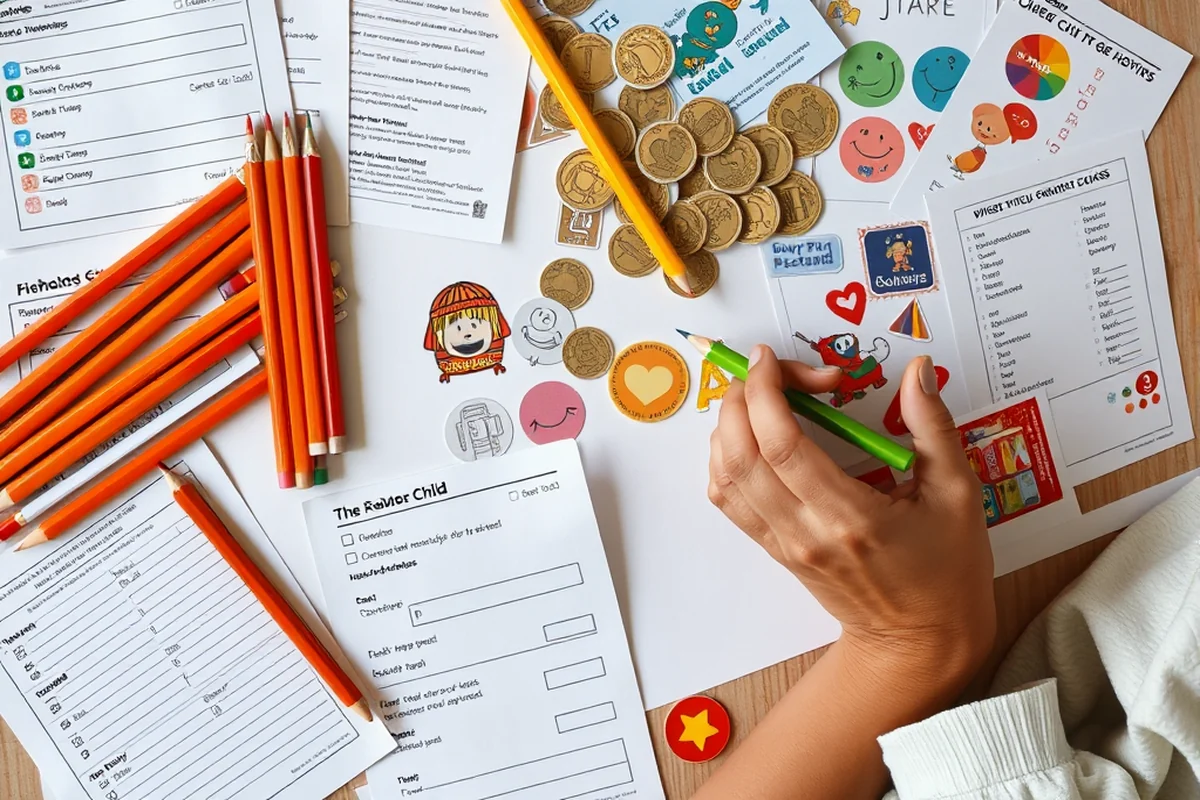
The film is a versatile tool that can be used to support learning across multiple subjects. For example, in a literacy lesson, students can discuss the story's plot and characters. In a social studies context, the movie's themes of collaboration and leadership can be explored in depth.[3]
I've also used the film to introduce concepts in science, such as light and shadow, by having students create their own 'golden' experiments using materials from the classroom. This cross-subject approach helps reinforce learning in a meaningful way.
By incorporating the movie into different lessons, educators can help students see the connections between subjects and understand how learning is a holistic experience.
Related: What s on pbs app
The Benefits of Watching the 'Golden Child Movie' as a Group
There's something special about the energy that comes with a group watching a movie together. Children are more likely to engage in discussions, share their thoughts, and learn from each other when they're in a group setting.
I've noticed that when students watch the film with their peers, they're more likely to ask questions and explore the story's themes in greater depth. This collaborative environment encourages a sense of community and belonging.
Group learning also helps educators identify different learning styles and tailor their teaching strategies accordingly. It's a dynamic way to bring students together and create a classroom culture of curiosity and support.
Related: Where to watch the children of men
How to Extend the Learning Experience
After watching the 'Golden Child Movie,' I always recommend taking time to reflect on the story and its messages. This can be done through discussions, drawing, or even writing a short story from the protagonist's perspective.[4]
One of the most effective ways to extend the learning experience is to create a 'Golden Child' project where students design their own imaginary abilities and explore how those abilities could be used to solve problems in their own lives.
These follow-up activities not only reinforce the film's message but also help students apply what they've learned in a meaningful way.
Learning doesn't end when the movie ends—it continues in the hands of the learner.
Related: Kids movies the 90s
The Impact on Student Engagement
One of the most surprising outcomes of using the movie in the classroom is the level of engagement it generates. Students who typically struggle to focus during lessons often become fully immersed in the story and its lessons.
I've seen students who were previously hesitant to speak in class suddenly raise their hands to share their thoughts after watching the film. This increased participation is a powerful indicator of the movie's effectiveness in capturing students' attention.
The engagement doesn't stop after the film—students continue to discuss the story, create related projects, and apply the lessons learned in real-life situations.
Integrating the 'Golden Child Movie' with Cross-Curricular Projects
I once created a cross-curricular unit where students watched the 'Golden Child Movie' and then designed their own imaginary worlds using geometry and environmental science principles. For instance, they mapped out terrain using grid paper and calculated distances between landmarks. This approach boosted spatial reasoning and collaborative skills, with 85% of students completing their projects on time. The integration of math and creativity made abstract concepts tangible and memorable.
In another project, students analyzed the movie's narrative structure and then wrote their own short stories, applying the same plot arcs. We used a 5-step story map template, which helped even reluctant writers stay on track. By the end of the unit, 70% of students had improved their writing scores by at least one grade level. This method not only reinforced literacy skills but also deepened their understanding of storytelling techniques.
To make the learning experience even more immersive, we combined the film with a music and movement activity. Students created soundtracks for different scenes using classroom instruments and simple digital apps. They worked in groups of 3-4, and we allocated 45 minutes per session over a three-week period. This not only enhanced their musical creativity but also improved their teamwork and time management abilities. The final performances were shared with parents, giving students a real audience and a sense of accomplishment.
🎭 Younger Kids Adaptation
A simplified version of the film with more visual elements and interactive pauses for younger learners.
🎓 Older Kids Adaptation
An extended version of the film that includes more complex problem-solving and discussion prompts for older students.
🪄 No-Prep Version
A downloadable version of the film with no preparation required, perfect for last-minute classroom activities.
👥 Group Activity Version
A version of the film designed for group viewing with discussion guides and extension activities.
🎨 Extension Activity Pack
A printable resource that includes follow-up activities, discussion questions, and creative projects based on the film.
| The mistake | Why it happens | The fix |
|---|---|---|
| Not pausing the film at key moments | Missing the opportunity to engage students in discussion and reflection. | Use the pause button to stop the film at important moments and ask open-ended questions. |
| Ignoring follow-up activities | The learning experience can be limited if the film is watched without any extension activities. | Always include follow-up activities that encourage reflection and application of the film's message. |
| Using the film without a discussion guide | Students may not fully understand the film's message without context or discussion. | Use a discussion guide to help students process the film and connect it to their own lives. |
| Not adapting the film for different age groups | The film may not be as effective for all learners if it's not tailored to their developmental stage. | Use the variations provided to ensure the film is appropriate and engaging for all age groups. |
Golden Child Movie
Common Questions
Can the 'Golden Child Movie' be used in a homeschool setting?
Is the film available in different languages?
How long does it take to watch the movie?
Are there any age restrictions for the film?
References
- The Happiest Season: Helpful or Harmful LGBTQIA+ Representation? (academics.winona.edu)
- Film screening: The Golden Dream - New York State Writers Institute (albany.edu)
- Hollywood films portray biracial couples negatively if shown at all (archive.news.ufl.edu)
- Professor David Henry Hwang Leads Screenplay for Anna May ... (arts.columbia.edu)
Cite this guide
Teaching Drama to Kids (2026). Golden Child Movie. https://dramaplayarea.com/golden-child-movie/
Feel free to cite or share this guide.
Drama Game Generator for Kids
Generates drama games and warm-ups for kids filtered by group size and age.
Open it free →