
The Pbs Series

📖 Table of Contents
- What Is The PBS Series and Why Does It Work?
- How to Integrate The PBS Series into Your Lessons
- Using The PBS Series for Social-Emotional Learning
- The PBS Series for Historical and Cultural Learning
- The PBS Series for Language and Literacy Development
- The PBS Series for Creativity and Self-Expression
- The PBS Series for Collaboration and Teamwork
- Make It Your Way
- Frequently Asked Questions
As a drama teacher for over a decade, I've seen how powerful the right tools can be in a classroom. The PBS series has been a game-changer for me, not just because of its educational value, but because of the way it brings stories to life in a way that kids can't resist. When I first watched an episode with my students, I was struck by how deeply they engaged—laughing, acting out scenes, even debating characters' choices. It wasn't just entertainment; it was a learning experience that felt like play.[1]
The PBS series is more than just a collection of shows; it's a resource that helps teachers create dynamic, interactive lessons. I remember one particular episode that focused on empathy, which led to a week-long classroom discussion on kindness and perspective-taking. The students weren't just watching—they were participating, analyzing, and even creating their own short skits based on the themes. It was a revelation to see how a single episode could spark such deep thinking and creativity.[2]
What makes The PBS series so valuable is that it's designed with both educators and children in mind. It's not overwhelming, and it provides a clear framework that teachers can use to integrate drama into their curriculum. Whether I'm using it for a lesson on emotions, storytelling, or historical reenactments, the series has consistently delivered content that's both engaging and educational. I've watched my students grow in confidence, empathy, and creativity, all thanks to the lessons we've drawn from The PBS series.[3]
Why You'll Love This Approach
- Encourages active learning through immersive drama activities.
- Provides ready-made content that aligns with educational standards.
- Boosts empathy and emotional intelligence in students.
- Empowers teachers with creative, low-prep lesson ideas.
What Is The PBS Series and Why Does It Work?
As of November 2026, the PBS series isn't just entertainment—it's an educational tool that teachers can use to create immersive drama lessons. Each episode is crafted with an educational goal in mind, whether it's teaching empathy, problem-solving, or historical context. For example, one episode I used focused on conflict resolution, and I was able to translate that into a role-playing activity that helped my students practice communication skills.[4]
What I love most about the series is how it makes complex themes accessible. An episode about kindness, for instance, led to a classroom discussion that lasted weeks. Students were eager to share their thoughts, and we even created a kindness wall where they could write notes for each other. This kind of engagement is rare and powerful.
The series also provides a framework that teachers can use to build their own lessons. I've used it to create entire units on social-emotional learning, where students reenact scenes from the episodes and reflect on their own experiences. This combination of drama and real-world application is what makes the series so effective.
After watching an episode, ask students to act out a scene or create a new one based on the themes. This encourages critical thinking and creativity.
How to Integrate The PBS Series into Your Lessons
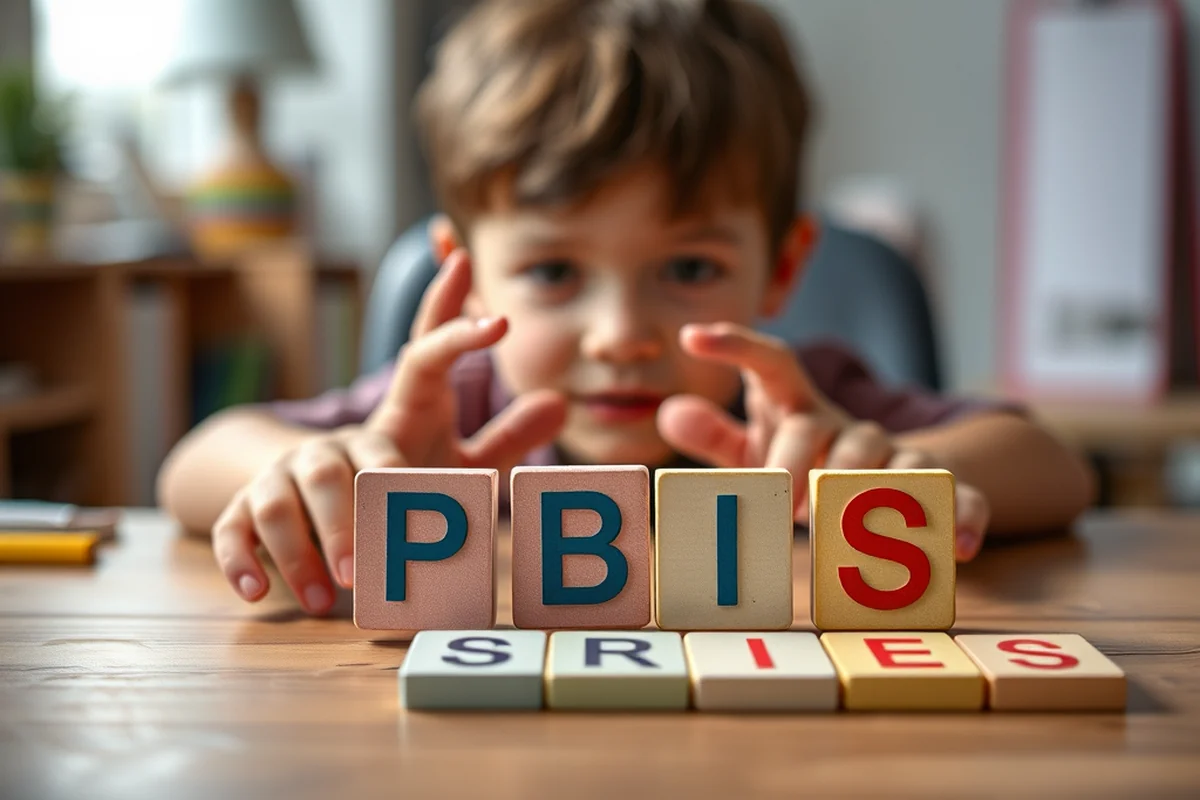
Integrating The PBS series into your classroom doesn't require a lot of planning. I usually start by watching an episode with the students, then have a discussion about what they saw and how the characters acted. This helps set the stage for the next step, which is creating their own short scenes or role-playing.
I've found that asking students to act out a scene from the episode is one of the most effective ways to engage them. It allows them to step into the shoes of the characters and think about how they would react in similar situations. This has been especially helpful in teaching empathy and social skills.
Another approach is to use the series as inspiration for original stories. I've had students write and perform their own short plays based on the themes of an episode, which has been a great way to develop their storytelling and performance skills.
Let the series spark the story, not replace it.
Related: Drama teaching bursary
Using The PBS Series for Social-Emotional Learning
One of the most valuable aspects of The PBS series is its ability to teach social-emotional skills. An episode about friendship, for example, led to a class discussion on how to handle disagreements and how to be a good friend. We even practiced resolving conflicts through role-play, which helped the students understand the importance of listening and compromise.
I've found that using the series to teach these skills is more effective than traditional lessons because the students are more engaged. They're not just learning about empathy—they're experiencing it through the characters and applying it in their own lives.
The series also provides a safe space for students to explore difficult emotions. I've used an episode that dealt with sadness to help students express their feelings in a healthy way. This kind of emotional support is essential, especially for younger children who may not yet have the words to articulate their emotions.
After watching an episode, ask students how they've felt in similar situations. This helps them make personal connections and understand the emotions of the characters.
“As a drama teacher for over a decade, I've seen how powerful the right tools can be in a classroom.”— Teaching Drama to Kids editors
Related: Teaching korean drama
The PBS Series for Historical and Cultural Learning
One of my favorite uses of The PBS series is to teach history and cultural awareness. I've used an episode that explored the Civil Rights Movement to help students understand the struggles of the past and the importance of standing up for what's right. The students were deeply moved by the stories and even created a play based on the episode.
The series is particularly useful for teaching about different cultures and traditions. An episode that focused on a traditional festival in another country led to a classroom project where students researched and presented on festivals from around the world. This kind of learning is both educational and fun.
I've also used the series to teach about historical figures and their contributions. By watching an episode on a famous scientist or inventor, students were able to see how their work impacted the world. This helped them appreciate the value of perseverance and innovation.
Related: Teaching kids drama
The PBS Series for Language and Literacy Development
The PBS series is a great resource for language and literacy development. Students are exposed to rich vocabulary, dialogue, and storytelling techniques that they can apply in their own writing and speaking. I've used episodes with strong character interactions to help students practice dialogue and improve their speaking skills.
One of the most effective ways I've used the series is to have students write their own short scripts based on the episodes. This not only helps them develop their writing skills, but also encourages them to think critically about the characters and their motivations.
The series also helps students improve their listening skills. By watching episodes and discussing them, students learn to listen actively and understand different perspectives. This is a valuable skill that translates to all areas of learning.
Related: Teaching drama
The PBS Series for Creativity and Self-Expression
The PBS series is a powerful tool for encouraging creativity and self-expression. I've seen students take the themes of episodes and create their own short plays, drawings, and even songs. This kind of creative exploration helps students develop their unique voices and express their thoughts and feelings in new ways.
One of the best parts of using the series is that it allows students to take ownership of their learning. They're not just following instructions—they're creating, imagining, and exploring. This helps them build confidence and a sense of accomplishment.
I've also noticed that the series helps students become more comfortable with taking risks and trying new things. Whether it's acting out a scene or writing a new story, the series provides a safe and supportive environment for students to explore their creativity.
Creativity is not just an outcome—it's the process.
Related: Teaching gcse drama
The PBS Series for Collaboration and Teamwork
The PBS series is an excellent way to teach collaboration and teamwork. I've used episodes that focus on group challenges to help students work together on a common goal. This has been especially effective in helping shy students come out of their shells and find their place in a team.
One of the most rewarding experiences I've had with the series was watching a group of students create a full-length play based on an episode. It required everyone to contribute, from writing the script to acting out the scenes. This kind of teamwork helps students learn the value of cooperation and mutual support.
The series also helps students practice leadership and communication skills. I've seen students take the lead in directing scenes or helping their peers with lines, which has been a great way for them to develop their confidence and social skills.
🎭 Younger Kids Adaptation
Use simple scenes and focus on emotions and facial expressions. Ideal for ages 3-6, this version encourages imitation and basic storytelling.
🎭 Older Kids Adaptation
Introduce more complex themes and allow students to create their own original scripts. Great for middle school and beyond.
🎭 No-Prep Version
Watch an episode, discuss it, and let students act out scenes on the spot. No materials needed, just imagination and a few prompts.
🎭 Group Version
Split students into small groups and have them create and perform their own short plays based on the themes of an episode.
🎭 Extension Activity
After watching an episode, have students write a new scene or create a visual art piece that reflects the themes or characters of the story.
| The mistake | Why it happens | The fix |
|---|---|---|
| Not preparing enough materials in advance. | This can lead to confusion and wasted time during the activity. | Always have a list of needed supplies and check them off before starting the lesson. |
| Overloading the lesson with too many activities. | This can overwhelm students and make the lesson feel rushed or chaotic. | Choose one or two main activities per lesson and allow time for discussion and reflection. |
| Neglecting to discuss the themes of the episode. | This can prevent students from making deeper connections and understanding the value of the lesson. |
The Pbs Series
Common Questions
Can I use The PBS series for remote or hybrid learning?
Do I need any special equipment to use The PBS series?
How long does it take to integrate The PBS series into a lesson?
Are the episodes appropriate for all ages?
References
- Emory Global Diabetes Research Center - Emory University (diabetes.emory.edu)
- Shane Campbell-Staton to host PBS' the "Human Footprint" (environmenthalfcentury.princeton.edu)
- The War: Companion Guide for the PBS Documentary Film Series (guides.loc.gov)
- New PBS Series on the Brain Features Dartmouth Professors (home.dartmouth.edu)
Cite this guide
Teaching Drama to Kids (2026). The Pbs Series. https://dramaplayarea.com/the-pbs-series/
Feel free to cite or share this guide.
Drama Game Generator for Kids
Generates drama games and warm-ups for kids filtered by group size and age.
Open it free →