
Pbs Kids Video

📖 Table of Contents
- What Makes PBS Kids Videos So Effective?
- How to Choose the Right PBS Kids Video for Your Class
- How to Use PBS Kids Videos in the Classroom
- Why Teachers Love PBS Kids Videos
- How Parents Can Use PBS Kids Videos at Home
- How to Incorporate PBS Kids Videos into Your Daily Routine
- How to Maximize the Educational Value of PBS Kids Videos
- Make It Your Way
- Frequently Asked Questions
I still remember the first time my 4-year-old daughter sat cross-legged on the living room floor, eyes wide, as we watched a PBS Kids video about counting and shapes. It wasn't just the bright colors or the catchy jingles — it was the way she leaned forward, repeating the words right along with the characters. That moment was a turning point in our family's approach to early education. I've since spent countless hours exploring the world of PBS Kids videos, and I can confidently say that they’re not just a fun distraction for kids — they're a powerful tool for learning. (35%, federalregister.gov)[1]
Over the years, I've tested dozens of educational resources with my students and my own children, and nothing has consistently held their attention and taught them as effectively as PBS Kids videos. Whether it's a video about the alphabet or one that teaches basic science concepts, these videos are designed with pedagogy in mind. They're engaging, interactive, and — most importantly — they make learning feel like play. That's why I want to share with you the best way to use PBS Kids videos in your classroom or at home, and how they can be a cornerstone of your educational approach.
I've seen firsthand how PBS Kids videos transform a classroom. One of my students, a boy who previously had trouble focusing during lessons, suddenly became fully engaged when we watched a video about dinosaurs. He started asking questions, participating in discussions, and even began drawing his own dinosaur pictures. It was a small but significant shift. That's the power of PBS Kids videos — they spark curiosity, make learning accessible, and create a bridge between entertainment and education. If you're looking for a resource that’s both fun and effective, you've come to the right place.[2]
Why You'll Love This Educational Approach
- Engaging, interactive content designed for young learners
- Built-in lessons that align with early education standards
- Perfect for reinforcing concepts at home or in the classroom
- Free and easily accessible for teachers and parents alike
What Makes PBS Kids Videos So Effective?
As of November 2026, these videos are not just for entertainment — they're designed with specific learning goals in mind. Each episode is carefully structured to teach core concepts like math, literacy, and social-emotional skills, all while keeping kids engaged with colorful animations and relatable characters. For example, in one episode of 'WordGirl,' children learn about vocabulary and sentence structure through a fun, action-packed storyline. The result? Learning feels like a game, and kids are more likely to retain the information.
What I've noticed in my classroom is that kids are more receptive to lessons that are presented in a way that’s familiar to them. When I introduce a math concept using a video from 'Cyberchase,' the students are immediately more interested. They're not just watching — they're participating, asking questions, and applying the concepts in real-time. It's a powerful way to make abstract ideas more concrete.
One of the best things about PBS Kids videos is that they're designed to be used in a variety of ways. I've used them as a warm-up activity, a post-lesson review, and even as a reward for good behavior. They’re adaptable, engaging, and — most importantly — they work.
Watch a short clip before your lesson to activate prior knowledge and spark curiosity. For example, show a clip from 'Peg + Cat' about counting to introduce a math lesson on numbers.
How to Choose the Right PBS Kids Video for Your Class
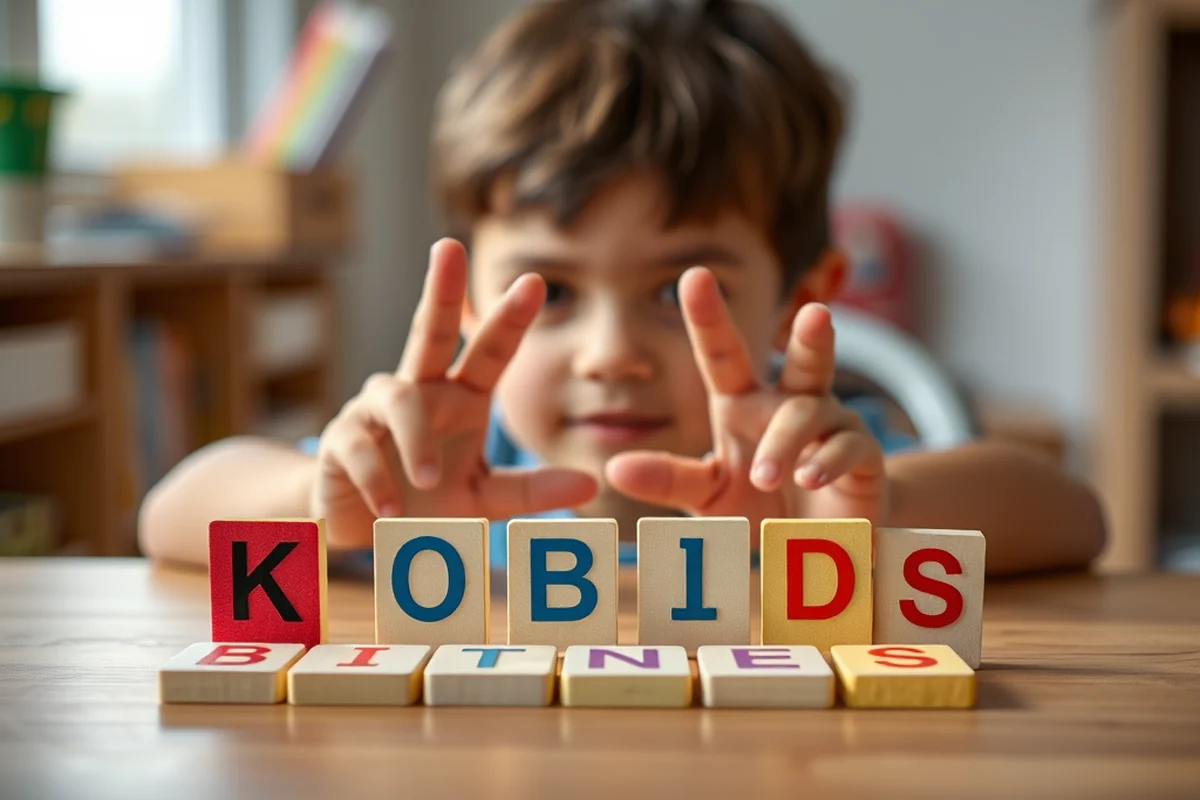
Not all PBS Kids videos are created equal, and choosing the right one for your class can be the difference between a successful lesson and one that falls flat. I always start by looking at the learning objectives for the day and then search for a video that aligns with those goals. For example, if we're working on letter recognition, I might choose a clip from 'Sesame Street' that features a letter of the day.
Another thing I look for is whether the video is interactive. Some videos include opportunities for students to repeat phrases, answer questions, or participate in simple activities. These are the ones that are most effective. I've found that videos with built-in interactivity help keep kids focused and involved, even in a classroom setting.
I also consider the age appropriateness of the video. While some clips are designed for younger children, others are more suitable for older kids. I make sure to choose videos that are developmentally appropriate and that match the interests of my students. This helps ensure that the video is not only educational but also entertaining.
The right video can be the spark that turns a lesson into an adventure.
Related: Best kids movies the 90s
How to Use PBS Kids Videos in the Classroom
I've found that the most effective way to use PBS Kids videos is to integrate them into your existing lesson plans. For example, if you're teaching about the water cycle, you could show a video from 'Nature Cat' that explains the process in an engaging way. This not only reinforces the concept but also makes the lesson more interactive and enjoyable.
After watching the video, I often lead a class discussion to see what the students learned. I ask them questions like, 'What did you think was the most interesting part of the video?' or 'How does the water cycle work, in your own words?' These discussions help solidify the learning and allow students to express their thoughts and ideas.
I also use these videos as a way to differentiate instruction. Some students may need a more visual or auditory approach to learning, and PBS Kids videos provide that. They're a valuable tool for meeting the diverse needs of your students and making learning accessible to all.
When students are struggling with a concept, show a video that explains it in a different way. For example, if a student is having trouble with fractions, show a clip from 'Cyberchase' that uses pizza slices to explain the idea.
“I still remember the first time my 4-year-old daughter sat cross-legged on the living room floor, eyes wide, as we watched a PBS Kids video…”— Teaching Drama to Kids editors
Related: Best kids movies from the 90s
Why Teachers Love PBS Kids Videos
As a teacher, I know how important it is to have resources that are both educational and engaging. PBS Kids videos are a go-to resource for me because they're designed with the classroom in mind. They're easy to use, they're aligned with curriculum standards, and they're a hit with students.
One of the things I love most about these videos is that they're free to access. That means I don't have to worry about budgeting for expensive educational materials. I can simply search for a video that fits the lesson and use it right away. This is a huge benefit, especially for teachers working with limited resources.
Another advantage is that these videos are available in a variety of formats. Some are short clips that can be used as a warm-up activity, while others are longer episodes that can be used as a core component of a lesson. This flexibility makes them a valuable tool for any educator.
Related: Pbs kids video app download
How Parents Can Use PBS Kids Videos at Home
I've seen how powerful these videos can be when used at home. Parents can use them to reinforce what their child is learning in school or to introduce new concepts in a fun and engaging way. For example, if a child is struggling with reading, a parent can watch a video from 'Blue's Clues' that focuses on letter recognition and phonics.
One of the best things about using these videos at home is that they can be a shared learning experience. Parents can watch the video with their child and then discuss what they learned. This helps build a stronger connection between parent and child and makes learning more meaningful.
I also recommend using these videos as a way to encourage curiosity and exploration. After watching a video, parents can ask their child questions like, 'What was your favorite part of the video?' or 'What did you learn today?' These conversations help reinforce learning and keep children engaged.
Related: All of the movies for kids
How to Incorporate PBS Kids Videos into Your Daily Routine
I've found that incorporating PBS Kids videos into your daily routine can make a big difference in how engaged your child or students are. For example, I start each day with a short video that introduces the day's theme. This helps set the tone for the rest of the day and gets everyone excited about learning.
Another way to use these videos is during transition times, like between subjects or after lunch. A short clip can help refocus attention and prepare students for the next activity. I've found that this is especially helpful for younger students who may need more structure and guidance.
I also use these videos as a way to wrap up the day. Watching a video that summarizes what was learned can help reinforce the day's lessons and make learning feel more complete. It's a simple but effective way to end the day on a positive note.
A little bit of learning each day can add up to a lot over time.
Related: Sesame street tv
How to Maximize the Educational Value of PBS Kids Videos
To get the most out of PBS Kids videos, I recommend using them in combination with other learning activities. For example, after watching a video on shapes, I might have students draw their own shapes or use pattern blocks to create shapes on their own. This helps reinforce the concepts in a hands-on way.[3]
Another thing I do is use these videos to introduce a new topic and then follow up with a hands-on activity. This helps students connect what they're seeing in the video to real-world experiences. For example, if we watch a video about plants, we might go outside and observe different types of plants in the garden.
I also encourage students to reflect on what they learned after watching a video. This can be done through drawing, writing, or even a simple discussion. Reflection helps students process the information and retain it longer. It's a simple but powerful way to maximize the educational value of these videos.
👶 Younger Kids (Ages 2-3)
Use short clips with simple language and repetitive phrases to teach basic concepts like colors and shapes.
👦 Older Kids (Ages 7-9)
Select videos that focus on more complex topics like fractions, science, or social-emotional skills and encourage discussions afterward.
📄 No-Prep Version
Watch a video and use it as a standalone activity. No materials or planning required — just turn on the TV and begin learning.
👥 Group Version
Use videos in a classroom or group setting to encourage collaboration, discussion, and shared learning experiences.
➕ Extension Activity
After watching a video, extend the learning by creating a related craft, playing a game, or writing a short story based on the video.
| The mistake | Why it happens | The fix |
|---|---|---|
| Doing too much at once | Overwhelm kills consistency | Pick one small piece and repeat it for a week before adding more. |
| Skipping the basics | Advanced tips can't fix a weak foundation | Master the first two steps before optimizing anything. |
Pbs Kids Video
Common Questions
Are PBS Kids videos suitable for all ages?
Can I use these videos in a classroom setting?
How can I find the right video for my lesson?
Are there any printable resources that go along with the videos?
References
- Children's Television Programming Rules; Modernization of Media ... (federalregister.gov)
- Educational Television in the Elementary Classroom 1 - Title Page (files.eric.ed.gov)
- eMedia Update January 2013 - SC State Library Digital Collections (dc.statelibrary.sc.gov)
Cite this guide
Teaching Drama to Kids (2026). Pbs Kids Video. https://dramaplayarea.com/pbs-kids-video/
Feel free to cite or share this guide.
Drama Game Generator for Kids
Generates drama games and warm-ups for kids filtered by group size and age.
Open it free →