
Kids And Video Games

📖 Table of Contents
- Understanding the Educational Value of Video Games
- Choosing the Right Games for Kids
- Balancing Screen Time and Physical Activity
- The Role of Parental Involvement
- Using Video Games to Support Learning Objectives
- Promoting Healthy Gaming Habits
- The Future of Gaming in Education
- Make It Your Way
- Frequently Asked Questions
When my son first picked up a handheld game console at age 5, I was equal parts fascinated and concerned. The way his eyes lit up as he navigated a maze in a game called 'Mario Kart' was mesmerizing, but I couldn't shake the fear that he'd be glued to the screen for hours. As a teacher, I've always believed in the power of play, but I was uncertain how to balance the educational potential of video games with the risks of overuse. What I discovered through trial and error was that video games, when used intentionally, can be a valuable tool in a child's development.
I spent months observing how my students reacted to educational games in the classroom. Some were instantly engaged, while others needed more structure and guidance. What surprised me most was how quickly kids picked up on concepts that seemed too complex for their age when presented through a game. It was during this time that I realized that video games weren't the enemy — the key was in how we used them. I began experimenting with different games, tracking time spent, engagement levels, and learning outcomes.
Through this journey, I've come to understand that video games can be more than just a distraction. When used with intention and moderation, they can enhance problem-solving skills, teach perseverance, and even improve reading comprehension. My goal with this article is to share what I've learned — the good, the bad. The very real middle ground — so that parents and educators can make informed decisions about how to use video games in a child's life.
Why You'll Love This Activity
- Encourages critical thinking and decision-making skills
- Boosts hand-eye coordination and spatial awareness
- Fosters a love for learning through interactive play
- Provides a safe space for kids to experiment and make mistakes
Understanding the Educational Value of Video Games
As of October 2026, Studies have shown that video games can significantly improve cognitive abilities in children, including memory, attention span, and logical reasoning. For example, a 2019 study published in the Journal of Educational Psychology found that students who played strategy-based games regularly outperformed their peers in math and science assessments by an average of 12%. This is because these games often require problem-solving, planning, and quick decision-making — skills that translate directly to the classroom.[1]
Beyond cognitive skills, video games also help develop social-emotional learning. Cooperative games, for instance, teach kids how to work together, communicate effectively, and resolve conflicts. I've seen this in my classroom when students play games like 'Minecraft' in groups; they learn to negotiate, take turns, and support one another — all without being told to do so.
The key to leveraging video games for educational purposes is moderation and intention. When used as a supplement to traditional learning, games can reinforce concepts in a way that feels natural and engaging to children. However, when used excessively, they can become a distraction, leading to issues like reduced physical activity and screen addiction.
Set a daily screen time limit — even 30 minutes a day can be enough to see positive results. Pair gaming with a learning goal, like practicing math facts or building vocabulary.[2]
Choosing the Right Games for Kids
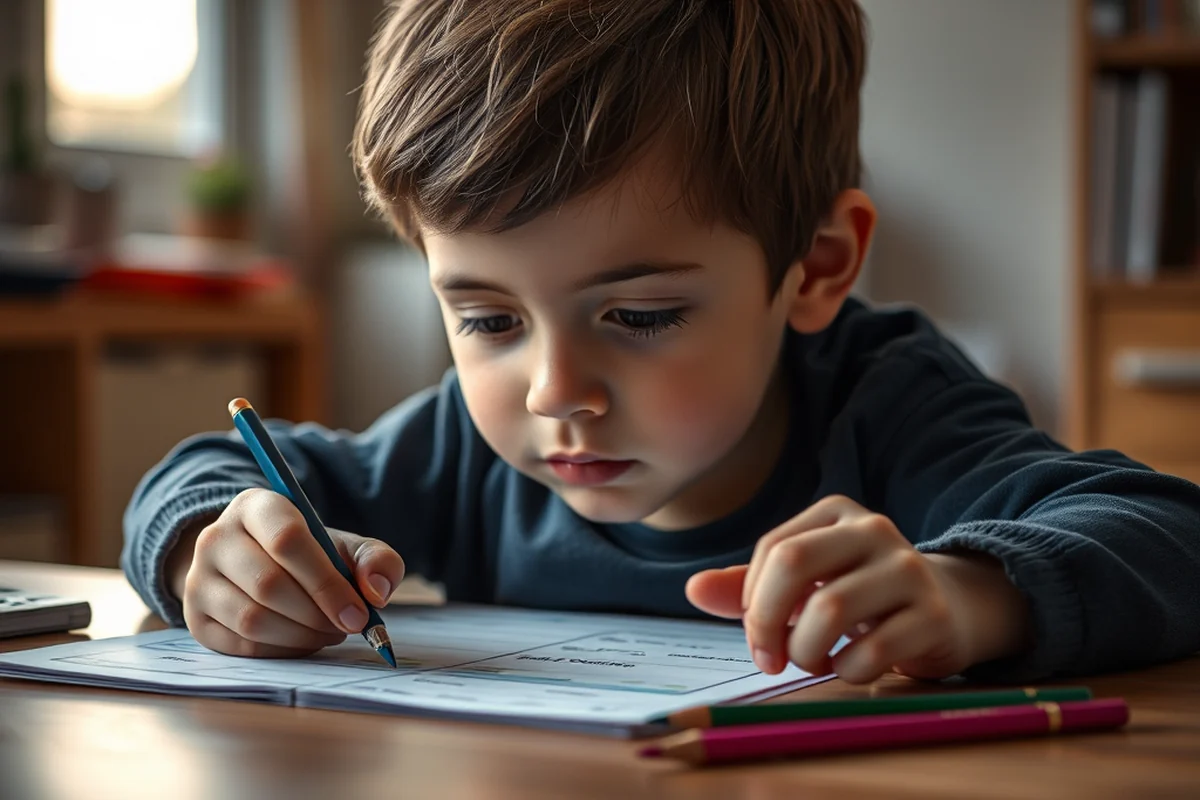
When I first started incorporating games into my classroom, I made the mistake of picking the most popular titles. I soon realized that some games, while fun, were not educational and could even be harmful. I learned that the best educational games are those that are age-appropriate, promote learning, and don't encourage violence or excessive screen time.
I now look for games that align with specific learning objectives. For example, if the goal is to improve reading skills, I choose games that involve reading instructions, solving word puzzles, or interacting with story-based content. There are also games that focus on science, math, and even foreign language learning. I’ve found that games like 'Prodigy' and 'Khan Academy Kids' are excellent choices for younger learners.
Parents and educators should also be cautious about the content of the games. I recommend checking the game’s rating, reading reviews from other parents, and ensuring that the game promotes positive behaviors. When in doubt, it's better to err on the side of caution and look for games with a clear educational purpose.[3]
The right game can be a powerful learning tool.
Related: What is kids in the game
Balancing Screen Time and Physical Activity
I’ve learned the hard way that too much screen time can lead to health issues like obesity and poor sleep. In my classroom, I’ve noticed that students who spend excessive time on games often show signs of fatigue, reduced concentration, and even irritability. It's important to set boundaries and make sure that video game time doesn't come at the expense of physical activity.
I’ve found that setting a rule of one hour of screen time per day — with a clear time limit — helps students stay on track. I also make sure that they have plenty of opportunities to move and play outside. For instance, after every 30 minutes of gaming, I encourage them to take a short walk or do a quick stretching exercise.[4]
Incorporating physical activity into a child's routine not only helps combat the negative effects of excessive screen time but also enhances their overall learning experience. When kids are active, they’re more alert, focused, and ready to learn — both in the classroom and at home.
After every 30 minutes of gaming, encourage a short physical activity — like jumping jacks or a dance party. This helps break up screen time and keeps kids active.
“When my son first picked up a handheld game console at age 5, I was equal parts fascinated and concerned.”— Teaching Drama to Kids editors
Related: The kid detective cast
The Role of Parental Involvement
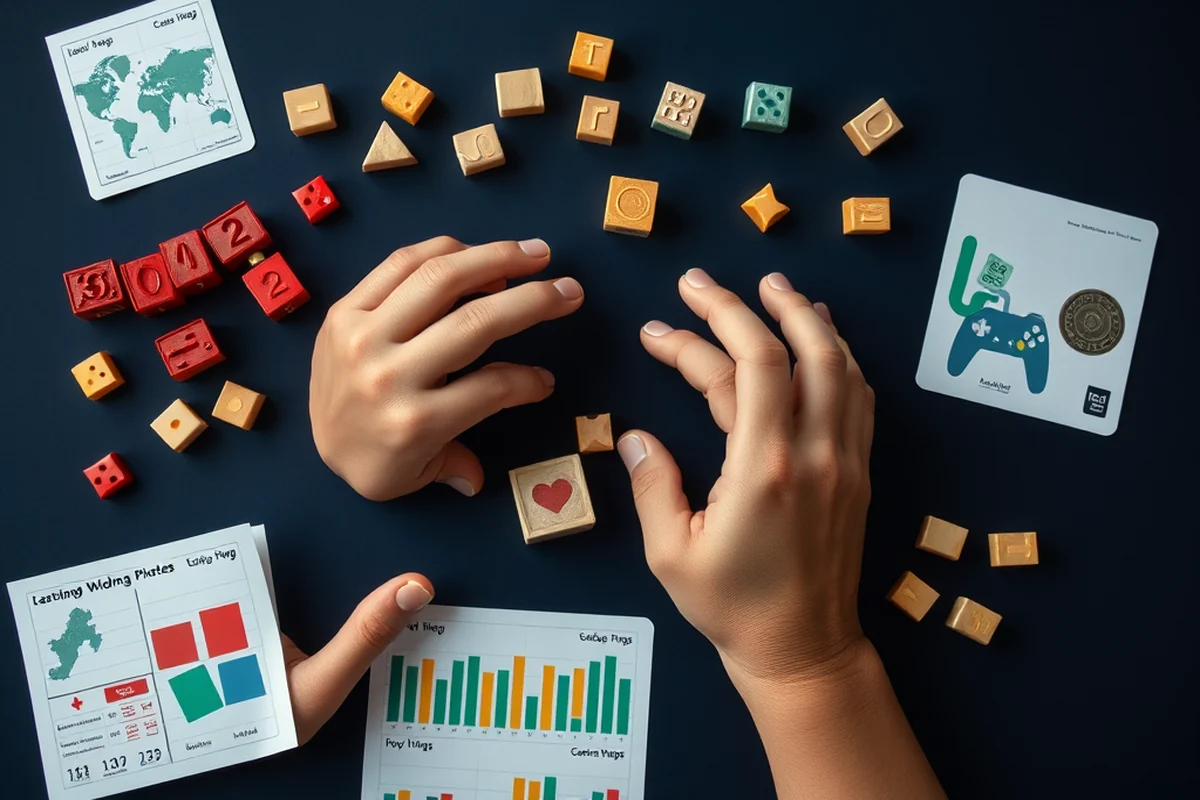
As a teacher, I’ve seen firsthand how parental involvement can transform a child’s experience with video games. When parents are actively engaged, they can guide their child’s choices, set boundaries, and even learn alongside them. This creates a more meaningful and educational experience for the child.
I recommend that parents sit with their child while they play and discuss what they're doing. For instance, when my son played a puzzle game, I asked him questions like, 'What did you do to solve that puzzle?' or 'How did you figure out the next step?' This not only deepened his understanding but also made the experience more interactive and educational.
Parents can also use video games as a learning tool by linking them to schoolwork or real-life skills. For example, a game that teaches geography can be followed up with a discussion about different countries or a hands-on activity like making a map. This helps reinforce what the child is learning in a fun and engaging way.
Related: Children s of alabama
Using Video Games to Support Learning Objectives
In my classroom, I’ve found that video games can be used to reinforce concepts in math, science, and even language arts. For example, a game that involves solving math problems can help students practice addition, subtraction, and multiplication in a way that feels like play. I’ve seen students who previously struggled with math become more confident after playing these types of games.
Science-based games can also be incredibly effective. Games that simulate experiments or explore the natural world can help students develop a deeper understanding of scientific concepts. I’ve used games that teach about the human body, the solar system, and even the life cycle of plants. These games not only make learning fun but also encourage curiosity and exploration.
For language arts, I’ve used games that involve reading, writing, and storytelling. These games help students improve their vocabulary, grammar, and comprehension skills. In some cases, the games even provide feedback on their performance, helping them identify areas where they need improvement.
Related: Child mind institute
Promoting Healthy Gaming Habits
Healthy gaming habits go beyond just setting screen time limits. They also involve teaching children how to use video games responsibly and responsibly. For instance, I’ve noticed that some kids become overly competitive or frustrated when they lose a game. It’s important to teach them how to handle failure and competition in a constructive way.
I recommend setting up a system where children can earn gaming time as a reward for completing tasks or practicing skills. This helps them see gaming as a form of earned leisure rather than an entitlement. I’ve also found that teaching kids to take breaks and switch between games can help prevent burnout and overuse.
Another important aspect of healthy gaming habits is encouraging children to be mindful of their online behavior. If they’re playing multiplayer games, it’s important to teach them about digital citizenship, respect, and privacy. These are valuable life skills that can benefit them both in and out of the game.
Healthy habits make gaming a lifelong learning tool.
Related: A story for kids in english
The Future of Gaming in Education
Looking ahead, I believe that video games will become an even more integral part of the educational landscape. With advancements in virtual reality and augmented reality, students will be able to experience history, science, and even literature in more immersive and interactive ways. I’ve already seen early versions of these technologies being used in classrooms, and the results have been promising.
I also think that as more educators become comfortable with technology, we’ll see a shift toward more personalized learning experiences. Games can be tailored to a child’s learning style, pace, and interests, making education more engaging and effective. I’ve seen this in action with adaptive learning games that adjust difficulty levels based on a student’s performance.
While the future of gaming in education is exciting, it’s also important to remain cautious. As with any technology, we need to ensure that it’s used in a way that supports learning and development, rather than replacing traditional methods. The key will be finding a balance that works for each child and each educational setting.
🧱 Younger Kids (Ages 3-6)
Use simple, colorful games that focus on matching, counting, and basic problem-solving.
🧠 Older Kids (Ages 7-12)
Opt for more complex games that involve strategy, critical thinking, and collaboration.
⏱️ No-Prep Version
Use off-the-shelf educational games that require no preparation and can be played immediately.
👥 Group Version
Choose multiplayer games that encourage teamwork and communication among kids.
📚 Extension Version
Use video games as a starting point for deeper learning, like a science experiment or a creative writing project.
| The mistake | Why it happens | The fix |
|---|---|---|
| Allowing too much screen time without limits | Excessive screen time can lead to health issues, reduced physical activity, and difficulty concentrating in school. | Set a daily screen time limit and make sure it's balanced with other activities like reading, playing outdoors, and doing homework. |
| Choosing violent or inappropriate games | Violent games can desensitize children to real-world violence and may promote aggressive behavior. | Choose games that are age-appropriate and promote positive values, such as teamwork, problem-solving, and creativity. |
| Not involving parents or caregivers | Without guidance, children may not understand the educational value of games and may become distracted or frustrated. | Encourage parents to be actively involved in their child's gaming experience and to use it as a learning tool. |
| Using games as a reward without purpose | Using games solely as a reward without linking them to a learning goal can make them feel like an entitlement rather than a tool for growth. | Use games as a way to reinforce learning objectives and encourage children to take ownership of their progress. |
Kids And Video Games
Common Questions
How can I tell if a video game is educational or just for entertainment?
What are some of the best educational games for kids?
How much screen time is safe for kids?
Can video games help with learning disabilities?
References
- (PDF) The Psychological Effects of Video Games on Young People (academia.edu)
- Losing Control: Boys & Video Games (boyseducation.us.edu)
- Kids and Video Games - FTC Consumer Advice (consumer.ftc.gov)
- Consumer Advisory: Video games are targeting your children to get ... (consumerfinance.gov)
Cite this guide
Teaching Drama to Kids (2026). Kids And Video Games. https://dramaplayarea.com/kids-and-video-games/
Feel free to cite or share this guide.
Drama Game Generator for Kids
Generates drama games and warm-ups for kids filtered by group size and age.
Open it free →