
Pbs Kids Parents

📖 Table of Contents
I still remember the first time my son sat in front of the TV, wide-eyed, watching a character from PBS Kids solve a problem with creativity and curiosity. It was a moment that felt like a small revelation — not just for him, but for me as a parent. I realized that the shows on PBS Kids weren't just entertainment; they were tools for learning, especially for parents who wanted to support early education without the pressure of formal lessons. These shows subtly teach math, language, and emotional intelligence, often through songs, stories, and games. For parents like me, who are juggling work, play, and learning, PBS Kids became a lifeline.
As a parent, I've found that the most effective learning doesn't come from flashcards or worksheets. It comes from moments of connection, curiosity, and engagement. And that's exactly what PBS Kids offers — a bridge between screen time and meaningful learning. Whether it's watching a character count to ten or learning to solve a problem through teamwork, these programs are designed to be engaging, educational, and, most importantly, fun. For parents looking for ways to support their child's development while keeping them entertained, PBS Kids is a goldmine.
What makes PBS Kids so valuable is that it's accessible to all families, regardless of income or education level. The shows are free to watch, and many offer downloadable activities that can be used at home. This is especially important for parents who may not have access to expensive educational resources. The content is also carefully crafted to align with early learning standards, ensuring that the time spent watching these shows is both enjoyable and purposeful. For parents who are looking for a way to enrich their child's learning experience without the stress of traditional education, PBS Kids is an invaluable resource.
Why You'll Love This ...
- Supports early learning through engaging, educational content
- Provides free, accessible resources for all families
- Encourages creativity, problem-solving, and emotional intelligence
- Offers interactive activities that can be used at home
How PBS Kids Helps Early Learners
As of October 2026, for young children, the key to learning is engagement. PBS Kids shows like 'Sesame Street' and 'Mickey Mouse Clubhouse' are designed to hold a child's attention while teaching foundational skills like counting, phonics, and social interaction. These programs use animation, music, and storytelling to make learning feel like play, which is exactly how young minds absorb information most effectively.
One of the most powerful aspects of PBS Kids is the way it integrates learning into everyday scenarios. For example, in 'Dora the Explorer,' children are encouraged to solve problems with Dora and Boots by following along with the story. This interactive approach helps children develop critical thinking skills and confidence in their ability to learn.
The shows also introduce concepts like shapes, colors, and emotions in a gentle and relatable way. This is especially important for parents who want their children to develop emotional intelligence early on. Watching characters navigate challenges and express their feelings helps children understand and manage their own emotions in a healthy way.
After watching a show, use the downloadable activities to reinforce what your child learned. These exercises are designed to be hands-on and interactive, making learning even more effective.
Part of our Theater kids guide.
The Power of Parental Involvement
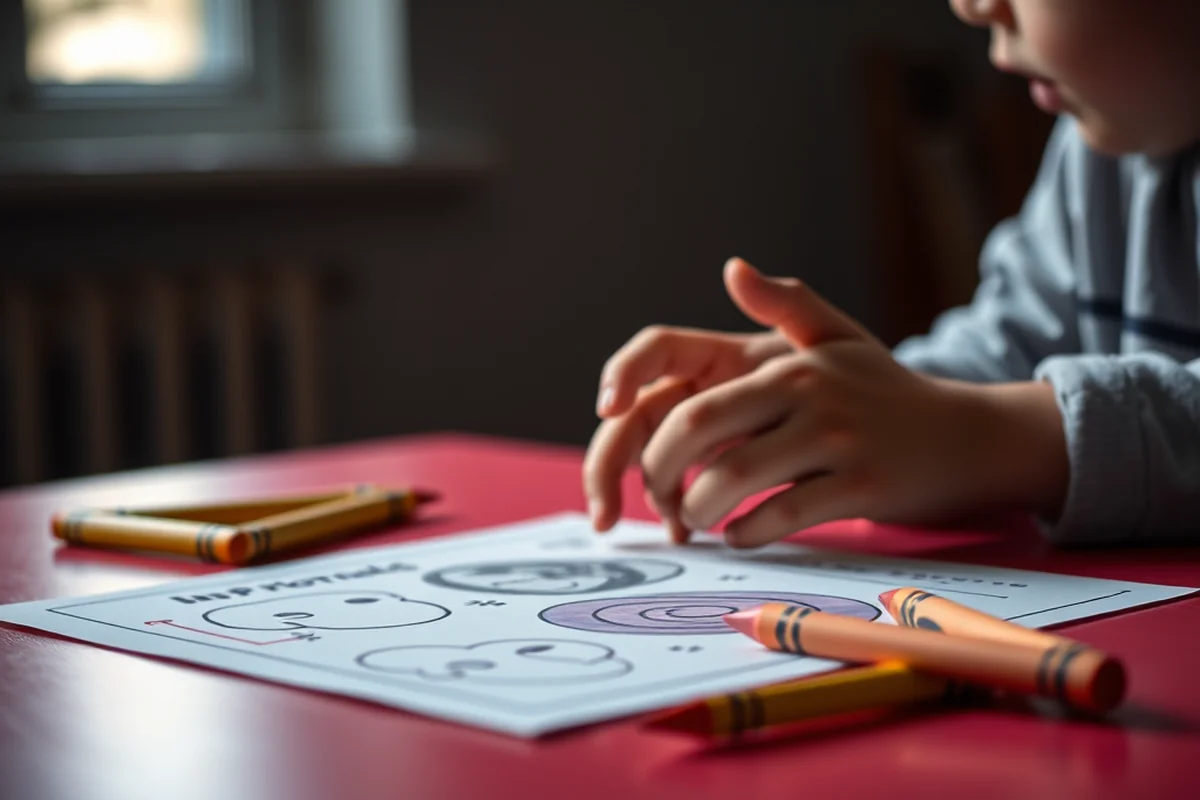
Research has shown that parental involvement can significantly boost a child's academic performance and social development. PBS Kids offers a unique opportunity for parents to be part of the learning process without the need for formal lessons or expensive resources. By watching shows together and participating in the activities, parents can create a shared learning experience with their child.
One of the best ways to use PBS Kids is to watch a show with your child and then discuss what happened. This not only helps reinforce the lesson but also encourages communication and bonding. Parents can ask questions like, 'What did you learn from that story?' or 'How would you solve that problem?' These types of discussions help children think critically and express their thoughts clearly.
Also, PBS Kids provides resources for parents to extend learning beyond the screen. These include printable activity sheets, lesson plans, and tips for integrating the content into daily routines. This makes it easy for parents to support their child's learning in a meaningful and practical way.
Learning is most effective when it's shared — and PBS Kids makes it easy for parents to be part of the journey.
Related: Pbs kids live tv
The Benefits of Consistent Viewing
Consistency is key with learning. Regularly watching PBS Kids shows helps reinforce concepts and build a foundation for future learning. For example, if a child watches 'Arthur' every day, they will gradually develop a better understanding of reading, writing, and social skills. This type of routine learning is especially valuable for children who are still developing self-discipline and focus.
One study found that children who regularly watch educational programming like PBS Kids show improved language skills and better problem-solving abilities. This is because these shows provide consistent exposure to vocabulary, grammar, and logical thinking in a fun and engaging way. Over time, children begin to internalize these skills and apply them in real-life situations.[1]
Parents who make a habit of watching PBS Kids with their child also notice long-term benefits in their child's confidence and curiosity. Children who are regularly exposed to educational content tend to be more confident in their abilities and more curious about the world around them. This is a powerful foundation for future learning and success.
Set aside specific times each day for watching PBS Kids shows. This helps your child develop a routine and makes learning a consistent part of their day.
“I still remember the first time my son sat in front of the TV, wide-eyed, watching a character from PBS Kids solve a problem with…”— Teaching Drama to Kids editors
Related: How kid rock halftime show
How to Use PBS Kids at Home
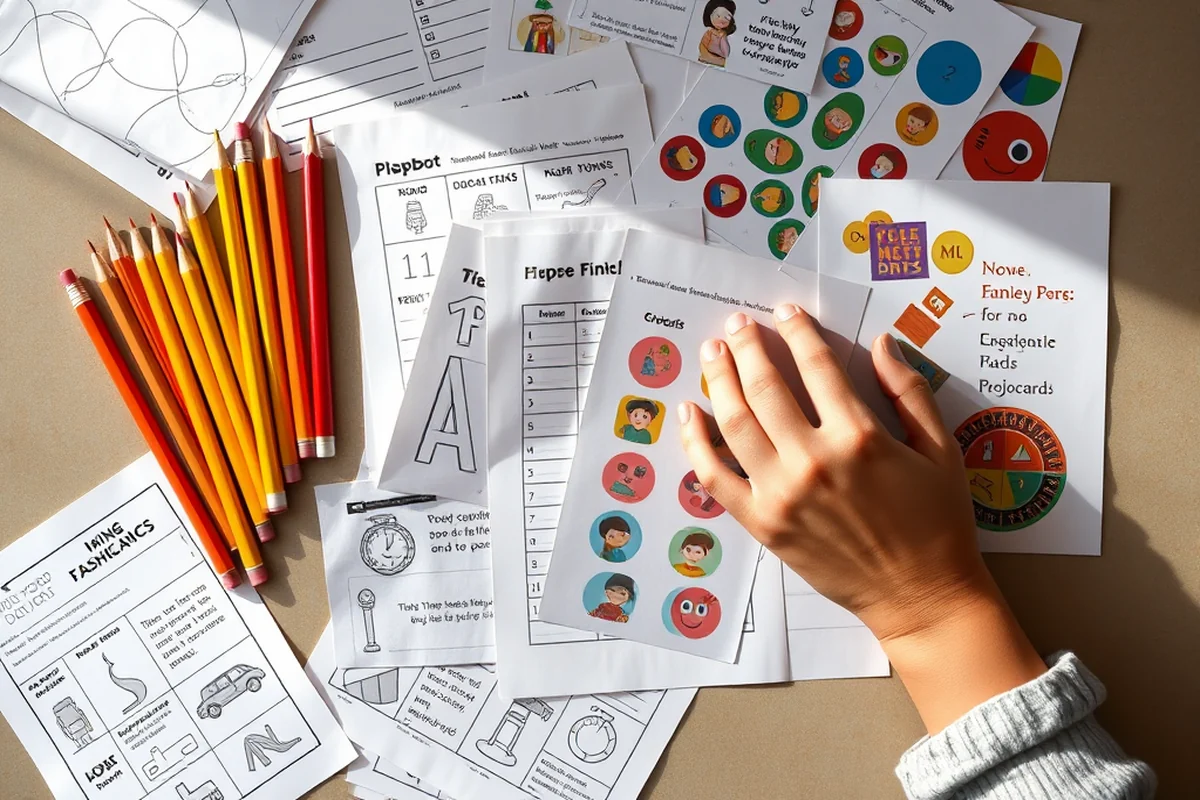
One of the best things about PBS Kids is that it can be used in a variety of ways at home. Whether you're watching a show together, doing a printable activity, or using the online resources, there are plenty of options to choose from. This flexibility makes it easy for parents to integrate PBS Kids into their daily routine without feeling overwhelmed.
For parents who are short on time, watching a show with your child while doing household chores can be a great way to maximize learning without sacrificing productivity. You can watch a short episode and then do an activity that reinforces the lesson. This approach not only helps your child learn but also gives you time to catch up on other tasks.
Another great way to use PBS Kids is to create a learning corner in your home. You can set up a small area with books, printable activities, and a TV for watching shows. This space becomes a dedicated learning area where your child can explore and engage with educational content on their own or with you.
Related: Visual boy advance
The Role of Play in Learning
Children learn best through play, and PBS Kids shows are designed with this in mind. Many of the shows include interactive elements that encourage children to participate in the learning process. For example, 'Peg + Cat' uses games and puzzles to teach math and problem-solving skills in a fun and engaging way.
By incorporating play into learning, PBS Kids helps children develop essential skills like creativity, critical thinking, and collaboration. These skills are not only important for academic success but also for social and emotional development. Play-based learning allows children to explore concepts in a safe and supportive environment.
Parents can further enhance the learning experience by incorporating play into their child's daily routine. This can include building with blocks, playing board games, or creating art projects that reinforce the concepts learned from PBS Kids. These activities help children apply their knowledge in real-world contexts and make learning more meaningful.
Related: Harry potter and the cursed child broadway
The Importance of Screen Time
There's a common misconception that screen time is inherently bad for children, but when used with educational content like PBS Kids, it can be a powerful learning tool. The key is to ensure that screen time is intentional and balanced with other activities. PBS Kids shows are designed to be educational and developmentally appropriate, making them a safe and valuable choice for parents.
Research has shown that children who watch educational programming like PBS Kids show improved learning outcomes compared to those who watch non-educational content. This is because educational shows are designed to be engaging and interactive, encouraging children to think, problem-solve, and learn new concepts.[2]
Parents can help ensure that screen time is productive by setting limits and choosing high-quality content. Watching PBS Kids with your child and discussing what you saw can make screen time a shared learning experience. This approach helps children get the most out of their time on the screen while also strengthening the parent-child bond.
Screen time doesn't have to be a negative — with the right content, it can be a powerful tool for learning.
Related: Child s play 1988
How to Stay Engaged with Your Child's Learning
Staying engaged with your child's learning is one of the most important things a parent can do. PBS Kids offers a unique opportunity for parents to be part of their child's learning journey without the need for formal lessons or expensive resources. By watching shows together and participating in activities, parents can create a shared learning experience with their child.
👶 Younger Kids (Ages 2-4)
For younger children, focus on shows with simple language and repetitive songs. Use the printable activities to reinforce basic concepts like shapes, colors, and numbers.
👧 Older Kids (Ages 5-8)
For older children, choose shows that focus on reading, writing, and problem-solving. Encourage them to create their own stories or games based on what they've learned from the shows.
✨ No-Prep Version
Watch a show together and then discuss what you saw. No need for printables or additional materials — just a conversation and a little creativity.
👥 Group Version
Use PBS Kids shows as a group activity with other children. This encourages social interaction and collaborative learning.
📚 Extension Activity
After watching a show, use the printable activities to reinforce what your child learned. These exercises are designed to be hands-on and interactive.
| The mistake | Why it happens | The fix |
|---|---|---|
| Letting your child watch PBS Kids for too long without a break | Prolonged screen time can lead to fatigue and reduced focus. Children need regular breaks to maintain attention and engagement. | Set a timer for 20-30 minutes of screen time, followed by a short break where your child can move around or do a printable activity. |
| Not discussing what your child watched on PBS Kids | Without discussion, the learning opportunities provided by the shows may be missed. Children need to process and reflect on what they've seen. | After watching a show, have a short conversation with your child about what they learned. Ask open-ended questions to encourage thinking and expression. |
| Using PBS Kids as a reward for completing tasks | Using screen time as a reward can create a dependency and reduce the intrinsic motivation to learn. | Use PBS Kids as a way to learn and explore, not as a reward. Encourage your child to engage with the content for its own sake. |
| Not involving other family members in the learning process | Learning is more effective when it's shared. Involving other family members can create a more supportive and engaging environment. | Invite other family members to watch shows with your child and participate in the activities. This helps make learning a shared experience. |
Pbs Kids Parents
Common Questions
How can I use PBS Kids to help my child with reading?
What are some of the best PBS Kids shows for math learning?
Can I watch PBS Kids shows for free?
How can I help my child stay focused while watching PBS Kids?
References
- Supporting Children's Learning Through Play - ChildCare.gov (childcare.gov)
- Discover Unlimited Learning & Fun with Kanopy Kids - Abilene, TX (abilenetx.gov)
Cite this guide
Teaching Drama to Kids (2026). Pbs Kids Parents. https://dramaplayarea.com/pbs-kids-parents/
Feel free to cite or share this guide.
Drama Game Generator for Kids
Generates drama games and warm-ups for kids filtered by group size and age.
Open it free →