
Chichen Itza History For Kids

📖 Table of Contents
- What is Chichen Itza and Why Is It Important?
- The Maya Civilization: A Deep Dive into Culture and Society
- The Architecture of Chichen Itza: A Marvel of Engineering
- The Role of Religion in the Maya World
- The Decline of the Maya Civilization
- How to Explore Chichen Itza with Kids: Tips for a Successful Visit
- The Legacy of Chichen Itza Today
- Make It Your Way
- Frequently Asked Questions
When my daughter and I first visited the Chichen Itza National Park in Mexico, I was struck by how alive the ruins felt. The sun was warm on our backs, the air smelled of earth and ancient stone, and her eyes sparkled with wonder as she pointed at the towering steps of El Castillo. It was in that moment that I realized how powerful history could be when brought to life, especially for kids. Teaching the Chichen Itza history for kids is more than just a lesson—it’s a journey through time, culture, and discovery that can inspire a lifelong love of learning. (3000, academia.edu)[1]
Over the years, I’ve developed a deep appreciation for how history can be taught in ways that engage children’s senses, curiosity, and imagination. The Chichen Itza history for kids isn’t just about dates or events; it’s about connecting young minds to the past through stories, artifacts, and hands-on exploration. Whether through interactive games, storytelling, or even a simple drawing of the pyramid, there are countless ways to bring this ancient world to life.
The Chichen Itza history for kids is not only educational—it’s also a gateway to understanding broader themes like perseverance, innovation, and the interplay between nature and human achievement. It’s a chance to show children that history is not just something that happened long ago, but something that still shapes the world today. As I’ve discovered through years of teaching and exploring, making history accessible and engaging for kids can be one of the most rewarding experiences for both educators and students alike.[2]
Why You'll Love This Educational Journey
- It brings ancient history to life in a way that's both interactive and memorable for kids.
- It fosters critical thinking and curiosity through hands-on learning and storytelling.
- It connects children to global heritage and the achievements of past civilizations.
- It’s adaptable to different age groups and learning styles, making it a versatile teaching tool.
What is Chichen Itza and Why Is It Important?
As of October 2026, Chichen Itza was one of the most powerful cities in the ancient Maya world. Located in what is now southern Mexico, it was a hub of culture, trade, and religious activity. The city was built and maintained by the Maya people, who were skilled astronomers, mathematicians, and architects. Today, it stands as a symbol of the Maya’s ingenuity and spiritual beliefs.
The city's name means 'At the mouth of the well of the Itza,' referring to a nearby cenote, which was a sacred site for the Maya. Cenotes, or natural sinkholes, were believed to be portals to the underworld and were used for rituals and offerings. The Maya built towering structures like El Castillo, the Temple of the Warriors, and the Ball Court, which reflect their advanced engineering and deep spiritual connection to the cosmos.
Visiting Chichen Itza today is like stepping back in time. The ruins are still intact, and the way the sun casts shadows on the pyramid during the equinoxes is a testament to the Maya’s astronomical knowledge. Teaching the Chichen Itza history for kids helps children understand the importance of preserving these ancient sites and the stories they tell.
Create a simple map of the site and have kids identify key structures like El Castillo and the Ball Court. This helps them visualize the layout of the city and understand how the Maya organized their space.
Part of our Classes kids guide.
The Maya Civilization: A Deep Dive into Culture and Society
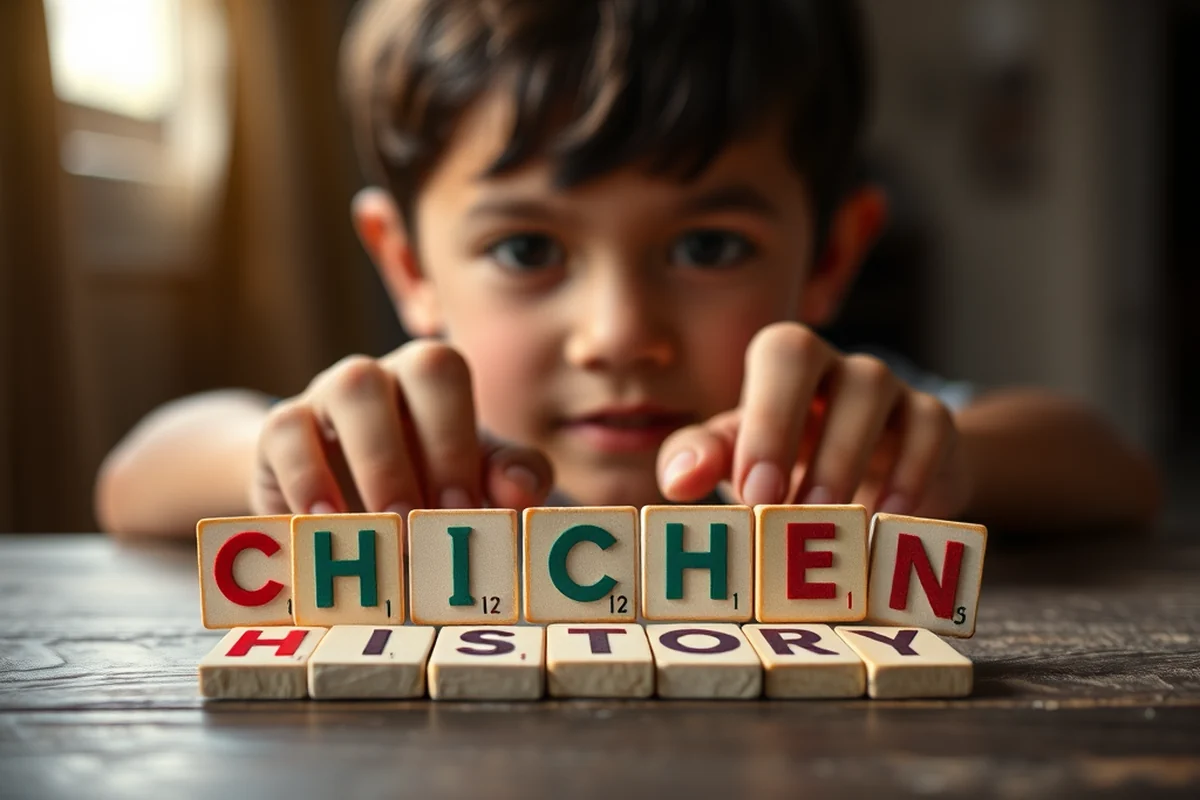
The Maya civilization flourished in Mesoamerica for over 2,500 years, from around 2000 BC to the 16th century AD. They were not a single unified empire, but rather a collection of city-states that shared a common language, religion, and culture. Each city had its own ruler and unique characteristics, but they all contributed to the rich legacy of the Maya people.[3]
Maya society was highly structured, with a ruling elite, priests, warriors, merchants, artisans, and farmers. The priest class played a crucial role in governance and religious ceremonies, while warriors and rulers ensured the city's security and expansion. The Maya also had a sophisticated writing system using glyphs, which they used to record historical events, religious texts, and astronomical observations.
Teaching the Chichen Itza history for kids is a great way to introduce them to the Maya civilization and its contributions to the world. By learning about their achievements and way of life, children gain a deeper appreciation for the complexity and richness of ancient cultures.
The Maya were not just builders of pyramids—they were masters of the stars, the calendar, and the art of living in harmony with the land.
Related: Khan academy for kids
Related: A teacher series
The Architecture of Chichen Itza: A Marvel of Engineering
The most iconic structure at Chichen Itza is El Castillo, also known as the Temple of Kukulkan. This pyramid is a marvel of ancient engineering, with its precise alignment to the sun and its intricate design. Each of its four sides has 91 steps, which, when added to the top platform, make 365 steps—one for each day of the year.[4]
Other structures, like the Temple of the Warriors and the Ball Court, showcase the Maya’s artistic and architectural achievements. The Ball Court, for example, was used for a ritual game that had religious and political significance. The game was played with a rubber ball, and the rules were complex, involving teamwork and strategy.
By exploring the architecture of Chichen Itza, kids can see how the Maya used their knowledge of mathematics, astronomy, and materials to build lasting monuments. It’s a great way to connect math and science lessons to real-world examples from history.
Use building blocks or LEGO to create a scaled-down version of El Castillo. This helps kids understand the structure and the way it was designed to align with the sun’s movements.
“When my daughter and I first visited the Chichen Itza National Park in Mexico, I was struck by how alive the ruins felt.”— Teaching Drama to Kids editors
The Role of Religion in the Maya World
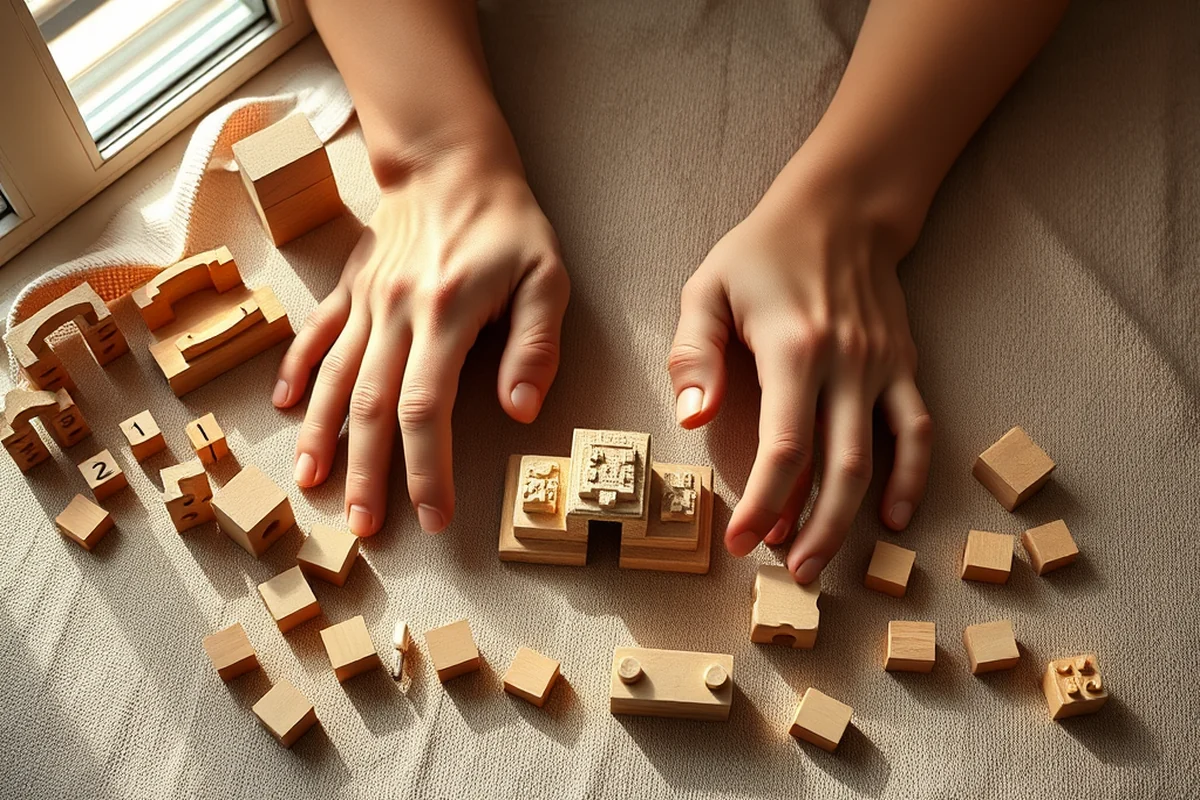
The Maya believed in a complex pantheon of gods and goddesses, each associated with different aspects of nature and the cosmos. Their religion was deeply intertwined with the cycles of the sun, moon, and stars, and they built temples and pyramids to honor these deities.
Rituals, sacrifices, and offerings were common practices in Maya religion. These acts were believed to maintain balance between the spiritual and physical worlds. Priests played a crucial role in interpreting the will of the gods and performing ceremonies that were essential to the city’s prosperity.
Learning about the religious practices of the Maya helps kids understand how deeply connected ancient civilizations were to their environment and the heavens. It’s a fascinating way to explore the intersection of faith, science, and culture.
Related: Theater classes for kids near me
The Decline of the Maya Civilization
By the 9th century, many of the major Maya cities had been abandoned, and the civilization began to decline. Scholars believe that a combination of factors, including drought, overuse of natural resources, and internal conflicts, contributed to this decline.
The Maya people did not disappear, however. Many communities continued to live in the region, and their descendants still practice aspects of the ancient Maya culture today. The descendants of the Maya people are still present in parts of Mexico, Guatemala, Belize, Honduras, and El Salvador.
Teaching the Chichen Itza history for kids is also an opportunity to discuss the resilience of the Maya people and the importance of preserving their heritage. It helps children see that history is not just about the rise of civilizations, but also their challenges and survival.
Related: Acting classes kids near me
How to Explore Chichen Itza with Kids: Tips for a Successful Visit
If you plan to visit Chichen Itza, it’s important to prepare in advance to make the most of the experience. Choose a time of day when the sun is not too harsh, and bring plenty of water, sunscreen, and comfortable shoes. The site is large, and walking is the main way to explore it.
To make the visit more engaging for kids, consider incorporating hands-on activities like drawing the ruins, playing games based on Maya history, or reading stories about the Maya. These activities can help children stay interested and learn more about the site.
Another tip is to bring a guidebook or app that provides information about the different structures and their significance. This can help kids understand the history and culture of the Maya in a more interactive way.
Exploring Chichen Itza with kids is like opening a book of ancient mysteries waiting to be discovered.
Related: Acting classes for 6 year olds
The Legacy of Chichen Itza Today
Today, Chichen Itza is one of the most visited archaeological sites in the world, attracting millions of visitors each year. It remains a powerful symbol of the Maya civilization and a testament to the ingenuity and creativity of the ancient world.
The site is also a source of pride for the people of Mexico, who have worked to preserve it for future generations. Efforts are ongoing to protect the ruins from natural erosion and human impact, ensuring that the legacy of the Maya continues to be shared with the world.
Teaching the Chichen Itza history for kids helps ensure that the stories of the past are not forgotten. It encourages a deeper understanding of history and the importance of preserving cultural heritage for the future.
🌍 Maya Time Travel Adventure
A hands-on activity where kids explore the Maya calendar and its connection to astronomy, using simple materials and storytelling.
🧱 Build Your Own Maya Temple
An art and engineering activity that lets kids create their own miniature Maya temple using recycled materials and basic supplies.
🔎 No-Prep Maya History Hunt
A simple scavenger hunt for kids to learn about the Maya civilization and its achievements, with no preparation needed.
🎭 Group Maya Role-Play
A collaborative activity where kids act out different roles in Maya society, from priests to farmers, to learn about daily life in the ancient world.
🧮 Maya Math Challenge
A math-based activity that teaches kids about the Maya number system and its use in counting and recording historical events.
| The mistake | Why it happens | The fix |
|---|---|---|
| Assuming all Maya cities were the same. | Each Maya city had its own unique culture, rulers, and architectural style, so it’s important to teach that there was not just one Maya civilization, but many interconnected city-states. | Use maps and stories to show the diversity of the Maya civilization, including different cities like Tikal, Palenque, and Chichen Itza. |
| Focusing only on the ruins and ignoring the Maya people today. | The Maya civilization is not just something from the past—it has a living legacy today, with many Maya people still living in the region. | Include information about the descendants of the Maya and how their culture continues to influence modern life. |
| Overloading kids with too much information at once. | Children have short attention spans and can become overwhelmed if given too much information too quickly. | Break the lesson into smaller, interactive segments, using hands-on activities and visuals to keep kids engaged. |
| Neglecting the spiritual and cultural aspects of the Maya civilization. | The Maya were deeply spiritual, and their beliefs influenced every aspect of their lives, from architecture to daily rituals. | Incorporate stories and discussions about Maya religion and spirituality to give a more complete picture of their culture. |
Chichen Itza History For Kids
Common Questions
How can I teach the Chichen Itza history for kids without visiting the site?
What age group is the Chichen Itza history for kids most suitable for?
Can I find printable resources to teach the Chichen Itza history for kids?
How can I make learning about the Maya civilization fun for my child?
References
- (PDF) The History of Chichen Itza, Yucatan, Mexico. A Summary for ... (academia.edu)
- DOA Employee Enrichment & Development - WI-DOA - Wisconsin.gov (doa.wi.gov)
- Aztecs Incas And Mayas Mapping Activity (culture.jacksonms.gov)
- Griffith Observer Cumulative Index (griffithobservatory.lacity.gov)
Cite this guide
Teaching Drama to Kids (2026). Chichen Itza History For Kids. https://dramaplayarea.com/chichen-itza-history-for-kids/
Feel free to cite or share this guide.
Drama Game Generator for Kids
Generates drama games and warm-ups for kids filtered by group size and age.
Open it free →