
Family Movies In 2026
📖 Table of Contents
- The Rise of Educational Family Movies in 2026
- How to Choose the Right Movies for Your Family
- Interactive Features in Family Movies of 2026
- Using Family Movies to Support Academic Learning
- The Role of Parents in Educational Movie Nights
- How to Create a Learning Journal Around Family Movies
- Making Family Movie Nights a Weekly Tradition
- Make It Your Way
- Frequently Asked Questions
When I was a kid, my family’s favorite weekend ritual was watching movies together. We’d gather on the couch with popcorn, blankets, and a playlist of classics like *The Wizard of Oz* and *E.T.*. Back then, family movies were simple, predictable, and mostly about comfort. But by 2026, the world of family entertainment has transformed. Streaming platforms now offer curated content tailored for different age groups, interactive features that let kids choose their own story paths, and even educational films that blend learning with fun. The keyword here is 'family movies in 2026' — not just for entertainment, but for growth, connection, and development.[1]
As an educator, I’ve seen a shift in how parents use family movie nights. It’s no longer just about keeping the kids quiet and out of the way. Today, parents are leveraging these moments to teach empathy, spark curiosity, and even support academic learning. I remember one family who watched *Inside Out* and turned the emotional themes into a week-long conversation about feelings and communication. That’s the kind of impact family movies in 2026 can have — if used intentionally.[2]
In this article, I’ll walk you through how to make family movie nights in 2026 a powerful educational tool. You’ll find insights on choosing the right films, creating interactive experiences, and even how to turn movie time into a learning opportunity. From tech-enabled storytelling to age-appropriate content, this guide is designed to help you turn screen time into something meaningful — for the whole family.[3]
Why You'll Love This Educational Approach
- Encourages family bonding and shared learning experiences.
- Provides opportunities for emotional and social development.
- Can be tailored to support academic subjects like science, history, and language.
- Offers a flexible, screen-based learning method that fits modern lifestyles.
The Rise of Educational Family Movies in 2026
In 2026, streaming services have evolved to become more than just entertainment hubs. Platforms like Netflix and Disney+ now offer curated collections of movies that align with school curricula. For example, a film like *The Magic School Bus* is now accompanied by interactive learning modules and discussion guides that help parents and kids explore the science and history themes in the show.[4]
These platforms also allow for personalized recommendations based on a child’s age, interests, and educational goals. I’ve seen families use this feature to find films that support their child’s reading skills or help reinforce lessons learned in class. The key is that these movies are now designed to be as much about learning as they are about entertainment.
The best part is that these films are available on demand. Whether it’s a weekday evening or a rainy Saturday, families can access educational content whenever they want. This flexibility makes family movies in 2026 a perfect tool for parents who are juggling work, school, and life.
Look for discussion guides that come with educational films. These often include questions and activities that can be used during or after the movie to reinforce learning.
How to Choose the Right Movies for Your Family
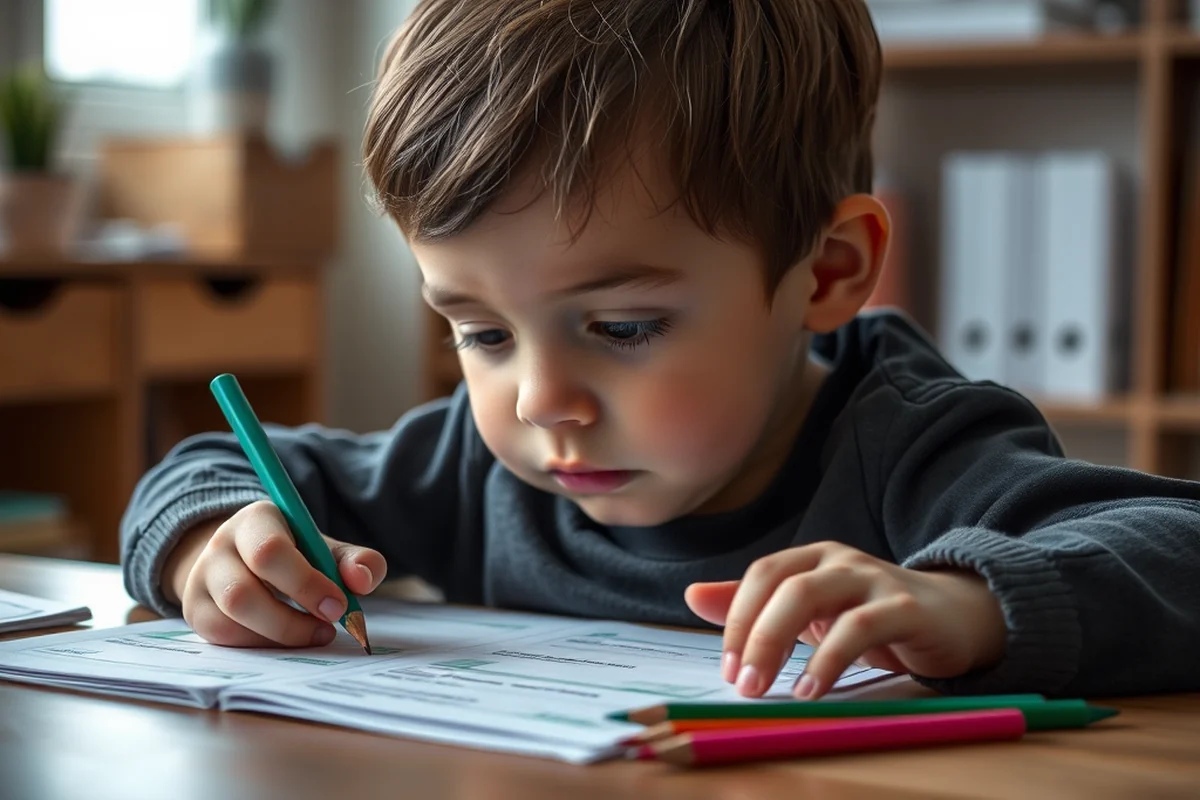
Choosing the right family movies in 2026 requires considering your child’s interests, age, and learning needs. Unlike earlier years, when choices were limited to a few classic films, today’s options are vast and diverse. You can now find films that support STEM learning, language development, or emotional intelligence.
I recommend starting with your child’s current interests. If they love space, look for films like *The Mars Generation*, which is both educational and engaging. If they’re learning about history, there are documentaries and animated films that make learning fun and interactive.
It’s also worth checking for parental ratings and educational content tags. These will help you ensure that the movie is appropriate for your child’s age and aligns with your educational goals.
The right movie can spark a lifelong love of learning.
Related: What is the rationale for teaching drama
Interactive Features in Family Movies of 2026
One of the most exciting changes in family movies in 2026 is the rise of interactive features. These include options like choosing the next scene, solving puzzles during the film, or even answering questions that affect the story’s outcome. For example, a film like *Choose Your Own Adventure: Jungle Quest* allows kids to make choices that influence the plot.
These features are not just for entertainment — they can be powerful educational tools. When kids make choices in a movie, they’re practicing decision-making, critical thinking, and problem-solving. I’ve seen children get so engaged in these interactive features that they’re begging to watch the same movie multiple times.
Interactive movies also help kids develop empathy. By seeing different outcomes based on their choices, they begin to understand how their actions affect others. This kind of emotional and social learning is invaluable for young children.
Interactive movies are a great way to teach decision-making, critical thinking, and empathy. Encourage your child to reflect on their choices after the movie.
“When I was a kid, my family’s favorite weekend ritual was watching movies together.”— Teaching Drama to Kids editors
Related: Diary of the wimpy kid long haul
Using Family Movies to Support Academic Learning
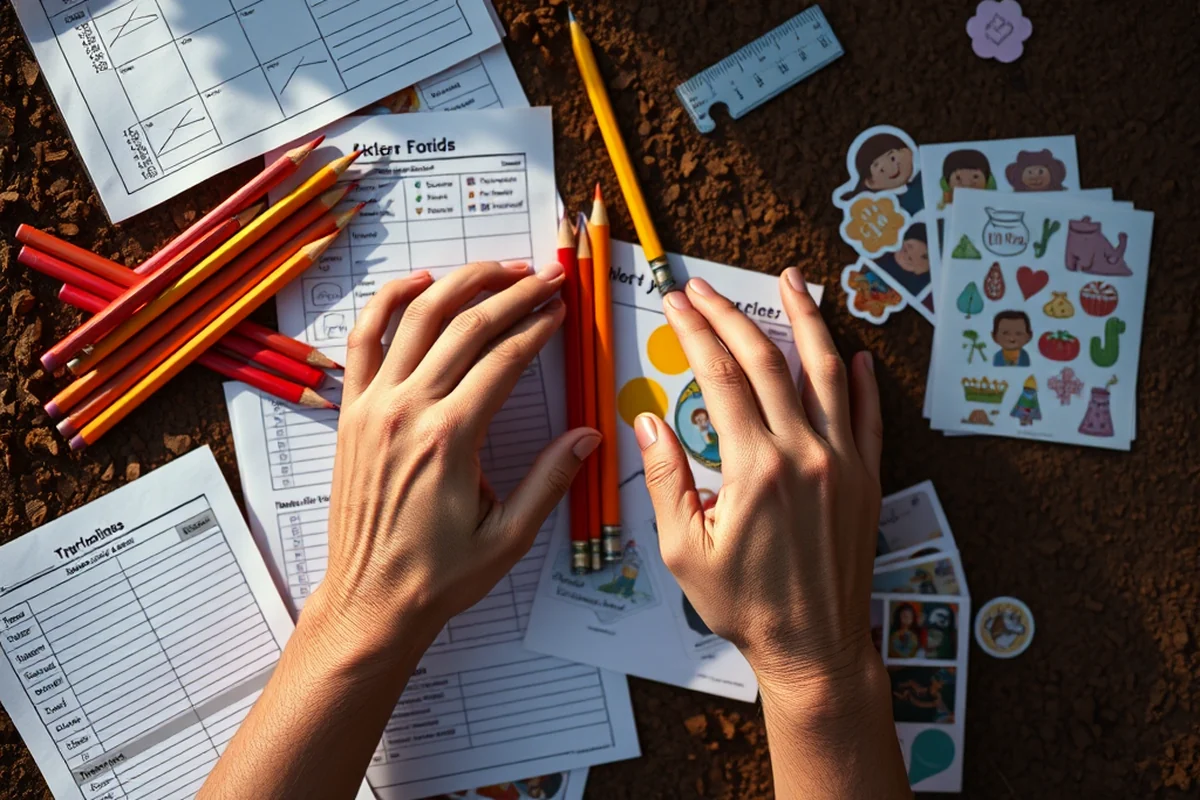
Family movies in 2026 can be used to reinforce academic learning in subjects like science, math, and language. For example, a film like *Mathlandia* turns complex math concepts into an engaging animated adventure. After the movie, families can discuss how the math problems were solved or even try to solve similar problems together.
Similarly, language-based films can be used to improve reading and vocabulary. I once watched my niece rewatch *The Tale of Two Cities* with her father, pausing to look up unfamiliar words and even creating flashcards. This kind of learning is both fun and effective.
These movies are also great for teaching history and geography. Many films now come with maps, timelines, and historical context that can be explored before, during, or after the movie. This makes learning about the past a dynamic and engaging experience for kids.
Related: Shows to watch
The Role of Parents in Educational Movie Nights
Parents play a crucial role in making family movie nights a learning experience for children. While the movie itself can be educational, it’s the parent’s involvement that turns screen time into a meaningful learning opportunity. This means asking questions, discussing the content, and even connecting the film to real-life experiences.
For example, after watching a science-themed movie, a parent might ask their child to explain the scientific concepts in their own words. This not only reinforces learning but also helps the child develop communication and critical thinking skills.
It’s also important for parents to model curiosity and engagement. If a parent is excited about the film and asks thoughtful questions, the child is more likely to be interested and involved. This kind of interaction is key to making family movies in 2026 a powerful educational tool.
Related: Movie to watch
How to Create a Learning Journal Around Family Movies
Creating a learning journal can help children track what they’ve learned from family movies in 2026. This is a simple but powerful way to reinforce learning and encourage reflection. The journal can include drawings, notes, and even vocabulary words from the film.
I’ve seen this approach work well with older kids, who enjoy writing reflections or even creating their own summaries of the film. For younger children, the journal can include simple illustrations or stickers that represent what they learned.
The journal can also be used to track progress over time. For example, a child might write about a science concept they learned in one movie and then revisit it in a later film. This helps build connections between different learning experiences.
A learning journal turns passive watching into active learning.
Related: Pbs kids shows from the 2000s
Making Family Movie Nights a Weekly Tradition
Establishing a weekly movie night can help build a routine that supports both learning and family bonding. When families set aside a specific time each week for movies, it becomes a cherished tradition that reinforces learning and connection.
I’ve seen families use movie nights as a way to celebrate milestones, like a child’s birthday or a successful school project. This makes the experience even more meaningful and memorable.
To make the most of these nights, it’s important to be consistent. Whether it’s every Friday or on a specific weekend, having a regular time helps children know what to expect and look forward to. This consistency also helps parents plan and prepare for each movie night.
🧸 Younger Kids (Ages 3-6)
Choose short, colorful films with simple stories and interactive features that help with early learning and vocabulary building.
🧓 Older Kids (Ages 7-12)
Opt for longer, more complex films that support academic learning and encourage critical thinking and discussion.
🪑 No-Prep Version
Select films that are ready to watch with no preparation — perfect for busy families who want to enjoy a quick, educational movie night.
👥 Group Version
Use interactive family movies to create a group learning experience, encouraging collaboration and discussion among multiple children.
🧩 Extension Activity
After watching a film, create a related activity like a science experiment, art project, or reading list to reinforce learning.
| The mistake | Why it happens | The fix |
|---|---|---|
| Watching movies without any discussion or reflection. | This can limit the educational value of the experience and prevent children from connecting the film to real life. | Ask questions before, during, and after the movie to encourage thinking and discussion. |
| Choosing a movie that is too complex for your child’s age. | This can be overwhelming and prevent your child from fully engaging with the film. | Select films that are appropriate for your child’s age and learning level. |
| Not preparing for the movie night. | This can lead to a chaotic or unproductive experience that lacks focus and learning opportunities. | Plan ahead by choosing the movie, preparing any discussion guides, and setting a clear time for the activity. |
| Focusing only on the entertainment aspect and not the learning potential. | This can lead to missed opportunities for educational growth and connection. | Use the movie as a springboard for learning, discussion, and reflection. |
Family Movies In 2026
Common Questions
Are there movies in 2026 that are specifically designed for educational purposes?
How can I make sure the movie is appropriate for my child’s age?
What are some examples of interactive features in family movies of 2026?
How can I use family movies to support my child’s learning?
References
- Travel from Zootopia to Radiator Springs with Asheville's Movies in ... (ashevillenc.gov)
- Monthly Movie Round-Up: February 2026 – Establishing Shot (blogs.iu.edu)
- Filmlandia Screening Series – Cinema Studies Resources - UO Blogs (blogs.uoregon.edu)
- Sundown Cinema - UCSF Events Calendar (calendar.ucsf.edu)
Cite this guide
Teaching Drama to Kids (2026). Family Movies In 2026. https://dramaplayarea.com/family-movies-in-2026/
Feel free to cite or share this guide.