
Boys To Girls Movie
📖 Table of Contents
- What Is 'Boys to Girls' and Why It Belongs in the Classroom
- How to Use 'Boys to Girls' in a Drama Lesson
- Why This Movie Works for Young Learners
- How to Create a Safe Space for Discussion
- Using the Movie to Encourage Self-Expression
- How the Movie Fosters Empathy and Understanding
- How to Use the Movie for Older Students
- Make It Your Way
- Frequently Asked Questions
One afternoon, I sat in a classroom of 6-year-olds, watching a movie that had them spellbound. The film, *Boys to Girls*, wasn’t just a story—it was a mirror reflecting their own identities, their dreams, and the world they hoped to shape. As the credits rolled, I saw something I hadn’t expected: a boy asking a girl, *‘Can I be a girl, too?’* That moment stayed with me, not just as a teacher. As a person who believed deeply in the power of storytelling. It was then I realized how important it is to use film as a tool in education—not just for entertainment, but for empathy, identity, and dialogue.
I’ve taught drama to kids for over a decade, and I’ve seen firsthand how the right movie can open doors in a classroom. *Boys to Girls* has become a cornerstone of my curriculum, especially when discussing themes of gender, self-expression, and personal identity. It’s not just a film—it’s a discussion starter, a catalyst for creativity, and a bridge between students who might otherwise never see themselves in the same narrative. I remember one student who, after watching the movie, wrote a journal entry about how she wanted to be a dancer. She’d never thought of herself as a ‘girl’ in the traditional sense. That’s the kind of impact I live for.
When I first introduced *Boys to Girls* to my students, I didn’t expect the level of engagement. The film’s blend of humor, heart, and vulnerability made it relatable, even to the most reserved kids. I saw students who rarely spoke up in class start to share their thoughts, not just about the movie, but about themselves. I remember one boy who, after watching the film, stood up and said, *‘I think I like being a boy. I also like being different.’* That kind of honesty and self-reflection is exactly what we need in education today. It’s moments like these that make me believe in the power of film as a tool for learning and growth.
Why You'll Love This Movie in the Classroom
- Encourages open dialogue about gender identity and self-expression
- Inspires creativity through character exploration and role-play
- Provides a safe space for students to explore and understand diversity
- Supports emotional intelligence and empathy-building
What Is 'Boys to Girls' and Why It Belongs in the Classroom
As of October 2026, the film follows a group of young characters as they handle the challenges of understanding who they are and how they fit into the world. Each character has their own journey, and the movie doesn’t shy away from the complexities of identity. I’ve used it in classrooms with children as young as 5, and it’s been a consistent hit. What makes it so effective is that it doesn’t present clear answers—it invites questions instead.[1]
One of the key reasons I love using this movie in the classroom is how it encourages students to think critically about gender and identity. It’s not a didactic film; it’s more of a mirror. When students see characters who are different from themselves, it opens up space for reflection and conversation. I’ve had students ask questions like, *‘Can a boy be a girl if he wants?’* and *‘Why do people have to choose only one thing?’* These are powerful questions that lead to deeper learning.
As an educator, I’ve found that the movie doesn’t just spark conversation—it also encourages empathy. When students see characters making mistakes, facing fears, or simply being themselves, they start to understand that everyone is on their own journey. That kind of understanding is something I can’t teach with a textbook alone.
Before showing the movie, ask students, *‘What does it mean to be different?’* or *‘Can you be more than one thing at once?’* This primes their thinking and sets the stage for deeper engagement.
How to Use 'Boys to Girls' in a Drama Lesson
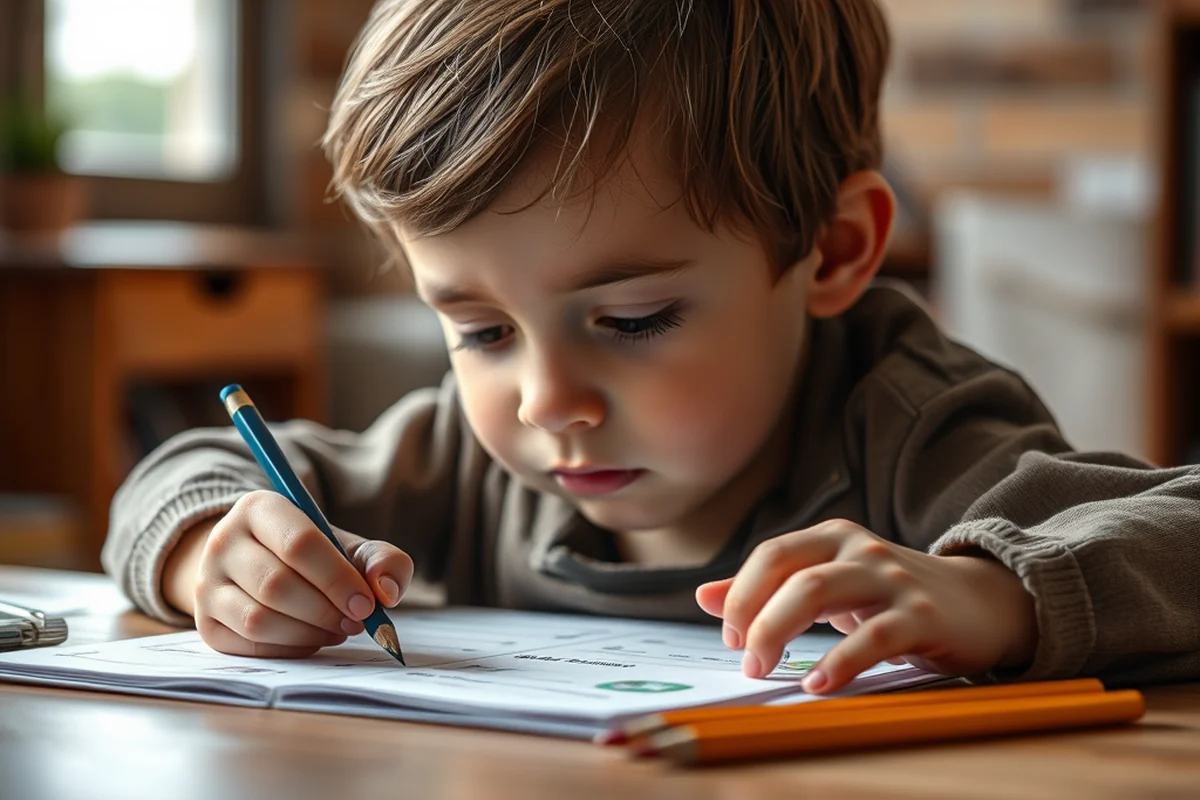
I typically show the movie in the first half of a drama class, followed by a discussion on how the characters felt, what they did, and what they might have done differently. After that, we do a role-play activity where students act out scenes from the movie, or create their own scenarios based on the themes explored. This helps them step into the shoes of different characters and see the world from new perspectives.
One of the most powerful activities I’ve used is a ‘mirror exercise.’ Students pair up, and one student acts out a scene while the other mirrors their actions. This not only builds empathy but also helps students understand how others might perceive them. After the exercise, we discuss how it felt to be mirrored and how it felt to be the one doing the mirroring. It’s a simple but effective way to build connection and awareness.
I’ve also used the movie as a prompt for creative writing. Students write a short story or a diary entry from the perspective of one of the characters. This helps them explore the emotional depth of the film and express their own thoughts and feelings. It’s amazing to see how much students can open up through creative expression.
Movies are mirrors, not answers.
Related: What is the movie kids about
Why This Movie Works for Young Learners
When I first showed the movie to a group of 6-year-olds, I was surprised by how quickly they caught on to the themes. The characters are portrayed in a way that’s easy for children to understand, and the film avoids any unnecessary complexity. This makes it a great choice for younger students who are still developing their emotional and social skills.
I’ve noticed that the movie’s use of humor and light-hearted moments helps to create a comfortable environment for discussion. Even the most shy students are often willing to participate when they feel safe. One of the scenes that stands out is when a character makes a mistake and laughs it off. It’s a small moment, but it sends a powerful message about being kind to oneself and others.
Another reason the movie works for young learners is that it doesn’t impose any particular message. Instead, it invites students to think for themselves. This makes it a great tool for fostering critical thinking and self-reflection, even in the youngest of learners.
If you’re using the movie with very young children, consider showing only a short clip and following up with a drawing activity where they express how they feel about the characters.
“One afternoon, I sat in a classroom of 6-year-olds, watching a movie that had them spellbound.”— Teaching Drama to Kids editors
Related: Problem child movie
How to Create a Safe Space for Discussion
Before showing the movie, I always have a short conversation with the students about what it means to listen and respect others’ opinions. I remind them that everyone’s thoughts are important and that there are no wrong answers. This helps to establish a classroom culture where students feel comfortable sharing their thoughts and feelings.
I also use a ‘feelings chart’ in the classroom. This is a visual tool that allows students to point to how they feel after watching the movie. It helps them articulate their emotions and gives them a way to express themselves without words. I’ve found that this is especially helpful for younger students who may not yet have the vocabulary to describe their feelings.
Another strategy I use is to invite students to share their thoughts in pairs before discussing as a group. This gives everyone a chance to process the film and feel more confident in sharing their ideas. It also helps to reduce the pressure of speaking in front of the whole class.
Related: Disney for kids movies
Using the Movie to Encourage Self-Expression
One of the most effective ways I’ve used the movie to encourage self-expression is through a ‘Who Am I?’ activity. After watching the film, students write down three things about themselves that they feel are important. Then, they take turns reading their lists to the class. This activity not only helps them learn about each other but also helps them understand the value of being themselves.
I’ve also used the movie to start a ‘show and tell’ session where students bring in something that represents their identity. This could be a piece of clothing, a toy, or even a drawing. This helps them see that identity is not just about how they look, but also about what they like, what they believe, and how they feel.
Another activity I’ve used is a ‘story circle,’ where students take turns sharing a personal story or experience that relates to the themes in the film. This helps them build confidence in expressing themselves and learn to listen to others with empathy.
Related: The kid detective movie
How the Movie Fosters Empathy and Understanding
One of the most powerful lessons the movie teaches is the importance of listening to others. I’ve used the film to start a discussion on how we can better understand people who are different from us. This has led to some incredibly insightful conversations in the classroom.
I’ve also used the movie to start a ‘walk in their shoes’ activity, where students imagine they are a character from the film and write about what it would feel like to be them. This helps them develop empathy and understand that everyone has their own struggles and strengths.
Another activity I’ve used is a ‘feelings box,’ where students write down how they feel about the characters and put the notes in a box. Then, we read them aloud as a class. This helps students see that they are not alone in their feelings and that it’s okay to feel a wide range遍 of emotions.
Empathy is the bridge between understanding and action.
Related: Good for family movies
How to Use the Movie for Older Students
When I’ve used the movie with students in middle school, we’ve focused more on the social and emotional aspects of the characters’ journeys. We’ve had discussions about how society often defines gender roles and how that can impact individuals.
One activity I’ve used with older students is a ‘debate’ on the topic, *‘Can identity be fluid?’* This helps students explore the concept of identity and how it can change over time. It also encourages them to think critically about the world around them.
Another activity I’ve used is a ‘journaling’ session, where students write about how the movie made them feel and what it taught them about themselves. This helps them reflect on their own identities and develop a deeper understanding of the themes in the film.
🎨 Younger Kids Version
Use short clips and simple activities like drawing and role-play to engage younger students in the themes of identity and self-expression.
📚 Older Kids Version
Focus on deeper discussions, debates, and reflective writing to explore themes of identity and social norms with older students.
🧾 No-Prep Version
Watch the full movie in one class and follow up with a group discussion or a ‘feelings chart’ activity that requires no preparation.
👥 Group Version
Use the movie as a group activity with role-play and collaborative projects that encourage teamwork and shared learning.
🔍 Extension Version
Integrate the movie into a larger unit on identity, diversity, and self-expression with cross-curricular activities and research projects. (36.9%, annenberg.usc.edu)[2]
| The mistake | Why it happens | The fix |
|---|---|---|
| Not providing enough context before showing the movie | Without context, students may not understand the themes or feel uncomfortable discussing the content. | Start with a brief discussion on identity, gender, and self-expression before showing the movie. |
| Ignoring the emotional impact of the movie | The movie can be emotionally powerful, and ignoring the emotional impact may leave students feeling overwhelmed or confused. | Follow up with a discussion or activity that helps students process their emotions and reflect on what they’ve learned. |
| Not adapting the movie for different age groups | A movie that works for older students may be too complex for younger learners or too simple for older ones. | Use short clips and adjust activities based on the age and maturity level of your students. |
| Focusing too much on the movie and not enough on discussion and reflection | The movie is just a starting point. Without reflection and discussion, students may not fully engage with the themes or apply what they’ve learned. | Always follow up with a discussion, activity, or reflective exercise to help students process what they’ve seen. |
Boys To Girls Movie
Common Questions
How long does the movie last?
Can I use this movie with preschoolers?
What age group is this movie best suited for?
Is there a printable version of the activities in this article?
References
- Transgender children and young people: how the evidence can ... (pmc.ncbi.nlm.nih.gov)
- Media, Diversity, & Social Change Initiative - USC Annenberg (annenberg.usc.edu)
Cite this guide
Teaching Drama to Kids (2026). Boys To Girls Movie. https://dramaplayarea.com/boys-to-girls-movie/
Feel free to cite or share this guide.