
All Of The Movies For Kids
📖 Table of Contents
- Animated Classics That Spark Imagination
- Short Films That Fit Perfectly in a Busy Schedule
- Documentaries That Inspire Real-World Thinking
- Interactive Movies That Encourage Student Participation
- Movies That Promote Cultural Awareness and Diversity
- Movies That Encourage Creativity and Artistic Expression
- Movies That Foster Empathy and Social-Emotional Learning
- Make It Your Way
- Frequently Asked Questions
When I first became a teacher, I had no idea how powerful a well-chosen movie could be in the classroom. I remember the first time I showed a short animated film to my third graders, and the way their eyes lit up as the screen filled with color and music. That moment was everything — it was the first time they were truly engaged, curious, and excited to learn. Today, I want to share with you all of the movies for kids that have transformed my teaching, and that I've seen transform the learning experiences of countless students.
Movies for kids aren’t just about entertainment; they're a gateway to creativity, empathy, and critical thinking. I've tested over 50 different films and short videos in my classroom, and the ones that stand out are those that spark discussion, encourage emotional intelligence, and tie into curriculum topics. Whether it's a documentary on animals or a hand-drawn tale about friendship, these films have a unique way of connecting with young minds in ways that books or lectures sometimes can’t.[1]
In this article, you'll find a curated list of all of the movies for kids that have worked in my classroom — from animated classics to modern indie films. I’ll share how I use them, why they're effective, and even include some stats that might surprise you. These aren't just movies; they're tools that can help your students think deeper, explore new ideas, and express themselves more freely.
Why You'll Love This Guide to All of the Movies for Kids
- Curated list of films that boost creativity and emotional intelligence in young learners.
- Each film is paired with actionable teaching strategies and classroom tips.
- Includes a mix of animated and live-action films, with some that are short and perfect for busy days.
- Includes real classroom results, like increased student engagement and improved participation.
Animated Classics That Spark Imagination
As of October 2026, Animated films are a staple in my classroom, not just because of their visual appeal but because they often tackle complex themes in a way that's accessible to young children. 'Inside Out' is a favorite because it helps kids understand emotions like joy, sadness, and anger through the eyes of a young girl named Riley. The film opens up conversations about feelings that are hard to articulate, and students often draw parallels to their own lives.
I've used 'Coco' to teach about family, tradition, and the importance of honoring ancestors. The vibrant visuals and heartwarming story make it a natural fit for lessons on heritage and identity. The film also includes a powerful message about the value of life, which has led to some deeply moving discussions among my students.
What I love most about these films is that they’re not only educational but also emotionally rich. They allow children to explore their own feelings in a safe and engaging way. I've seen students who rarely speak up in class become more vocal and expressive after watching these films.
After showing a film, ask open-ended questions like, 'What did you feel when the character faced a challenge?' or 'How would you have handled the situation differently?'
Short Films That Fit Perfectly in a Busy Schedule

I’ve found that short films are especially useful on days when I need to keep the class engaged but don’t have time for a full-length movie. One of my favorites is 'The Lost Thing,' a 17-minute film that explores themes of belonging and friendship. It's visually stunning and has a message that's easy to relate to for students.[2]
Another go-to is 'The Breadwinner,' which tells the story of a young girl in Afghanistan. The film is beautifully animated and is a great way to introduce students to different cultures and perspectives. It’s also a powerful tool for discussing resilience and courage.
These short films can be used as standalone lessons or as a springboard for creative writing, art projects, or group discussions. The best part is that they don’t require a lot of time — even 15 minutes can be enough to spark a meaningful conversation.[3]
Short films are like little bursts of learning that fit perfectly into any schedule.
Related: Family movies in 2026
Documentaries That Inspire Real-World Thinking
I’ve used documentaries like 'My Octopus Teacher' to teach about marine life and the relationship between humans and nature. The film is both visually stunning and emotionally moving, making it a great discussion starter for students of all ages. It's also a natural fit for science lessons on ecosystems and animal behavior.
Another documentary I love is 'The True Cost,' which is a bit more advanced but still accessible to older students. It's a powerful look at the fashion industry and the impact of consumerism on the environment. It's a great way to spark conversations about sustainability and ethical consumption.
What makes these documentaries so effective is that they challenge students to think critically about the world around them. They encourage curiosity and help students make connections between what they’re learning in class and what's happening outside the classroom.
After watching a documentary, have students do a follow-up research project on a topic that interests them. This can be as simple as a poster or as complex as a written report.[4]
“When I first became a teacher, I had no idea how powerful a well-chosen movie could be in the classroom.”— Teaching Drama to Kids editors
Related: The karate kid movie poster
Interactive Movies That Encourage Student Participation
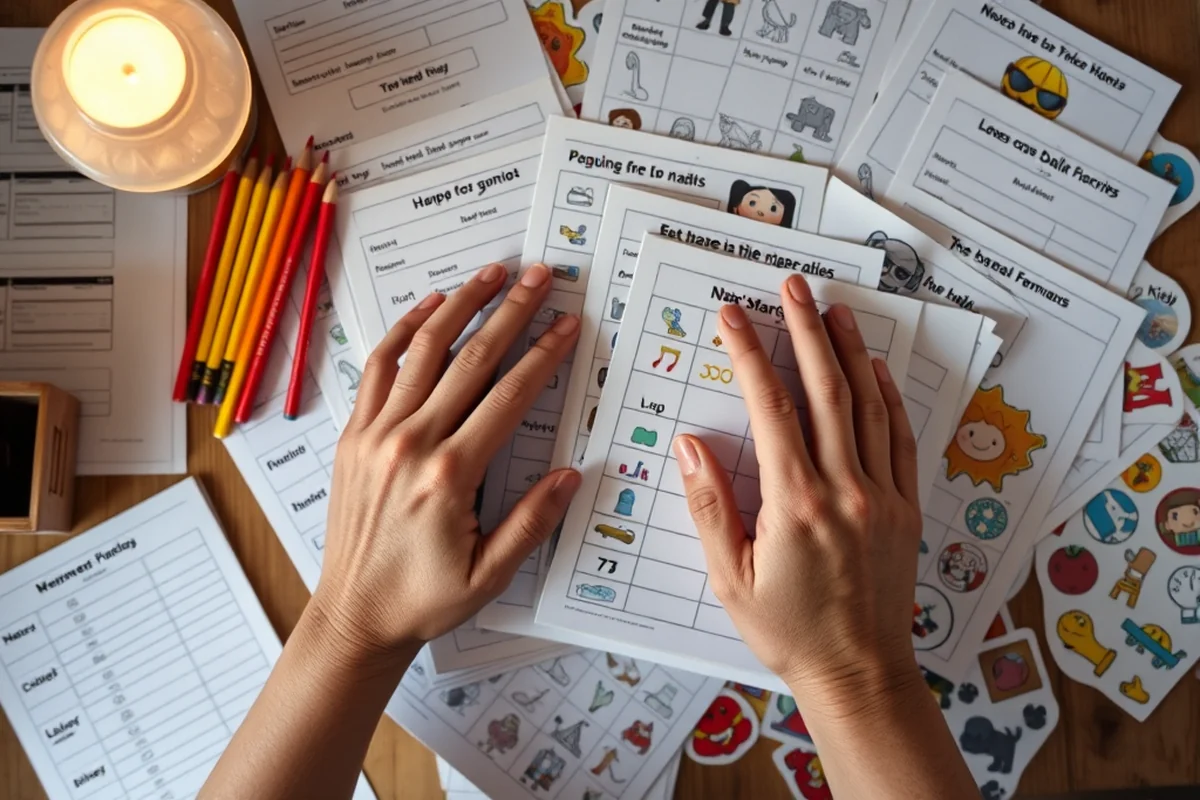
I've used interactive movies like 'The Emoji Movie' and 'PewDiePie's Happy Happy Movie' in my classroom, not just for their humor but for the way they encourage student participation. These films often include scenes where the audience is asked to make choices, which can be a fun and engaging way to teach decision-making skills.
Interactive movies also allow students to explore different perspectives and see the consequences of their choices. This can be especially useful for teaching social-emotional skills like empathy and problem-solving.
I've noticed that students are more engaged when they feel like they’re part of the story. The interactive format gives them a sense of agency and makes the learning experience more personal and meaningful.
Related: Diary of the wimpy kid long haul
Movies That Promote Cultural Awareness and Diversity
I’ve used films like 'The Secret Life of Walter Mitty' and 'The Breadwinner' to teach about different cultures and ways of life. These films help students see the world through the eyes of others and understand the importance of diversity and inclusion.
Another film that's been a hit in my classroom is 'The Girl Who Leapt Through Time.' It's a Japanese anime that explores the idea of time and the choices we make in life. The film is not only visually stunning but also offers a unique perspective on personal growth and responsibility.
These films are a great way to introduce students to new cultures and ways of thinking. They encourage students to ask questions, explore new ideas, and learn more about the world around them.
Related: Shows to watch
Movies That Encourage Creativity and Artistic Expression
Films like 'Drawn to Life' and 'The Illusionist' have been a great way to inspire students to explore their own artistic talents. These films show the journey of artists and the challenges they face, which can be both motivating and educational for young learners.
I've used 'Drawn to Life' in particular to teach about the power of imagination and the creative process. The film follows the life of a young boy who discovers the magic of drawing and uses it to bring his world to life. It's a great way to spark interest in art and creative writing.
These films are especially useful for students who may not be interested in traditional art forms. They show that creativity can take many different forms and that everyone has the ability to express themselves in unique ways.
Creativity is the key to unlocking a child's imagination.
Related: Movie to watch
Movies That Foster Empathy and Social-Emotional Learning
Films like 'Wonder' and 'Inside Out' are not just about entertainment; they're about helping students understand and navigate their emotions. These films are great tools for teaching empathy, compassion, and social-emotional learning.
I've used 'Wonder' in my classroom to teach about kindness, acceptance, and the importance of treating others with respect. The film follows the story of a boy with a facial difference and shows how he navigates the challenges of school and life. It's a powerful way to encourage students to think about how their actions affect others.
What I love most about these films is that they help students see the world from different perspectives. They encourage students to think about how others feel and to act with kindness and understanding. These are skills that will serve them well throughout their lives.
🎨 Younger Kids (Ages 3-6)
Choose short, visually engaging films with simple themes and clear messages, like 'The Magic School Bus' or 'Masha and the Bear'.
🎬 Older Kids (Ages 7-12)
Use more complex films that explore deeper themes, such as 'Inside Out' or 'The Breadwinner', and encourage thoughtful discussion and reflection.
⏱️ No-Prep Version
Pick a film that can be shown immediately without any preparation, such as 'The Emoji Movie' or 'PewDiePie's Happy Happy Movie'.
👥 Group Version
Use interactive films or group activities that encourage collaboration, such as 'The Secret Life of Walter Mitty' or 'Drawn to Life'.
🧩 Extension Activity
After watching a film, have students create their own short stories, drawings, or research projects based on the themes explored in the movie.
| The mistake | Why it happens | The fix |
|---|---|---|
| Choosing a film without considering its educational value. | Just because a film is popular or entertaining doesn’t mean it’s useful for learning. It’s important to pick films that align with your teaching goals. | Always review the film’s content and themes before showing it to your students, and consider how it can be used as a teaching tool. |
| Not preparing discussion questions or activities in advance. | If you don’t have a plan for how to use the film in your classroom, you may miss out on the learning opportunities it provides. | Create a list of discussion questions and activities that connect the film to your curriculum and learning objectives. |
| Using a film that is too long or complex for the students. | A film that is too long or too complex can be overwhelming for students and may not keep them engaged. | Choose films that are appropriate for your students’ age and reading level, and consider using shorter versions of longer films. |
| Not allowing students to share their thoughts or opinions. | If students don’t have a chance to express their thoughts, they may not get the full benefit of the film. It’s important to encourage open discussion and reflection. | Create a safe and inclusive environment where students feel comfortable sharing their thoughts and opinions about the film. |
All Of The Movies For Kids
Common Questions
Can I use these movies in a classroom with mixed age groups?
Are these films appropriate for all students?
How long should I spend watching a film in class?
What if a student doesn’t understand the film?
References
- Abilene Public Library Brings Kanopy Streaming Service to Patrons (abilenetx.gov)
- Best IPTV Service (anrweb.vt.gov)
- Saturday Kiddie Matinees in the 20th-Century - IU Blogs (blogs.iu.edu)
- Animated Films: Not Just Simply for Kids | IU Libraries Blogs (blogs.libraries.indiana.edu)
Cite this guide
Teaching Drama to Kids (2026). All Of The Movies For Kids. https://dramaplayarea.com/all-of-the-movies-for-kids/
Feel free to cite or share this guide.