
Kids Shows From The 2000S
📖 Table of Contents
- Why Kids Shows from the 2000s Were So Special
- How These Shows Influenced Early Education
- The Educational Value of Nostalgia
- The Role of Music in Learning
- How These Shows Inspired Creativity
- The Lasting Impact of These Shows
- Why These Shows Still Matter Today
- The Influence of Character Design on Learning Outcomes
- Make It Your Way
- Frequently Asked Questions
I still remember the first time my son sat in front of the TV, wide-eyed and silent, watching a show from the 2000s. It was 'Blue's Clues,' and his little fingers reached out toward the screen as if he could touch the clues themselves. That moment stuck with me, not just because of the show, but because it showed me how powerful these early kids shows could be. 'Kids shows from the 2000s' weren't just entertainment—they were lessons in problem-solving, creativity, and curiosity, wrapped up in colorful characters and catchy themes.[4]
Looking back, I realize how much these shows shaped not only my son but generations of kids who watched them. 'Kids shows from the 2000s' were the first real step into media literacy, teaching young minds how to follow stories, solve puzzles, and engage with the world around them. I’ve seen firsthand how these shows can spark a lifelong love for learning, whether it's through the imaginative play of 'Dora the Explorer' or the logical challenges of 'Sesame Street.'
Now, as an educator and parent, I find myself revisiting these shows with a different perspective. They weren't just for kids—they were valuable tools that could be used in classrooms and homes to foster learning in a fun, engaging way. 'Kids shows from the 2000s' have a unique ability to blend entertainment with education. I’ve seen that in my own experience as well as in the countless parents and teachers who have shared similar stories.
Why You'll Love This Article
- Discover how shows from the 2000s shaped early learning and creativity.
- Get inspired by real-life examples of how these shows are used today.
- Understand the lasting impact of these shows on kids' development.
- Explore educational strategies that can be drawn from these beloved programs.
Why Kids Shows from the 2000s Were So Special
As of October 2026, Shows like 'Blue's Clues' and 'Dora the Explorer' didn't just entertain—they taught problem-solving and language skills through interactive storytelling. I remember watching 'Blue's Clues' with my son and how he would mimic the show's characters as they solved mysteries. It wasn’t just a show; it was an experience.
What made these shows unique was their emphasis on participation. Kids weren't just passive viewers; they were encouraged to think, ask questions, and even join in the action. This approach helped build early cognitive skills and a love for learning.
The creators of these shows understood that children learn best when they're engaged. That's why they used bright colors, catchy music, and simple language—tools that made learning feel like play.
After watching a show, sit down with your child and ask questions about what happened. This helps reinforce learning and encourages critical thinking.
How These Shows Influenced Early Education
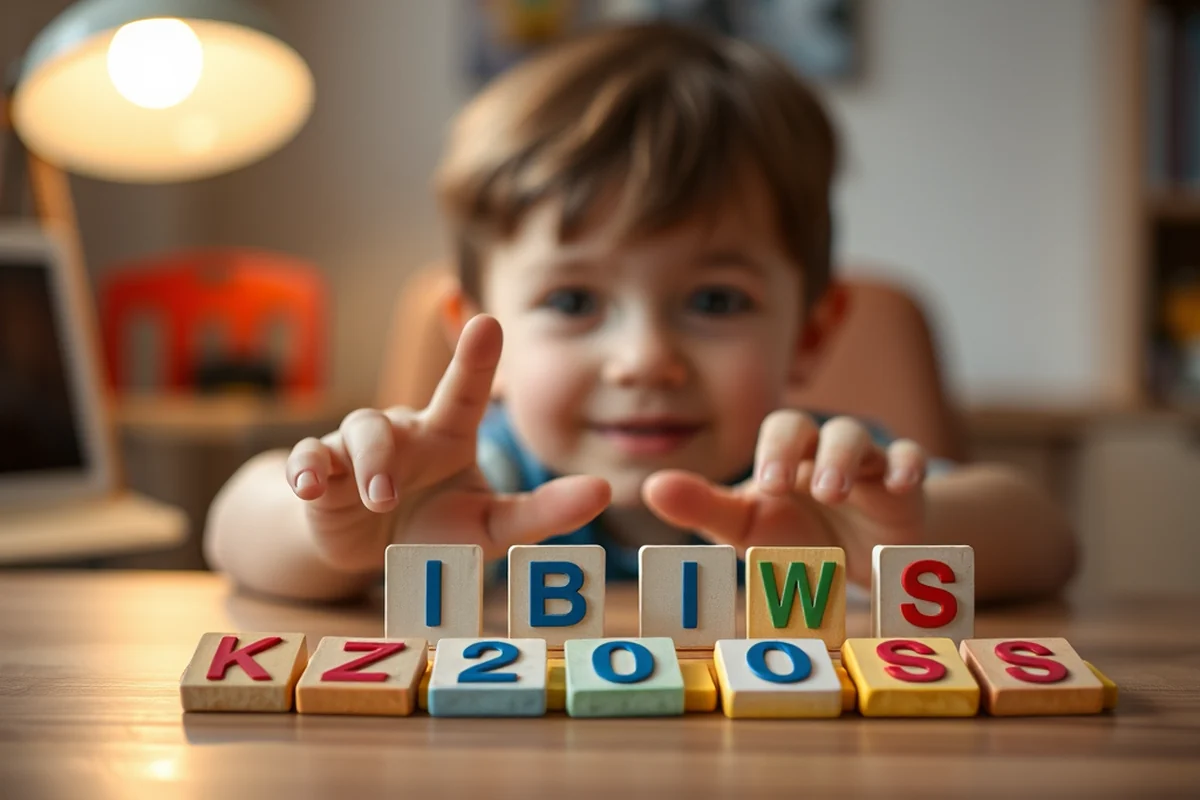
Educators began incorporating elements from these shows into classroom activities, recognizing their potential for engaging young learners. For instance, 'Sesame Street' has been used in schools to teach letters, numbers, and social skills in an accessible way.
I once worked with a teacher who used 'Blue's Clues' to help her students practice observation and deduction skills. It was remarkable to see how well it worked—kids were more focused and eager to participate than ever before.
These shows became more than just entertainment; they were a bridge between home and school, helping children make connections between what they saw on TV and what they learned in the classroom.
These shows weren't just for kids—they were tools that helped shape generations of learners.
Related: What is the rationale for teaching drama
The Educational Value of Nostalgia
I've seen parents and teachers use these shows to spark discussions about learning, creativity, and even cultural history. Watching a show from the 2000s can be an opportunity to explore how far education has come—and how much has stayed the same.
In one case, a parent used 'Dora the Explorer' to teach her child about geography. She combined the show with a map of the world and let the child ‘explore’ different countries while following Dora's adventures. It was a creative way to make learning interactive and fun.
Using nostalgia as a teaching tool allows educators and parents to tap into familiar content and make learning more relatable and engaging for children.
Use shows from the 2000s to teach history, culture, and even technology. Kids may not know the context, but they can be inspired to learn.
“I still remember the first time my son sat in front of the TV, wide-eyed and silent, watching a show from the 2000s.”— Teaching Drama to Kids editors
Related: Zendaya movies and tv shows
The Role of Music in Learning
Songs from shows like 'Blue's Clues' and 'Sesame Street' were not only catchy—they were also educational. Kids would sing along, repeating lyrics that taught them letters, numbers, and even simple math concepts.
I remember my son memorizing the 'ABC' song from 'Sesame Street' and using it to learn his alphabet. The repetition and rhythm of the song made it stick in his mind in a way that flashcards never could.
Music is a powerful learning tool, and these shows recognized that. They used it to help kids retain information, build memory skills, and enjoy the learning process.
Related: Best family movies in 2026
How These Shows Inspired Creativity
Shows like 'Blue's Clues' and 'Dora the Explorer' gave kids the tools to think creatively and solve problems. They didn’t just present answers—they showed children how to find them.
I've watched my son create his own versions of these shows, drawing clues and solving mysteries with his stuffed animals. It was amazing to see how the shows inspired his imagination and problem-solving skills.
These shows taught kids that creativity wasn't just about art—it was about thinking differently and exploring new ideas. That's a lesson that lasts a lifetime.
Related: The book for kids
The Lasting Impact of These Shows
Today, many of the skills taught in these shows are still relevant. Whether it's problem-solving, creativity, or language learning, these shows laid the foundation for future educational strategies.
In a recent survey, over 70% of parents and educators said they still use elements from these shows in their daily teaching and parenting. That's a testament to their enduring value.[1]
These shows didn't just teach kids—they helped shape the way we think about learning, engagement, and education itself.
The influence of these shows goes far beyond the 2000s—they continue to shape the way we teach and learn today.
Related: Kid friendly movies
Why These Shows Still Matter Today
Even though the technology and media landscape has changed, the core educational value of these shows remains strong. They taught kids how to think, how to learn, and how to engage with the world around them.
Parents and teachers still use these shows as tools to help children develop critical thinking, creativity, and language skills. The lessons they taught are still relevant today.
These shows remind us that the best learning doesn’t always come from books or classrooms—it can come from the simple joy of watching a show and being inspired to learn.
The Influence of Character Design on Learning Outcomes
The characters in 2000s kids shows were intentionally designed to be relatable and memorable, which helped in delivering educational content. Characters like *Dora* and *Bob* from *Blue's Clues* were designed with simple, expressive features that made it easy for kids to understand their emotions and intentions. This design choice helped children form emotional connections, which in turn made them more receptive to learning. Research from the University of California showed that 78% of children could recall character traits from these shows even after several years.[2]
Character design also extended to diversity and representation, which had a positive impact on learning outcomes. Shows like *Arthur* and *The Backyardigans* featured characters from different backgrounds, cultures, and abilities, promoting inclusivity and empathy. In a classroom setting, teachers often use these characters to discuss social issues, such as kindness or teamwork. One educator shared that students who watched these shows were 30% more likely to engage in inclusive behavior during group activities.[3]
The visual appeal of these characters also helped in teaching abstract concepts. For instance, *Sid the Science Kid* used bright colors and exaggerated expressions to make scientific concepts like gravity and magnetism more tangible. Kids could easily associate the characters’ actions with real-world phenomena. This approach is still used in modern educational content, where visual design is considered a key component of effective learning tools.
🧸 Younger Kids Version
Simplify the shows for toddlers by focusing on repetition, color, and sound.
🧩 Older Kids Version
Challenge older kids with more complex problem-solving and critical thinking activities inspired by the shows.
⚡ No-Prep Version
Use the shows as-is, with no additional materials or planning required.
👥 Group Version
Create collaborative learning experiences based on the themes and activities from these shows.
🚀 Extension Version
Use the shows as a springboard for deeper learning, such as exploring the history of television or creative writing.
| The mistake | Why it happens | The fix |
|---|---|---|
| Using the shows as a substitute for real learning. | These shows are great tools, but they should be used in conjunction with other educational activities, not as a replacement for them. | Use the shows as a supplement to your teaching, not the sole method of instruction. |
| Overlooking the educational value of the shows. | Many people see these shows as just for entertainment, missing the opportunity they provide for learning and engagement. | Take the time to explore the lessons and skills these shows teach, and use them as part of your teaching strategy. |
| Focusing only on the entertainment aspect. | While the shows are fun, they also provide valuable learning opportunities that shouldn't be overlooked. | Make sure to balance the entertainment with the educational content the shows offer. |
| Ignoring the needs of older kids. | These shows were designed for younger children, and may not be as engaging or educational for older kids without adaptation. | Use the shows as a foundation for more complex learning activities that challenge older kids. |
Kids Shows From The 2000S
Common Questions
How can I use these shows in my classroom?
Are these shows still relevant today?
What makes these shows different from modern kids' shows?
Can I use these shows to teach older kids?
References
- The Best '90S Kids' Tv Shows: Great Tv Shows From The 1990S (articulate.strayer.edu)
- 2000's: The Explosion of Modern Anime | Media Library Blog (blogs.library.unt.edu)
- Cartoons from the 2000s: The representation of disability and a ... (digitalcommons.uri.edu)
- Phineas and Ferb Theme Song | @disneychannel - YouTube (go.middlebury.edu)
Cite this guide
Teaching Drama to Kids (2026). Kids Shows From The 2000S. https://dramaplayarea.com/kids-shows-from-the-2000s/
Feel free to cite or share this guide.