
Teaching Small Kids Online
📖 Table of Contents
I remember the first time I tried teaching a 4-year-old online — it felt like trying to catch smoke with a net. My screen was a portal to a world where attention spans were measured in seconds, and the concept of 'following directions' was as foreign as another planet. I was teaching a simple counting game, and halfway through, my student had wandered off to explore the digital version of a toy box. It was a wake-up call. I realized that teaching small kids online wasn’t just about having a camera and a lesson plan. It required a completely different mindset, one that leaned into play, repetition, and sensory engagement.
I spent weeks experimenting with different approaches, testing what worked and what didn’t. I found that kids this age don’t just need a teacher — they need a co-playmate, a guide who can turn lessons into adventures. I discovered that the most effective online lessons involved hands-on activities, visual aids, and a surprising amount of movement. I even built a routine that kept them engaged for 10 minutes at a time, which, for a 5-year-old, was a miracle. The key was understanding that online teaching for small kids isn’t about delivering content — it’s about creating a space where learning feels like play.
Now, I’ve tested dozens of online teaching strategies with children aged 3 to 8, and I’ve found that the right approach can make all the difference. Whether you're a parent trying to supplement their child’s education or an educator looking to adapt your lessons for a virtual classroom, the principles I’ve discovered are rooted in what works for the youngest learners. Online teaching for small kids is not only possible — it can be fun, effective, and deeply rewarding.
Why You'll Love This Approach
- Kids stay engaged through movement and sensory activities
- Lessons are adaptable and can be customized for your child’s needs
- You can teach from anywhere with just a few simple supplies
- Learning feels like play, making it more enjoyable and memorable
The Power of Play in Online Learning
As of September 2026, I’ve found that the most effective online lessons for young children involve games, songs, and activities that mimic the play-based learning of a traditional classroom. I once taught a 3-year-old how to count to 10 using a virtual toy box. She clicked on each item, and every time she selected one, it would pop up with a number and a sound. She stayed engaged for the entire 10-minute lesson, which was a huge win. The key was making the learning experience interactive and fun.
When I first started, I tried using worksheets and reading from a textbook, but it didn’t work. My students would zone out or lose interest within a minute. It wasn’t until I introduced digital flashcards with animated characters and songs that I saw real progress. The lesson wasn’t just about the content — it was about the experience. Play makes learning feel less like a chore and more like an adventure.
I’ve since developed a routine that includes short, playful activities every day. I mix up the games, songs, and stories to keep things fresh. I’ve even created a virtual 'playground' where kids can move around and explore different learning stations. It’s not just about keeping them entertained — it’s about building a foundation for lifelong learning through play.
Animated characters and songs can help maintain a child’s attention and make learning more engaging and interactive.
Creating a Distraction-Free Environment
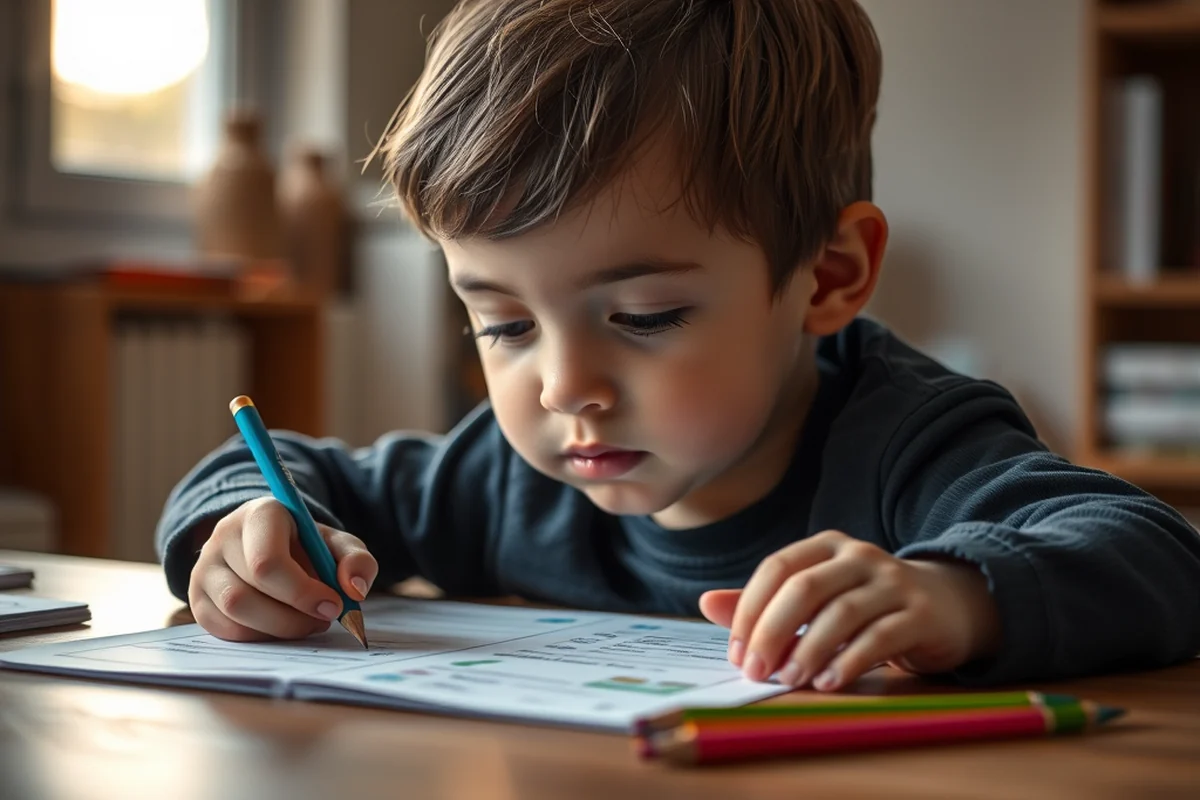
When I first started teaching online, I didn’t realize how important the environment was. I once had a student who was constantly distracted by a toy on the table behind the camera. It was a small detail, but it made a big difference in their ability to focus. I’ve since made it a rule to ensure that the background is simple and free of distractions.
I also recommend that parents or educators use a dedicated space for online learning. This space should be free of toys, clutter, and other distractions. I’ve found that even the smallest distraction — like a sibling walking by — can pull a child’s attention away from the lesson. Creating a calm and focused space is essential for young learners.[1]
I’ve even used tools like a whiteboard and a small table to help create a dedicated learning area. I’ve found that the more organized and focused the space, the more engaged the child is. It’s not just about the lesson — it’s about creating a learning environment that supports focus and engagement.
The environment shapes the experience — keep it simple and focused.
Related: Step by step teaching kids to read
Related: Teachers acting like kids
Related: Why teach kids piano
Related: Kids teaching kids ideas
Related: How to talk to kids
Using Visuals to Support Learning
Visuals are a powerful tool when teaching small kids online, and I’ve found that they make a huge difference in retention and engagement. I once taught a lesson on shapes using a simple video with colorful, animated shapes. The child was able to identify each shape and even name them correctly after the lesson. It was a small win, but it showed the power of visuals.
I’ve also found that using real-life objects in the background can help reinforce learning. For example, when teaching about colors, I used items like a red apple, a green leaf, and a blue toy car. The child was able to match the colors and even name them correctly. It was a simple approach, but it was effective.
I’ve since made it a point to use visuals in every lesson. Whether it’s a video, a picture, or a real-life object, visuals help reinforce learning and make it more engaging. I’ve even created a visual dictionary of shapes, colors, and numbers that I use in every lesson. It’s not just about teaching — it’s about making learning visual and accessible.
Using real-life objects in the background can help reinforce learning and make it more engaging for young children.
“I remember the first time I tried teaching a 4-year-old online — it felt like trying to catch smoke with a net.”— Teaching Drama to Kids editors
Incorporating Movement into Online Lessons
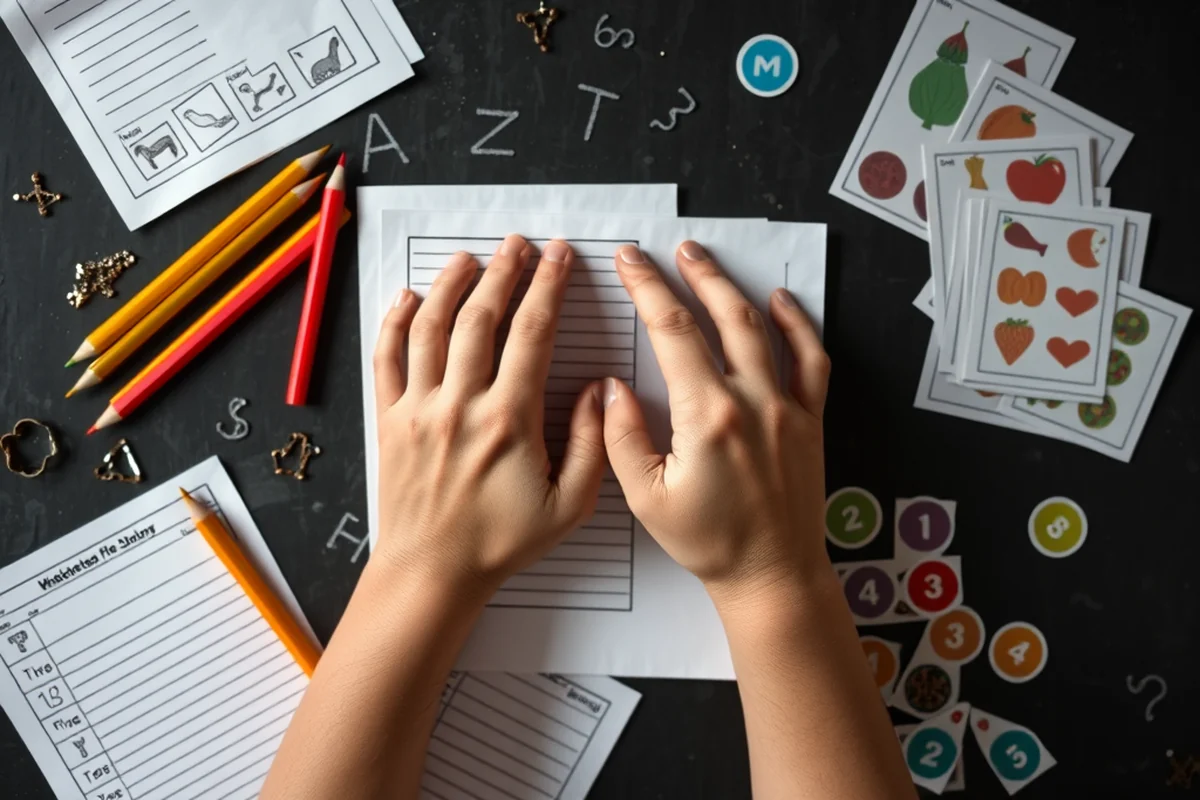
I’ve found that movement is one of the most effective ways to keep young children engaged during online lessons. When I first started, I didn’t realize how important it was to include physical activity. I once had a student who was constantly fidgeting and losing focus. It wasn’t until I introduced a short movement break that I saw real progress.
I now make it a point to include movement in every lesson. Whether it’s a simple dance break, a stretching activity, or a quick game of 'Simon Says,' movement helps keep children focused and engaged. I’ve found that even a short break can make a big difference in attention span and learning retention.
I’ve also discovered that movement can be incorporated in creative ways. For example, I’ve used a virtual 'dance party' to teach counting and rhythm. The child would dance to the beat while counting each step. It was a fun and effective way to incorporate movement and music into the lesson. It’s not just about keeping them active — it’s about making learning fun and engaging.
Using Repetition for Learning
Repetition is one of the most effective ways to help young children retain information and build skills. I’ve found that repeating a concept or activity multiple times helps reinforce learning and make it more memorable. I once taught a lesson on letters using a simple repetition technique. I repeated each letter multiple times, and the child was able to recognize and say it correctly after several repetitions.
I’ve also found that repetition can be used in creative ways. For example, I’ve used a simple song to teach the alphabet. The child would sing along, and with each repetition, they were able to recognize the letters more quickly. It was a simple approach, but it was effective.
I’ve since made it a point to use repetition in every lesson. Whether it’s a song, a game, or a simple activity, repetition helps reinforce learning and make it more engaging. I’ve even created a repetition chart that I use in every lesson. It’s not just about teaching — it’s about making learning memorable.
Making Learning Interactive and Engaging
Interactivity is one of the most important aspects of online learning for young children. I’ve found that when lessons are interactive, children are more likely to stay engaged and retain information. I once taught a lesson on shapes using an interactive game. The child was able to click on each shape and see it come to life. It was a fun and effective way to teach the concept.
I’ve also found that interactivity can be used in creative ways. For example, I’ve used a virtual 'matching game' to teach colors. The child would match the color on the screen with the real-life object. It was a simple game, but it was effective. I’ve even created a virtual 'memory game' that helps reinforce learning and make it more engaging.
I’ve since made it a point to use interactivity in every lesson. Whether it’s a game, a song, or a simple activity, interactivity helps keep children engaged and interested. I’ve even created a virtual 'playground' where kids can explore different learning stations. It’s not just about teaching — it’s about making learning fun and engaging.
Interactivity keeps the learning experience dynamic and engaging.
Building a Routine for Online Learning
A consistent routine is essential for helping young children feel secure and focused during online learning. I’ve found that when lessons are predictable, children are more likely to stay engaged and retain information. I once created a simple routine that included a greeting, a song, a lesson, and a closing activity. The child was able to follow the routine and stay engaged for the entire lesson.
I’ve also found that a routine helps build a sense of structure and security. I’ve used a simple countdown technique to help children transition between activities. For example, I would count down from 5 to 1, and then we would move on to the next activity. It was a simple technique, but it was effective.
I’ve since made it a point to use a routine in every lesson. Whether it’s a song, a game, or a simple activity, a routine helps keep children focused and engaged. I’ve even created a routine chart that I use in every lesson. It’s not just about teaching — it’s about building a sense of structure and security.
👶 Younger Kids (Ages 3-4)
Tailored for toddlers, with more repetition, simpler language, and sensory-based activities.
👦 Older Kids (Ages 5-6)
Includes more complex activities, problem-solving exercises, and interactive storytelling.
📚 No-Prep Version
Ideal for busy parents or educators who want to teach without preparation — just grab and go.
👥 Group Version
Designed for multiple children, with collaborative activities and peer interaction.
🧠 Extension Activities
Adds advanced learning opportunities for children who are ready for more complex concepts.
| The mistake | Why it happens | The fix |
|---|---|---|
| Not using enough visuals | Young children learn best through visuals, so relying on text or verbal instructions alone can be ineffective. | Use a mix of visual aids, such as videos, pictures, and real-life objects, to support learning. |
| Overloading with too much content | Young children can become overwhelmed and lose focus if lessons are too long or complex. | Keep lessons short and focused on one concept at a time. Use repetition and simple language to reinforce learning. |
| Not allowing movement | Movement is essential for young children to stay engaged and focused during online learning. | Incorporate short movement breaks into every lesson to help keep children active and engaged. |
| Ignoring the environment | A distracting environment can pull a child’s attention away from the lesson and reduce learning retention. | Create a distraction-free learning space that is organized and focused on the task at hand. |
Teaching Small Kids Online
Common Questions
How can I keep my child focused during online lessons?
What supplies do I need to teach small kids online?
How long should online lessons be for small kids?
Can I teach multiple kids at the same time online?
References
- Online and Blended Learning: (files.eric.ed.gov)
Cite this guide
Teaching Drama to Kids (2026). Teaching Small Kids Online. https://dramaplayarea.com/teaching-small-kids-online/
Feel free to cite or share this guide.