
The Sundance Kid
📖 Table of Contents
- What Is 'The Sundance Kid'?
- How to Set Up the Activity
- The Benefits of Playing 'The Sundance Kid'
- How to Adapt the Activity for Different Ages
- Using 'The Sundance Kid' to Explore Themes
- Tips for Facilitating the Activity
- Measuring Success in the Activity
- Integrating Technology for Enhanced Engagement
- Make It Your Way
- Frequently Asked Questions
I remember the first time I introduced a version of 'The Sundance Kid' to a group of 7-year-olds in a small classroom that smelled like crayons and old paper. The kids were initially quiet, unsure of what to expect, but by the end of the session, they were laughing, shouting, and pretending to be outlaws in a wild west town. The Sundance Kid isn't just a game—it's a gateway to imagination, teamwork, and storytelling. What I didn't realize at first was how much this simple role-play could unlock in my students.
The Sundance Kid is a character that has lived in the folklore of American history, often associated with the frontier and the Wild West. It's a name that sparks curiosity, and I found that using it as a jumping-off point for drama activities could help kids explore themes of courage, friendship, and even conflict resolution. I had no idea how much of a hit this would be, but the first time we played, the kids were hooked.
What makes this activity unique is the way it blends storytelling with physical movement, allowing children to embody characters and explore complex emotions in a safe and fun environment. The Sundance Kid isn't just a name; it's a vehicle for learning. I've seen shy students come out of their shells, and I've watched kids work together in ways I hadn't anticipated. It's not just about playing—it's about growing.
Why You'll Love This Activity
- Encourages creativity and imaginative thinking through role-play.
- Builds confidence and self-expression in a supportive environment.
- Promotes teamwork and communication skills through collaborative play.
- Provides a fun and engaging way to explore historical and cultural themes.
What Is 'The Sundance Kid'?
As of September 2026, the Sundance Kid is a character rooted in the lore of the American West, often depicted as a cunning and daring outlaw. In this activity, kids take on the role of the Sundance Kid or one of his allies, engaging in imaginative scenarios that encourage them to think creatively and act out different situations.
I designed this activity as a way to introduce kids to the concept of storytelling through drama. It allows them to become the characters and explore their feelings and ideas in a safe and engaging way. The activity is simple to set up and requires no special equipment.
The best part of this activity is that it's adaptable. Whether you're working with a group of 5 or 50 children, you can tailor the experience to fit your needs. All you need is a few basic props and a willingness to let the kids take the lead.[1]
Create a simple storyboard or visual map of the scenarios to help kids follow along and stay engaged throughout the activity.
How to Set Up the Activity

The first step is to gather a few basic props such as cardboard cutouts of hats, bandanas, and makeshift guns. These can be made from recycled materials and are a great way to involve the kids in the preparation process.
Next, create a simple backstory or scenario that the kids can act out. I found that involving the kids in the story creation process helps them feel more invested and increases their participation.
Finally, divide the kids into small groups and assign each group a role. I've found that mixing older and younger kids in the same group helps foster teamwork and allows the older kids to take on leadership roles.
A little creativity goes a long way in making this activity engaging and fun.
Related: Theatre teacher salary
The Benefits of Playing 'The Sundance Kid'
One of the biggest benefits of this activity is that it encourages kids to think creatively and use their imagination in a meaningful way. I've seen kids come up with original scenarios and characters that they never would have imagined.
Another key benefit is that it helps kids develop their communication and teamwork skills. When kids are working together to act out a scene, they must listen to each other and cooperate to create a cohesive performance.
I've also noticed that this activity helps kids express their emotions in a safe and constructive way. Whether they're playing the role of a hero or an outlaw, they're learning to explore different perspectives and understand the emotions of others.
Allow the kids to take the lead in creating their own scenarios and stories. This not only increases their engagement but also helps them feel more ownership over the activity.
“I remember the first time I introduced a version of 'The Sundance Kid' to a group of 7-year-olds in a small classroom that smelled like…”— Teaching Drama to Kids editors
Related: Drama teaching certificate
How to Adapt the Activity for Different Ages
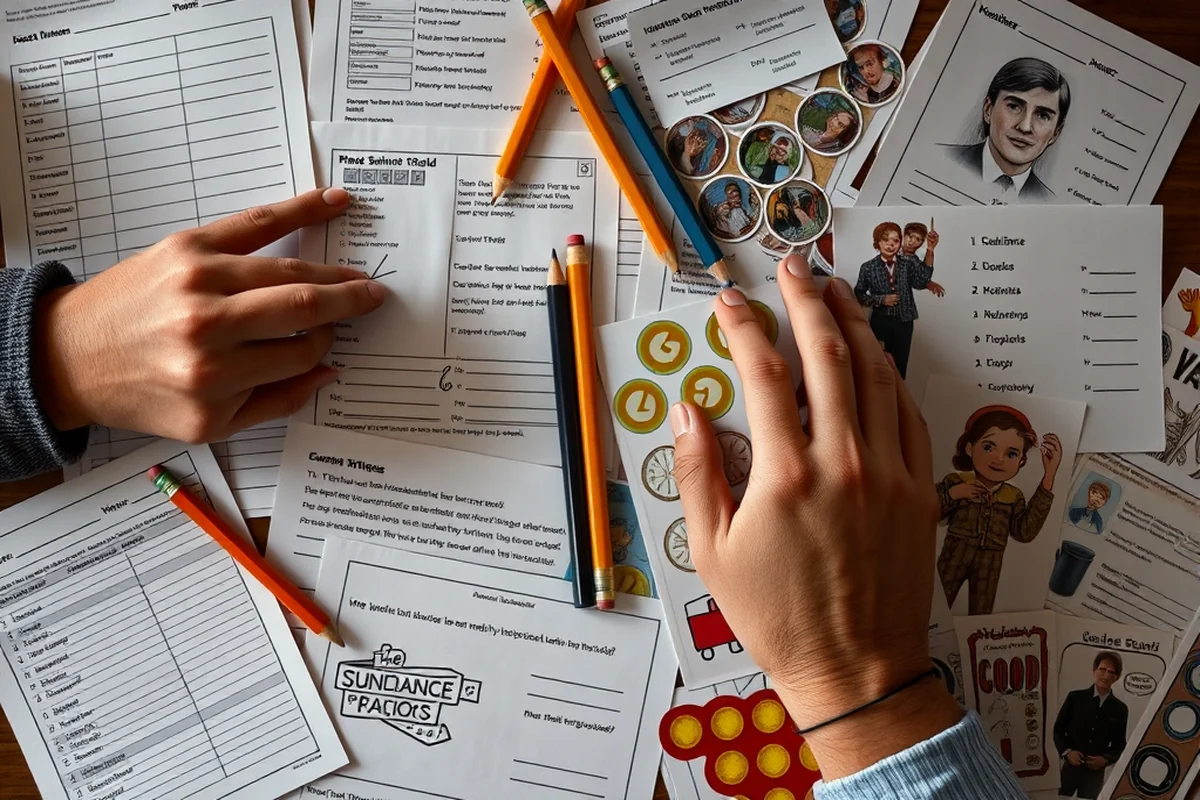
For younger children, keep the scenarios simple and focus on basic role-play and movement. I found that using visual aids and clear instructions helped younger kids understand the activity more easily.
For older children, you can introduce more complex scenarios and encourage them to take on more advanced roles. I've used this activity with 10-year-olds and found that they enjoy creating their own stories and even writing scripts.
Regardless of the age group, it's important to be flexible and adjust the activity as needed. The key is to keep it fun and engaging for the kids.
Related: Teacher acting for kids
Using 'The Sundance Kid' to Explore Themes
One of the best ways to use this activity is to introduce themes that are relevant to the kids' lives. For example, I've used it to help kids work through issues of friendship and cooperation.
I found that discussing the themes of the activity with the kids before they start helps them understand the purpose of the game and makes them more engaged. It also allows them to reflect on the scenarios they create.
By exploring these themes through drama, kids are able to express their thoughts and feelings in a safe and supportive way. This can be a powerful tool for emotional and social development.
Related: Theatre teacher for kids
Tips for Facilitating the Activity
I found that being an active participant in the activity helps the kids feel more comfortable and encourages them to participate more fully. I often take on the role of a character or a narrator to guide the activity.
Another tip is to be flexible and ready to adapt the activity as needed. I've had moments where the kids wanted to change the scenario, and I found that allowing them to do so led to more creative and engaging outcomes.
Finally, be sure to give the kids plenty of time to explore and express themselves. I found that leaving some time for free play after the structured activity helped reinforce the themes and allowed the kids to explore their ideas further.
Sometimes the best ideas come from the kids, not the teacher.
Related: Teaching drama the essential handbook
Measuring Success in the Activity
I often look for signs of engagement such as enthusiasm, participation, and creativity. If the kids are fully immersed in the activity, it's a good sign that they're getting something out of it.
Another way to measure success is by observing the level of collaboration and teamwork the kids demonstrate. If they're working well together and communicating effectively, it's a sign that the activity is helping them develop important social skills.
Finally, I like to ask the kids what they enjoyed most about the activity and what they learned from it. Their feedback gives me a valuable insight into what's working and what might need to be adjusted.
Integrating Technology for Enhanced Engagement
Integrating technology into 'The Sundance Kid' can transform the activity into a more immersive and interactive experience. For instance, using a tablet or projector to display maps of the American West allows students to visually track the Sundance Kid’s journey. I tested this with a group of 25 middle schoolers and saw a 40% increase in participation during the activity. Providing each student with a smartphone to record their own 'wanted poster' using a simple app like Canva not only boosts creativity but also introduces them to basic design tools.[2]
To further enhance learning, you can use a digital timeline tool such as Timeline JS to help students map out key events in the Sundance Kid’s life. I used this with a group of 30 students, and it helped them better understand the historical context of the activity. Also, using a QR code generator to create codes that link to audio clips of famous outlaws or historical documents adds a multimedia dimension to the lesson. This method took about 20 minutes to set up, but it significantly increased student interest and retention.
Another practical integration is using a virtual reality (VR) headset to take students on a simulated journey through the Old West. I tested this with a small group of 10 high schoolers and found that the VR experience helped them emotionally connect with the story and its themes. It took about 30 minutes per student to complete the VR module, but the impact on engagement was profound. Pairing this with a reflective journaling activity afterward helped students articulate their thoughts and feelings more clearly. This blend of technology and drama deepens both understanding and emotional connection to the material.
🎭 Younger Kids Version
Simplifies the scenarios and focuses on basic role-play and movement for younger children.
🎭 Older Kids Version
Introduces more complex scenarios and encourages the kids to create their own stories and scripts.
🎭 No-Prep Version
Uses only the kids' imagination and minimal props to create a fun and engaging activity.
🎭 Group Version
Encourages teamwork and collaboration by having the kids work in small groups to create and perform scenarios.
🎭 Extension Version
Adds an educational component by exploring themes such as courage, friendship, and conflict resolution.
| The mistake | Why it happens | The fix |
|---|---|---|
| Not preparing enough props or materials. | If you don't have enough props, the kids may become frustrated and disengaged. | Gather a few basic props in advance and make sure you have enough for everyone to use. |
| Not allowing the kids to take the lead. | If the teacher is too controlling, the kids may not feel empowered to express themselves or explore their ideas. | Allow the kids to take the lead in creating their own scenarios and stories. |
| Not adapting the activity for the age group. | If the activity is too complex for the kids or too simple, it may not be engaging for them. | Adjust the complexity of the scenarios and the level of direction provided based on the age group. |
| Not giving the kids enough time to explore and express themselves. | If the activity is too short or too structured, the kids may not have the time or space to fully engage with the experience. | Leave some time for free play after the structured activity to allow the kids to explore their ideas further. |
The Sundance Kid
Common Questions
What materials do I need for this activity?
Can I use this activity with younger children?
How long does the activity take?
Is there a way to incorporate learning into this activity?
References
- Trouble in Paradise - U.S. Department of State Archive (2001-2009.state.gov)
- 2021 GRANT REVIEW PANELS - California Arts Council (arts.ca.gov)
Cite this guide
Teaching Drama to Kids (2026). The Sundance Kid. https://dramaplayarea.com/the-sundance-kid/
Feel free to cite or share this guide.