
How To Teach Acting To Kids
📖 Table of Contents
- Start with Games That Build Trust and Confidence
- Use Role-Play to Explore Emotions and Perspectives
- Incorporate Physical Theatre to Encourage Expression
- Create Simple Scenes That Kids Can Write and Perform
- Use Props and Costumes to Spark Creativity and Engagement
- Incorporate Storytelling to Build Narrative Skills
- Make Time for Reflection and Feedback
- Make It Your Way
- Frequently Asked Questions
I still remember the first time I watched a group of 8-year-olds perform a scene they wrote themselves. They were nervous, but as they stepped onto the makeshift stage in my classroom, I saw something magical happen — confidence, creativity, and collaboration all rolled into one. Teaching acting to kids isn’t just about developing performers; it's about unlocking imagination and building communication skills in a way that feels like play. I've spent over a decade in the classroom, and I can tell you from experience that when kids feel safe and supported, they can do incredible things.
Teaching acting to kids isn’t always easy. It requires patience, creativity, and a deep understanding of how children learn through play. I once had a student who didn’t speak a word in class, but after weeks of guided improvisation, he was the one who came up with the most original character in our group. That moment taught me that acting can be a powerful tool for expression, especially for kids who struggle with traditional forms of communication. It’s not just about learning lines or performing — it's about self-discovery and connection.[1]
Over the years, I’ve developed a toolkit of techniques that make teaching acting to kids both fun and effective. Whether you're a teacher, a parent, or a homeschooling parent, the key is to create an environment where kids feel empowered to explore, make mistakes, and express themselves. One of the most important lessons I’ve learned is that kids don’t need to be perfect — they just need to be present. When I started using simple, game-based activities, my students began to engage more deeply and with more confidence. Teaching acting to kids is about more than just the performance — it's about building a foundation of creativity and resilience that lasts a lifetime.
Why You'll Love This Approach
- Encourages self-expression and confidence in a non-intimidating way.
- Builds essential communication and teamwork skills through play.
- Can be adapted for any age, learning level, or classroom setting.
- Creates a space for creativity and emotional exploration.
Start with Games That Build Trust and Confidence
As of August 2026, I always begin by playing games that focus on building trust and encouraging collaboration. One of my favorites is the ‘Mirror’ game, where one child acts out a movement and the other mirrors it. This simple exercise helps kids become more aware of their own bodies and the bodies of others. It also builds a sense of safety and connection, which is essential for any acting class.
Another game I use is ‘Yes, and’ from improvisation. This game teaches kids to build on each other’s ideas rather than shutting them down. When we played this in a group of 10-year-olds, the classroom transformed into a space of creativity and support. Kids were excited to share ideas and build on each other’s thoughts.[2]
These games aren’t just fun — they're foundational. They teach kids how to listen, respond, and work together, which are all essential skills in both acting and life. And the best part? Kids don’t even realize they're learning — they're just having fun.
Setting a 2-minute timer for each round keeps kids focused and ensures the game moves quickly. It also helps them learn how to think on their feet.
Part of our Classes kids guide.
Use Role-Play to Explore Emotions and Perspectives
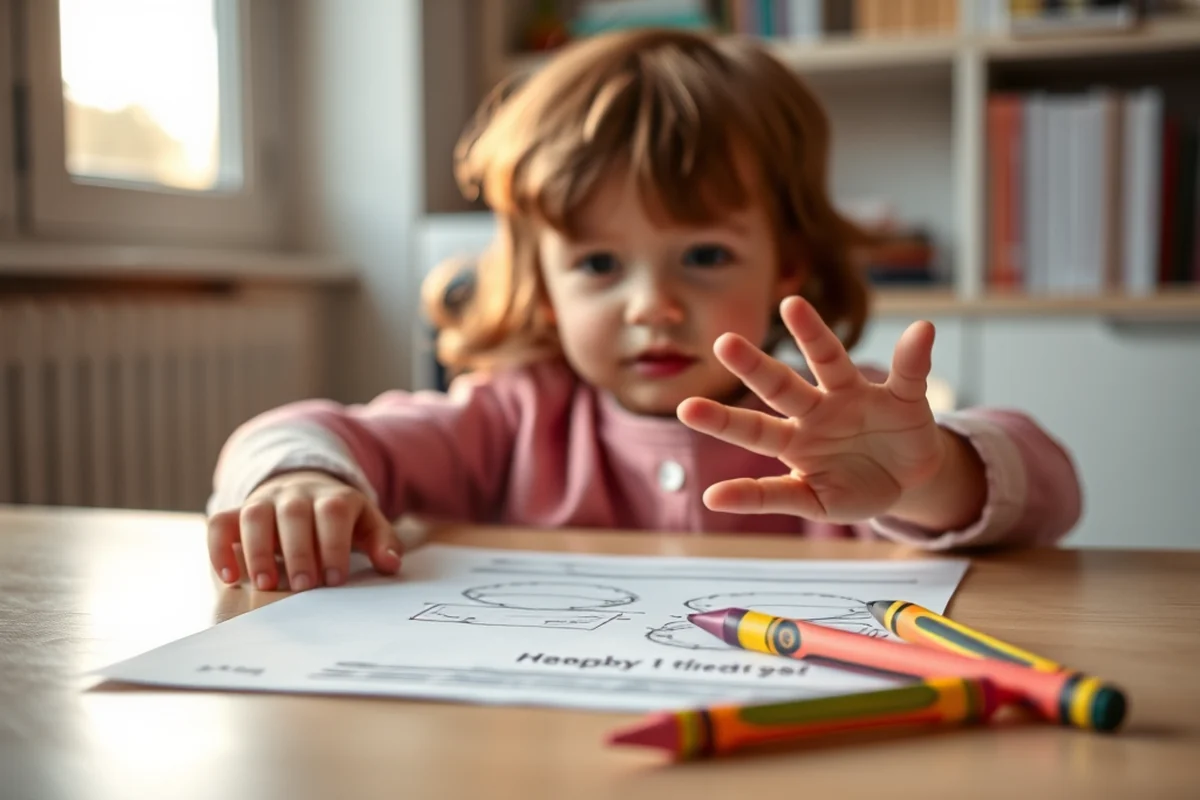
Role-play is one of the most powerful tools I use to help kids explore emotions and perspectives. I once asked a group of 7-year-olds to imagine they were animals in the forest, and the creativity that came out of that was incredible. They used their voices, body language, and even created unique names for their characters.
When we did a role-play on ‘What if you were a superhero?’ one kid created a hero who could only save people by singing. It was hilarious, but more importantly, it showed how kids can express themselves through imagination and storytelling.
Role-play isn’t just about fun — it’s about empathy and understanding. When kids get to explore different perspectives, they learn about the world in a way that’s both engaging and meaningful.
“Imagination is the key to unlocking the world.”
Related: Theater classes kids near me
Related: Acting workshop for kids near me
Related: Productions for kids near me
Related: Children s theater classes near me
Related: Acting classes for 6 year olds
Related: Children For Men Movie
Related: Moms Teach Sex
Related: The Kid Detective
Related: Teacher Acting For Kids
Related: How To Talk To Kids
Related: Little House On The Prairie
Related: Khan Academy Kids Free
Related: What Is The Kids Act
Related: How To Dance Videos For Kids
Related: How Long To Kids Need A Car Seat
Related: How To Teach You A Lesson Cast
Related: Top Kids Movies
Related: How Is Pbs Kids Free
Related: How To Speech Therapy For Kids
Related: Movie Theater For Kids With Autism Near Me
Related: Problem Child Movie
Incorporate Physical Theatre to Encourage Expression
I love using physical theatre exercises to help kids express emotions and ideas in a non-verbal way. One of my go-to activities is ‘Emotion Freeze,’ where kids act out an emotion and then freeze. The class has to guess which emotion they’re showing. This activity is great for building vocabulary and understanding different feelings.
Another activity I use is ‘Shape Making,’ where kids form shapes with their bodies and create a story around them. I once had a group of 5-year-olds create a giant ‘tree’ and then use their bodies to make it grow, fall, and regrow again. It was magical to see how they used their entire bodies to tell a story.
Physical theatre is a fantastic way to help kids connect their emotions to their movements. It also helps them learn how to express themselves in a way that feels natural and authentic.
Playing music that matches the emotion you're exploring helps kids get into the right mindset. For example, sad music for ‘sad’ and happy music for ‘happy’.
“I still remember the first time I watched a group of 8-year-olds perform a scene they wrote themselves.”— Teaching Drama to Kids editors
Related: What Is The Kids Choice Awards 2026
Create Simple Scenes That Kids Can Write and Perform
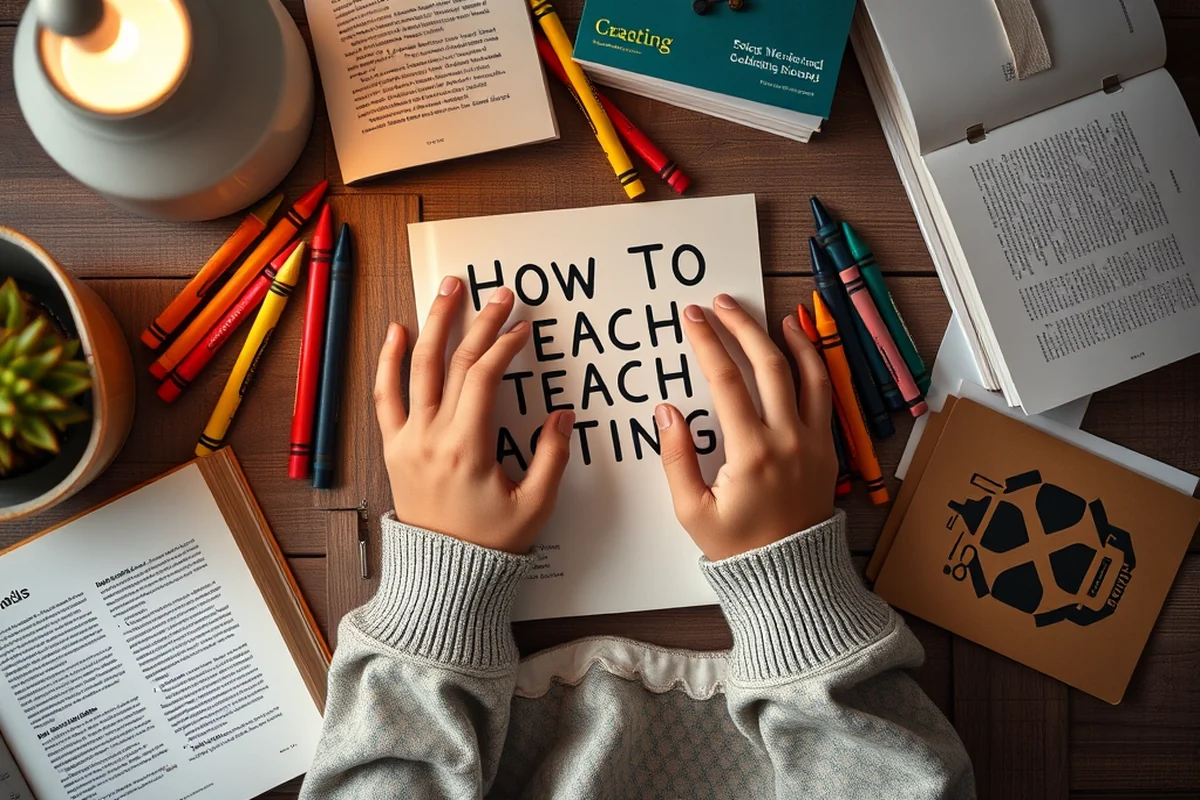
One of the most rewarding parts of teaching acting to kids is watching them write and perform their own scenes. I once had a group of 8-year-olds create a play about a lost puppy, and the level of detail and emotion they put into it was astounding. They wrote the dialogue, chose the characters, and even created a simple set using paper and markers.
When kids are given the opportunity to write their own scenes, they take it seriously. It helps them develop their creativity and also builds a sense of accomplishment. I’ve seen students who were shy or hesitant become confident performers through this process.
Creating their own scenes also helps kids learn about story structure, dialogue, and character development — all essential skills in both acting and writing. It’s a win-win for the classroom and the kids.
Use Props and Costumes to Spark Creativity and Engagement
I always keep a small collection of props and costumes on hand for my acting classes. They can be as simple as cardboard boxes, scarves, and hats, but they make a big difference in how kids engage with the material. When we did a scene about a pirate ship, the kids used paper plates as hats and boxes as cannons — and they were thrilled with their ‘costumes’.
Props help kids get into character and make the activity feel more like a real performance. They also encourage creativity and imagination. One time, a group of 6-year-olds used a cardboard box as a spaceship and wrote their own dialogue about traveling to the moon.
Using props and costumes also helps kids feel more connected to the story and characters they’re performing. It makes the experience more immersive and memorable for them.
Incorporate Storytelling to Build Narrative Skills
I love incorporating storytelling into my acting classes to help kids build narrative skills and creativity. One of my favorite activities is ‘The Story Chain,’ where each kid adds a line to a story. This activity helps kids think creatively and also shows them how stories can build on each other.
Another storytelling activity is ‘Picture Storytelling,’ where kids look at a picture and create a story around it. This helps them develop their narrative skills and also encourages them to think critically about what they see.
Storytelling is a powerful way to help kids learn how to structure a story and express themselves. It also helps them build confidence and creativity in a fun and engaging way.
“Stories are the fabric of our lives.”
Make Time for Reflection and Feedback
I always make time for reflection and feedback after any acting activity. This helps kids understand what they did well and what they can improve on. I once had a group of 10-year-olds perform a scene, and after the performance, we had a short discussion about what they thought went well and what they could do differently next time.
Feedback is important, but it needs to be constructive and positive. I always start with something they did well before offering suggestions for improvement. This helps kids feel supported and encourages them to keep trying.
Reflection and feedback also help kids learn from each other. When they see how their peers approach a scene, they gain new ideas and perspectives that they can use in their own performances.
🎭 Younger Kids Activity: Emotion Charades
A simple game where kids act out emotions and their classmates guess. Great for ages 3-6.
🎭 Older Kids Activity: Improv Scenes
Kids create and perform scenes based on random prompts. Ideal for ages 7-12.
📖 No-Prep Activity: Story Chain
Kids take turns adding to a story. No props or costumes needed.
👥 Group Activity: Physical Theatre Circle
A group activity where kids create a story using their bodies and movements.
🎭 Extension Activity: Writing and Performing Original Scenes
Kids write and perform their own scenes, building on their storytelling skills.
| The mistake | Why it happens | The fix |
|---|---|---|
| Not setting clear rules and expectations. | Kids may become distracted or disruptive if they don’t understand what’s expected. | Start each activity with a short explanation of the rules and what you hope to achieve. |
| Forcing kids to perform if they’re uncomfortable. | This can create anxiety and make them reluctant to participate in future activities. | Give them options and let them choose how they want to participate. |
| Overloading the class with too many activities in one session. | Kids may become overwhelmed and lose interest quickly. | Plan a few key activities and allow time for reflection and movement between them. |
| Not providing enough time for reflection and feedback. | Kids may not learn from their experience if they don’t have time to process what they did. | End each session with a short discussion or reflection activity, even if it’s just 5 minutes. |
How To Teach Acting To Kids
Common Questions
How can I get kids to engage if they're shy or hesitant?
What if I don’t have props or costumes?
How do I handle kids who are disruptive during an activity?
Can these activities be used in a homeschool setting?
References
- What is Method Acting? | Lee Strasberg Theatre & Film Institute (strasberg.edu)
- Improvisation: A Complement to Curriculum 1 - ERIC (files.eric.ed.gov)
Cite this guide
Teaching Drama to Kids (2026). How To Teach Acting To Kids. https://dramaplayarea.com/how-to-teach-acting-to-kids/
Feel free to cite or share this guide.