
How To Teach Theater To Elementary Students
📖 Table of Contents
- Getting Started: The First Steps in Theater Education
- Using Improvisation to Build Confidence
- Storytelling Through Role-Playing
- Incorporating Music and Movement
- Creating a Collaborative Theater Experience
- Using Visual Aids and Costumes
- Teaching the Basics of Theater Through Games
- Make It Your Way
- Frequently Asked Questions
Teaching theater to elementary students is like handing a child a paintbrush and watching them create a masterpiece out of pure imagination. I remember the first time I led a group of 6-year-olds through an improv exercise — one child ran offstage crying, another laughed so hard they fell over. Somehow, in the chaos, we all learned how to listen and respond to each other. This is the magic of theater: it turns shy kids into storytellers, and quiet ones into leaders. If you're wondering how to teach theater to elementary students, you're not alone, and the journey is as rewarding as it is transformative.[1]
I've spent over a decade in elementary classrooms. The most successful theater lessons happen when you're not trying to 'teach' a script, but instead, creating a space where kids can explore, create, and express themselves. Theater isn't about perfection; it's about play. When I first started, I worried that the kids wouldn't 'get it' or that I wasn't 'qualified' to lead a drama lesson. I quickly learned that all it takes is a little imagination, a few simple props, and a lot of laughter. Teaching theater to elementary students isn't just about entertaining — it's about building confidence, communication skills, and a lifelong love of storytelling.[2]
One of the most surprising things about teaching theater to elementary students is how quickly they pick up on the concepts. I once led a group of 5-year-olds through a scene from *The Lion King*. By the end of the first session, they were not only memorizing lines but also improvising their own dialogue. It's not about being a performer — it's about being present, curious, and open to the moment. If you're wondering how to teach theater to elementary students, start with the basics, keep it fun, and let them take the lead — you'll be amazed at what they can do.[3]
Why You'll Love This Approach
- Boosts confidence and self-expression in a safe, creative environment.
- Encourages teamwork and empathy through collaborative storytelling.
- Develops critical thinking and quick decision-making through improvisation.
- Provides a fun, engaging way to learn language, history, and social skills.
Getting Started: The First Steps in Theater Education
As of August 2026, the first step in teaching theater to elementary students is to create an environment that feels welcoming and nonjudgmental. I often begin with a simple icebreaker — like a game of 'Mirror' where kids copy each other's movements — to build trust and show that theater is about play, not performance. I've found that when kids feel comfortable, they're more likely to take risks, and that's where the real learning happens.
Next, I introduce the concept of storytelling. I use picture books or short stories and ask the kids to imagine how they'd act out a scene. This helps them understand that theater is all about bringing stories to life, and it's not limited to a stage or costumes. I've seen even the most hesitant students come out of their shells when they're given the chance to try something new.
Finally, I explain the basics of theater — like what a scene is, how to use their voices, and how to take turns. It's important to keep the language simple and the lessons short. I once taught a 20-minute class on 'Voice and Movement,' and by the end, the kids were shouting lines with gusto and dancing in place. It's all about making theater fun, accessible, and exciting.
Begin with short, simple activities that focus on voice, movement, and storytelling. Keep it playful and avoid overwhelming the kids with complex concepts.
Part of our Classes kids guide.
Using Improvisation to Build Confidence
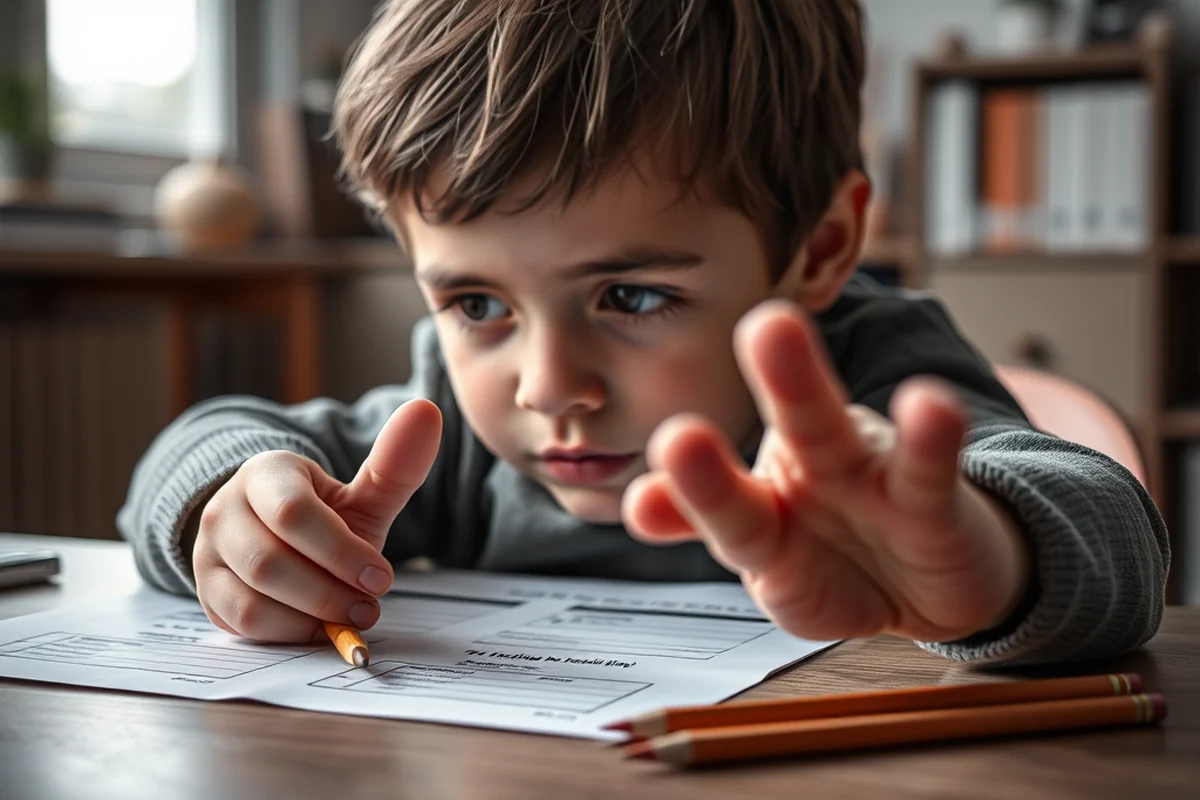
Improvisation is like a game of pretend, but with a structure. I teach kids a simple exercise called 'Yes, and...' where they build on each other's ideas. For example, if one kid says, 'I found a dinosaur,' the next kid responds with, 'Yes, and it's eating a cookie.' It's a fun way to show that theater is about collaboration and creativity.
I've seen incredible growth in kids who are shy or hesitant to speak in front of others. One child, who rarely spoke in class, became a leader in a scene during an improv exercise. It wasn't about being the best — it was about being present and contributing. Improv also helps kids think on their feet, which is a valuable skill in and out of the classroom.
Another great exercise is 'Freeze and Thaw,' where kids move around the room and when I say 'freeze,' they have to stay perfectly still — even if they're laughing or pretending to be a robot. This teaches control, focus, and the ability to hold a pose. It's also a hilarious way to get kids laughing and working together.
Improvisation is the playground of creativity — there's no right or wrong, only what you're willing to try.
Related: Free acting classes for kids near me
Related: Acting classes for 6 year olds
Related: For kids best movies
Related: Acting classes kids near me
Related: Theater classes for kids near me
Related: Moms Teach Sex
Related: Children For Cinema
Related: The Kid Detective Cast
Related: Little House On The Prairie
Related: The Pbs Games
Related: Problem Child Movie
Related: Children'S Theater Programs Near Me
Related: How To Teach You A Lesson Cast
Related: Dolly Parton Children
Related: Fairview Elementary School
Related: Is Baby Boy A Movie
Related: Children'S Bible Story Videos
Storytelling Through Role-Playing
Role-playing allows kids to step into different characters and perspectives. I once had a group of 7-year-olds act out a scene from *Charlotte's Web*. By the end of the session, they were discussing how the characters felt and what they would do in their situation. It's a powerful way to build empathy and understanding.
I use simple role-play scenarios — like being a doctor, a teacher, or a chef — and let the kids explore the role. This helps them understand the world from different angles and encourages them to think creatively. I've seen kids as young as 5 come up with elaborate stories about how their character would solve a problem or make a friend.
One of the most effective ways I've used role-playing is through a 'Character Creation' activity. The kids draw a character, give them a name, and then act out their story. It's a fun way to blend art and drama and allows kids to explore their own imagination.
Incorporate role-play into everyday situations like being a teacher, a doctor, or a chef. This helps kids connect theater to their lives and learn through play.
“Teaching theater to elementary students is like handing a child a paintbrush and watching them create a masterpiece out of pure imagination.”— Teaching Drama to Kids editors
Related: What Is The Kid At The Back Game About
Incorporating Music and Movement

Music and movement are essential components of theater. I often use songs from musicals or original music to accompany scenes. I've found that kids are more engaged when they're moving and singing — it helps them remember lines and connect emotionally with the story.
One of my favorite activities is 'Dance and Dialogue,' where I play a song and have the kids move to the rhythm while acting out a scene. This helps them express emotions through both movement and speech. I once had a group of kids act out a scene from *The Wizard of Oz* and they moved like flying monkeys — it was hilarious and heartwarming.
I also use simple dances or movements to teach rhythm and timing. One exercise involves clapping in time with the music while saying lines from a story. It's a fun way to blend music, movement, and language into one cohesive activity.
Creating a Collaborative Theater Experience
Collaborative theater experiences help kids learn how to work together to create a performance. I once had a group of 4th graders create a full play in a week — they wrote the story, designed the set, and acted it out. It was incredible to see how they came together to create something that was bigger than any one of them.
I encourage kids to take on different roles — some might be writers, others might be directors or actors. This helps them understand that theater is a team effort and that everyone has a part to play. I've seen shy kids find their voice by taking on a role they never thought they'd be able to do.
Collaboration also helps kids learn how to give and receive feedback. I use a simple 'Feedback Circle' where kids share what they liked about a performance and what they think could be improved. It's a respectful way to build confidence and encourage growth.
Using Visual Aids and Costumes
Visual aids and costumes are a great way to help kids visualize a scene and understand their characters. I use simple props like hats, scarves, or cardboard boxes to create sets and costumes. I've seen kids get excited about transforming a cardboard box into a spaceship or a hat into a wizard's hat.
One of the most effective ways I've used costumes is through a 'Character Costume Design' activity. The kids draw their character and then create a costume using materials from around the classroom. It's a fun way to blend art and drama and allows kids to express their creativity.
Visual aids also help kids understand the story. I often use pictures or storyboards to help them follow along and understand what's happening. It's a great way to support visual learners and make theater more accessible for all kids.
Costumes and props are the magic that turns a classroom into a stage.
Teaching the Basics of Theater Through Games
Games are a great way to introduce kids to the basics of theater. I use a game called 'Charades' to help them understand how to act out scenes without using words. It's a fun way to build confidence and improve body language.
Another game I use is 'Hot Potato,' where kids pass a ball while acting out a scene. When the music stops, the person holding the ball has to act out a scene. It's a hilarious way to keep kids engaged and learning.
I've also used 'Mirror Games' to help kids learn how to move and express themselves. One child leads and the others follow their movements — it's a great way to build trust and show that theater is about connection and communication.
🎭 Younger Kids (Ages 3-6)
Use simple props, songs, and movement to engage younger students in a playful, sensory-rich theater experience.
🎭 Older Kids (Ages 7-12)
Introduce more complex scenes, character development, and collaborative storytelling for older elementary students.
🎭 No-Prep Theater Activities
Engage kids with minimal materials — just a space, their imagination, and a few simple games.
🎭 Group Theater Projects
Collaborate on a full-class performance, from writing the script to designing the set and acting it out.
🎭 Extension Activities
Deepen learning with lessons on story structure, character development, and performance techniques.
| The mistake | Why it happens | The fix |
|---|---|---|
| Overloading students with too many instructions or complex concepts. | Young students can become overwhelmed or disengaged if they're given too much to process at once. | Keep lessons simple, use clear language, and break activities into small, manageable steps. |
| Not allowing enough time for students to explore and create. | Theater is a creative process — rushing through activities can prevent students from fully engaging and expressing themselves. | Allow time for exploration, reflection, and play. Let students take the lead when possible. |
| Focusing too much on performance and not enough on the process. | While performance is fun, the real value of theater lies in the learning, creativity, and collaboration that happens during the process. | Encourage students to focus on the journey rather than the end result — celebrate effort and growth over perfection. |
| Not providing enough support for shy or hesitant students. | Some students may feel anxious or unsure about participating in theater, especially if they're not used to performing or expressing themselves publicly. | Create a safe, inclusive environment where all students feel welcome and valued. Offer multiple ways for them to participate, such as through movement, voice, or creativity. |
How To Teach Theater To Elementary Students
Common Questions
How can I incorporate theater into a busy school schedule?
What if I don't have any theater experience?
How can I help shy students participate in theater?
Can I use technology in my theater lessons?
References
- A Report on the Status of Arts Education in Montana - Arts Council (art.mt.gov)
- The Fort Lauderdale Children's Theatre, Inc. (files.floridados.gov)
- Using drama as an effective method to teach elementary students (commons.emich.edu)
Cite this guide
Teaching Drama to Kids (2026). How To Teach Theater To Elementary Students. https://dramaplayarea.com/how-to-teach-theater-to-elementary-students/
Feel free to cite or share this guide.