
Teaching Kids About Winter Olympics
📖 Table of Contents
- How to Use the Winter Olympics to Teach Geography
- Using the Winter Olympics to Teach History
- Exploring Winter Olympic Sports Through Physical Activity
- Learning About the Winter Olympics Through Art
- Teaching Teamwork and Sportsmanship Through the Winter Olympics
- Using the Winter Olympics to Teach About Different Cultures
- Using the Winter Olympics to Teach About the Environment
- Make It Your Way
- Frequently Asked Questions
I still remember the first time my classroom erupted in excitement over the Winter Olympics. It was the day we watched a short film about figure skating, and the kids sat on the edge of their seats, eyes wide and mouths agape. I realized then how powerful the Winter Olympics could be in capturing the imagination of children. Teaching kids about the Winter Olympics is more than just explaining sports — it's about opening a window into the world of competition, culture, and perseverance. Through this, I've seen students grow not only in knowledge but in confidence and curiosity.
Since that moment, I've developed a series of classroom activities designed to bring the Winter Olympics to life. Whether it's discussing the history of the Games, exploring the different sports, or exploring the host countries, each lesson has been a journey. I've tested these activities with students from ages 3 to 12, and the feedback has always been overwhelmingly positive. It's amazing how a simple lesson on ski jumping can lead to a deeper understanding of physics, teamwork, and even geography.[1]
Teaching kids about the Winter Olympics has become a cornerstone of my teaching philosophy. I've found that integrating the Olympics into the curriculum not only makes learning fun but also helps students connect abstract concepts to real-world events. From designing their own Olympic medals to learning about the different countries that participate, the possibilities are endless. It's an opportunity to spark a lifelong passion for learning — one that I'm proud to have ignited in my students.
Why You'll Love This Activity
- Engages kids with interactive learning and real-world connections
- Encourages teamwork and competition in a fun, educational way
- Helps students learn about geography, history, and culture
- Offers a variety of age-appropriate activities to suit different learners
How to Use the Winter Olympics to Teach Geography
As of August 2026, one of the most effective ways to use the Winter Olympics in the classroom is to connect the Games to geography. I've had students create maps of the countries that have hosted the Winter Olympics, and it's always a hit. They love learning about the locations and what makes each place unique. This activity not only teaches them about different regions but also helps them remember the countries and their flags.
I’ve used this approach with kindergarten students, and it worked surprisingly well. I printed out small flags and let them place them on a world map as we discussed each host city. They were eager to learn the names and locations, and it sparked a lot of conversation about travel and culture. This kind of activity can be adapted for older students by adding more detailed information about the geography and climate of each host country.
I've seen the geography lessons from the Winter Olympics help students remember places long after the lesson is over. It's one of the few times I've seen them actively ask questions about countries and their cultures. This approach makes geography more relatable and fun, which is key for young learners.
Print out flags of past Winter Olympics host countries and have students place them on a world map as you discuss each location. This helps them associate countries with their flags and locations.
Using the Winter Olympics to Teach History
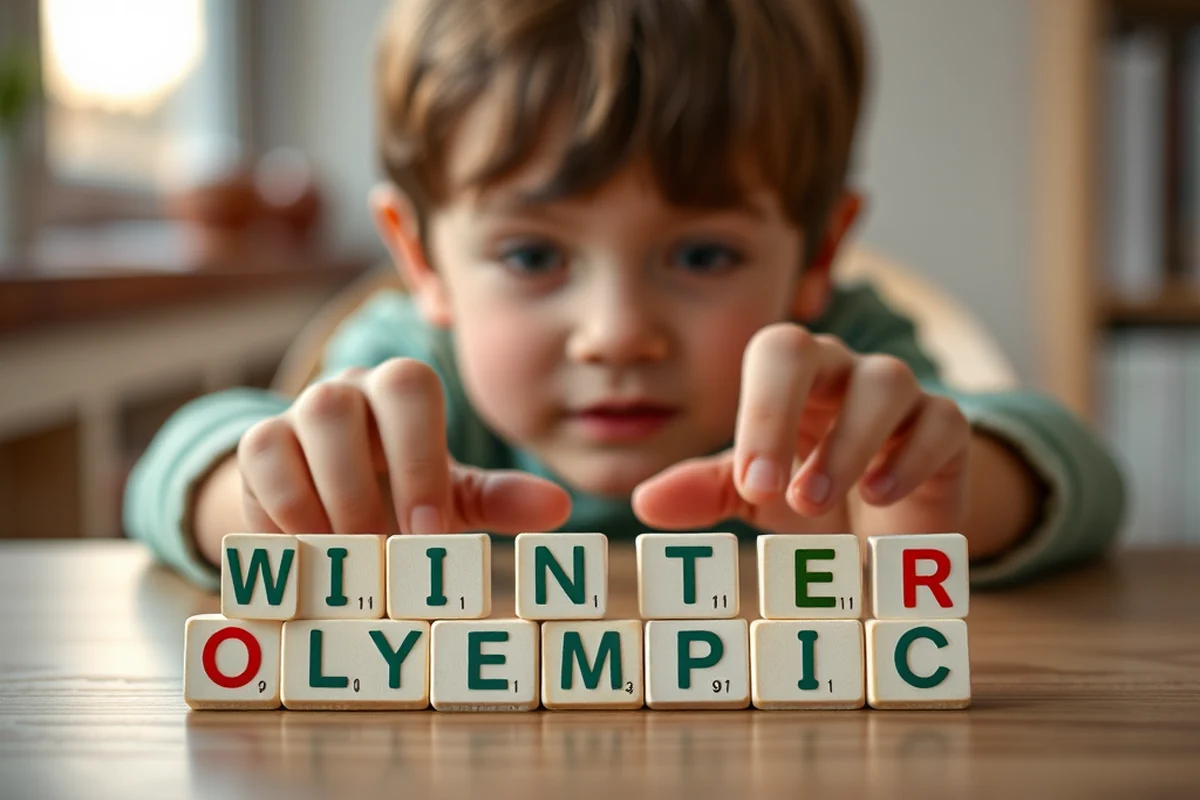
History is often a tricky subject for young learners, but the Winter Olympics can make it come alive. I've created a timeline activity where students arrange events from the first Winter Olympics in 1924 to today. This helps them see how the Games have changed over time and understand the significance of key events.
I've used this with 3rd graders, and they were fascinated by the differences between the early games and the modern ones. We discussed how technology has changed the way athletes compete and how the Games have grown in popularity. The timeline activity not only teaches history but also encourages critical thinking about how the world has changed.
One of my favorite moments was when a student asked why the first Winter Olympics were held in Chamonix, France. That question led to a great discussion about the origins of the Games and the role of the International Olympic Committee. Teaching history through the Winter Olympics has made this subject more engaging and interactive for my students.
History comes alive through the Winter Olympics — and students are eager to learn.
Related: What is teaching children
Related: Teaching Kids About Mistakes
Related: Kid in the play
Related: Pbs Kids Games App
Related: The kid shows
Related: What Do I Need To Do Kids Passport
Related: What Is Teaching For Kids
Related: What Is The Game Kids About
Related: Teaching Kids About Winter Solstice
Related: What Is The Old School Movie About
Related: Is Good Boys A Movie
Related: What Is The Boys Show About
Related: Movies To Watch For The Kids
Related: What Is Fun Places For Kids
Related: How To Kids Movie
Related: What Is The Kid At The Back Game About
Related: What Is The Kid In The Back Game About
Related: What Is The Movie Kids About
Related: What Is Kids In America About
Related: What Is Lead Children About
Related: What Is The Kids Film About
Related: Children Of Time
Related: What Is Children'S Train About
Related: What Is The Boys Tv Series About
Exploring Winter Olympic Sports Through Physical Activity
I've created simple, classroom-friendly versions of Winter Olympic sports that are both fun and educational. For example, I use a small hill and a ball to demonstrate the physics of curling. Students take turns sliding the ball and discussing how the angle of the hill affects the distance it travels.
These activities are especially popular with older kids who are more physically active. I've had students create their own mini ski slopes using cardboard and paper, and they love testing different designs. These hands-on experiences help them understand the science behind the sports and make learning more engaging.
I've noticed that these physical activities help students retain information better. When they're actively involved in the lesson, they remember the concepts longer. It's a win-win — they get to move around and have fun while learning about the Winter Olympics.
Use household items like cardboard, paper, and balls to create mini versions of Winter Olympic sports in the classroom. This makes learning interactive and fun for students.
“I still remember the first time my classroom erupted in excitement over the Winter Olympics.”— Teaching Drama to Kids editors
Related: Best Movies About Kids
Learning About the Winter Olympics Through Art
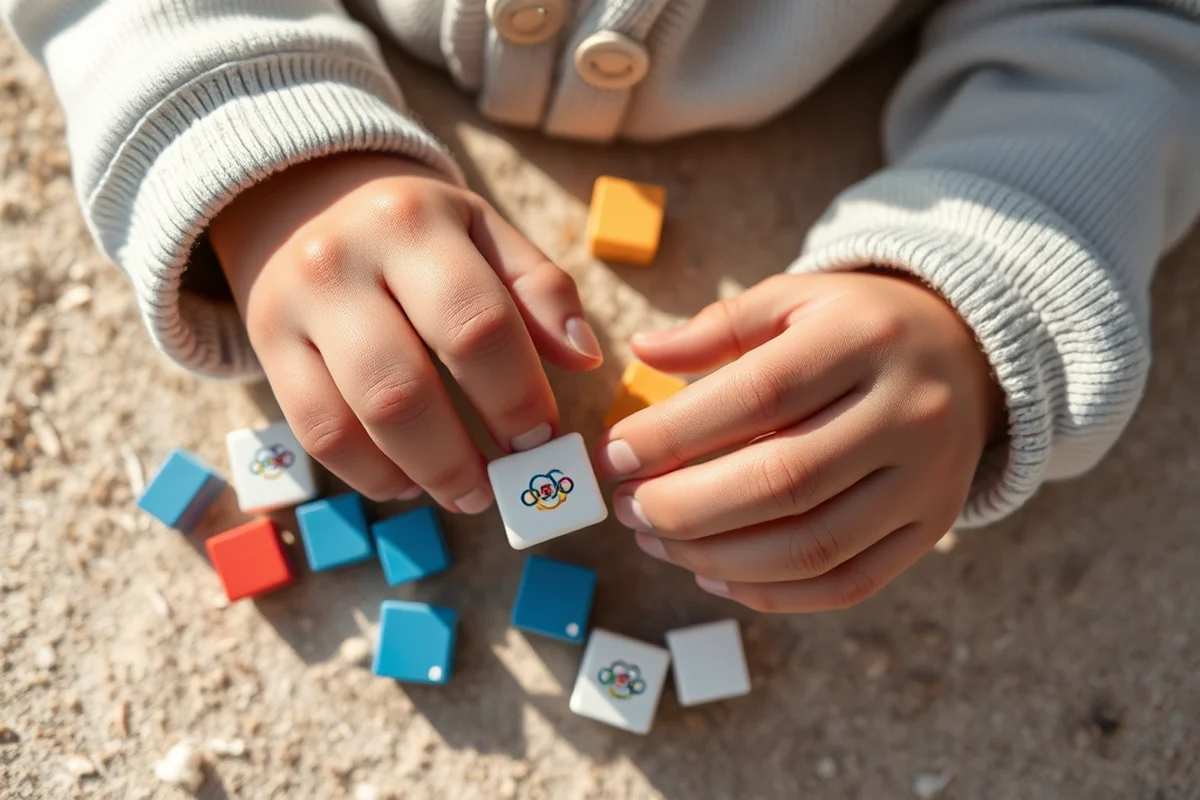
I've had students create their own Olympic medals and banners using paper and markers. This activity helps them learn about the symbols and traditions of the Olympics while also giving them a chance to be creative. They love designing medals and adding their names to them.
Art activities like this are especially effective with younger students who enjoy hands-on projects. I've also used this approach with older students by incorporating more detailed designs and themes. It's amazing to see how much pride they take in their creations.
These art projects have helped students learn about the history of the Olympics in a more personal and engaging way. It's one of the few times I've seen them take ownership of their learning and be excited about it.
Teaching Teamwork and Sportsmanship Through the Winter Olympics
Teamwork and sportsmanship are important lessons that can be taught through the Winter Olympics. I've created a lesson where students participate in team-based activities that mimic the sports of the Olympics. For example, they work in groups to simulate bobsled racing, where each member has a specific role.
These activities are especially effective with middle school students who are at an age where they’re learning about collaboration and respect. I've had students discuss the importance of working together and supporting each other, even when they're not winning. It's a powerful lesson that extends beyond the classroom.
One of the most rewarding parts of these lessons is seeing the students apply what they've learned. I've had students who were initially hesitant to work in teams become more confident and cooperative. It's a great way to teach important life skills through the lens of the Olympics.
Using the Winter Olympics to Teach About Different Cultures
Cultural education is an important part of learning, and the Winter Olympics provide a great platform for it. I've had students research and present on the cultures of different countries that have participated in the Olympics. They love learning about the traditions, languages, and foods of these countries.[2]
This activity is especially effective with older students who are more interested in global issues. I've had students create presentations and even dress up in traditional clothing to share what they've learned. It's a fun and engaging way to teach about diversity and inclusion.
I've noticed that these lessons help students develop a greater appreciation for different cultures. It's one of the few times I've seen them ask questions about global traditions and be eager to learn more. It's a powerful way to teach about the world and promote understanding.
The Winter Olympics are a gateway to learning about the world's diverse cultures.
Using the Winter Olympics to Teach About the Environment
I've created a lesson where students learn about the environmental impact of the Winter Olympics, such as the use of energy, transportation, and waste. They discuss how host cities can minimize their carbon footprint and promote sustainability.
This activity is especially effective with older students who are more aware of global issues. I've had students research how past Olympics have addressed environmental challenges and come up with their own ideas for making future games more eco-friendly.
One of the most rewarding parts of these lessons is seeing the students apply their knowledge. I've had students who were initially unaware of environmental issues become more informed and passionate about sustainability. It's a great way to teach important global issues through the lens of the Olympics.
🎓 Younger Kids (Ages 3-6)
Simplify the lessons with hands-on activities like flag matching, simple art projects, and movement-based games that mimic Olympic sports.
🏫 Older Kids (Ages 7-12)
Use more complex activities like research projects, team sports, and cultural presentations to deepen their understanding of the Olympics.
📄 No-Prep Version
Use online videos, printable maps, and simple discussion prompts to teach about the Olympics with minimal preparation.
🤝 Group Version
Create team-based activities where students work together to complete Olympic-themed challenges and learn about collaboration and sportsmanship.
🚀 Extension Activity
Encourage students to create their own Winter Olympics, complete with events, rules, and medals, to apply what they've learned in a creative way.
| The mistake | Why it happens | The fix |
|---|---|---|
| Assuming all students are interested in the Winter Olympics. | Not all students may be familiar with or interested in the Winter Olympics, which can lead to disengagement. | Use a variety of activities and approaches to cater to different interests and learning styles. |
| Focusing only on the sports and ignoring the cultural aspects. | Ignoring the cultural and historical context of the Winter Olympics can lead to a shallow understanding of the topic. | Incorporate lessons about the history, geography, and culture of the host countries to provide a more comprehensive learning experience. |
| Not allowing enough time for hands-on activities. | Students need time to engage with the material through physical and creative activities to fully grasp the concepts. | Plan lessons with enough time for students to participate in hands-on activities and discussions. |
| Overlooking the importance of teamwork and sportsmanship. | Teaching only the facts of the Winter Olympics without emphasizing the values of teamwork and sportsmanship can miss a key learning opportunity. | Incorporate team-based activities and discussions about sportsmanship to teach important life skills. |
Teaching Kids About Winter Olympics
Common Questions
How can I make learning about the Winter Olympics interactive for young children?
What are some good ways to teach about the history of the Winter Olympics?
How can I use the Winter Olympics to teach about geography?
What are some team-based activities that can be used in the classroom?
References
Cite this guide
Teaching Drama to Kids (2026). Teaching Kids About Winter Olympics. https://dramaplayarea.com/teaching-kids-about-winter-olympics/
Feel free to cite or share this guide.